作者姓名:ouyangyj0058@hotmail.com

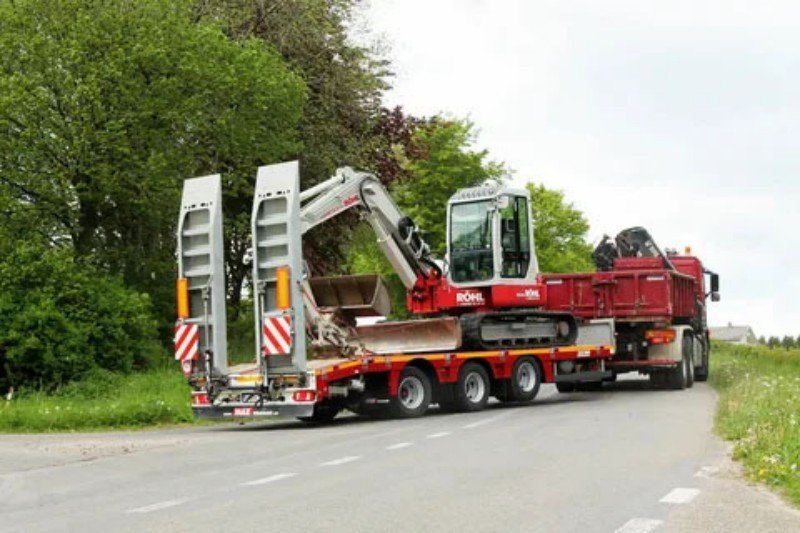
Red excavator being transported on a specialized low loader trailer highlighting weight distribution and center of gravity concerns for terminal crane safe working load limits
Uncategorized

Why Ports Impose Restrictions on Open Top Containers

Ports impose specific restrictions on open top containers to ensure operational safety and vessel stability. This guide explains OOG dimensional limits, weight restrictions, approval procedures, and common causes of cargo delay to help exporters plan compliant shipments and minimize risks like demurrage or rejection.
Port restrictions for open top containers are not arbitrary—they are structured safety controls designed to protect vessel stability, terminal operations, and regulatory compliance. Open top containers carrying OOG cargo (out-of-gauge) receive additional scrutiny at ports worldwide. Terminal handling limitations vary significantly based on each port’s infrastructure, crane capabilities, yard layout, and local regulations. Non-compliance can quickly lead to cargo rejection, vessel rollovers, or expensive delays.
Many shippers assume that once a carrier accepts OOG cargo, port entry is guaranteed. In reality, terminal operators often apply independent restrictions based on equipment capacity and safety protocols. Port-approved open top container transport requires advance dimensional declaration, structural assessment, and terminal-specific approval—steps that demand careful coordination long before the cargo arrives at the gate.
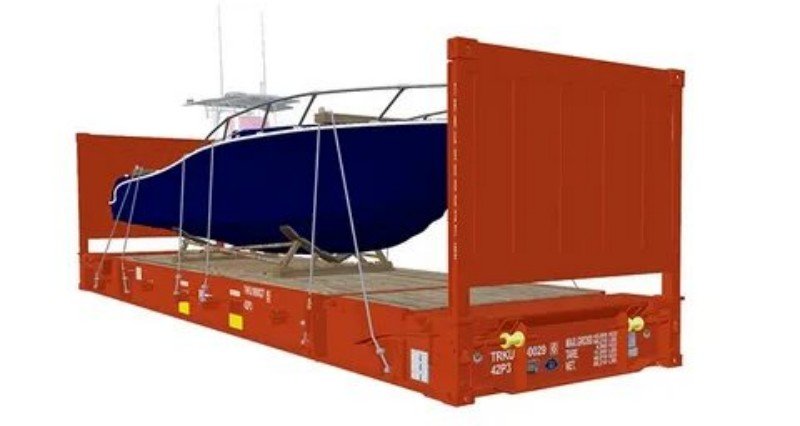
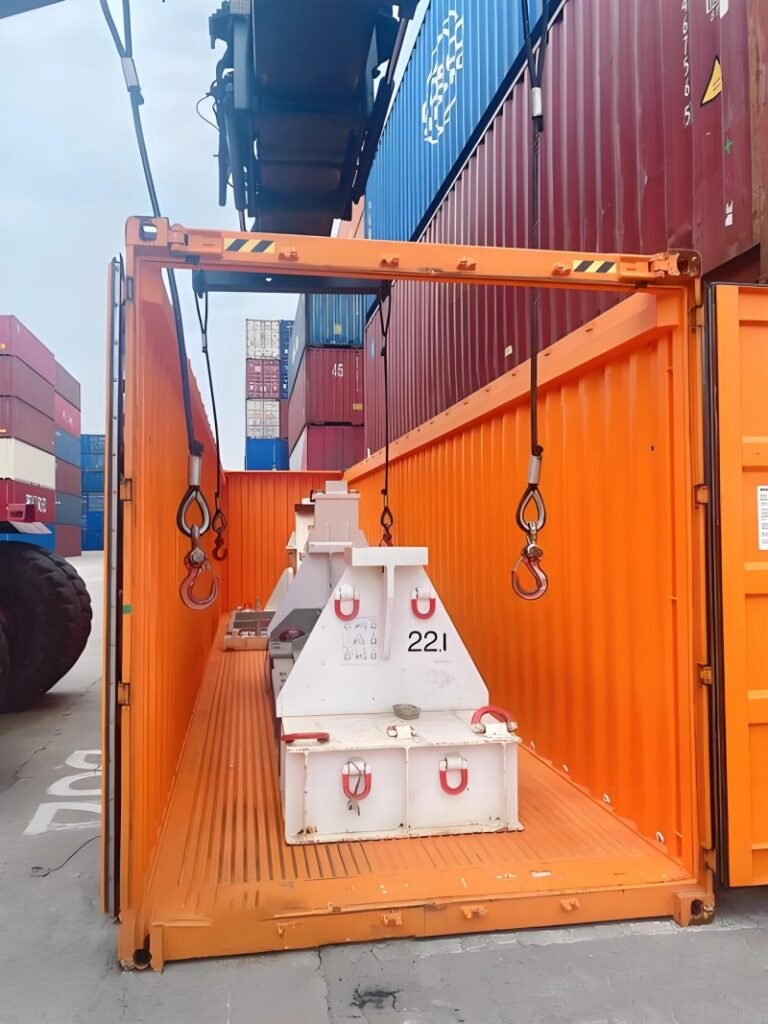
Oversized industrial equipment loaded on a Flat Rack container, showing the height and width of the cargo exceeding standard limits, requiring specialized handling and route planning.
Uncategorized

Cost Comparison: Flat Rack vs Open Top for Oversized Cargo

Flat rack and open top containers are commonly used for transporting oversized cargo, but they differ in structure, loading method, and cost. Choosing the right container type can significantly affect shipping efficiency and overall logistics expenses. This guide compares flat rack and open top containers, explaining their cost differences, advantages, and ideal use cases for oversized cargo transportation.

Logistics manager analyzing a route map and cargo specifications to optimize oversized shipping routes and reduce transportation costs.
Uncategorized

How to Reduce Oversized Cargo Transport Costs

Oversized cargo transportation can be expensive due to specialized containers, heavy lifting equipment, and complex logistics planning. However, careful planning and efficient cargo configuration can significantly reduce costs. This guide explains practical strategies for lowering oversized cargo transport expenses through route optimization, container selection, and improved logistics coordination.

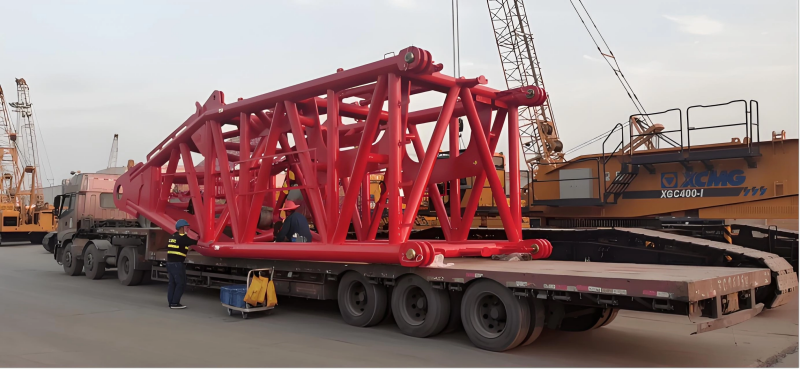
A massive red lattice boom section of a crawler crane being transported on a heavy-duty multi-axle low-bed trailer at a port facility, illustrating the logistics of moving oversized cargo that requires specialized equipment and route planning.
Uncategorized

Factors That Affect Oversized Cargo Shipping Costs

Oversized cargo shipping costs vary depending on several operational factors such as cargo size, weight, transport method, route restrictions, and handling requirements. Because oversized freight often requires specialized containers, heavy-lift equipment, and additional logistics planning, costs can differ significantly from standard shipping. This guide explains the key factors that influence oversized cargo transportation costs.

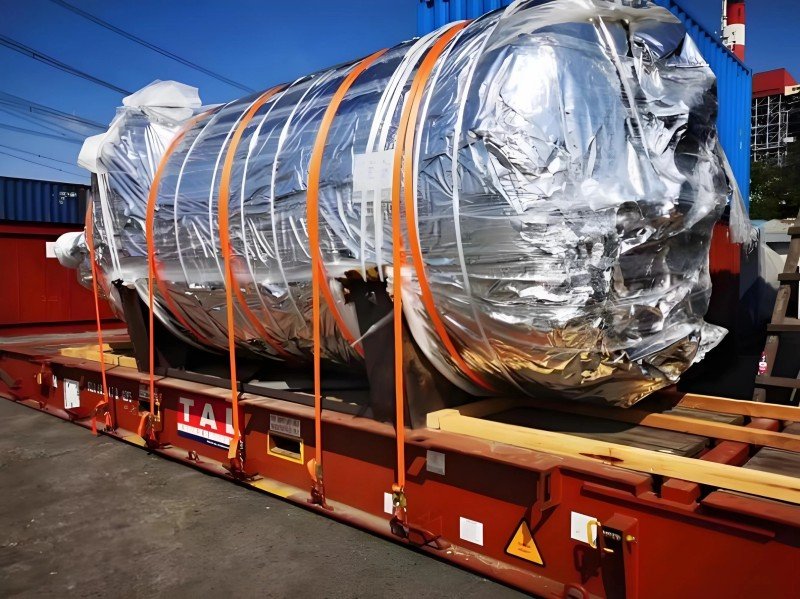
Weather Protection and Lashing of Oversized Tanks on Flat Rack Containers
Uncategorized

How Oversized Cargo Is Loaded and Secured on Flat Rack Containers

Flat rack containers are widely used for transporting oversized cargo such as heavy machinery and industrial equipment. Proper loading and securing procedures are essential to prevent cargo movement during sea transport. This guide explains how oversized cargo is positioned, lifted, secured, and protected on flat rack containers using professional lashing techniques and transport planning methods.

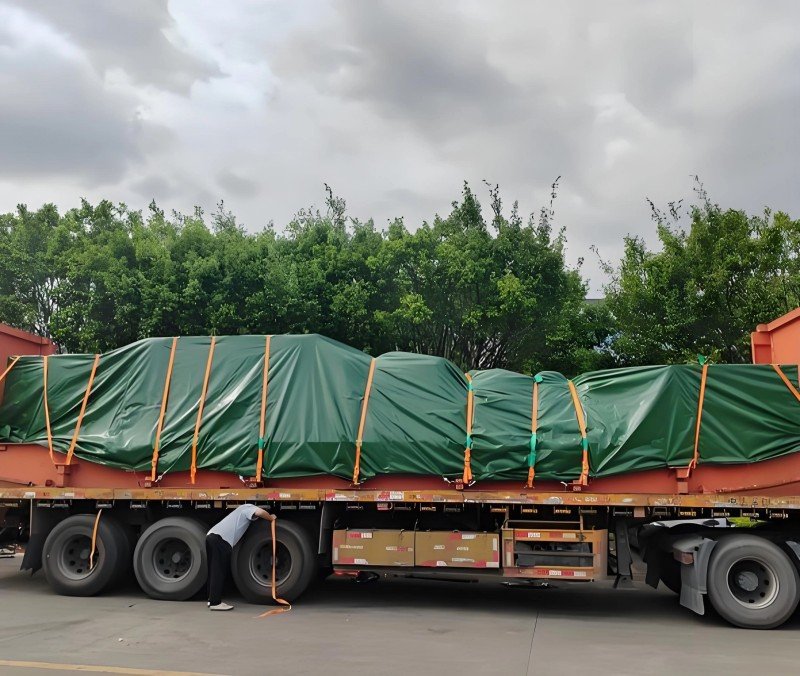
Large industrial equipment covered with green tarpaulin and strapped to a flatbed truck, demonstrating breakbulk shipping methods for oversized cargo that cannot fit in standard containers.
Uncategorized

Breakbulk vs Container Shipping for Oversized Cargo

Breakbulk shipping and container shipping are two common methods used to transport oversized cargo internationally. Container shipping often uses flat rack or open top containers, while breakbulk shipping allows cargo to be loaded directly onto vessels without container limits. This guide explains the differences, advantages, and key factors logistics planners consider when choosing between these transport methods.

Large wind turbine blades securely strapped onto a red flat rack container, illustrating the use of flat racks for transporting oversized renewable energy components.
Uncategorized

When Should You Use Flat Rack Containers for Oversized Cargo?

Flat rack containers are commonly used for transporting oversized cargo that exceeds the width or weight limits of standard containers. With open sides and strong platforms, they allow heavy machinery, vehicles, and industrial equipment to be securely loaded and transported. This guide explains when flat rack containers are the best option for oversized cargo shipping and what logistics factors should be considered.

滚动至顶部