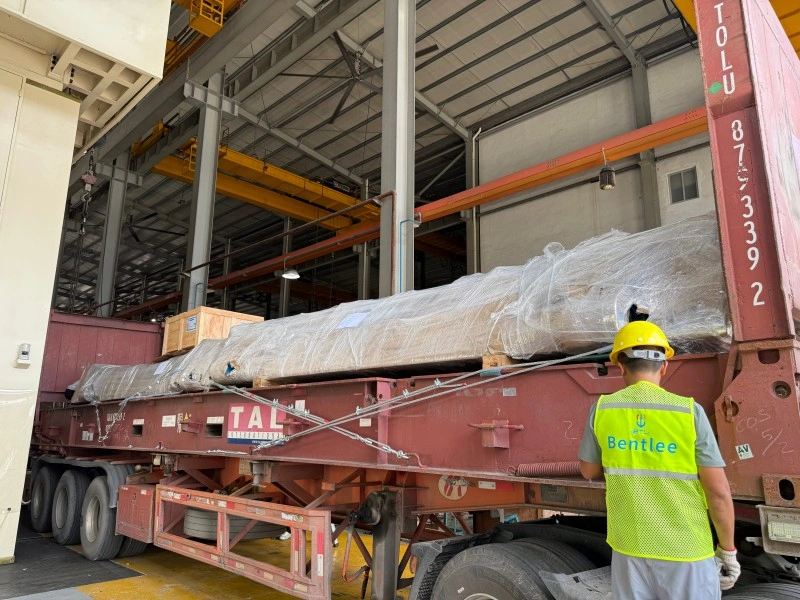
Ports impose specific restrictions on open top containers to ensure operational safety and vessel stability. This guide explains OOG dimensional limits, weight restrictions, approval procedures, and common causes of cargo delay to help exporters plan compliant shipments and minimize risks like demurrage or rejection.
Port restrictions for open top containers are not arbitrary—they are structured safety controls designed to protect vessel stability, terminal operations, and regulatory compliance. Open top containers carrying OOG cargo (out-of-gauge) receive additional scrutiny at ports worldwide. Terminal handling limitations vary significantly based on each port’s infrastructure, crane capabilities, yard layout, and local regulations. Non-compliance can quickly lead to cargo rejection, vessel rollovers, or expensive delays.
Many shippers assume that once a carrier accepts OOG cargo, port entry is guaranteed. In reality, terminal operators often apply independent restrictions based on equipment capacity and safety protocols. Port-approved open top container transport requires advance dimensional declaration, structural assessment, and terminal-specific approval—steps that demand careful coordination long before the cargo arrives at the gate.