
Open top containers are typically used on over-height cargo that is larger than the size of the standard dry containers- consider tall machinery, industrial devices or project cargo that requires top-loading to be loaded with a crane. The method of open top container booking is not unlike reserving space and gear as in a more basic 20 or 40 container, however, as it is a formalized approval process. It consists of comprehensive dimensional verification, OOG (Out-of-Gauge) declaration, carrier engineering verification and tight communication with terminals.
Most shippers would think it is as easy as making a reservation of regular equipment: register a booking request and receive a response. As a matter of fact, open top bookings necessitate prior validation since the cargo protrudes over the rails of the top of the container or because the cargo has specific Mishandling. The carriers and terminals demand exact information to provide stability of vessels, safe stowage, and international securing standards such as CSS Code.
The ability to book open top container successfully relies on dissemination of correct dimensional reporting, carrier involvement and full fulfillment of documentation. These use any of them incorrectly, and you face rejection, rebooking or delays at a high price.
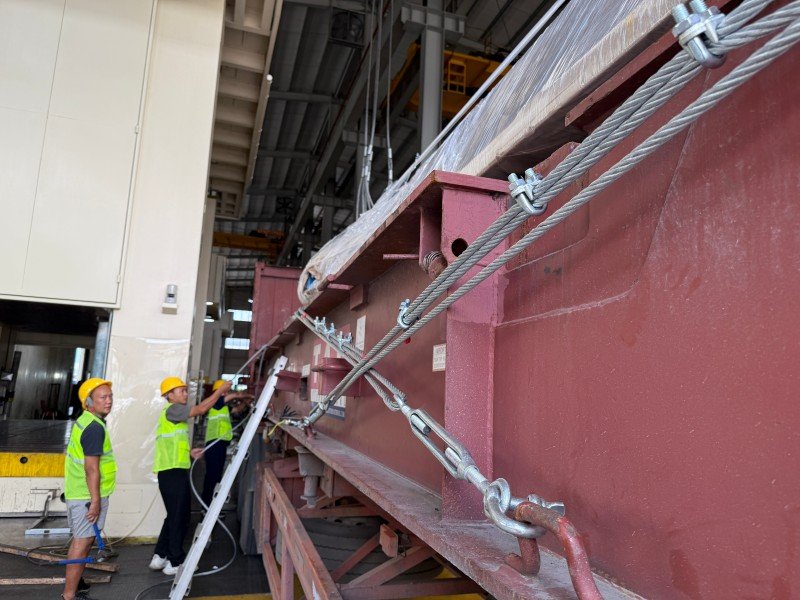
Step 1: Preliminary Cargo Assessment
Begin with in-person, in-depth assessment of cargo- it is what all the other bases are based on.
Take all important dimensions and record each dimension before approaching any carrier, or using a qualified surveyor. Incorrect data in this instance is the top cause of bookings being rejected in the future.
This checklist should address the basics:
| Assessment Item | Why It Matters |
| Total height (including any projections) | Determines OOG classification and whether it exceeds open top limits |
| Width and length | Affects vessel slot allocation and clearance on the ship |
| Gross weight | Critical for structural safety and vessel stability calculations |
| Center of gravity (COG) | Essential for stability planning; carriers often require it for heights over 3–4m |
| OOG projection above top rail | Defines how much the cargo overhangs and influences securing requirements |
Be sure to use calibration apparatus and maintain mechanical control – it may be only half an inch of error in height or COG, but on carrier inspection this will result in reclassification or even rejection.
Step 2: OOG Declaration and Documentation Submission
When measurements are fixed, make the complete OOG package ready and present it to the carriers who would not begin review without that.
The OOG declaration documents are not negotiable. Booking is immediately marked as OOG (or in-gauge and rejected when discrepancies occur).
The main documents are generally:
| Document | Purpose |
| OOG declaration form | Official carrier template for dimensional and projection details |
| Cargo sketches and dimension drawings | Provides visual for handling assessment and stowage planning |
| Securing and lashing plan | Engineered proposal (often by certified expert) for load stability |
| Dangerous goods declaration (if applicable) | Ensures regulatory compliance for hazardous elements |
| Commercial documents (invoice, packing list) | Supports customs and overall shipment integrity |
The use of professional open top container booking services will make sure that all the documentation, cargo sketches, and securing plans are duly prepared and handed over to the carrier. Such step will save weeks to the approval timeline alone as there will be no back-and-forth requests.
Step 3: Carrier Review and Approval
In the case of open top bookings, carriers do not consider them as regular reservation but rather as special cargo request.
Upon submission, the carrier or special cargo team of the carrier carries out a technical assessment. They cross vessel constraints: slots on the target sailing, stack weight limits, and total stability effect.
This phase often includes:
- Vessel stability (COG) analysis and projection of same.
- Allocation of slot (open tops are not always stackable underneath other containers)
- Approval with conditions, or requests to amend (e.g. new lashing plan or smaller size)
Carriers can reappear with requests of extra photos, new drawings or even a certified securing certificate. Getting the approval is not easy, it is subject to space, route feasibility and compliance.
Step 4: Terminal Coordination and Handling Confirmation
Carrier green light does not necessarily end the process and it might be further complicated with terminal approval.
TERMs check crane capacity, yard special handling area and any limitations on over height units or over width units. There are ports with an advance arrival notice (e.g. 72 or more hours) or a higher fee on a flip, special lift or escort.
Key points here:
- Crane reach and lift capacity test.
- Conditions in the yard (e.g. no stacking, special places).
- The equipment requirements or special handling charge.
- Loading window coordination.
Transshipment hubs have carrier decisions that are sometimes overridden by port-level rules.
Step 5: Equipment Release and Scheduling
Check at the depot, and arrange delivery so that you can fit it into your loading schedule. Arrange the crane booking in case they are to be top loaded, and fix the delivery window to the terminal.
Anything missed on this front may cause a failure to make the vessel cut-off–arrival after time may force the cargo to the next round.
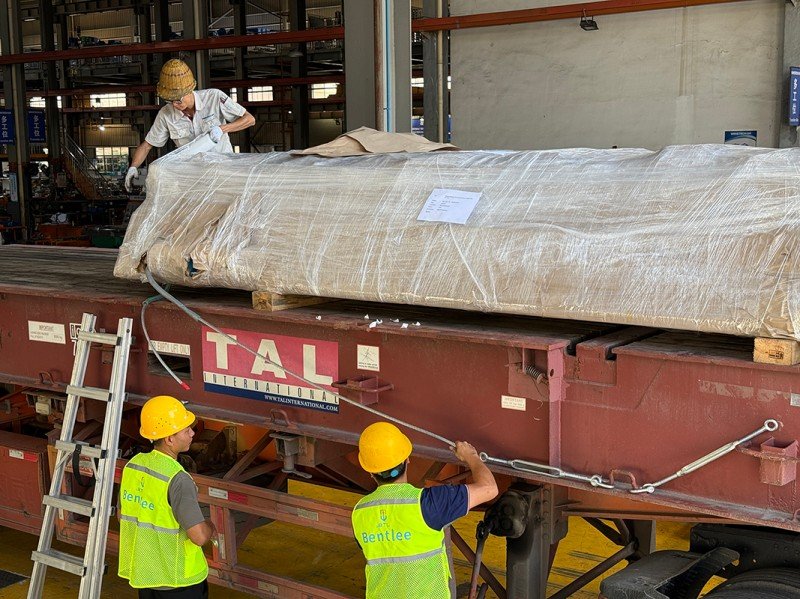
Common Reasons for Booking Rejection or Delay
Off years of experience in such shipments, there are the same kinds of problems arising and ruining schedules.
| Issue | Result |
| Incorrect or underreported height/projection | Immediate booking rejection or forced reclassification |
| Missing or incomplete drawings/sketches | Approval delay while waiting for resubmission |
| No engineered securing/lashing plan | Rejection until plan is provided and validated |
| Weight inconsistencies (declared vs actual) | Safety violation flag, potential rejection |
| Late submission of documents | Vessel rollover or missed cutoff |
Underreported dimensions are first in the list, as they are detected by the carriers on final inspections and they will not be promising to accept.
How to Accelerate the Open Top Booking Process
Early scheduling is the key in reducing the approval cycle taken by weeks down to days.
- Weigh cargo: do not wait till specs are made.
- Pre-books route related constraints with consult carriers or specialists.
- Get support ready (sketches, plans, photos).
- Elaborate adequately and recognize carrier inquiries speedily.
- Apply securing plans that are engineering-based initially.
The earlier you start the more time you can make changes without going off track with schedules.
Conclusion — Open Top Booking Is an Approval Process, Not a Reservation
Booking of the open top container operation is radical in comparison with the normal containers booking. It is based on the organized dimensional verification, OOG declaration, technical approval of carriers, and coordination of the terminal in ensuring a safe and compliant transportation of oversized or over-height cargo.
Honesty in reporting, excellent securing plans and early involvement go a long way in reducing delays and in the seamless running of the process. It is a multi-stage approval process and, when handled as such, will help you to avoid the most frequent traps that can involve even an experienced shipper.