Vacuum Packing
Services for
Export Cargo
Professional vacuum packing for industrial machinery, metal components, and project cargo. Designed to reduce moisture exposure and protect your shipment from origin to destination.
Industrial-Grade Vacuum
Packing for Export Shipments
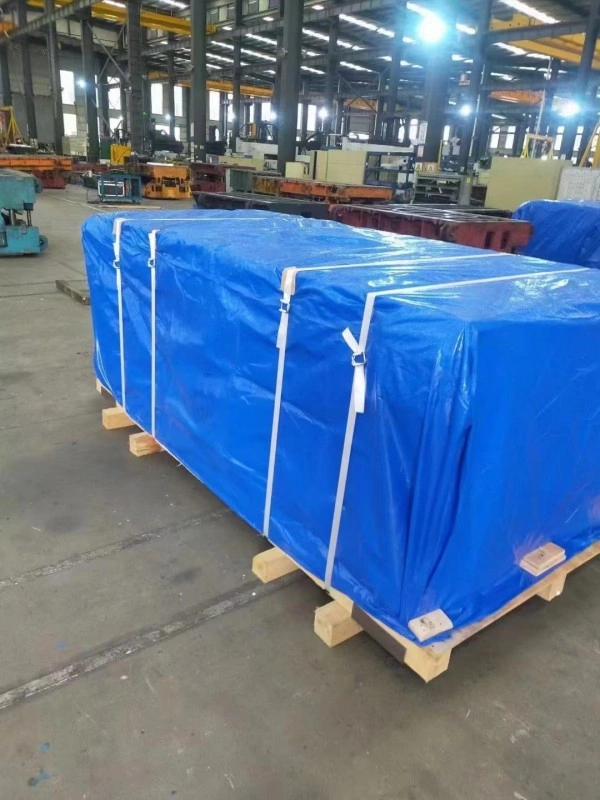
Bentlee provides professional vacuum packing services for export cargo, industrial machinery, metal parts, electrical equipment, and project cargo requiring long-distance or multi-modal shipment. The service is structured around practical protection—reducing humidity exposure, limiting corrosion risk, and preparing cargo for the demands of international transit.
Each packing plan is assessed on a per-cargo basis, taking into account the equipment type, shipment route, transit duration, and handling conditions. Where vacuum sealing alone is insufficient, we combine it with barrier materials, VCI protection, or structural crating to meet the protection requirements of your specific shipment.
What We Protect
Our vacuum packing service covers a wide range of cargo types — from precision components to oversized project equipment.
Industrial Machinery
Manufacturing equipment, processing machines, and heavy industrial units with moisture-sensitive surfaces or mechanisms.
Metal Parts & Components
Machined parts, structural steel, and fabricated components susceptible to oxidation or surface corrosion during transit.
Electrical & Control Equipment
Control panels, switchgear, transformers, and electronic assemblies that require humidity-controlled packaging conditions.
Oversized & Project Cargo
Large-format equipment where standard container packing is not applicable and open-top or flat-rack transit is required.
Long-Transit Export Shipments
Cargo travelling extended shipping routes with multiple handling points, port transfers, or seasonal weather exposure.
Precision Parts
High-tolerance components or spare parts where surface condition at delivery directly affects installation and function.
Why Vacuum Packing Matters for Export Cargo
Industrial equipment and metal cargo are particularly vulnerable during international transit. Extended shipping times, port storage, temperature fluctuations, and handling at multiple points all contribute to moisture accumulation—leading to corrosion, oxidation, and surface damage that may only become visible on arrival.
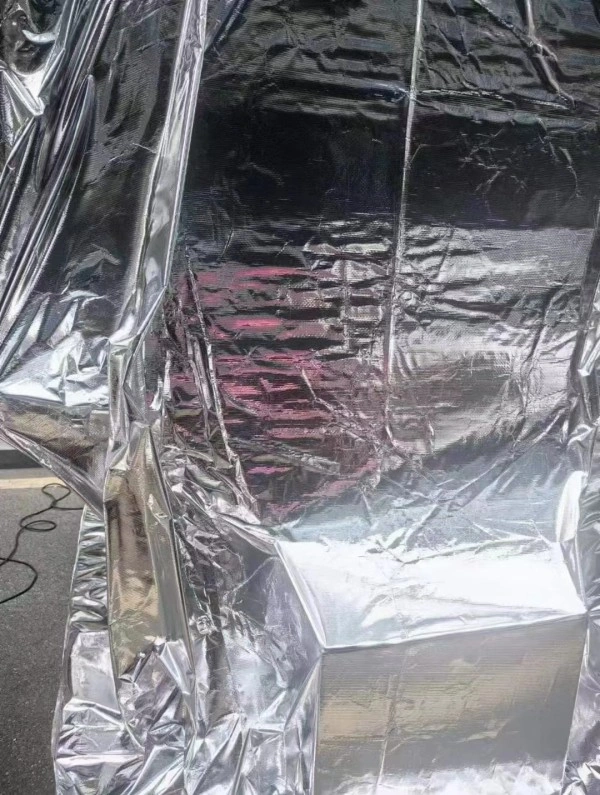
Vacuum packing creates a sealed, low-humidity environment around the cargo, reducing the conditions that accelerate deterioration. When paired with VCI materials or moisture-absorbing agents, the protection extends through the full duration of the shipment, regardless of route or transit time.
Moisture Barrier Protection
Sealed barrier packaging significantly limits humidity ingress during storage and ocean transit, reducing the primary cause of corrosion on metal cargo.
Corrosion Risk Reduction
Removing trapped air reduces the oxygen available for oxidation reactions, extending the surface condition of machined parts and structural components.
Export Readiness
Properly vacuum-packed cargo is prepared for multi-modal handling, customs inspection, and extended port dwell without requiring additional intervention.
Long-Transit Reliability
For shipments exceeding 30 days at sea or travelling through humid climate zones, vacuum sealing provides sustained protection that surface coatings alone cannot guarantee.
Our Vacuum Packing Process
A structured five-step process ensures every shipment is assessed, prepared, and packed to the appropriate protection standard before loading.
Cargo Assessment
We evaluate the cargo type, dimensions, material composition, transit route, and destination climate to determine the appropriate protection specification.
Surface Preparation
Exposed metal surfaces are cleaned and treated as needed before packing begins. Any contamination or moisture present at this stage can compromise the effectiveness of the seal.
Barrier Protection Setup
We install the appropriate barrier film and, where specified, place VCI-treated materials or desiccant packs inside the package before sealing.
Vacuum Sealing
Air is evacuated from the sealed barrier using industrial vacuum equipment. The final package is inspected for seal integrity before any further handling.
Export Readiness
Packed cargo is labelled, documented, and prepared for loading onto the transport unit — whether flat rack, open top, or standard container — in coordination with the overall shipment plan.
Vacuum Packing as Part of an Integrated Logistics Plan
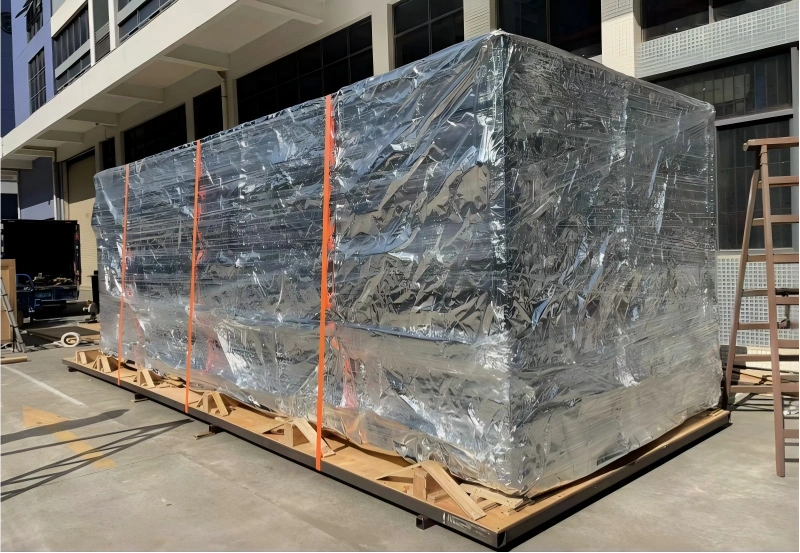
Bentlee is an OOG logistics specialist. Our vacuum packing service is not offered in isolation — it is integrated with cargo handling, container selection, load planning, and route coordination. This means your cargo is protected and planned from the point of packing through to delivery.
Our technical team has hands-on experience with oversized and industrial cargo, and we work directly with clients to build packing plans that match the specific requirements of each project — rather than applying a standard template to every shipment.
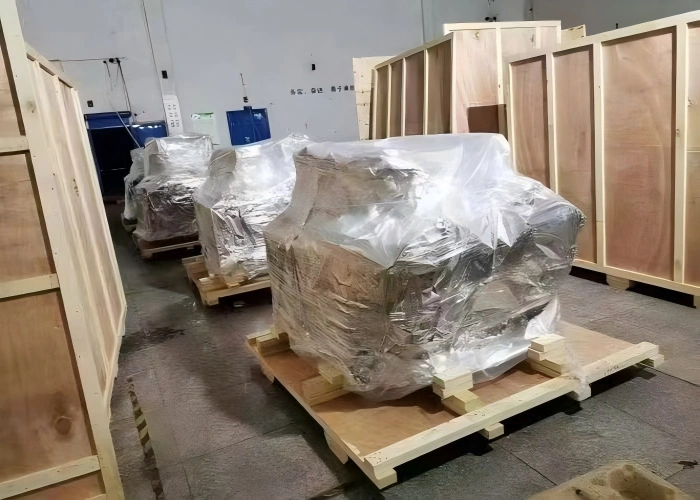
Common Vacuum Packing Applications
Our vacuum packing service is deployed across a range of cargo categories and industry sectors in export logistics.
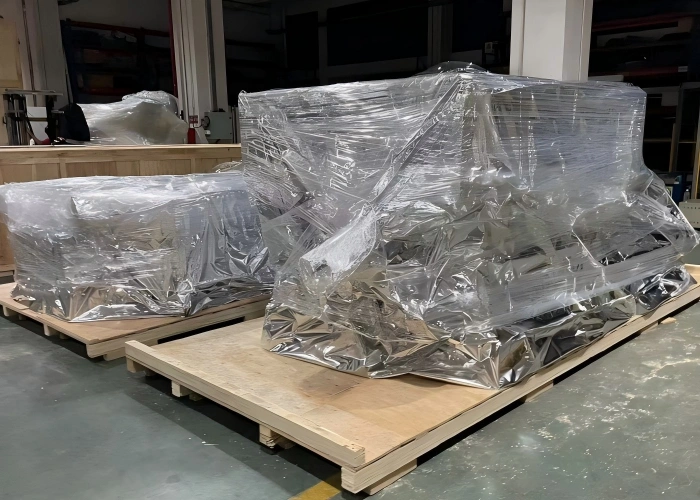
Vacuum Packing for Machinery Export
Industrial machines and production equipment exported from manufacturing facilities often require vacuum packing for ocean freight, particularly when the transit involves humidity-prone shipping lanes or extended journey times.
Vacuum Packing for Metal Parts
Machined components, fabricated parts, and structural steel elements are commonly vacuum-packed to prevent surface oxidation during ocean transit and port storage. The service is particularly relevant for parts with precision-machined surfaces.
Vacuum Packing for Electrical Equipment
Control systems, switchgear, drive units, and other electrical assemblies often require sealed packaging for export, both to protect internal components and to meet receiving-country import condition requirements.
Vacuum Packing for Oversized Cargo
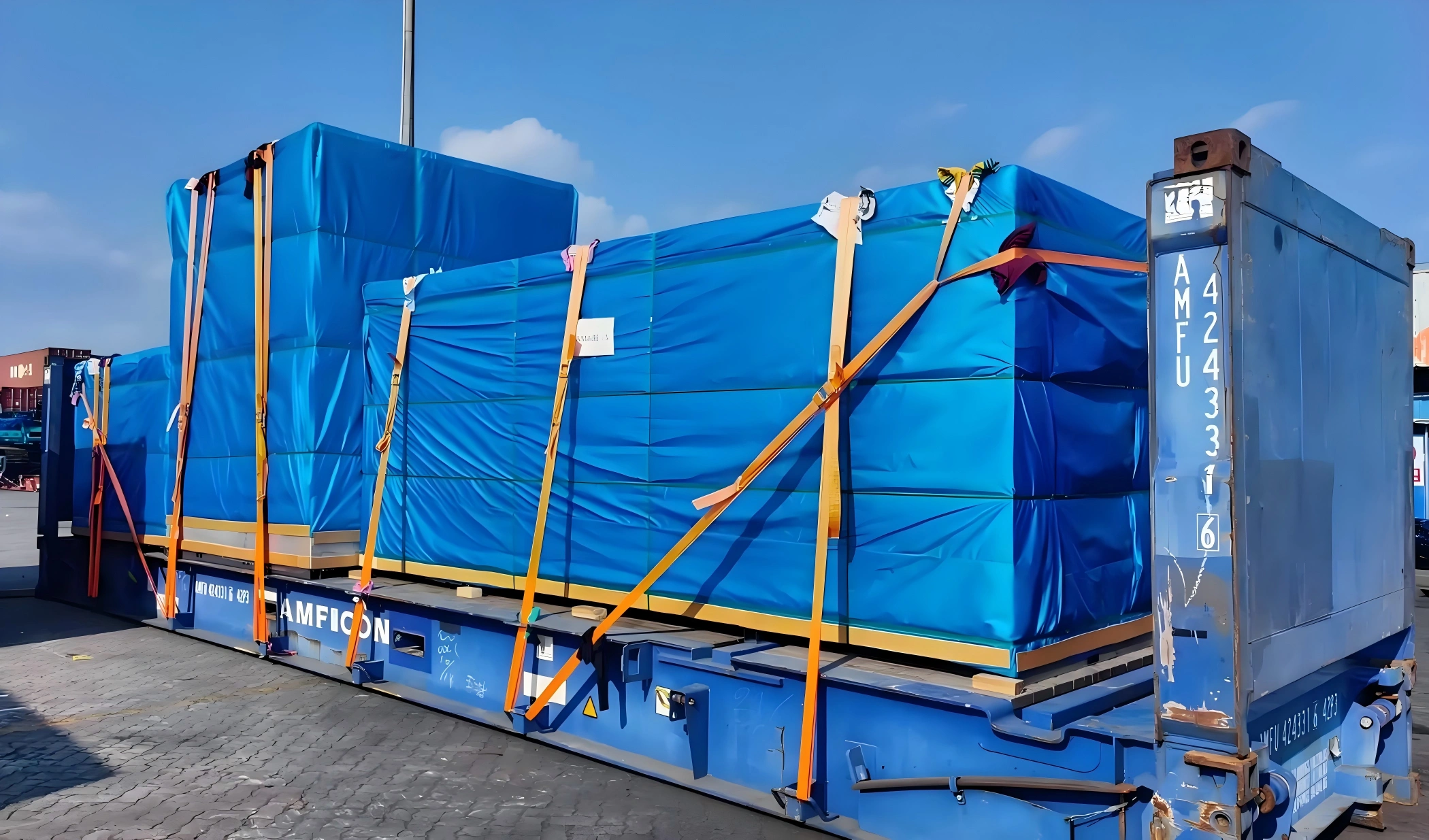
OOG cargo transported on flat racks or open-top containers is exposed to the elements during transit. Vacuum packing individual components or accessible sections adds a layer of protection where conventional container sealing is not possible.
Protection Features & Service Scope
Our vacuum packing service incorporates multiple protective methods depending on cargo type and shipment requirements. The following features are available as part of our packing scope.
-
Moisture Barrier Packing
Industrial-grade barrier film applied to seal the cargo from ambient humidity during transit and storage.
-
Vacuum Sealing
Air is mechanically evacuated from the sealed package to create a controlled low-humidity environment around the cargo.
-
VCI-Assisted Corrosion Protection
Volatile Corrosion Inhibitor materials are placed inside the package where metal cargo requires additional corrosion protection beyond the vacuum seal alone.
-
On-Site or Coordinated Packing Support
Packing can be carried out at the cargo origin, at a logistics facility, or coordinated alongside container loading and transport preparation.
-
Long-Distance Shipping Preparation
Packing specifications are assessed based on transit duration and route, ensuring protection holds across multi-leg journeys and extended at-sea periods.
-
Combined Protective Methods
Where vacuum sealing alone is insufficient, we combine it with crating, dunnage, strapping, or additional barrier layers to meet the full protection requirement.
Frequently Asked Questions
Common questions about our vacuum packing service, coverage, and how it integrates with export shipment planning.
Vacuum packing is a protective packaging method that removes excess air from a sealed barrier package to help reduce humidity exposure and improve protection during storage and international shipping.
It is commonly used for machinery, metal parts, electrical equipment, and other cargo that may be affected by moisture, oxidation, corrosion, or long transit times.
Yes. Vacuum packing can reduce moisture exposure, and it is often paired with VCI packaging or barrier materials to improve corrosion protection for metal cargo.
In many cases, yes. Suitability depends on the cargo dimensions, handling method, and transport requirements. It is commonly considered for project cargo and selected oversized equipment.
Yes. Vacuum packing is often used together with moisture barrier materials, VCI protection, crating, or additional export packaging depending on the cargo and route conditions.
Bentlee can provide on-site or coordinated support for export cargo projects where the packing method needs to match cargo handling and shipment preparation requirements.
Ready to Protect Your Export Cargo?
Share your cargo dimensions, destination port, and shipping timeline with our team. We will assess the protection requirement and recommend a packing plan that fits your shipment and budget.