
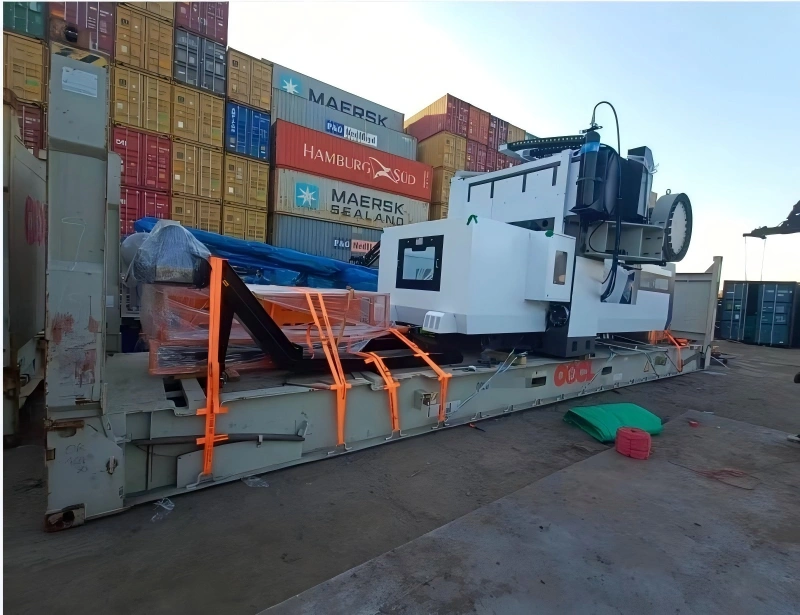
Flat Rack Container Shipping for Heavy Industrial Pumps and Compressors
Heavy industrial pumps and compressors often require flat rack container shipping when their size, weight, skid base, or packaging exceeds standard container limits. This guide ...
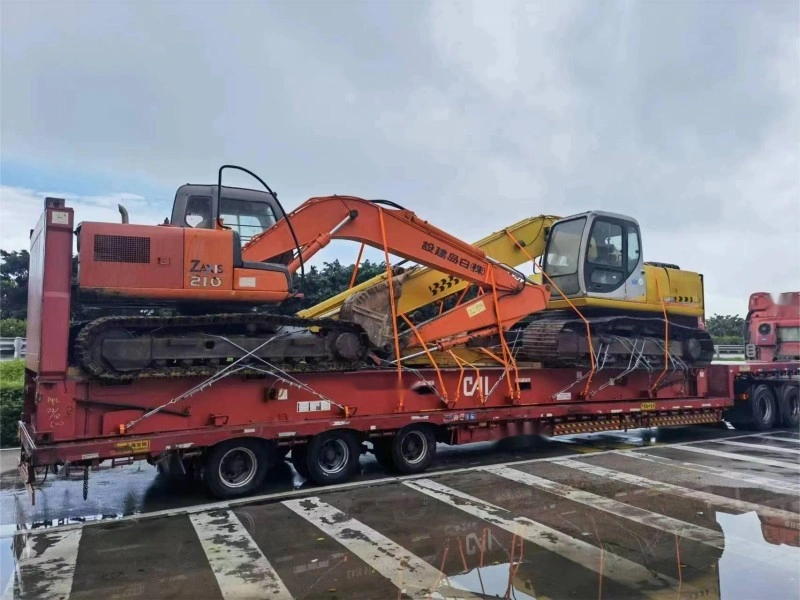
Flat Rack Cargo Handling Training: Reducing Damage Risks During Loading and Unloading
Flat rack cargo is often oversized, heavy, irregular, or exposed, making handling training essential during loading and unloading. This guide explains how trained teams reduce ...
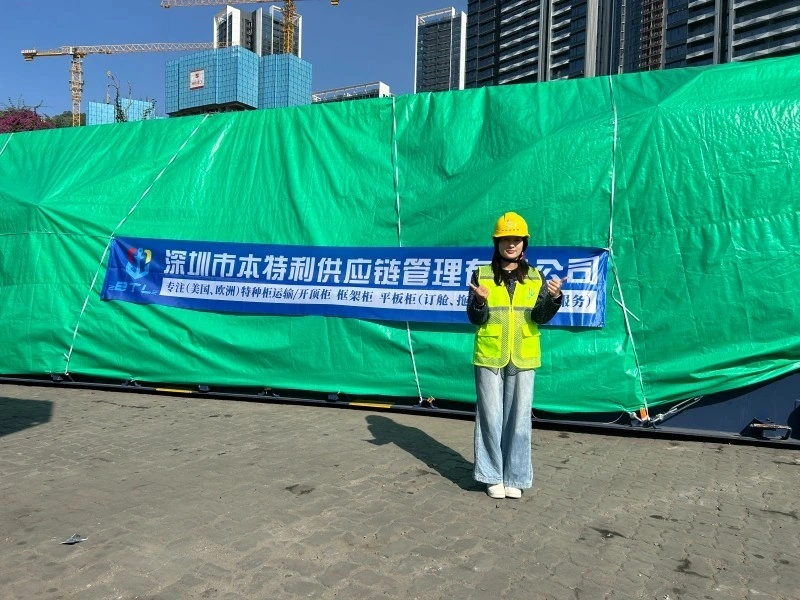
How to Combine Wooden Crates and Flat Rack Containers for Maximum Protection
Wooden crates can add important protection when oversized or high-value cargo is shipped on flat rack containers. This guide explains when to combine wooden crates ...
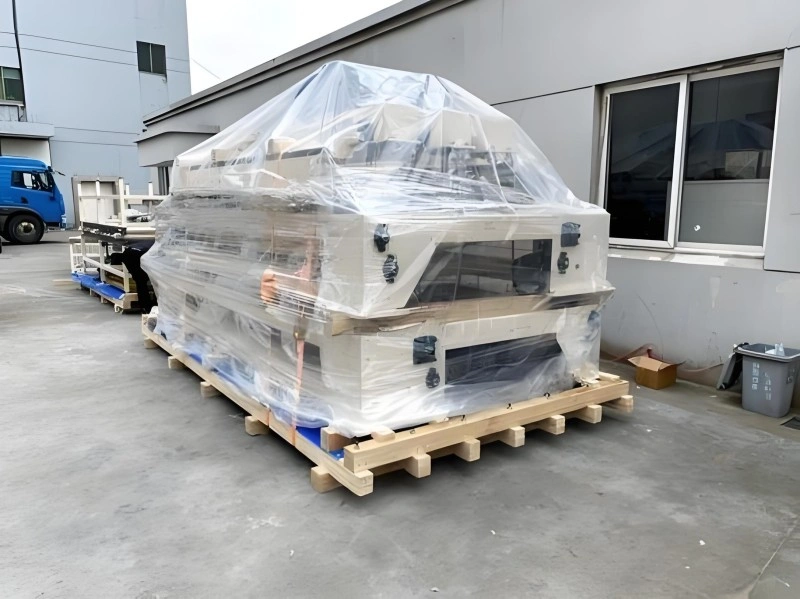
Environmental Benefits of Vacuum Packing: Reducing Waste and Shipping Risks
Vacuum packing can support more responsible export cargo protection by reducing moisture damage, corrosion, contamination, repacking, and replacement waste. This guide explains how vacuum packing ...
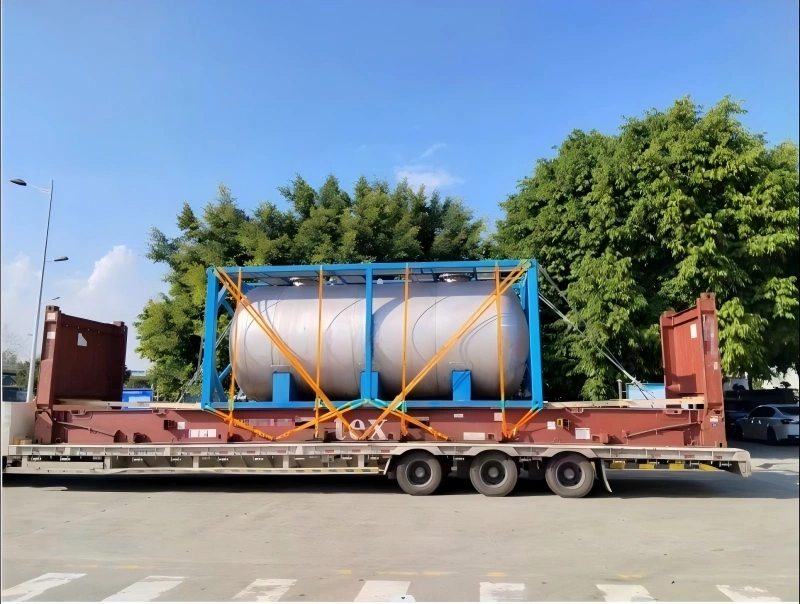
Flat Rack Container Shipping for Large-Scale Oil & Gas Equipment
Large-scale oil & gas equipment often requires flat rack container shipping when skids, pumps, compressors, pressure vessels, pipe spools, or modular units exceed standard container ...
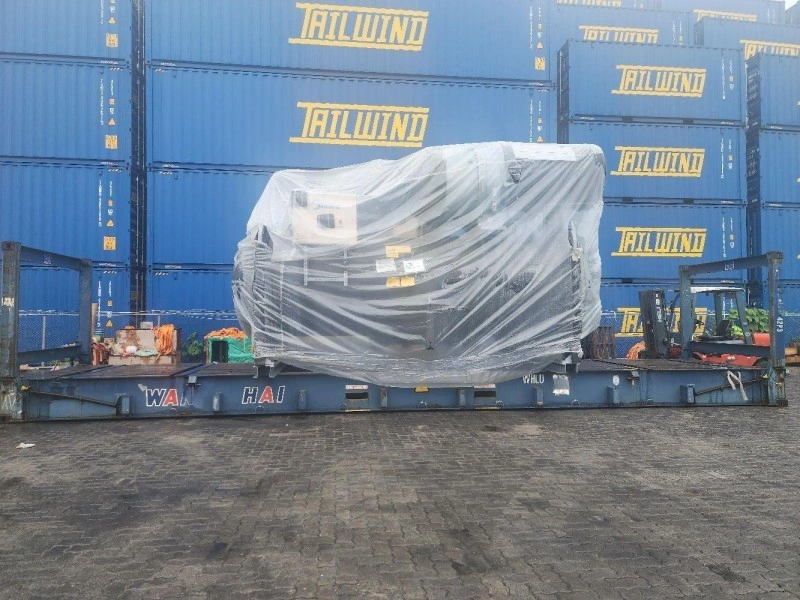
Cost Optimization Strategies for Flat Rack Container Projects
Flat rack container project costs depend on cargo dimensions, weight, route, equipment availability, OOG booking, lifting, lashing, protection, permits, and delivery schedule. This guide explains ...
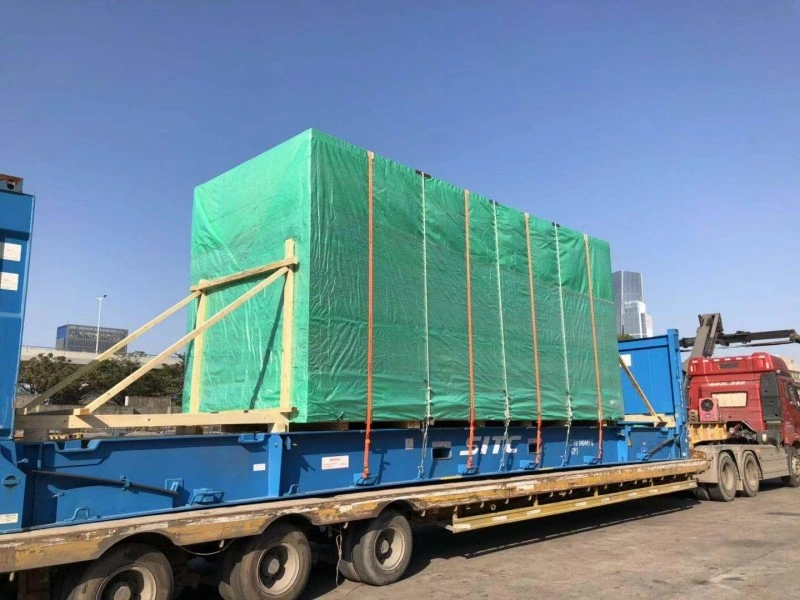
How to Protect Expensive Industrial Equipment from Corrosion During Flat Rack Shipping
Industrial equipment shipped on flat rack containers is exposed to rain, humidity, salt air, sea spray, and temperature changes, making corrosion protection essential. This guide ...
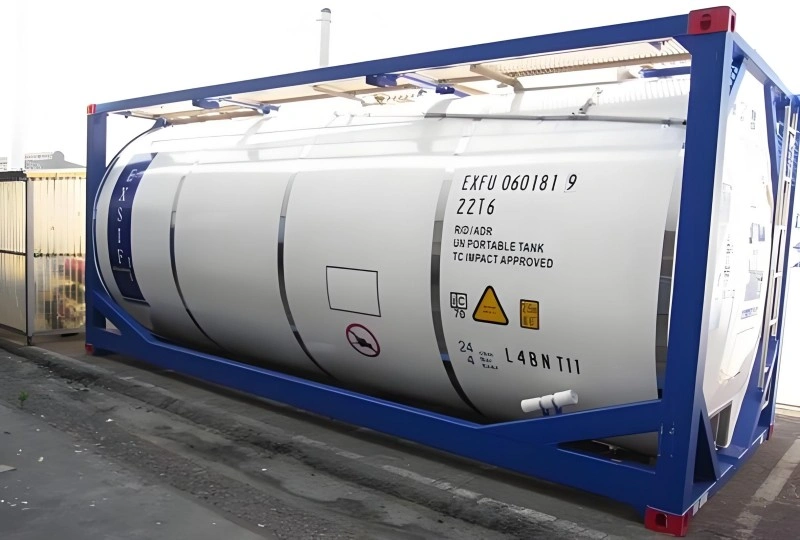
How to Safely Transport Hazardous Chemicals Over Long Distances
Transporting hazardous chemicals over long distances requires careful planning, proper container selection, and compliance with international safety regulations. This guide explains risk mitigation, documentation, emergency ...
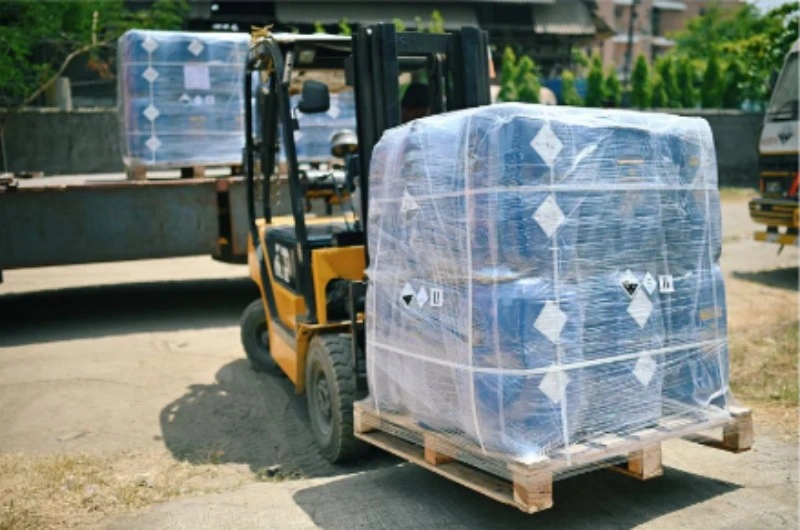
Vacuum Packing Maintenance Tips: Ensuring Seals Stay Intact Until Delivery
Vacuum packing seal integrity is critical for protecting export cargo from moisture, dust, corrosion, and contamination. This guide explains how seal failures happen, what warehouse ...
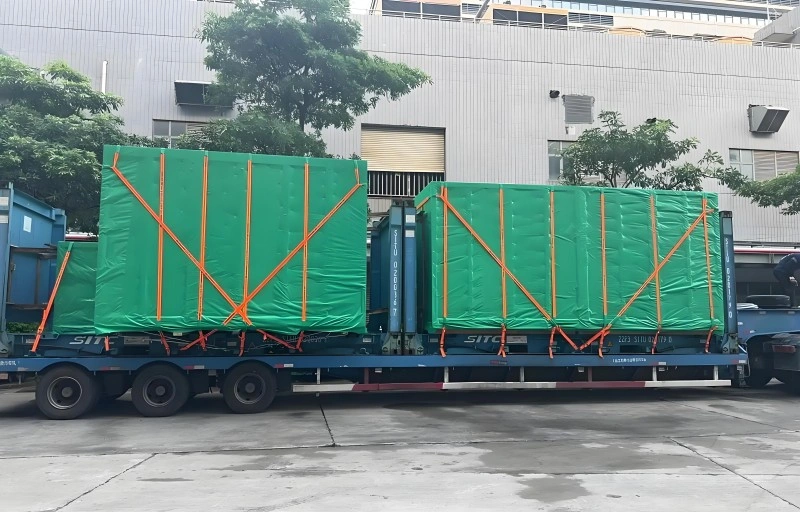
Step-by-Step Guide: Vacuum Packing Large Machinery for Sea Freight
Vacuum packing large machinery for sea freight requires more than sealing equipment in protective film. This guide explains each step, from cargo inspection and surface ...
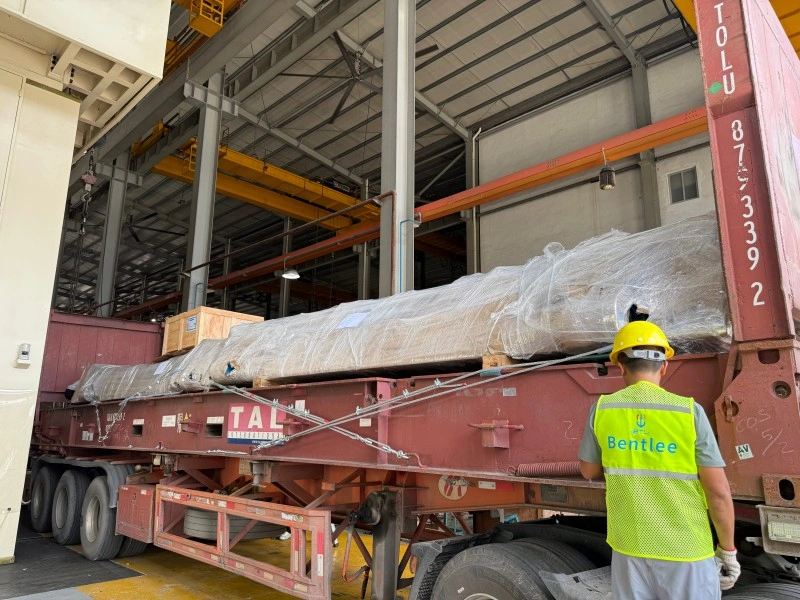
China to USA Automotive Stamping Die Shipping (DDP): Complete Guide to Cost, Process, and Customs
Discover the complete workflow for shipping automotive stamping dies from China to the USA under DDP terms. This guide covers cost structures, tariff risks (Section ...
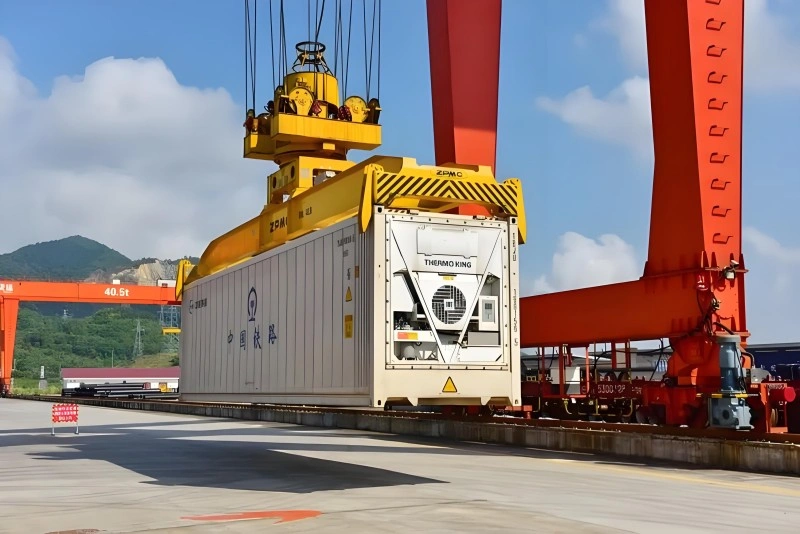
Common Mistakes in Cold Chain Logistics and How to Avoid Them
Cold chain logistics failures are often caused by poor planning, incorrect temperature settings, loading mistakes, and inadequate monitoring. This article explains the most common cold ...