
The first step in preventing corrosion from heavy equipment shipping is to realize that long-term storage and shipping are continuous threats to oversized equipment, due to moisture, salt spray, temperature fluctuations and handling damage. Heavy equipment is not transported by standard cargo trailers, but rather by flat racks, open tops, low bed trailers or breakbulk vessels, making the need for complete enclosure difficult and necessitating special protection from the time the equipment is removed from the factory.
Corrosion prevention is an important process in logistics risk management for industrial exporters and project teams. It’s a blend of preparation, high-tech moisture barriers, anti-rust treatments, tight packaging and continuous monitoring instead of the standard tarp or plastic wrap. These measures can do a lot to prevent damage, expensive repairs and delivery disputes when implemented properly.
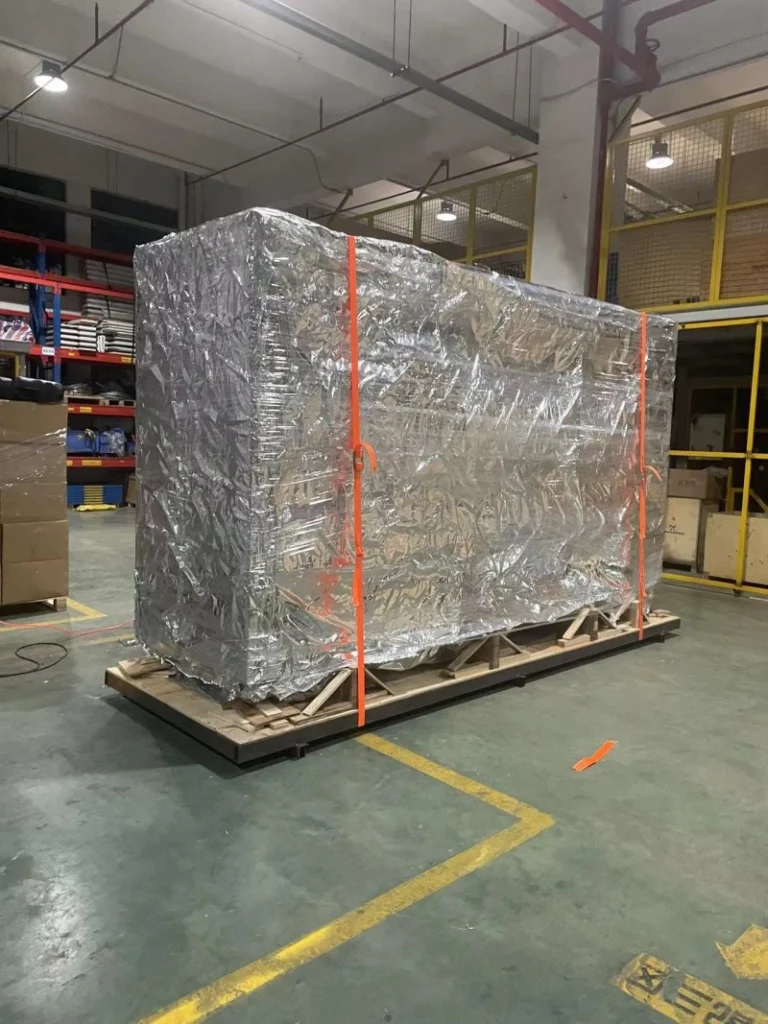
Why Heavy Equipment Is Vulnerable to Corrosion During Storage and Shipping
The combination of OOG transport environment, precision components, and large exposed surface area of heavy equipment results in higher risk of corrosion. Machined metal components, hydraulic systems, electrical components and moving parts are common elements found on many machines, and can rapidly fail if moisture gets in.
| Equipment Area | Corrosion or Rust Risk |
| Exposed Steel Surfaces | Surface rust, staining, and long-term material deterioration |
| Machined Surfaces | Dimensional accuracy and assembly fit may be affected |
| Bearings and Moving Parts | Rust can cause friction, noise, or operational failure |
| Hydraulic Components | Moisture and contamination may affect seals, hoses, and fittings |
| Electrical Cabinets | Condensation may damage wiring, terminals, and control systems |
| Fasteners and Bolts | Rust can make installation, removal, or adjustment difficult |
| Painted Surfaces | Scratches or damaged coating expose metal underneath |
| Wooden Crates or Covers | Poor ventilation may trap moisture inside packaging |
Main Causes of Corrosion in Long-Term Equipment Transport
Corrosion in heavy equipment is usually the product of moisture, oxygen, salt and extended periods of storage or transportation under sub-optimal conditions.
| Corrosion Cause | How It Damages Heavy Equipment |
| Humidity | Allows moisture to remain on metal surfaces for long periods |
| Salt Spray | Accelerates corrosion during sea freight and port storage |
| Rain Exposure | Causes direct water contact and pooling on equipment surfaces |
| Condensation | Forms inside packaging when temperature changes |
| Poor Ventilation | Traps moisture and slows drying |
| Wet Packaging Materials | Transfers moisture to cargo surfaces |
| Damaged Covers | Allows water to enter during handling or transport |
| Long Storage Time | Increases exposure duration and rust probability |
| Dirty Surfaces | Oil, dust, or residues may trap moisture and contaminants |
| Temperature Changes | Increase condensation risk inside sealed packaging |
How to Assess Corrosion Risk Before Shipping Heavy Equipment
To prevent rust on your shipment, a comprehensive risk assessment of your shipment needs to be conducted before deciding on packaging methods. This will assure protection that is similar to what your cargo will experience in reality.
| Risk Assessment Factor | Why It Matters |
| Equipment Material | Steel, cast iron, aluminum, painted surfaces, and coatings have different risks |
| Sensitive Components | Bearings, machined surfaces, electronics, and hydraulic parts need extra care |
| Storage Duration | Longer storage requires stronger moisture control |
| Transport Mode | Flat rack, open top, and breakbulk expose cargo more than enclosed containers |
| Ocean Route | Sea air and salt spray increase corrosion risk |
| Port Dwell Time | Cargo may remain outdoors before loading or after discharge |
| Destination Climate | Tropical, coastal, or humid regions increase rust risk |
| Season | Rainy seasons, typhoons, snow, or heat affect protection needs |
| Handling Frequency | More handling increases risk of cover damage or coating scratches |
Common Anti-Rust Protection Methods for Heavy Equipment
For oversized machinery exposed to long storage periods, open-deck transport, humidity, or sea air, OOG cargo protection solutions should be planned together with route design, packaging, and handling requirements. Equipment type, length and exposure levels will determine the best approach to take.
| Protection Method | Best Used For | Key Consideration |
| Cleaning and Drying | All equipment before packing | Dirt and moisture should be removed before sealing |
| Anti-Rust Oil / Coating | Machined surfaces, bolts, exposed metal | Must be compatible with later use or cleaning |
| VCI Film / Paper | Metal parts and enclosed packaging | Works best in controlled enclosed spaces |
| Moisture Barrier Bag | Long-term storage and sea freight | Requires proper sealing and desiccant calculation |
| Vacuum Sealing | High-value or moisture-sensitive machinery | Must consider sharp edges and inspection needs |
| Desiccants | Enclosed crates, bags, or sealed packaging | Quantity should match volume and exposure duration |
| Wooden Crate | Equipment needing physical protection | Wood treatment and ventilation should be considered |
| Tarpaulin Cover | Outdoor storage or open transport | Must be secured and checked for water pooling |
| Shrink Wrapping | Short- to medium-term dust and moisture protection | Can trap condensation if not designed properly |
Moisture Control: Why Desiccants, Barriers, and Sealing Matter
External covers may be more important than moisture control, but internal condensation can occur when equipment seems to be protected from moisture.
| Moisture Control Measure | Practical Purpose |
| Moisture Barrier Film | Blocks external humidity from entering the package |
| Vacuum Sealing | Reduces air and moisture exposure around equipment |
| Desiccants | Absorb remaining moisture inside sealed packaging |
| Humidity Indicator | Shows whether moisture level remains controlled |
| VCI Materials | Release corrosion-inhibiting vapor in enclosed spaces |
| Proper Sealing | Prevents humid air from entering during storage and transport |
| Inspection Window | Allows checking without fully opening packaging |
| Dry Packing Environment | Prevents moisture from being trapped before sealing |
Rust Prevention for Flat Rack, Open Top, and Breakbulk Shipments
Each type of OOG shipping has its own issues of corrosion and requires specific protection approaches.
Shipping Method
| Shipping Method | Corrosion Risk | Protection Focus |
| Flat Rack | High exposure to rain, sea spray, and wind | Strong covering, anti-rust coating, sealed packaging, drainage |
| Open Top Container | Top exposure if cover is damaged or removed | Tarpaulin quality, water drainage, moisture barriers |
| Breakbulk | Direct exposure during handling and stowage | Heavy-duty packaging, lifting protection, weather planning |
| Lowbed Trailer | Road rain, dust, mud, and temperature changes | Secure covering, surface coating, route weather review |
| Heavy Lift Shipping | Long exposure and specialized handling | Engineered protection, inspection, and lifting-area protection |
How Storage Conditions Affect Corrosion Before and After Shipping
Rust issues often take place not just while the equipment is at sea, but also during pre-shipment and/or post-arrival storage, particularly when heavy equipment is stored outdoors in yards.
| Storage Condition | Corrosion Risk | Recommended Control |
| Outdoor Factory Yard | Rain, dust, temperature changes | Raised supports, tarpaulin, inspection schedule |
| Port Yard | Salt air, humidity, handling exposure | Anti-rust packaging and minimized dwell time |
| Coastal Storage | High salt and moisture exposure | Strong moisture barrier and corrosion inhibitor |
| Open Ground Storage | Ground moisture and water pooling | Use pallets, blocks, or steel supports |
| Long-Term Covered Storage | Condensation if ventilation is poor | Humidity monitoring and desiccants |
| Destination Waiting Time | Protection may degrade after long transit | Re-inspection before final delivery |
Inspection Checklist Before Heavy Equipment Shipment
In a detailed pre-shipment inspection, all suggested measures for corrosion prevention are checked for completeness, and the packaging has not led to hidden dangers.
| Inspection Item | What to Confirm |
| Surface Condition | Equipment is clean, dry, and free from visible moisture |
| Anti-Rust Treatment | Exposed metal and machined surfaces are protected |
| Sensitive Components | Bearings, motors, controls, and hydraulic parts are covered or sealed |
| Electrical Cabinets | Openings, terminals, and control panels are protected from moisture |
| Moisture Barrier | Film or sealing is intact and properly closed |
| Desiccants | Quantity and placement match packaging volume and duration |
| Tarpaulin / Cover | Cover is tight, secured, and designed to prevent water pooling |
| Drainage | Packaging does not trap water at low points |
| Photos | Condition and protection are documented before shipment |
| Access Points | Lifting and lashing points remain accessible and safe |
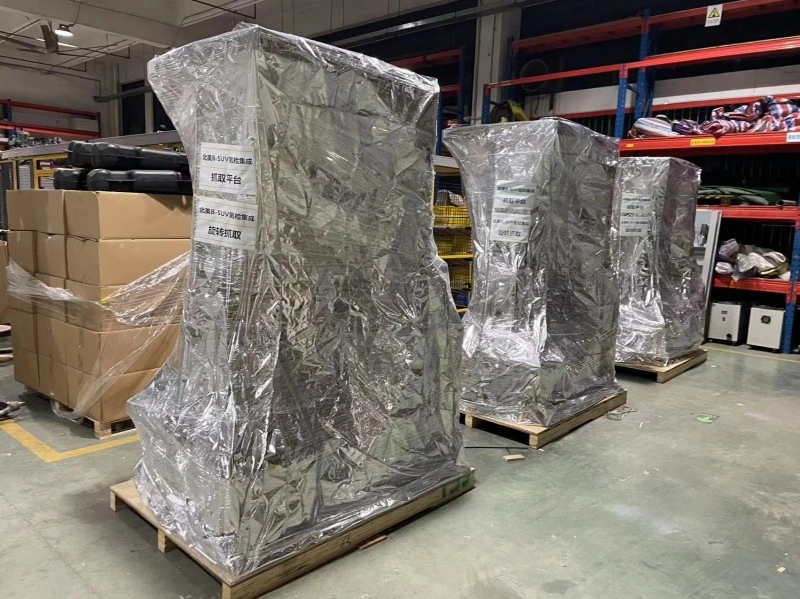
Common Mistakes That Increase Rust Risk
It’s easy for even the most seasoned teams to overlook details that can greatly increase the chances of corrosion when storing and transporting heavy equipment.
| Mistake | Possible Consequence |
| Packing Wet Equipment | Moisture becomes trapped and accelerates rust |
| Plastic Wrap Without Desiccants | Condensation may form inside the package |
| No Anti-Rust Coating | Exposed metal surfaces may corrode during transit |
| Poor Tarpaulin Design | Water may pool, leak, or tear during handling |
| Wet Wooden Packaging | Moisture transfers from crate to equipment |
| Long Outdoor Storage | Exposure time increases corrosion risk |
| No Inspection Photos | Condition disputes become harder to resolve |
| Covered Lashing Points | Loading team may damage protection during securing |
How to Choose the Right Rust Prevention Plan
These factors are crucial to consider when determining which corrosion protection product is the right choice for your heavy machinery shipping project.
| Shipment Condition | Suggested Protection Level |
| Short Inland Transport | Basic cover, cleaning, and exposed metal protection |
| Long Ocean Shipping | Anti-rust coating, moisture barrier, desiccants, and sealed packaging |
| Flat Rack Shipment | Heavy-duty covering, VCI protection, drainage, and inspection |
| Precision Machinery | Vacuum sealing, humidity control, shock protection, and detailed records |
| Coastal or Tropical Destination | Strong moisture barrier and corrosion inhibitor |
| Long-Term Outdoor Storage | Raised support, tarpaulin, periodic inspection, and humidity control |
| High-Value Equipment | Engineered packaging, condition documentation, and insurance support |
What Shippers Should Provide for Corrosion Protection Planning
Logistics and packaging experts must have a clear understanding of the equipment and route to get to a good plan.
| Information to Provide | Why It Helps |
| Equipment Type | Determines sensitivity to rust and moisture damage |
| Material and Surface Finish | Helps choose anti-rust coating or VCI protection |
| Sensitive Components | Identifies areas needing extra sealing or covering |
| Cargo Dimensions | Supports packaging and covering design |
| Storage Duration | Determines moisture control strength |
| Transport Mode | Flat rack, open top, or breakbulk affects exposure risk |
| Route and Climate | Helps assess humidity, salt spray, and temperature changes |
| Photos and Drawings | Show vulnerable areas, openings, and contact points |
| Existing Condition | Helps document pre-shipment rust or surface marks |
| Inspection Needs | Ensures protection can be checked without damaging packaging |
Common Misunderstandings About Rust Prevention in Heavy Equipment Shipping
There are a number of misconceptions that can result in poor protection of heavy equipment:
- Covering with tarpaulin is not sufficient for complete corrosion protection.
- If the moisture control is not done properly, the plastic film may even hold moisture.
- Rust will commonly occur before ocean shipping in factory or port storage.
- Even after only a short time in the rain it can cause problems if water is not able to drain off.
- Even if it is painted or stainless, there are scratches and joints that need attention.
- Anti-rust oils are effective against rusting on external metals but not internal or electrical parts.
- With open-deck transportation such as flat racks, more extensive planning requirements exist than with standard containers.
- Access to lifting and lashing points is to be always retained in protection designs.
Conclusion — Corrosion Prevention Should Be Part of OOG Logistics Planning
Just covering up with a sheet of paper is not enough to stop corrosion when storing or shipping heavy equipment. An effective method is to combine the risks with the cleaning and drying, the appropriate anti-rust materials, the prevention of moisture, the secure packaging, and the careful inspection in the entire process. If all these factors are taken care of at the right time and the right methods are applied to the cargo, the route and the conditions, the damage, the repair cost and the potential claims can be drastically minimized.If corrosion prevention is part of the bigger OOG logistics picture – from load optimization to lashing and handling – then industrial equipment arrives in better condition, helping to drive smooth project schedules and healthy customer relationships.