
Safe handling of hazardous industrial cargo requires trained personnel who are knowledgeable of the hazards of the cargo, how to handle it safely, emergency response protocols, and their scope of responsibility, and compliant packaging and documentation. Proper training in hazardous materials handling translates training materials into practical activities that keep people safe, incident-free and shipments on schedule.
Hazardous cargo training should be regarded not as a certificate only train, but as an operational safety control. Some companies think that hazardous cargo education is purely for the compliance function, but every other member of the warehouse team, forklift driver, packing crew, loading supervisor, transport coordinator has a role to play in safety as they make all the decisions they make during the day. As teams train to real situations and jobs, they identify hazards early, employ the proper equipment, and quickly act on it – minimizing worker exposure, spills, cargo damage, and compliance problems.
Why Staff Training Matters in Hazardous Cargo Handling
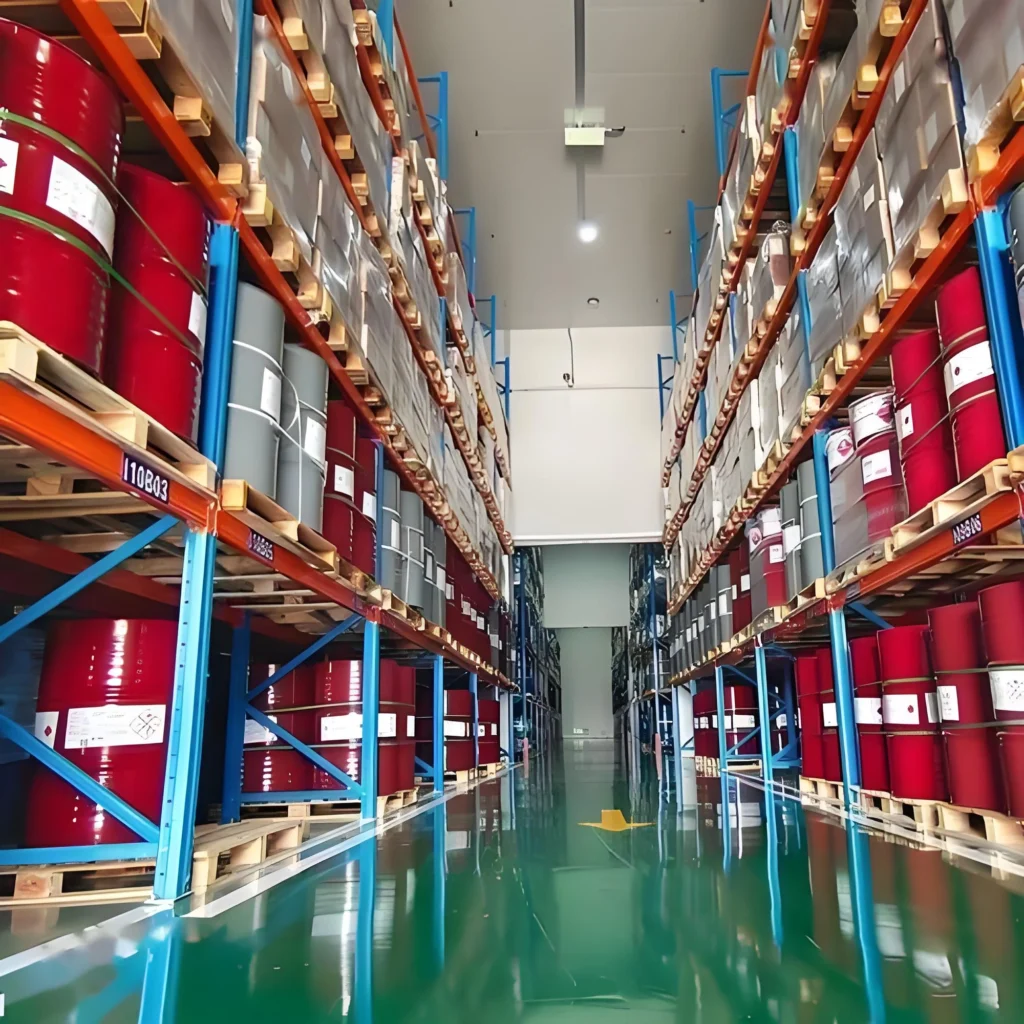
Staff training is the key element of safe handling of dangerous goods from the store to loading and transport, as decisions are made by people at each and every stage.
Well-trained teams reduce exposure to the worker because they are able to identify hazards before contact. They prevent spills and leaks by identifying packaging problems in their initial stages. Safe PPE usage becomes a habit, safe loading and unloading reduces damage and proper hazard label recognition means compatibility is avoided by mixing incompatible materials. SDS/MSDS awareness – everybody knows what to do; packaging and closure checks – prevent movement of problems. Dangerous reactions are prevented by segregation and emergency communication is quickened by clear rules. Overall, this results in lower rejections, delays, and regulatory hassles related to shipments.
| Training Benefit | Practical Impact |
| Hazard Recognition | Workers identify flammable, corrosive, toxic, reactive, or dangerous cargo before handling |
| PPE Awareness | Staff choose and use protection suitable for the cargo risk |
| Packaging Checks | Damaged drums, IBCs, cartons, or closures can be identified before movement |
| Spill Response | Teams know how to report, isolate, and respond to leakage faster |
| Safe Loading | Cargo is moved, secured, and staged with fewer handling errors |
| Documentation Awareness | Staff understand why labels, UN numbers, and documents must match |
| Emergency Communication | Incidents are escalated quickly and clearly |
For teams that handle flammable chemicals, corrosive liquids, industrial batteries, or other regulated cargo, training in hazardous cargo handling should be matched to each worker’s role, equipment, and emergency responsibilities.
Define Training by Role and Responsibility
However, not all employees require the same amount of training; what they all should be aware of is the risks and procedures that are directly related to their everyday work.
Relevancy and retention in training are provided by tailoring it by role. A warehouse handler is concerned with the here and now, a loading supervisor with the big picture. This helps to establish accountability without burdening anyone and ensures third parties meet your requirements.
| Role | Training Focus |
| Warehouse Handler | Hazard labels, PPE, storage rules, spill reporting |
| Forklift Operator | Safe movement, pallet stability, impact prevention, restricted zones |
| Packing Staff | Packaging compatibility, closures, labels, overpack marks |
| Loading Supervisor | Load planning, segregation, securing, final checks |
| Documentation Coordinator | SDS/MSDS, DG declaration, UN number, proper shipping name |
| Driver / Transport Coordinator | Emergency contacts, route controls, transport documents |
| Safety Officer | Training verification, incident response, risk assessment |
| Emergency Response Team | Spill control, isolation, PPE, escalation procedures |
Core Topic 1: Hazard Recognition and Classification Basics
Staff need not be experts in the regulations, but they will need to quickly identify hazard information and determine when to stop and escalate.
The clarity of labels, UN numbers and classes enable the front line worker to make safe initial decisions. This will ensure that minor incidents do not become major incidents, and will foster a culture of questioning, not ignoring it.
| Hazard Information | What Staff Should Understand |
| Hazard Label | Shows the main danger type visually |
| UN Number | Identifies the dangerous substance or article |
| Proper Shipping Name | Provides the official transport name |
| Hazard Class | Indicates the main risk category |
| Packing Group | Shows danger level where applicable |
| Placard | Communicates container or vehicle-level hazard |
| Warning Signage | Identifies restricted or controlled handling areas |
Core Topic 2: SDS/MSDS Review and Practical Use
SDS/MSDS training should be targeted at the use of the safety data in ‘real-time’ work scenarios, not at reading it.
Handlers develop the ability to find appropriate sections swiftly and utilize information for their work. This hands-on method converts complex technical documents into actionable solutions for everyday use.
| SDS/MSDS Section | What Staff Learn From It |
| Hazard Identification | Main risks and warning information |
| Handling and Storage | How cargo should be stored and moved |
| Exposure Controls / PPE | What protection may be needed |
| Physical and Chemical Properties | Clues about vapor, pressure, volatility, or freezing risk |
| Stability and Reactivity | Materials or conditions to avoid |
| Accidental Release Measures | First steps during spill or leak incidents |
| Firefighting Measures | Fire response considerations |
| Transport Information | UN number, hazard class, and packing details where applicable |
Core Topic 3: PPE Selection and Correct Use
Only workers wearing properly fitted and adjusted PPE and with the appropriate type of PPE for the cargo risk will be protected.
Training focuses on fit, limitations and inspection protocols so that staff do not think that the equipment will make up for poor handling. PPE is ensured to be reliable at the right time through regular checks and proper storage.
| PPE Training Item | Why It Matters |
| Glove Compatibility | Prevents chemical exposure through unsuitable materials |
| Eye and Face Protection | Reduces splash injury risk |
| Respiratory Protection | Helps control vapor, dust, or fume exposure where required |
| Protective Clothing | Reduces skin and clothing contamination |
| Foot Protection | Helps protect workers from spills and impact |
| PPE Inspection | Identifies damaged or contaminated equipment before use |
| PPE Limitations | Prevents overconfidence during high-risk handling |
Core Topic 4: Packaging Inspection and Safe Handling
Staff should be aware of packaging problems before any movement of hazardous goods commences.
Routine visual and tactile checks identify defects which could not be captured in documents. This proactive measure helps to avoid leaking and contaminating the load, as well as transport rejections, at the loading dock or terminal.
| Packaging Check | What Staff Should Look For |
| Drum / IBC Body | Dents, cracks, swelling, corrosion, or leakage |
| Closures | Loose caps, valves, bungs, missing seals, damaged gaskets |
| Cartons / Crates | Wet areas, crushing, punctures, weak corners |
| Pallets | Broken boards, instability, poor load support |
| Labels | Visibility, readability, and damage |
| Previous Use | Residue, contamination, or outdated labels |
| Load Stability | Leaning, shifting, or unsafe stacking |
Core Topic 5: Segregation and Storage Rules
Staff need to be aware that if incompatible materials are stored together the location of the items can present serious chemical risks.
Accidental reactions are avoided and easy access to emergencies is ensured through proper segregation training. Clear guidelines and easy-to-understand signs that encourage safe practices throughout the day.
| Storage / Segregation Training Point | Practical Reason |
| Separate Incompatible Materials | Prevents reaction, fire, gas release, or contamination |
| Maintain Clear Aisles | Supports safe movement and emergency response |
| Keep Labels Visible | Allows quick hazard identification |
| Control Temperature and Ventilation | Reduces instability, vapor buildup, or package stress |
| Use Spill Containment | Limits leakage impact |
| Restrict Access | Keeps untrained personnel away from dangerous cargo |
| Protect Emergency Equipment Access | Ensures spill kits and extinguishers are reachable |
Core Topic 6: Loading, Lashing, and Cargo Securing
Once the load has departed the loading dock, loading teams trained to load and unload freight ensure that it does not shift, tip, get impacted or leak from the trailer.
Correct blocking and bracing methods, load plans and correct lashing methods make hazardous industrial loads stable on the way. Final inspections: problems identified prior to dispatch.
| Loading Training Area | Risk It Helps Prevent |
| Weight Distribution | Cargo tipping, uneven stress, or unstable movement |
| Forklift Control | Package puncture, drop damage, or impact |
| Blocking and Bracing | Cargo movement inside container or trailer |
| Lashing | Shifting during braking, vibration, or sea movement |
| Edge Protection | Strap damage to packaging |
| Segregation During Loading | Contact between incompatible cargo |
| Final Load Inspection | Missed defects before dispatch |
Core Topic 7: Spill Response and Emergency Communication
The training should be practical, role oriented and should be repeated frequently, not as a one shot affair.
Classroom instruction and practical application and scenario training creates a sense of actual competence. Observation and regular refreshers from the supervisor ensures that knowledge remains current and will result in safe behaviors on the floor.
| Emergency Training Item | What Staff Should Know |
| Stop Work Procedure | When to pause handling immediately |
| Area Isolation | How to keep others away from danger |
| Spill Reporting | Who to contact and what information to provide |
| SDS/MSDS Access | Where to find response instructions |
| PPE Before Response | Why protection is needed before approaching |
| Spill Kit Use | Only trained staff should use suitable materials |
| Incident Record | Helps improve future prevention and compliance |
Training Methods That Work for Hazardous Cargo Teams
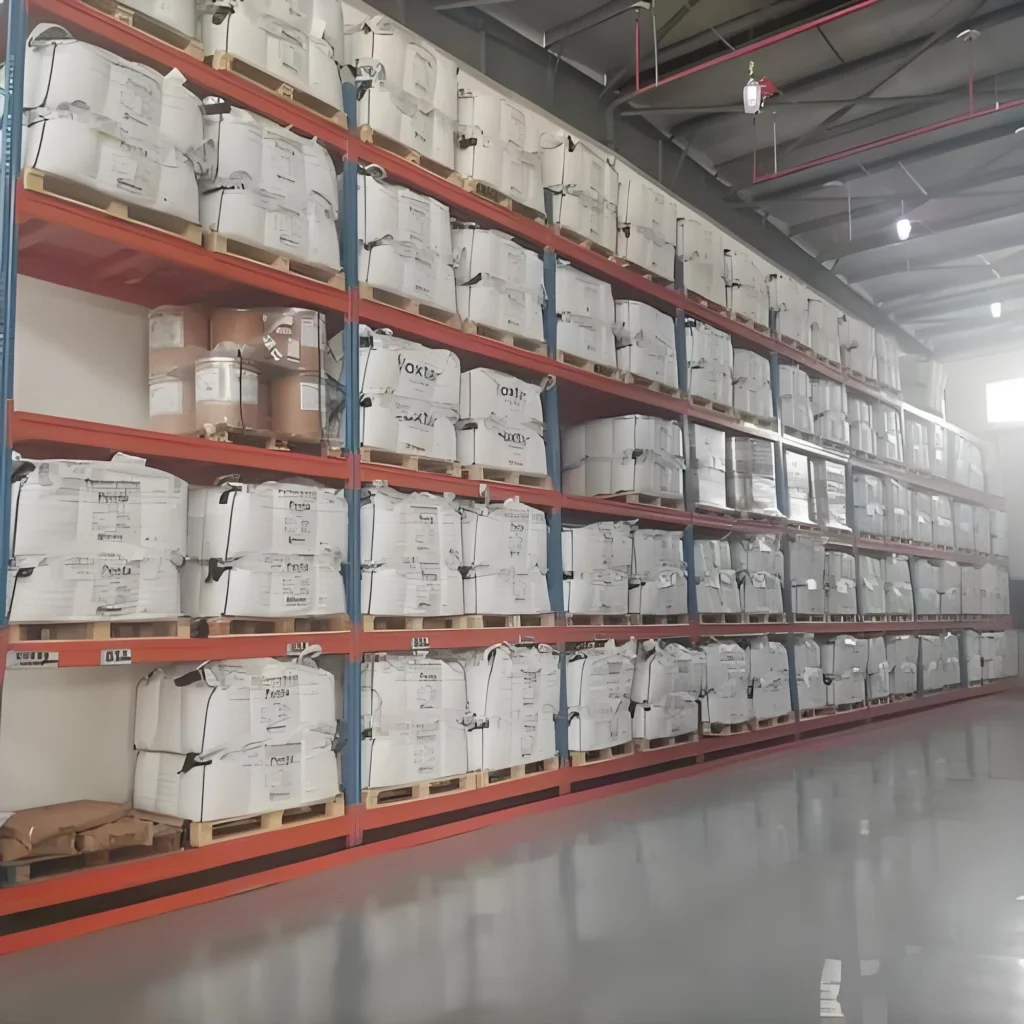
Training can be a failure if it is too abstract, theoretical, or is not specifically related to a particular type of cargo or to the specific operation of the warehouse.
These are the things to avoid and programs remain relevant and effective. Frequent updates, temporary staff and actual competency audits are what set apart a paper-based compliance from a real safety improvement.
| Training Method | Best Used For |
| Classroom / Online Training | Basic rules, hazard awareness, documentation concepts |
| On-Site Demonstration | PPE use, packaging inspection, loading procedures |
| Hands-On Practice | Spill kit use, label recognition, closure checks |
| Scenario Training | Decision-making during leaks, damage, or document mismatch |
| Loading Simulation | Cargo securing, segregation, and movement control |
| Supervisor Observation | Verifies whether workers apply training correctly |
| Refresher Training | Keeps knowledge current and corrects bad habits |
Common Training Mistakes to Avoid
With a simple checklist, businesses can ensure that training does indeed address the risks associated with the work their employees encounter on a day-to-day basis.
Check program coverage and gaps with this tool in program design and after each refresher session. It continues training on the real hazards and not regulatory minimums.
| Training Mistake | Possible Consequence |
| Generic Training Only | Staff may not handle real cargo risks correctly |
| No Role-Based Training | Workers may not know their specific responsibilities |
| No Hands-On Practice | PPE, spill kits, or loading controls may be used incorrectly |
| No Refresher Training | Bad habits and outdated knowledge remain |
| No Competency Check | Management may assume workers are prepared when they are not |
| Excluding Temporary Staff | Higher risk during peak or outsourced operations |
| Not Updating Training | New cargo risks may be missed |
Hazardous Cargo Handling Training Checklist
A simple checklist helps companies confirm that training actually covers the operational risks their teams face every day.
Use this tool during program design and after each refresher session to verify coverage and identify gaps. It keeps training aligned with real hazards rather than regulatory minimums.
| Training Topic | Confirmed |
| Hazard labels and placards explained | Yes / No |
| SDS/MSDS location and key sections covered | Yes / No |
| PPE selection and correct use trained | Yes / No |
| Packaging inspection procedures covered | Yes / No |
| Closure, seal, valve, and gasket checks explained | Yes / No |
| Incompatible cargo segregation covered | Yes / No |
| Safe storage and staging rules explained | Yes / No |
| Forklift and handling precautions covered | Yes / No |
| Loading, lashing, and securing basics covered | Yes / No |
| Spill response and reporting procedures trained | Yes / No |
| Emergency contact process explained | Yes / No |
| Documentation awareness included | Yes / No |
| Role-specific responsibilities assigned | Yes / No |
| Competency verified by supervisor | Yes / No |
| Refresher schedule created | Yes / No |
How Logistics Providers Support Hazardous Cargo Staff Training
While training should be customized to each company’s cargo, site, equipment and procedures, logistics providers can assist by providing operational training to help teams understand the real risks associated with shipments and practical shipment handling.
They provide guidance on common handling issues, outline packing and loading team relevant issues and provide practical checklists for shipment preparations. This partnership yields process discipline and communication between shippers, carriers, warehouses and terminals, but does not replace the need for regulatory, or certified safety training.
Conclusion — Training Turns Procedures Into Safe Daily Practice
The safety of handling hazardous goods relies on every decision made by employees on the warehouse, loading team, supervisors and transport coordinators throughout the day. Practical packaging, PPE and segregation procedures are developed when trained staff are able to recognise hazards, conduct packaging checks, wear PPE and are able to respond appropriately to incidents.
Correct paperwork and packaging is not the only thing that’s needed for hazardous industrial cargo handling, it will also need trained personnel. Hazard recognition, SDS/MSDS use, PPE, packaging inspection, segregation, loading, spill response and emergency communication should be covered in training. It must be role oriented, practice oriented, repeat oriented, and fact checked. Staff need to be aware when to cease work, report issues to supervisors and seek supervisor review. An effective training programme can minimise unnecessary handling incidents, shipment delays, damage to the cargo and compliance risks.