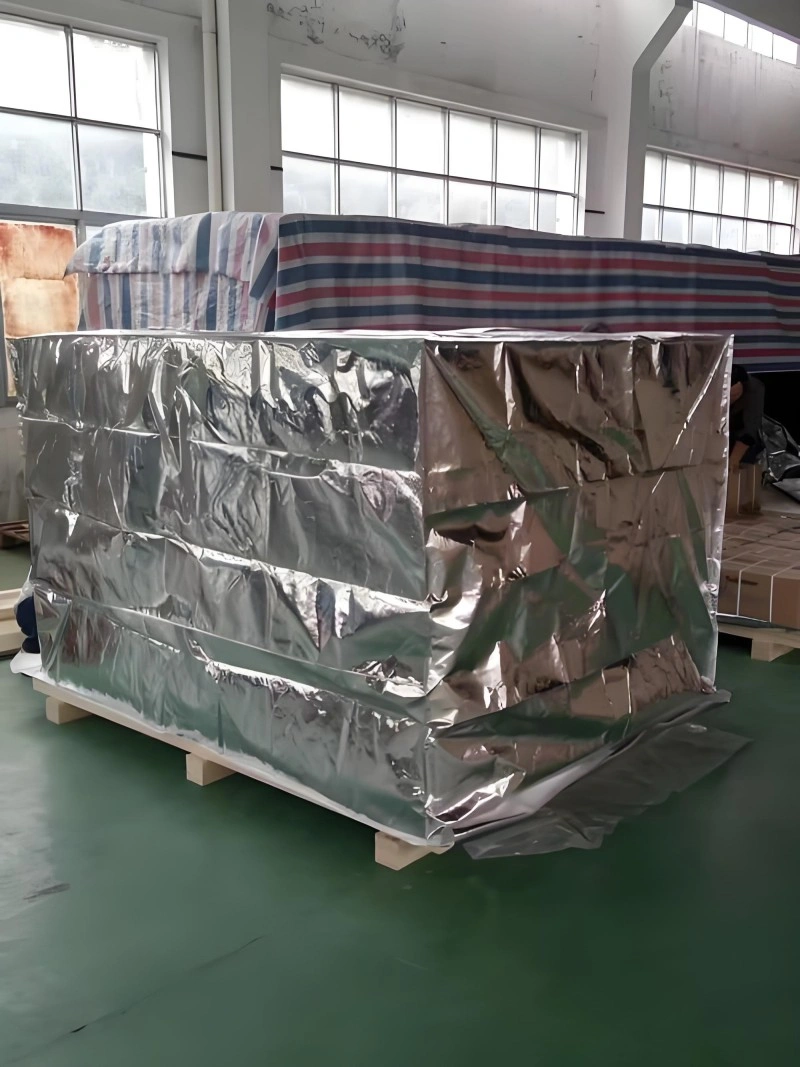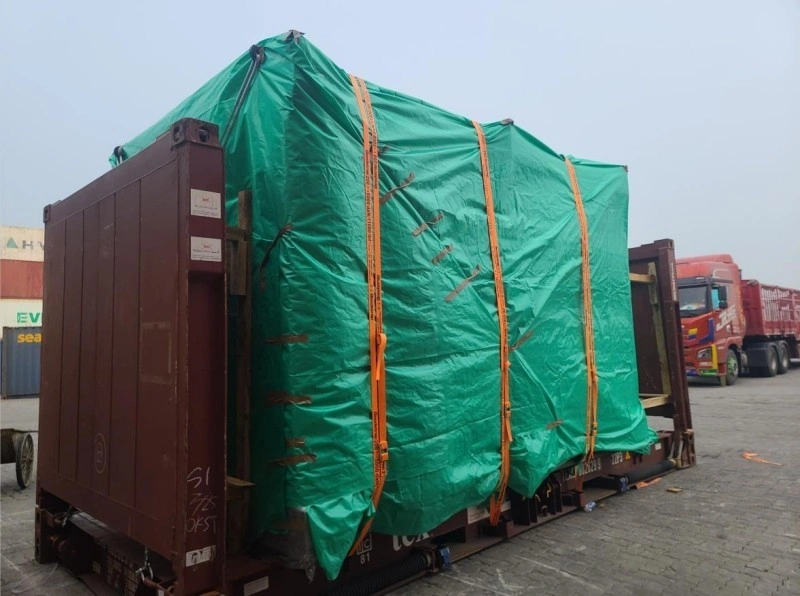
Innovative Flat Rack Container Designs: Folding Sides and Adjustable Supports
Flat rack container designs have evolved to support more flexible oversized cargo transport. Features such as folding ends, collapsible structures, reinforced decks, adjustable supports, and ...
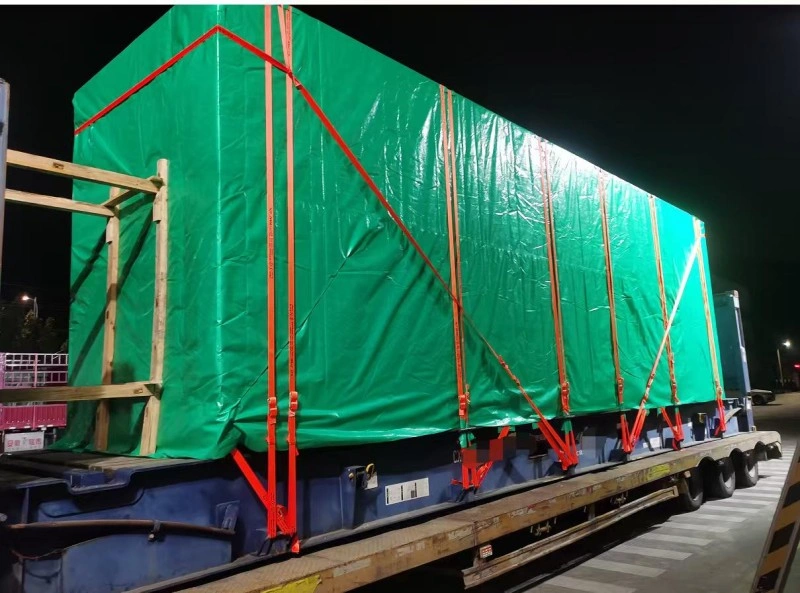
Flat Rack Container Maintenance Checklist Before Loading Heavy Machinery
Flat rack container maintenance is a critical step before loading heavy machinery or oversized industrial cargo. This guide explains what to inspect before shipment, including ...
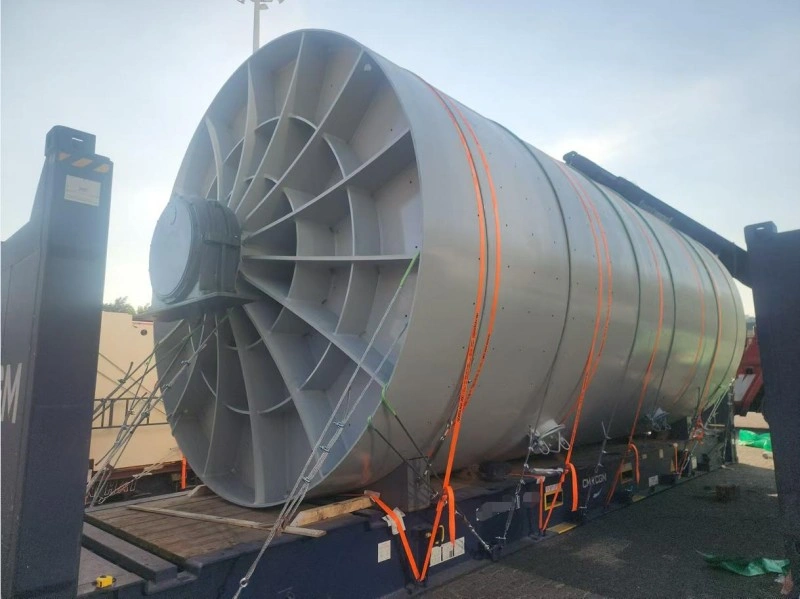
Best Practices for Securing Cylindrical and High-Center-of-Gravity Cargo on Flat Racks
Cylindrical and high-center-of-gravity cargo can be difficult to secure on flat rack containers because it may roll, tip, shift, or place uneven pressure on the ...
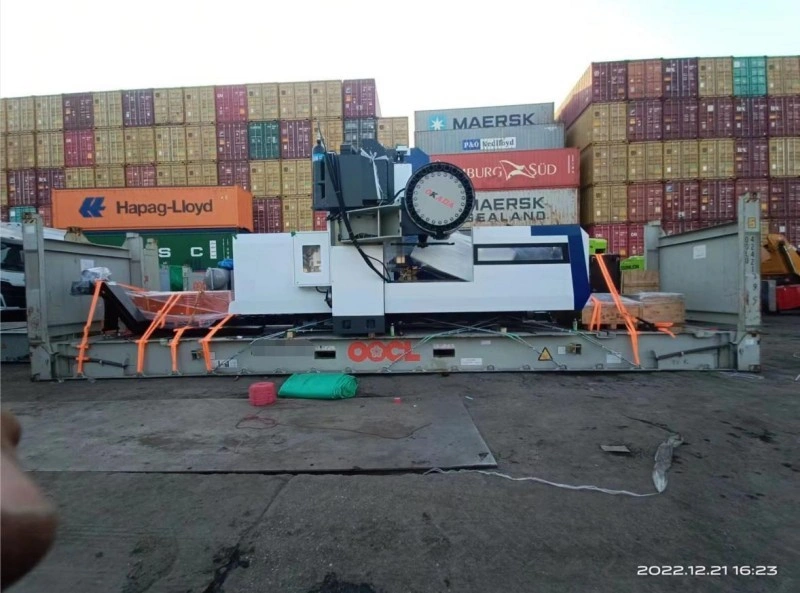
Transporting Modular Prefabricated Buildings via Flat Rack Containers
Modular prefabricated buildings often include oversized frames, wall panels, roof sections, or assembled modules that cannot fit inside standard containers. This guide explains how flat ...
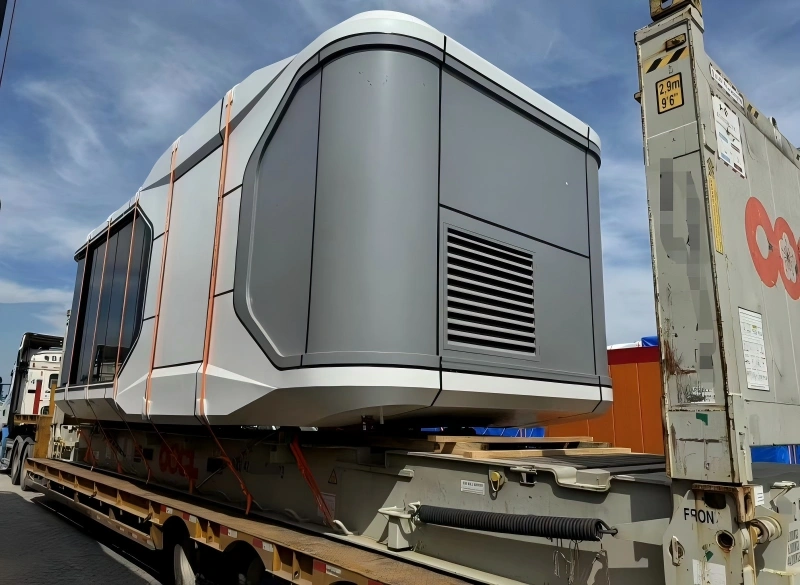
Seasonal Considerations in Flat Rack Container Transport
Seasonal weather can affect flat rack container transport more than standard container shipping because oversized cargo is often exposed to rain, wind, humidity, salt air, ...
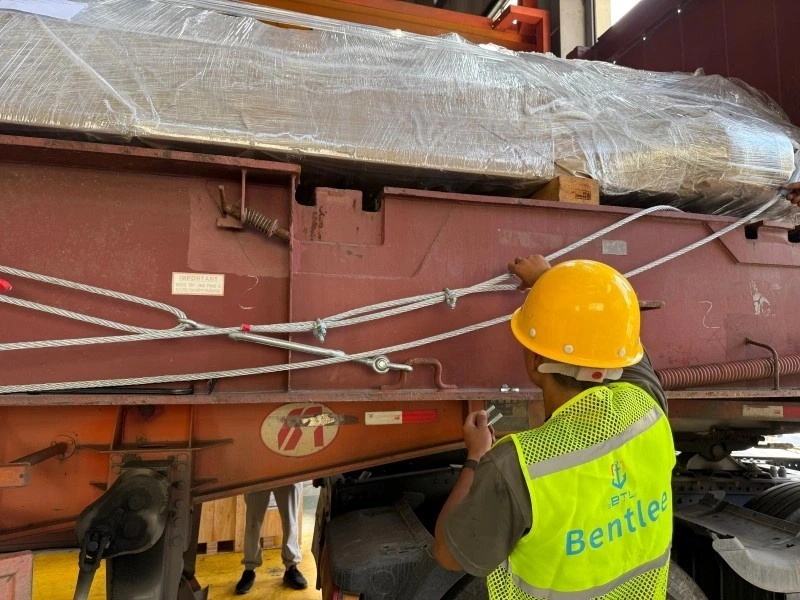
How 3D Load Simulation Improves Safety in Flat Rack Shipping
3D load simulation helps logistics teams plan flat rack shipments before cargo is physically loaded. By checking dimensions, weight distribution, center of gravity, overhang, securing ...
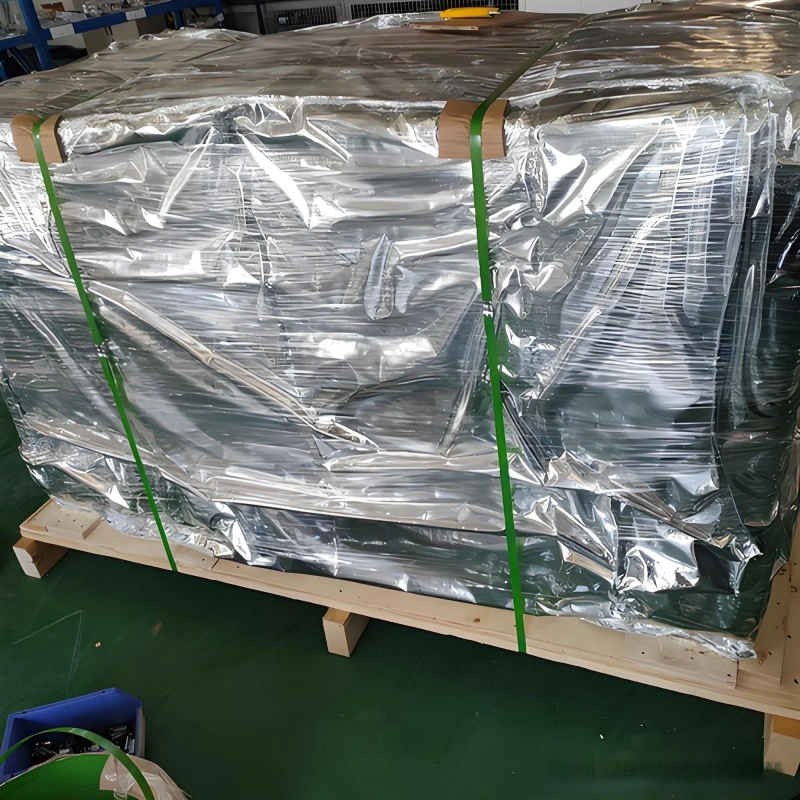
How Vacuum Packaging Improves Loading Efficiency on Flat Rack and Open Top Containers
Vacuum packaging can improve loading efficiency for flat rack and open top container shipments by creating a controlled protective layer around cargo while reducing loose ...
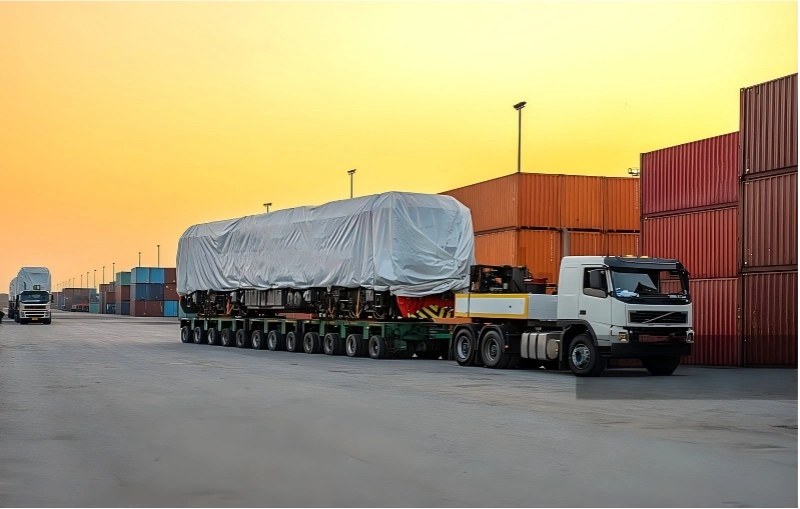
Combining Vacuum Packing with Wooden Crates: Maximizing Cargo Protection
Vacuum packing and wooden crates protect export cargo in different ways. Vacuum packing helps control moisture, dust, corrosion, and contamination, while wooden crates provide structural ...
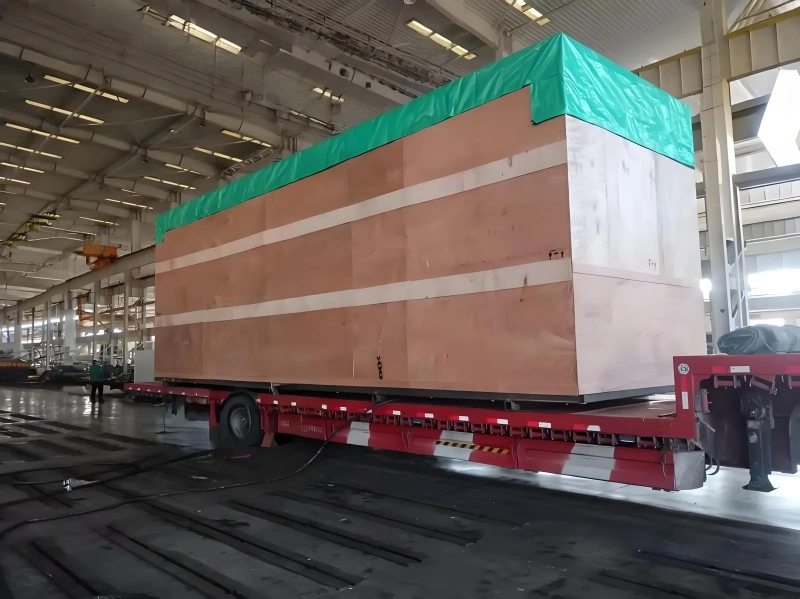
Case Study: Exporting Machinery with Vacuum Packing for Long-Haul Shipping
This case study explains how vacuum packing can protect export machinery during long-haul shipping by reducing moisture, corrosion, dust, and storage-related risks. Follow a realistic ...
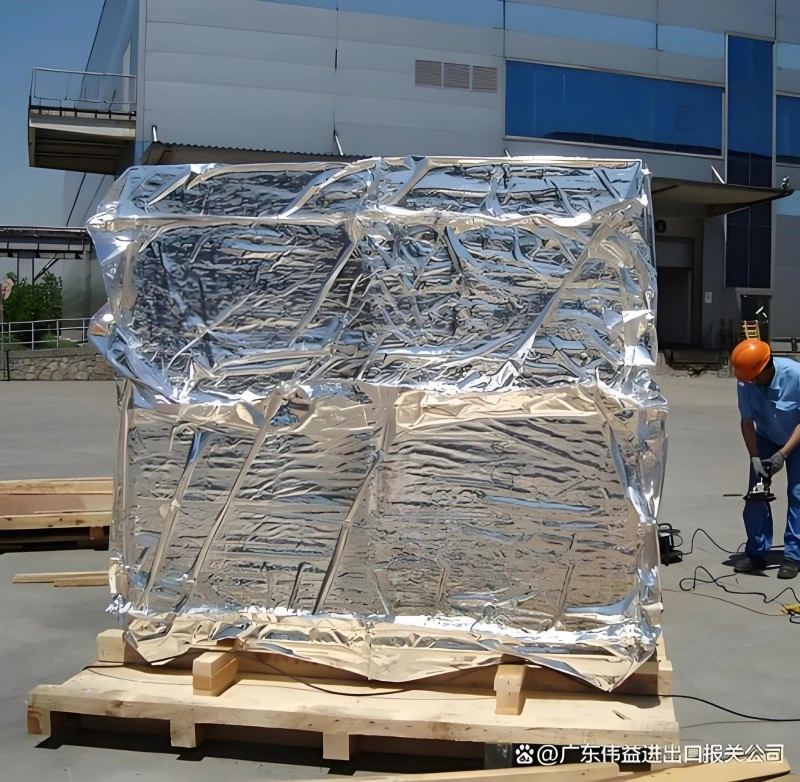
How Temperature Fluctuations Affect Cargo and Why Vacuum Packing Helps
Temperature fluctuations during sea freight, port storage, and multi-modal transport can cause condensation, moisture buildup, rust, corrosion, mold, and packaging deterioration. This guide explains how ...
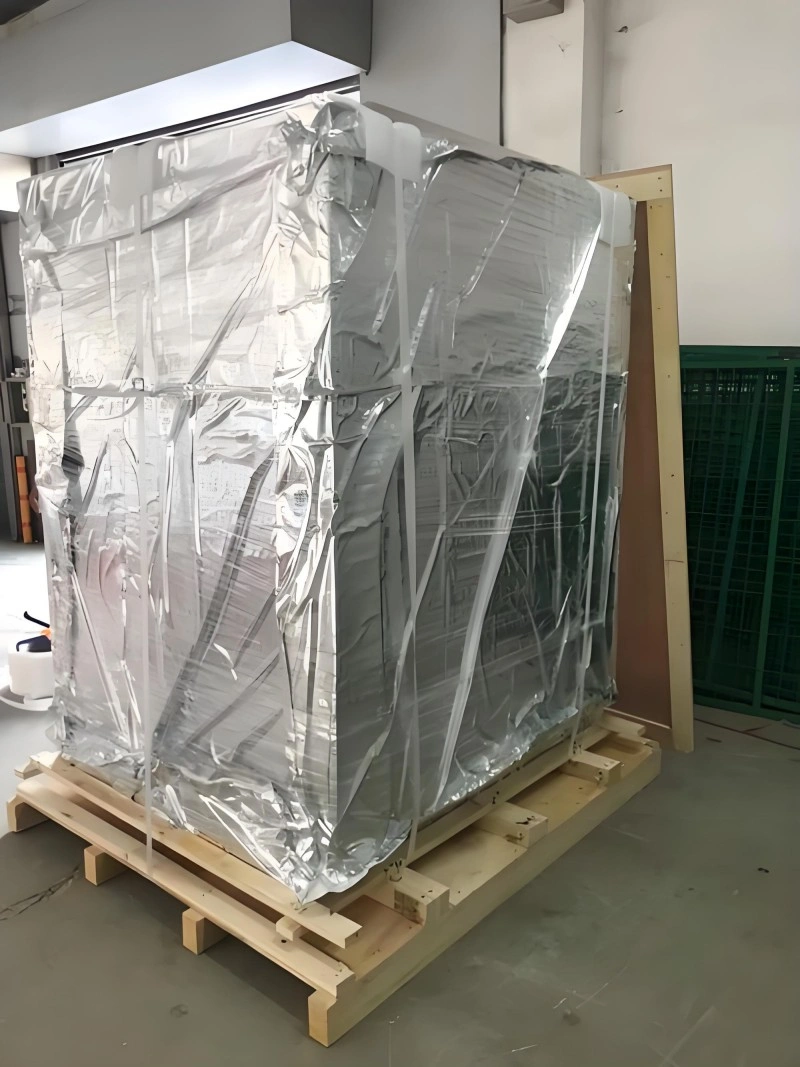
Vacuum Packing vs Pallet Wrapping: Which Is Better for Export Cargo Protection?
For export cargoes that a ...