
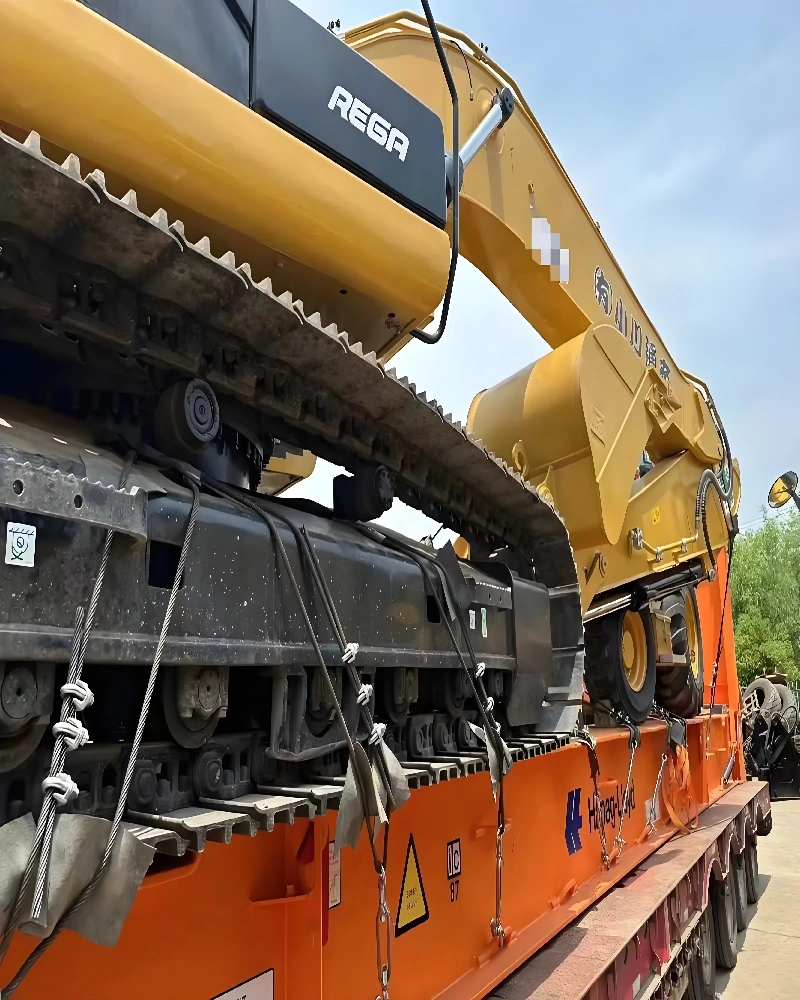
Oversized cargo transportation refers to the transportation of objects that are outside the legal restrictions of the normal transport devices like trucks, ships or rail cars. These deliveries can usually be heavy machinery, industrial equipment or other large structural parts that cannot be accommodated in the routine dimensional or weight limits. Due to the risks of overweight shipments affecting the safety of the road, integrity of infrastructure, and traffic flow by people, the majority of countries introduce strict transporting rules in order to reduce these problems. The transportation of oversized cargo should be strictly adhering to the permits, safety conditions, and routing approvals to provide legal and safe transportation.
Another misconception that logistics staff often have is that big cargo rules are relevant when the road transport is involved. As a matter of fact, the local and international shipping intermodal, road, and port operations might require permits and other regulatory approvals. An example here is that a huge piece of equipment could have to be overlanded on road permits, loaded in port, and transited internationally on the customs clearance. The knowledge and adherence to the rules and regulations of oversized cargo is a comprehension in making safe transportation, legal, and efficient. Shipments may also be delayed, fined, or even stalled without appropriate planning and this can cause serious disruptions to the project.
What Qualifies as Oversized Cargo Under Transport Regulations
The first step of the regulatory compliance is to determine what is considered as oversized cargo because they can be defined in various ways depending on the region but usually based on the same principles with regard to safety and capacity of the infrastructure. In the vast majority of jurisdictions, cargo is considered to be oversized when it exceeds the predetermined limits in terms of width, height, length or weight, which precipitates the necessity of special control.
| Cargo Dimension | Typical Regulatory Threshold |
| Width | Over 2.5–3 meters |
| Height | Over 4–4.5 meters |
| Length | Over 12–16 meters |
| Weight | Exceeds axle load limits |
The cargo that has surpassed these limits is subject to permits under which it can be transported as long as it does not cause a hazard to roads, bridges, and other road users. As an example, the Federal Highway Administration establishes the limits of the bases in the U.S. but the states can have more stringent regulations. There are certain standards that are harmonized in Europe with the EU directives but there is still a national difference, such as in Germany with stricter weight limits on certain highways. Professional oversize cargo movement planning involves assessing any permit-related and any regulatory limitations before they start any shipment.
Types of Permits Required for Oversized Cargo Transport
The correct permits are also the key to the prevention of legal complications because oversized cargo may require numerous approvals based on the nature of shipment and its route. Typical types of common permits deal with various factors of the transport, such as size, weight, and route specific clearances.
| Permit Type | Purpose |
| Oversized load permit | Legal approval for large cargo |
| Overweight permit | Approval for heavy cargo |
| Route permit | Approved transportation route |
| Temporary infrastructure permit | Bridge or road clearance |
These licenses guarantee that infrastructure is safely used by checking whether the cargo would not cause any harm and accidents. An oversized load permit may include limitations on the time of the day when a road transport can be driven so the load is not mixed with other vehicles and an overweight permit may need to increase the reinforcing of axles. Practically, planners of logistics are required to request these long beforehand, often with cargo specifications and engineering evaluation of them to government agencies, such as departments of transportation within individual states.
Escort Vehicles and Safety Requirements
The use of escort vehicles in the oversized cargo transport movements is essential in ensuring safety because they control traffic and make other people aware of the circumstances of possible risks. The laws often require escort of shipments which are exceptionally wide, long or heavy, on highways in particular.
| Safety Requirement | Purpose |
| Escort vehicles | Traffic safety |
| Warning signage | Alert other drivers |
| Flashing lights | Improve visibility |
| Speed restrictions | Reduce transport risk |
The use of escort services enhances the general safety of transport services since they offer real time directions, which may include pulling the lanes or halting traffic at constriction areas. In most, loads above a certain height will need certified pilot cars which are fitted with height poles to measure clearances. Based on personal experience, the inability to include such measures may result in accidents or citation, and that is why compliance teams pay close attention to such measures during planning.
Route Restrictions and Infrastructure Limitations
The process of planning routes with oversized cargo should be aware of the physical infrastructure restrictions to avoid damage or dangerous conditions. Not every road is appropriate and the rules create limitations depending on the size of the cargo and the capacity of the road.
| Infrastructure Factor | Impact |
| Bridge clearance | Height restrictions |
| Tunnel height | Route limitations |
| Road width | Vehicle maneuverability |
| Weight limits | Structural protection |
The reason why route analysis is necessary is related to oversized loads that would put pressure on bridges or force one to divert around low overpasses. GPS-based survey of routes are used to find usable routes, although in many cases regulatory agencies require pre-assessment. An example is that in cities / small streets may not allow some loads and the planners will have to use rural highways which may take more distance.
Port and Terminal Regulations for Oversized Cargo
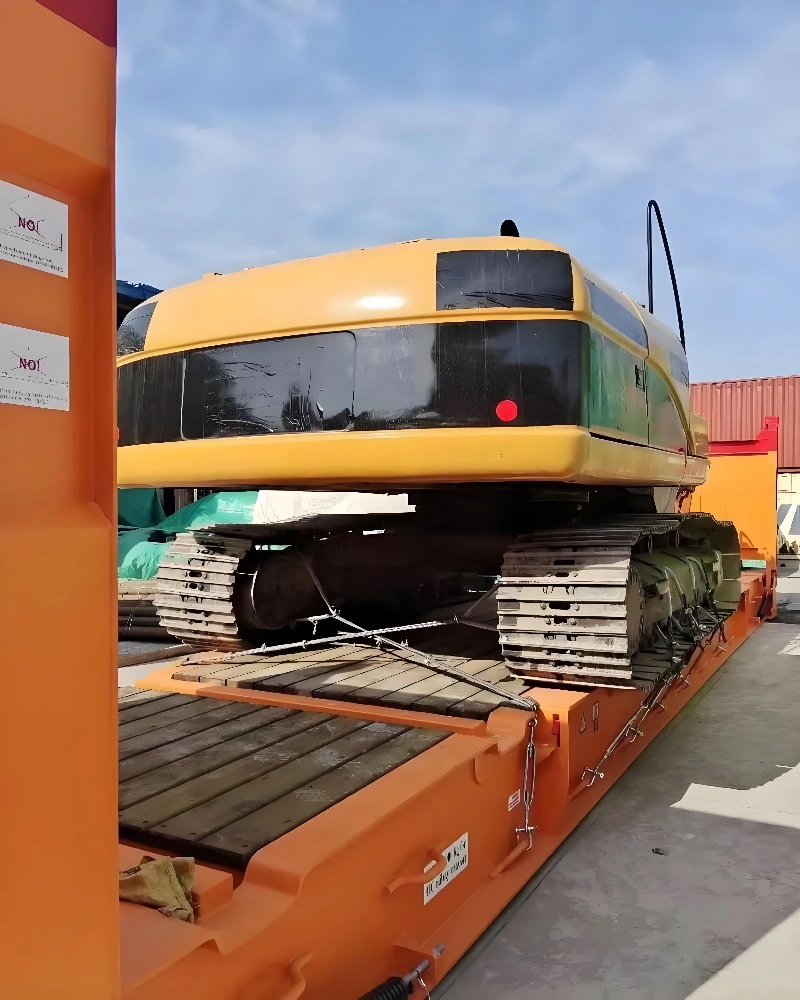
To make operations of ports and terminals safe and efficient, ports and terminals have their own handling regulations on oversized cargo. These regulations are over and above road permits as they are about crane operations and storage.
| Port Regulation | Purpose |
| Heavy-lift crane scheduling | Safe cargo loading |
| Terminal approval | Oversized cargo authorization |
| Storage area allocation | Handling space |
| Safety supervision | Risk control |
Port infrastructure has a direct impact on the oversized cargo handling because the facilities should be able to handle the large items without interfering with other businesses. As an example, specialized cranes that can handle heavy loads might have to be pre-booked at the terminals, and safety precautions could involve controlled rigging to avoid shifts when loading. Failure to comply in this case may lead to the rejection of entry or extra charges.
International Shipping Compliance for Oversized Cargo
Oversized cargo transport between countries also brings about some complexity in that, it considers different national standards, and cross-border demands. Compliance entails the alignment of the rules in various jurisdiction.
| Regulatory Aspect | Explanation |
| Customs clearance | Documentation verification |
| Cargo classification | Regulatory compliance |
| International safety standards | Transport safety |
| Insurance requirements | Risk management |
International deliveries are more complicated since they have to meet import/export regulations, including those of the International Maritime Organization of sea freight. The permits needed in the transportation of oversized cargo internationally may have harmonized system codes in classifying the cargo, as well as the evidence of insurance against the possible damages. Planners usually liaise with customs brokers to manoeuvre through them because inconsistency may result in border holds.
Industries That Frequently Require Oversized Cargo Permits
There are some industries that regularly handle oversized deliveries, and the logistic teams have to get used to permits as a routine part of their daily lives. Such industries deal with machine tools which are above ordinary limits.
| Industry | Typical Cargo |
| Construction | Excavators and cranes |
| Renewable energy | Wind turbine components |
| Oil & Gas | Drilling equipment |
| Manufacturing | Industrial machinery |
| Infrastructure | Steel bridge structures |
Regulated shipments are dealt with in these industries since the projects of these industries tend to have massive indivisible loads. In the case of renewable energy, wind blades may need special route authorization because of length and oil rigs will need overweight authorization. Timelines are maintained through compliance.
Common Compliance Challenges in Oversized Cargo Transport
Managing bulky cargo has a number of challenges that may make the logistics challenging. These are very vital issues that should be addressed in the course of planning.
- Slow permit processes: Factory complex routes can be held up in the process of permit approval and hence schedule delays.
- New approvals and rerouting Rerouting may occur due to unexpected infrastructure changes such as construction.
- Modifying policies in different locations: Differences among the states or nations demand continuous revisions in the strategies of compliance.
- Lacking documentation: The lack of engineering reports or cargo specifications may lead to rejections.
- Infrastructure constraints: Old bridges or small roads may restrict choice, which raises the costs of alternatives.
These difficulties impact the logistics planning because they necessitate contingency planning and professional supervision in order to ensure efficiency.
Conclusion — Regulatory Compliance Is Essential for Oversized Cargo Transport
Conclusively, the issue of oversized cargo transportation needs rigid regulatory planning to control risks and make it legal. The necessary features of oversized cargo transportation planning include permits, route permission, safety standards and infrastructure regulations. With compliance at the center stage, the logistics team will be able to save time and money spent on interruptions and safeguard cargo and citizens. This is a systematic method based on practical knowledge which emphasizes the significance of preparation in dealing with such specialized shipment.