
Oversized machinery Industrial equipments that are bigger in size or heavier than the standard size and weight of shipping containers, either in height, width, or weight, and usually being over 2.59 meters tall, 2.43 meters wide, or 30 tonne. The logistics of equipment such as transportation is also necessitated by the fact that the machines are usually very heavy, big and irregular, and therefore, containerization is not practical. One of the most prevalent misconceptions by companies is that big machinery may be shipped through the regular container shipping procedure, yet often, specialized shipping containers, heavy-lift machines, or breakbulk vessels are required to manage the size and weights of big machinery. Effective transportation of oversized machinery requires effective planning, transport devices and logistics arrangements. There are no general logistics planning, use of proper transport equipment and rigid safety practices necessary to transport oversized machinery.
This is based on a real world experience in the transportation projects of heavy machinery, this guide is compiled of the key elements of classification to execution. Whether it is domestic or international freights, having an idea on such processes can reduce risks and achieve compliance.
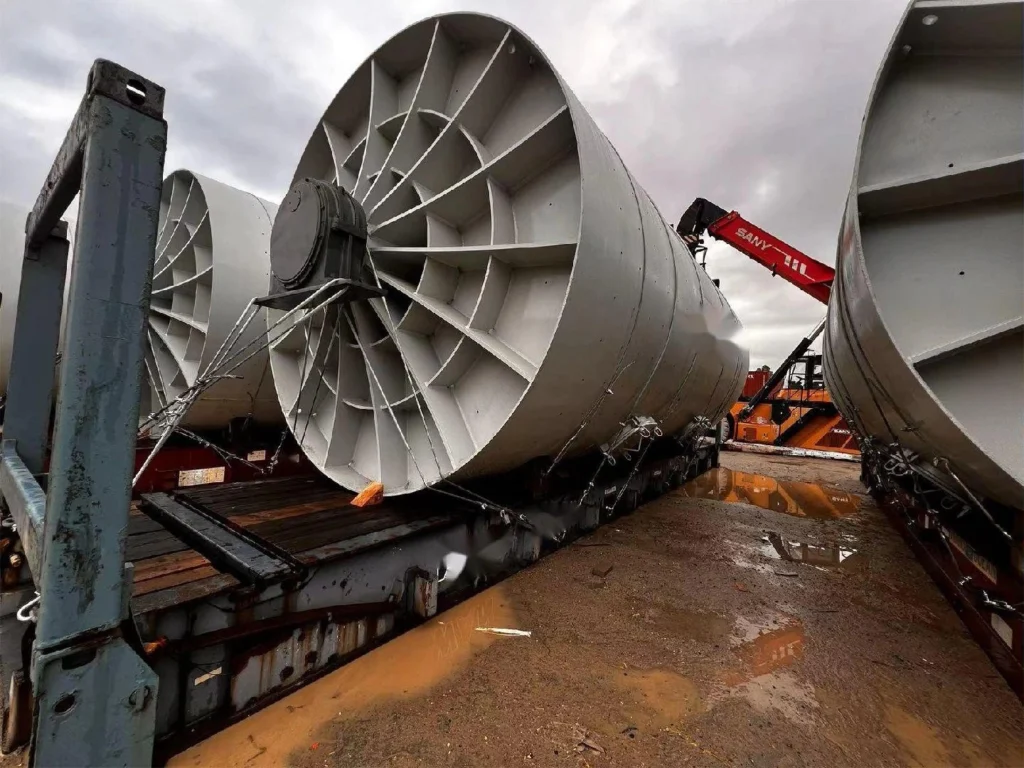
What Qualifies as Oversized Machinery
The origin of what constitutes oversized machinery is measurement by determining the sizes and weights of machines in comparison with the conventional sizes and weight transport limits. Generally, machinery is oversized when they exceed the internal sizes of 40-foot standardized container (12.03m length, 2.35m width, 2.39m height) or when they have a weight above the limit, which necessitates reinforcement to be handled. As an example, industrial presses can be 20 and 200 tons, and mining drills can be 300 tons, and are characterized by irregular shapes, which can not be stacked or enclosed easily.
| Machinery Type | Typical Weight |
| Industrial presses | 20–200 tons |
| Power generators | 30–150 tons |
| Mining equipment | 50–300 tons |
| Construction machinery | 10–100 tons |
This equipment may go beyond the normal shipping size limits because of protrusions, elevated centers of gravity or even mass and this may make it difficult to get the equipment loaded onto the trucks or trains or ships. These features in the case of heavy machinery transportation require specialized rigging and route planning to prevent structural breakdown during transportation. The need to use professional oversize cargo transportation services usually occurs when industrial equipment is larger than the size of a typical container and it is important to make sure that logistics is performed in accordance with the profile of the equipment.
Size and Weight Thresholds
The shipping containers are standardized to hold homogenous loads, however, larger products, such as turbines or excavators do not fit in them, and a permit may be required to travel on the road or even special ocean transportation. Weight alone can make machinery oversized in the event of overloading axles or cranes and bridges under height place even more limits on height.
Industry-Specific Examples
In the production industry, sizey machines may involve assembly line robots with long arms, whereas in the energy industry, the wind turbine blades may be up to 50 meters long, which is way above the usual size. These two instances demonstrate why preliminary measurements are essential in the planning of industrial machinery transportation.
Common Transport Methods for Oversized Machinery
The choice of the adequate transportation method of oversized equipment depends on its size, weight distribution and the destination necessities. Standard solutions are containerized partial protection and breakbulk fully exposed loads, with each offering ways to reduce the handling risks.
| Transport Method | Best Use Case |
| Flat rack containers | Wide or heavy machinery |
| Open top containers | Tall machinery |
| Breakbulk shipping | Extremely large machinery |
| Roll-on/roll-off vessels | Wheeled equipment |
Flat rack containers are perfect in terms of wide loads such as bulldozers, because they do not have any side walls and this allows overhangs but offers the benefit of a stable base. Open top containers are used with high items like industrial silos whereby they can be loaded with overhead cranes. Breakbulk shipping applies to large machines that can not fit in any container, with objects loaded directly onto vessel decks with heavy-lift equipment. Wheeled equipment such as tractors are brought to the ship via roll-on/roll-off (RoRo) vessels because they allow drive-on access and have less disassembly requirements. When considering how to ship oversized machinery across the borders the choice of these methods will be guided by the ports capabilities and the efficiency of routes and this may involve the use of a sea and land legs to make the final delivery.
Domestic vs. International Considerations
At the domestic level, truck or rail transportation prevails in small-haul, where such techniques as lowboy trailers to carry heavy machinery are used. Ocean freight goes hand in hand with these internationally, and there is need to have proper synchronization to deal with customs delays.
Method Selection Factors
Issues like sensitivity of cargo to weather conditions or vibrations could affect decisions; a typical breakbulk could expose machinery to weather which would require extra coverings.
Container and Equipment Options for Machinery Transport
The selection of containers and machinery transportation requires the comparison of the cargo profile with the available to maximize on space and safety. General containers are hardly acceptable, and one will have to resort to special ones that accept oversize size.
| Container Type | Suitable Machinery |
| Flat rack container | Excavators and loaders |
| Open top container | Tall industrial equipment |
| Platform container | Ultra-large cargo |
| Standard container | Small machinery components |
Flat rack containers are ideal in loads that have extensions in terms of width, since the ends can be folded to provide a flexible securing. Open top models allow vertical loading of items that are too tall, whereas platform containers provide a bare bottom to the bulkiest machines. When the scale of shipping the machine is oversized, the choice of the container has a dire effect on the logistics planning, including the cranes needed, where to stow the machine on the vessels, and even the insurance coverage. As an example, when choosing a flat rack, it may minimize disassembly and raise risks of exposure and need to make a balanced decision.
Specialized Equipment Integration
Other than containers, other equipment is mandatory such as spreader beams or slings used in the lifting process so that when heavy machinery is transported, it will be evenly distributed.
Cost and Efficiency Trade-offs
Bigger boxes can be expensive in terms of occupancy space on vessels, yet they simplify loading unlike breakbulk where the products are handled individually and thus prolong loading schedules.
Preparing Oversized Machinery for Transportation
Oversized machinery should be well prepared before being transported to avoid damage and also to maintain regulatory compliance. This stage begins by conducting comprehensive inspections in order to find vulnerabilities.
| Preparation Step | Purpose |
| Equipment cleaning | Customs compliance |
| Disassembly of parts | Reduce dimensions |
| Protective wrapping | Prevent weather damage |
| Structural reinforcement | Protect sensitive components |
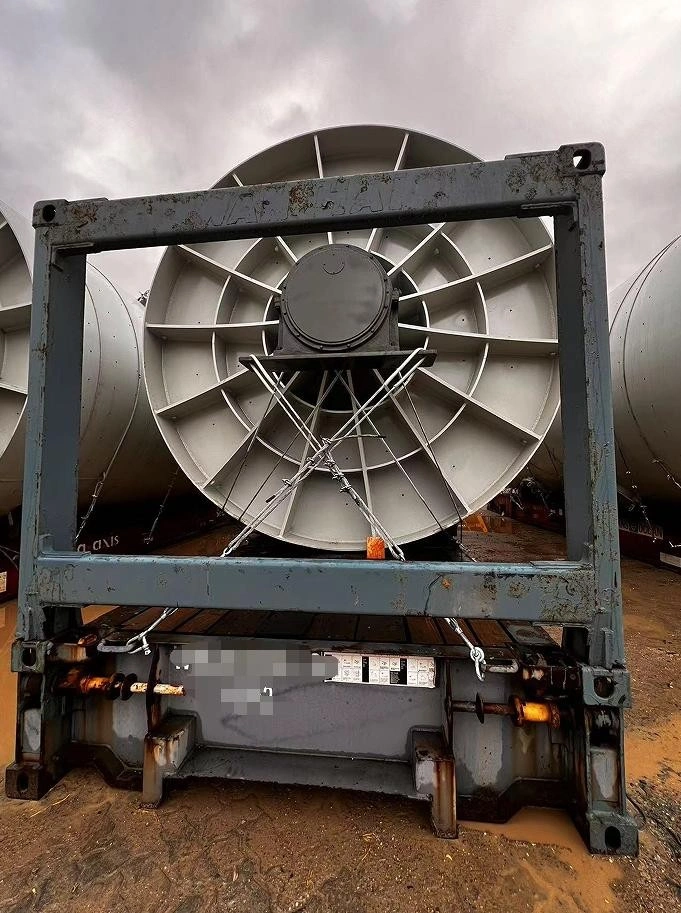
Cleaning eliminates residues that might cause biosecurity concerns at the borders, and disassembly (i.e. removing booms off cranes) reduces overall size to fit in transport modes. Tarp or shrink film wrapping to keep dry and reinforcements such as bracing are used to strengthen weak areas. All these measures are aimed at minimising transport risks, which are based on the reduction of shifts or environmental effects, as it is important in shipping such large machinery when vibrations in the roads or the sea can worsen the problem.
Inspection Protocols
Engineer-conducted pre-shipment surveys determine structural integrity, and may involve 3D modeling to model loads.
Timeline Management
Planning and preparation schedules are different; international deliveries may require weeks to be disassembled, which fits ships schedules.
Cargo Securing and Stability Planning
Cargo securing and stability strategy is essential to ensure the integrity of the load when carrying oversized machines. Techniques should put into consideration dynamic forces such as acceleration or waves.
| Securing Method | Purpose |
| Chain lashing | Heavy cargo stabilization |
| Wire rope securing | High-tension restraint |
| Wooden blocking | Prevent movement |
| Wheel chocking | Stabilize rolling equipment |
Chain lashing refers to the spread of forces in heavy points and wire ropes are adjustable to fit irregular shapes. Wooden blocking is used to fill the gaps to prevent sliding and chocks are used to hold wheels on RoRo vessels. These methods are safe in transportation as they counter the inertia, and calculations are on the weight of cargo moved, and conditions of transit to ensure standards such as IMO guidelines.
Load Distribution Analysis
Preventing tipping with center-of-gravity analysis is known as stability planning, where the lashing points are usually calculated with computer programs.
Testing and Verification
After securing tests, including tilt tests, verify arrangements prior to departure.
Regulatory and Permit Requirements
There is no compromise on regulatory and permit requirements in the transportation of oversized machinery to prevent delays or fines. Every jurisdiction has certain regulations depending on effects of loads.
| Requirement | Purpose |
| Oversized transport permits | Legal transport approval |
| Export documentation | Customs clearance |
| Route permits | Infrastructure safety |
| Cargo insurance | Risk management |
The large-sized permits are used to deal with road weights restrictions, and export documents such as bills of loading are used to cross the border. The route permits guarantee that bridges have to have loads and the insurance protects against the eventualities of damage. This conformity is necessary to protect public infrastructure and to be accountable to the law especially when it comes to international heavy machinery transport procedures where uniform conventions such as SOLAS can be used.
International Compliance Variations
EU rules may be more environmental oriented, unlike the U.S. DOT regulations that are oriented on highway safety.
Documentation Best Practices
Digital records also enhance the speed of inspections hence less downtime at ports.
Industries That Require Oversized Machinery Transportation
Some industries are simply linked with the use of oversized machinery transportation because of the nature of the activities and equipment demands. These industries are concerned with huge, critical-mission assets.
| Industry | Typical Machinery |
| Construction | Excavators and cranes |
| Mining | Drilling equipment |
| Energy | Power plant turbines |
| Manufacturing | Industrial production machines |
Construction is based on the use of cranes to assemble the site, mining the site on drills to extract, energy on turbines to generate energy, and manufacturing on presses to produce. These sectors require the transportation of heavy machinery since machines are sometimes manufactured in other locations and transported to isolated locations, where local construction is not possible.
Sector-Specific Logistics
Energy projects could feature offshore routes, remote, which increases the necessity of solid planning.
Common Challenges in Oversized Machinery Transport
The challenges that are associated with the practice of transporting oversized machines necessitate active logistics practices to facilitate the provision of solutions to challenges that are inherent.
- Very large cargo units: These make it difficult to pass through small openings or even using regular vessels and in most cases these necessitate routes diversion.
- Poor port infrastructure: Not every port has heavy-lift cranes, which means that alternative discharge points have to be used.
- Regulatory controls: Differing international regulations might hold up clearances, particularly of dangerous elements.
- High transportation cost: Specialized equipment and permit raise the costs that would require cost benefit analysis.
- Difficult loading procedures: Irrational forms require professional riggers, putting their errors at a higher risk.
These are solved through logistics planning by undertaking feasibility studies, choosing equipped ports, and making budgets to carry out transportation of industrial machinery despite obstacles.
Conclusion — Oversized Machinery Transport Requires Specialized Logistics
Transportation of oversized machinery is a complicated logistic process involving a combination of various aspects to be successful. The selection of the transport method, the preparation of the cargo, the process of its security, and the adherence to the regulations must be considered as the necessary steps to deliver oversized machinery safely. These aspects comprise a systematic strategy throughout the movement of a heavy industrial machinery, based on the practical experience and assisting the stakeholders to overcome the complexity of work with the equipment.