
Transportation of oversized cargo may be much more costly than normal container shipment based on specialized equipment, type of containers, and the planning of the logistics. Nevertheless, companies can minimize expenses by enhancing planning cargo, choice of containers, route optimization and coordination of logistics. Most of the firms believe that the cost of oversized cargo shipments is fixed, whereas strategic logistics planning can actually cut costs on transportation by a significant margin. Oversized cargo transportation costs can be best reduced by planning and coordinating logistics effectively.
The oversized cargo transportation cost has to be reduced through strategic planning, cargo arrangement and the choice of the most efficient method of transport. During my time as a logistics planning consultant, the following aspects have demonstrated how they can make what would otherwise be a costly shipment, a manageable process. This guide is a step-by-step breakdown of effective strategies that can be used to realize reduction of cargo shipping cost on oversizing based on operational efficiencies that would directly affect the bottom line.
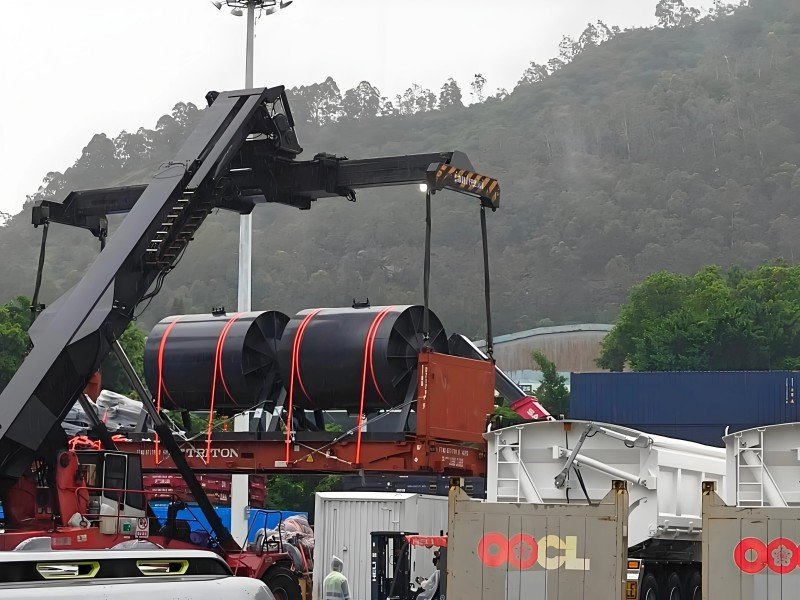
Optimize Cargo Dimensions and Configuration
The first step in optimization of oversized freight costs is, most of the time, the optimization of cargo dimensions and configuration, which directly impacts the necessary amount of space and resources of the transport. In the case of large packages such as industrial machines or construction materials the manner in which you pack and organize the cargo will either make your total transportation costs swell or deflate. As an example, inefficient configuration may need additional containers or special treatment, which will cost more than it needs to be.
In order to demonstrate the impact, we can refer to the following important optimization strategies:
| Optimization Strategy | Cost Benefit |
| Disassembling equipment | Reduce cargo dimensions |
| Efficient packing | Minimize container space |
| Balanced weight distribution | Reduce handling complexity |
| Compact cargo design | Improve loading efficiency |
Using disassembly to reduce cargo size (i.e. by disassembling large equipment into smaller modular components) can allow you to fit items in standard or semi-specialized containers, without the premiums of having a customized setup. In a project that I did a consultation on the manufacturing company saved 15-20% on the freight costs because they redesigned their packing process so that the weight was more evenly distributed that made the crane operations easier and created less risk of delays. The strategy can reduce the cost of oversized cargo logistics, but it can also increase safety in transit.
Measuring and Planning Cargo Effectively
Begin with accurate on-site measurements to reveal areas of reconfiguration. Such tools as 3D scanning may be used to see the distribution of components with each other and simulate the distribution of space. Such approach is data-based and makes sure that you are not overestimating the dimensions and end up offering some unnecessary upgrades in the types of containers or permits.
Choose the Most Efficient Container Type
The choice of the type of container is very important when it comes to the optimization of the cost of oversized freight, and improper selections can result in empty spaces and increased tariffs. Big cargo does not usually fit into the 20- or 40-foot standard containers, and therefore to know the peculiarities of specialized solutions is the main key to restraining costs.
The following are comparisons of the most common types of containers and their cost efficiency:
| Container Type | Cost Efficiency |
| Flat rack container | Efficient for wide cargo |
| Open top container | Suitable for tall cargo |
| Platform container | Used for extremely large cargo |
| Breakbulk shipping | Highest cost option |
In the case of wide loads such as steel beams, a flat rack container can be loaded safely on the side, without necessarily being enclosed, and is usually cheaper than breakbulk techniques that require handling the pieces separately. In my case, when a construction project changed its mode to flat racks, rather than the breakbulk, the handling fees cut down to as much as 25 per cent, since it made port operations easier. Firms usually collaborate with professional over-size cargo transporting companies to maximize cargo organization and minimize logistics costs. The aim is to fit the container to the profile of the cargo such as height, width or length, and factors such as stackability on vessels are put into consideration.
Evaluating Container Alternatives
In evaluating alternatives, consider the protrusions or irregularities of the cargo. Open tops also offer overhead access of tall items to cranes, which reduces the disassembly requirements. In all cases, add the price with any upcharge of non-standard sizes to be sure that the decision made is in line with your budget.
Plan Efficient Shipping Routes
Good planning of routes is central to reducing the cost of oversized shipping, as inefficient routes can lead to time wastage, increased fuel use, and extra charges. The routes do not just mean distance, but it requires making maneuvers within the infrastructure constraints, port capacity limitations, and regulatory challenges that contribute to the expense equation.
The important considerations in the route plan and their cost implications are:
| Route Factor | Cost Impact |
| Shorter shipping routes | Lower freight costs |
| Efficient port selection | Reduced handling fees |
| Avoiding infrastructure restrictions | Lower permit costs |
| Coordinated transport schedules | Reduced delays |
The use of shorter routes to the sea or multimodal transport, e.g., rail then ocean, can reduce the use of fuel and transit time costs. I have recommended paths where we have spared our clients a detour or special escort by shunning bridges of low height or narrow canals. These situations can be modeled using a route optimization software, taking into consideration the real-time variables, such as weather or port congestion, to reduce the complexity of logistics and minimize the cost of oversized cargo shipping.
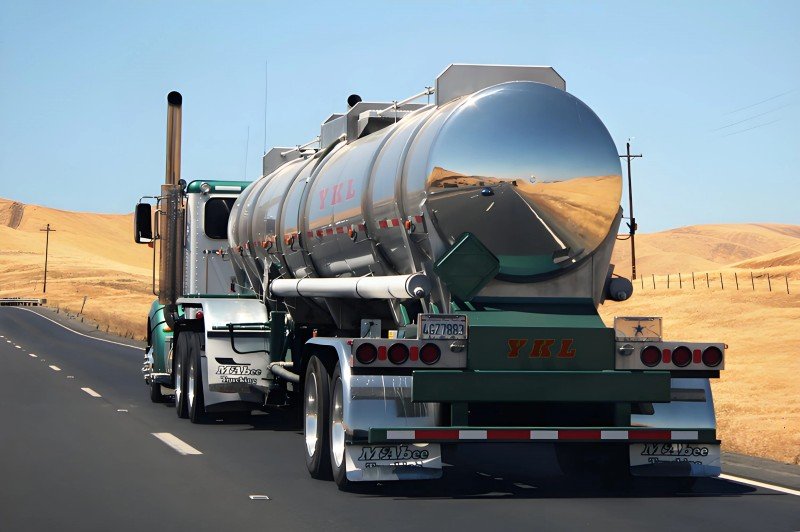
Incorporating Multimodal Strategies
You may consider incorporating road, rail, and sea legs in your plan. An example of this is the inland segments of rail may be cheaper than trucking oversized freight over long routes, particularly when there are weight limits on highways.
Reduce Loading and Handling Costs
Efficiency in loading and handling services is an established solution to reduce the costs of excessive cargo logistics since these activities represent a large part of the total costs due to the use of labor and equipment. Poor management may result in overtime payments or downtime on the equipment, further straining the budget.
Handling optimization strategies and benefits are as follows:
| Handling Strategy | Cost Benefit |
| Efficient cargo positioning | Faster loading |
| Standardized securing methods | Reduced labor time |
| Pre-loading preparation | Fewer handling delays |
| Equipment scheduling | Lower crane costs |
When the cargo is strategically placed on the loading dock, then the number of lifts by the crane is minimized and this is why the process becomes faster. Based on my consulting, standardized securing protocols such as the introduction of uniform lashing points have assisted the teams to save 10-15% of labor time. Pre-loading checks mean that all is in place, and last-minute adjustments do not cause a rise in costs.
Training and Process Improvements
The training of the team on handling oversized items should be invested in to foster efficiency. Equipment scheduling can be done by simple checklists whereby there is no bottleneck because Cranes and Forklifts are ready whenever required without charging idle time.
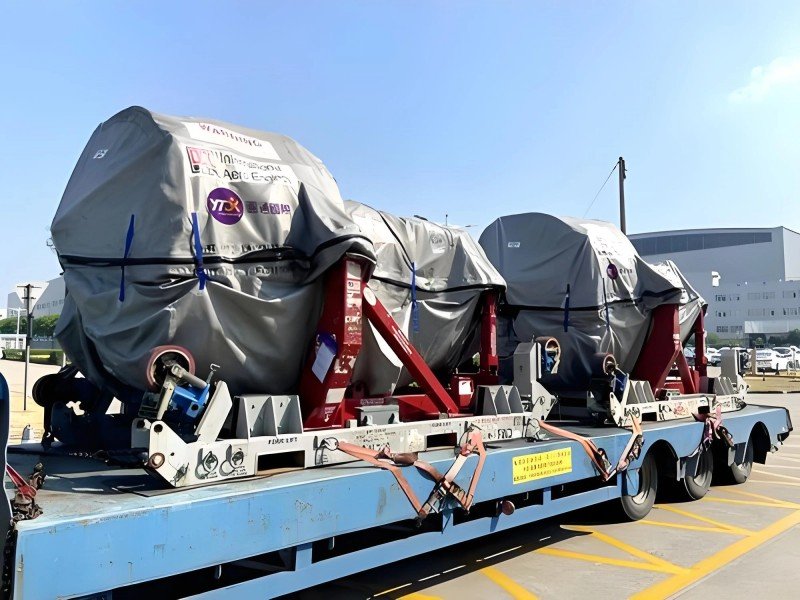
Minimize Permit and Regulatory Costs
Active permit and regulatory control is crucial in the optimization of oversized freight costs, as it may cause extensive fines or expedits in case of non-compliance. Oversized load permits differ depending on jurisdiction and delays in their acquisition can bring whole loads to a standstill.
Successful measures to deal with permits are:
| Permit Strategy | Benefit |
| Early permit planning | Avoid expedited fees |
| Accurate cargo documentation | Reduce administrative delays |
| Route compliance | Avoid penalties |
| Coordinated regulatory approvals | Faster processing |
Permitting should be initiated early enough (preferably in early planning) and this enables the resolution of problems without paying haste fees. The approvals are facilitated by accurate recording or the use of detailed weight and dimension reports. In previous projects, compliance with routes has been considered at the beginning which has saved penalty amounting to thousands of dollars on the budget.
Improve Cargo Securing and Protection Planning
Strong cargo securing and protection plans are significant to the prevention of risk-associated expenditures in the case of oversized cargo transfer, when its movement or damage may generate claims and rework expenditures. Such inadequate protection means that cargo is subjected to the environmental conditions or changes during transit.
Important protection measures, and their advantages:
| Protection Strategy | Benefit |
| Proper lashing systems | Prevent cargo movement |
| Protective covers | Reduce weather damage |
| Cargo stabilization | Avoid structural damage |
| Insurance planning | Reduce financial risk |
Stability is achieved by using superior lashing equipment that is designed to suit the shape of the cargo, and samples may not shift resulting in accidents. Moisture is also prevented by protective wrappings such as tarps or shrink-wrap, and integrity is ensured by stabilization braces. This proper planning does not only ensure the safety of the cargo it also helps to reduce insurance premiums by proving that the risk is reduced.
Work with Experienced Logistics Partners
The application of experienced logistics partners is a prudent decision when it comes to reducing cost in the case of oversized cargo shipping since they will be able to identify areas of efficiency that may be missed when carrying out the task by an in-house team. These partners provide experiences of managing the similar shipments in other industries.
The benefits of these partnerships are as follows:
| Logistics Advantage | Cost Benefit |
| Accurate cargo assessment | Avoid unnecessary equipment |
| Efficient transport planning | Reduce delays |
| Container optimization | Lower freight costs |
| Risk management | Avoid unexpected expenses |
A knowledgeable partner would be able to evaluate cargo properly in order to prescribe optimal configurations without excessively equipping them. Their planning usually streamlines their operations reducing delays and freight rates via networks.
Industries That Benefit from Cost Optimization
Optimization of costs in oversized cargo logistics is of great importance to industries that are characterized by large-scale projects where transportation costs can kill or prosper profitability. These industries often deal with large products, which require special treatment.
Ordinary industries and typical cargoes:
| Industry | Typical Oversized Cargo |
| Construction | Excavators and cranes |
| Renewable energy | Wind turbine components |
| Oil & Gas | Drilling equipment |
| Manufacturing | Industrial machinery |
| Infrastructure | Steel structures |
In the case of construction contractors or managers of energy projects, cost optimization would ensure that projects do not exceed their budgets, particularly when time constraints are limited. In renewable energy, e.g., the transportation of huge turbine blades may easily save considerable amounts, and the funds could be reinvested into the project development.
Conclusion — Strategic Planning Reduces Oversized Cargo Transport Costs
Cargo transport expenses can be optimized with regard to strategic logistics planning as they are large. Strategies to minimize oversized costs of transportation of cargo include efficient cargo design, proper choice of container, routing, and well-trained logistic coordination. Implementing these strategies, companies will be able to save a significant amount of money, as well as to preserve their safety and reliability in the workflow.