
Managing large cargo at ports is a much more complicated task compared to dealing with the regular containerized cargo. Since these types of loads usually surpass the standard size of containers and load capacity, the work of ports requires special equipment, strengthened infrastructure, and a high level of coordination between various teams. Most companies make the wrong assumption that the process of shipping oversized cargo is a simple one compared to normal container shipping. As a matter of fact, it needs heavy-lift equipment, specific safety requirements, and sequencing of the operations to prevent delays, damages, or accidents.
Good port management of large cargo is based on the correct assessment of infrastructure, the equipment capacity of the same, and the well-planned logistics. In the absence of these elements, even regular deliveries may become big bottlenecks.
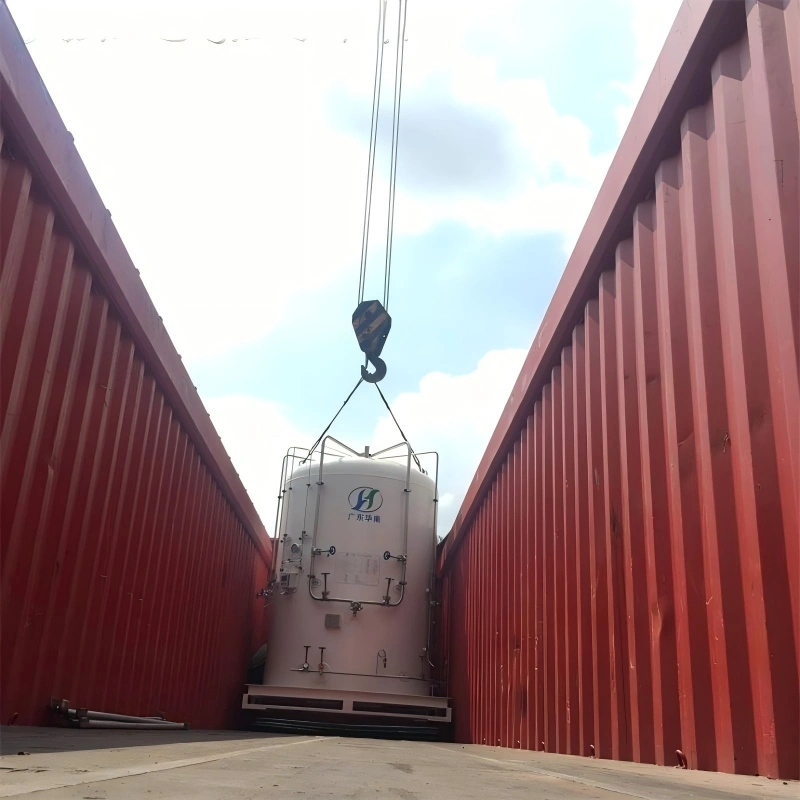
Why Oversized Cargo Requires Specialized Port Handling
Normal container handling systems do not accommodate the requirements of oversized loads. Standard gantry cranes, stack yard and terminal operations are tailored to fit homogenous TEU containers but large cargo, whether it be heavy machinery, turbine blades or bridge segments, present non-uniform shapes, excessive weights and destabilizing factors, and these demand completely different strategies.
This is where special processes are involved such as special lifting systems to increased safety margins. Best planning in oversize cargo transportation consists in assessing the capacity of the ports before the shipment is made, as to ensure that the chosen facility is able to handle the load without affecting the timelines or the safety.
In this case, here is the brief description of the important handling requirements and the standard operations:
| Handling Requirement | Reason |
| Heavy-lift cranes | Large cargo weight |
| Specialized lifting frames | Cargo stability |
| Extra storage space | Large cargo dimensions |
| Safety supervision | Risk management |
Such differences are not optional, but are required to ensure that there are no structural failures, load transfer, or injuries in case of vessel-to-shore or vice versa transfers.
Heavy-Lift Crane Capacity Limitations
The very first critical point with oversized cargo at ports is often crane capacity. Numerous terminals use mobile harbor cranes with a capacity of 100- 200 tons which is adequate in the case of normal breakbulk but inadequate in the case of projects cargo.
Once the loads have passed these limits, the operations will change to special heavy-lift or floating cranes, which can accommodate much more but are not as prevalent and must be booked in advance.
| Crane Type | Typical Capacity |
| Mobile harbor cranes | 100–200 tons |
| Heavy-lift cranes | 300–1000 tons |
| Floating cranes | Ultra-heavy cargo |
Very heavy objects, like a large industrial transformer or offshore module, can strain even these limits, and will require tandem lifts or dedicated gear. Under-estimating the needs of crane may result in the rejection of the bookings, rerouting, or costly on-site adjustments.
Limited Terminal Space for Oversized Cargo
The heavy cargo is not only bigger but also occupies a large space on the ground. Container yard-based terminals tend to be plagued by the size of large objects, which results in small manoeuvre spaces and long dwell times.
Additional room is also required to store as well as obtain safe access by SPMTs (self-propelled modular transporter), rigging crews, and support vehicles.
| Space Requirement | Impact |
| Large cargo footprint | Terminal space allocation |
| Storage area planning | Logistics coordination |
| Cargo maneuvering space | Equipment movement |
| Safety buffer zones | Risk prevention |
These restrictions often lead to delays, with cargo unable to be staged efficiently, or having to wait due to other adjacent areas. This can lead to vessel berthing problems and even general throughput decreases in high workload multipurpose ports.
Loading and Unloading Coordination
One of the most important and most overlooked elements of oversized cargo port handling is coordination. The oversized operations have many interdependent teams, unlike the predictable cycles of container moves; the crane operators, riggers, truck-drivers, vessel crew and safety inspectors.
Timing errors can stall the operations by hours or days.
| Operation | Challenge |
| Crane scheduling | Limited heavy-lift equipment |
| Transport vehicle coordination | Timing constraints |
| Cargo positioning | Safety considerations |
| Multi-team operations | Communication complexity |
Close coordination, such as elaborate pre-arrival meetings and real-time updating, enhance efficiency dramatically. It will reduce downtime of costly machines and increase the probability that changes will not be made at the last moment and will create errors.
Safety Risks in Oversized Cargo Handling
With oversized cargo, the risk of safety increases fast because it can cause disastrous consequences in case of an accident. Lifts that are unstable, the sudden change in load centre, or even touching of other buildings may lead to severe accidents.
| Risk | Impact |
| Cargo instability | Equipment damage |
| Lifting accidents | Worker safety risk |
| Infrastructure stress | Port equipment damage |
| Operational delays | Increased logistics costs |
There is no compromise on rigorous safety planning, such as load calculations, wind limits and emergency procedures. Seasoned teams consider each lift an individual experience, and they perform risks evaluations instead of depending on standardized processes.
Weather and Environmental Factors
No other factor can stop the oversized cargo activities as quicker as the weather conditions. Strong winds such as those, are a limit on the cut-offs of cranes use, rain impacts on visibility and protection of cargo.
| Environmental Factor | Impact |
| High wind speeds | Crane operation limits |
| Rain | Cargo protection requirements |
| Sea conditions | Vessel stability |
| Temperature | Equipment performance |
Hydraulic systems are prone to extreme heat, and rigging is susceptible to cold weather. Most of the delays at the heavy-lift moves are unexpected, and ports in changeable climates caused by storms usually build up contingency time in schedules, yet add to them.
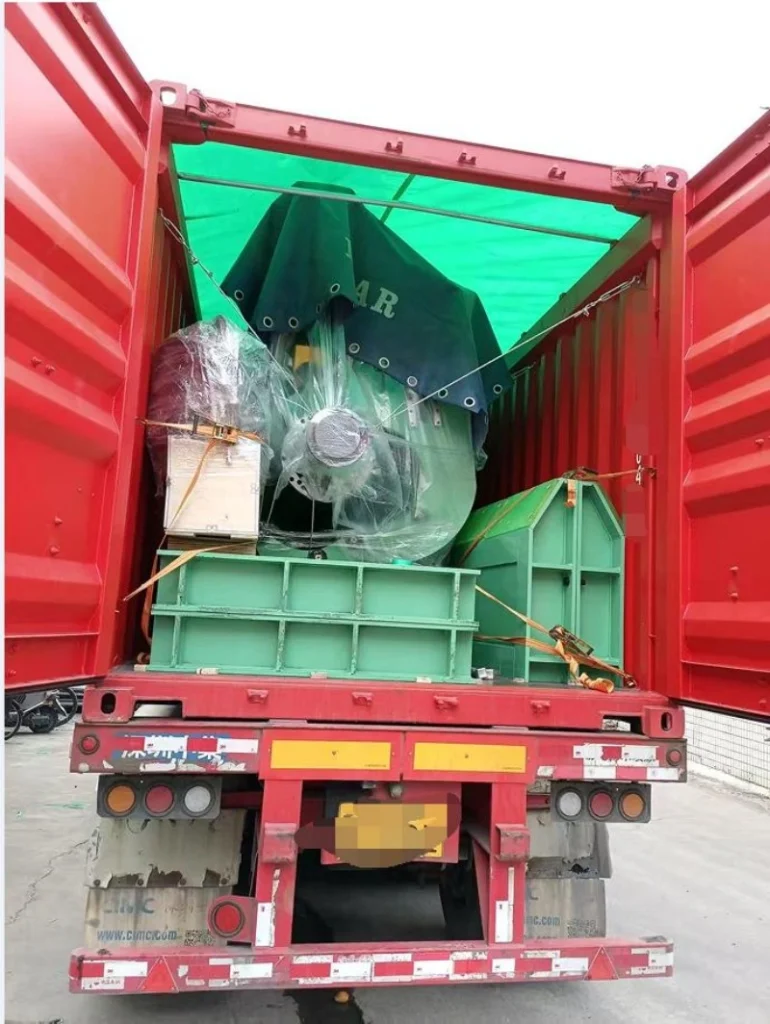
Industries That Frequently Ship Oversized Cargo Through Ports
It has a number of industries that frequently rely on ports which can accommodate oversized shipments, and regular container solutions do not work in such cases.
| Industry | Typical Cargo |
| Construction | Excavators and cranes |
| Renewable energy | Wind turbine components |
| Oil & Gas | Drilling equipment |
| Manufacturing | Industrial machinery |
| Infrastructure | Steel bridge sections |
These sectors are dependent on specialized port operations due to the fact that equipment used is of mission-critical nature, is often custom-built and cannot withstand damage or prolonged delays. The proper choice of ports and prior coordination are two important factors in ensuring that the projects are on schedule.
Strategies to Reduce Port Handling Challenges
The silver lining is that most of the issues of handling oversized cargo during the process of port handling can be alleviated through prior planning. Mature logistics teams spend time on preparation before the cargo arrives at the terminal.
The following are some of the strategies that have been proven to work:
- Pre-assessment of the port infrastructure – Survey quay strength, crane specifications, and access roads to verify compatibility.
- Heavy-lift equipment reservation – Schedule special cranes or tandem combinations months in advance, they are not very many.
- Coherent planning of logistics – Preventive coordination of vessel ETA, inland transport, and terminal windows.
- Cargo securing and preparation – Use suitable lashing points and wraps at point of origin to accelerate the port transfers.
- Extensive handling procedures -Draw 3D simulations and step ladder lift plans sent to all involved to provide clarity.
All these measures minimize the level of surprises, shortens dwell times and it minimizes the amount of risk exposure..
Conclusion — Port Handling Is a Critical Stage in Oversized Cargo Logistics
Handling of the port is still among the most complicated and dangerous processes involved in the transportation of oversized cargo. These loads have to be transported efficiently and without incident using specialized equipment, extensive infrastructure planning, powerful safety procedures and, most importantly, strict operational coordination.
When any of these factors are inadequate, it does not take long before delays, damages and safety complications ensue. Seeing port operations as a specific phase that needs the same expertise as ocean or inland legs, the logistics team can transform the possible bottlenecks into controlled steps.