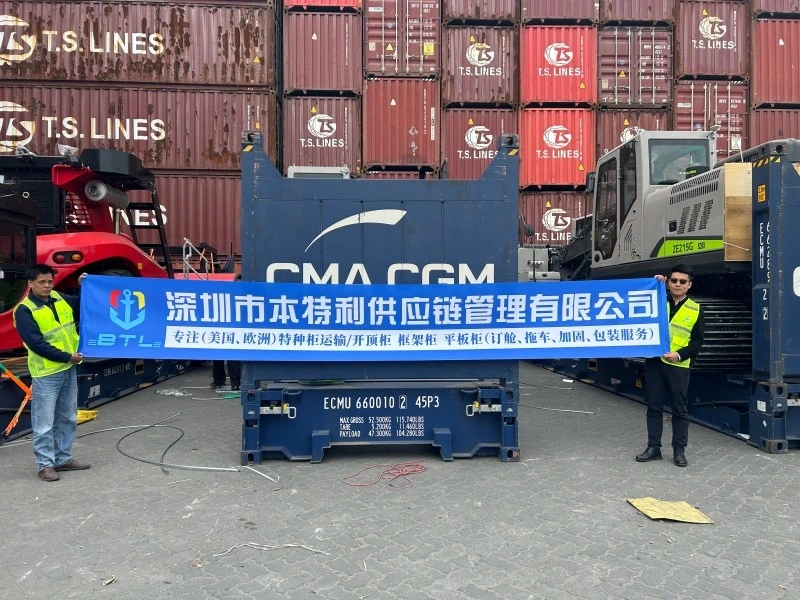
Port-Specific Regulations for Oversized Industrial Equipment
Oversized industrial […]

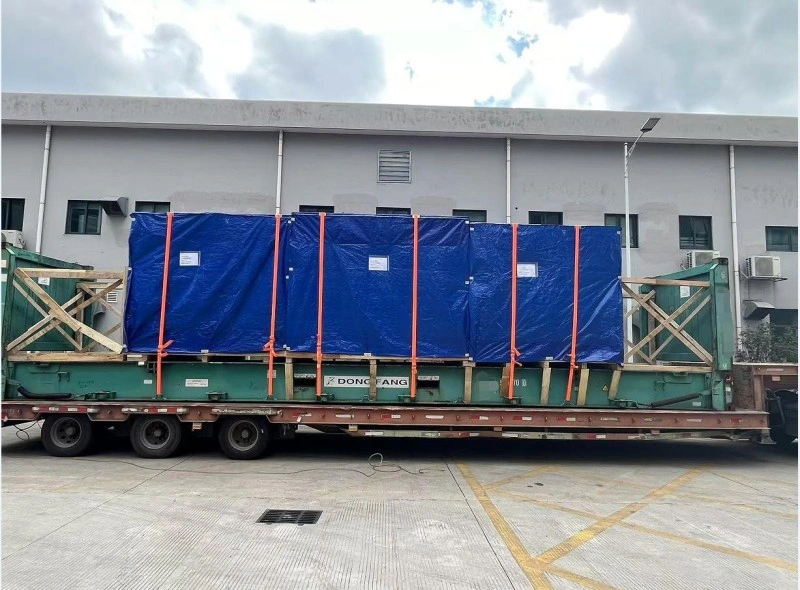
Environmental compliance is an important part of engineering logistics projects, especially when moving heavy machinery, hazardous components, oversized cargo, or industrial equipment across long distances. This guide explains how emissions control, spill prevention, packaging waste, route planning, cargo protection, documentation, and site procedures can reduce environmental risk while supporting safe project cargo transport.
Target Keywords / Relevant Keywords
Primary: environmental compliance in engineering logistics projects
Secondary: engineering logistics environmental compliance, sustainable engineering logistics, project cargo environmental compliance, environmental risk in logistics, heavy cargo environmental compliance, spill prevention in engineering logistics
Long-tail: environmental compliance considerations in engineering logistics projects, how to reduce environmental risk in project cargo transport, spill prevention for heavy equipment logistics, sustainable packaging for engineering logistics projects, environmental documentation for oversized cargo transport, managing packaging waste in project cargo logistics, hazardous component review in engineering logistics
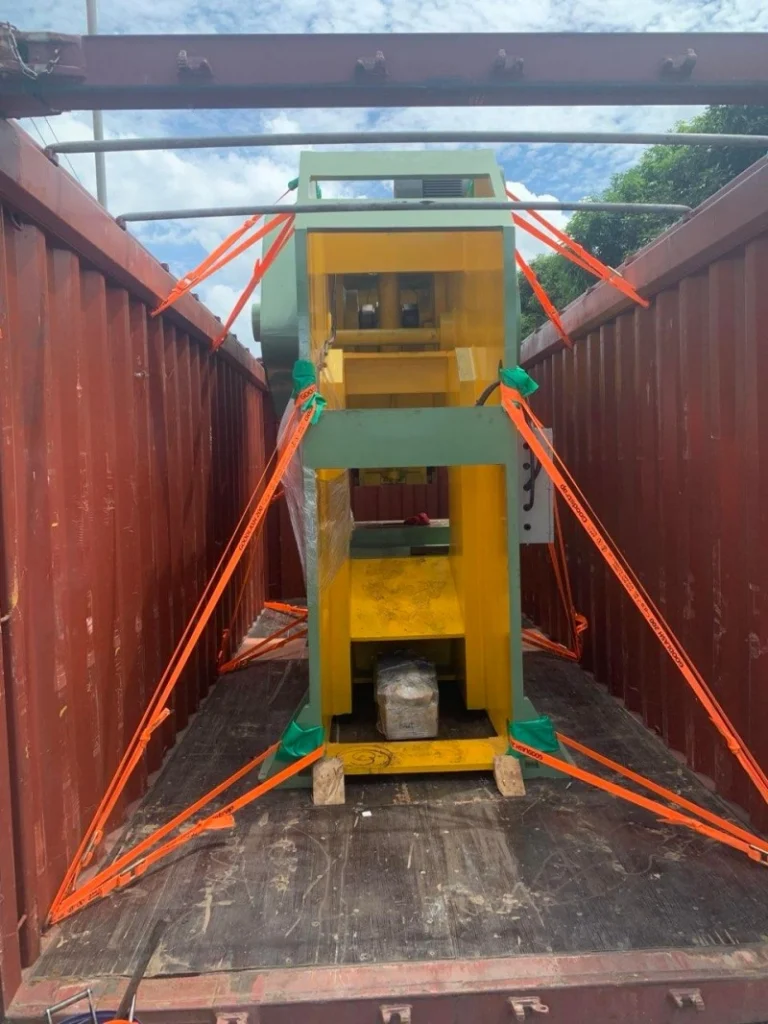
Customs procedures for complex machinery and factory relocations require accurate equipment lists, HS codes, cargo descriptions, valuation records, permits, inspection documents, and consistent shipping paperwork. This guide explains how to prepare for customs clearance when moving production lines, used machinery, control cabinets, tooling, spare parts, and industrial equipment across borders.
Target Keywords / Relevant Keywords
Primary: customs procedures for complex machinery and factory relocations
Secondary: machinery customs clearance, factory relocation customs procedures, customs clearance for industrial machinery, used machinery customs clearance, HS code for machinery, machinery import documentation
Long-tail: how to prepare customs documents for complex machinery, customs clearance checklist for factory relocation projects, HS code classification for industrial machinery relocation, how to avoid customs delays in factory relocation, customs planning for complex industrial equipment shipping
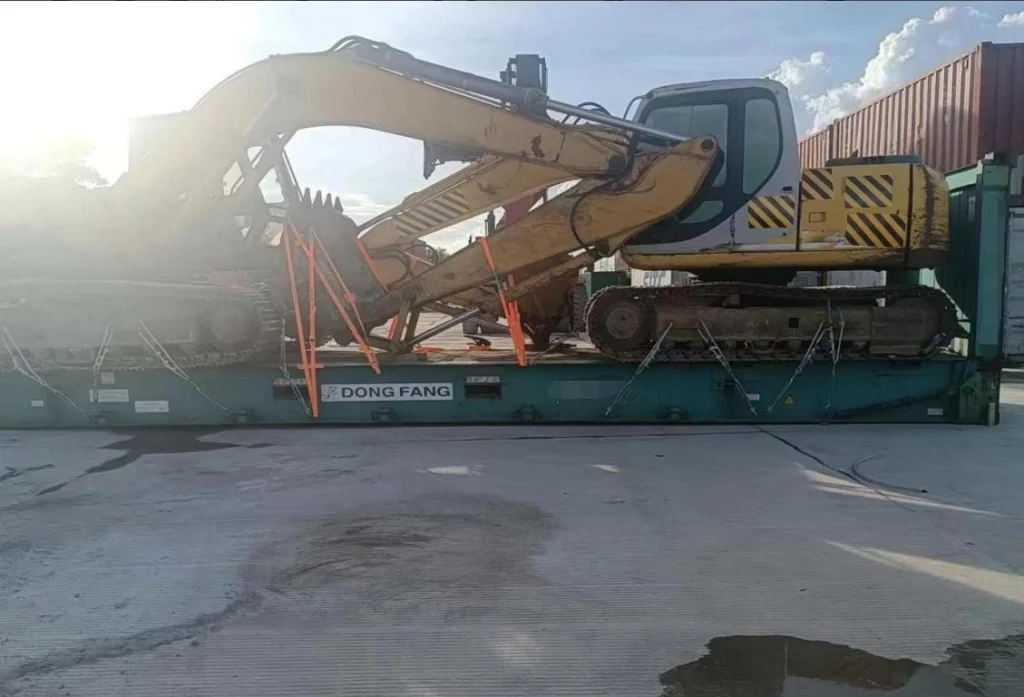
International trade compliance is a critical part of multi-modal engineering logistics, especially when oversized, heavy, high-value, or regulated cargo moves across borders. This guide explains how customs documents, HS codes, permits, export controls, dangerous goods rules, port requirements, insurance records, and contractor coordination affect project cargo clearance and delivery reliability.
Target Keywords / Relevant Keywords
Primary: international trade compliance for multi-modal engineering logistics
Secondary: multi-modal engineering logistics, trade compliance for project cargo, compliant engineering logistics, international project cargo compliance, customs documentation for engineering cargo, HS code for industrial equipment, oversized cargo permits
Long-tail: how to manage compliance for engineering project cargo, customs documents required for international engineering cargo, compliance risks in multi-modal project cargo transport, permits required for oversized engineering cargo transport, how to avoid customs delays in engineering logistics
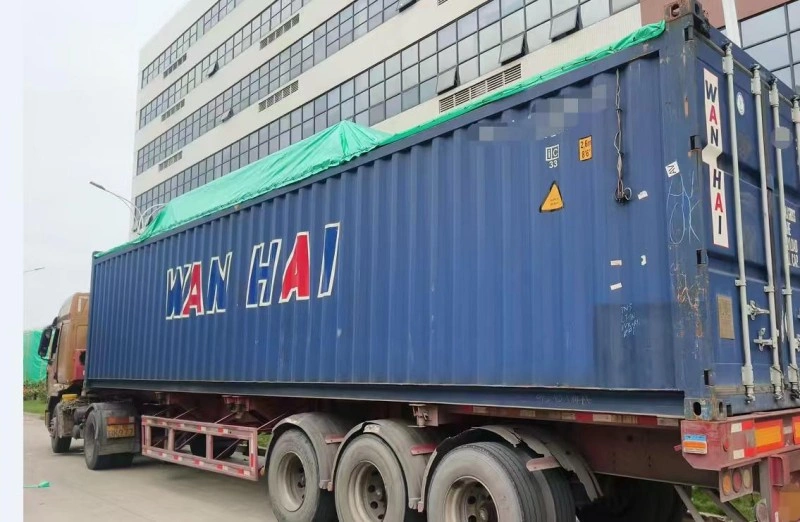
Automation and robotics are increasingly used to support project cargo loading and unloading, especially where heavy, oversized, sensitive, or high-value equipment requires safer handling and precise positioning. This guide explains how automated systems, robotic tools, sensors, remote-control equipment, and digital monitoring can improve loading safety while still requiring engineering planning and on-site supervision.
Target Keywords / Relevant Keywords
Primary: automation and robotics in project cargo loading
Secondary: project cargo loading and unloading, automated cargo handling, robotics in logistics, heavy cargo handling automation, automated engineering logistics solutions, project cargo handling safety, robotic cargo handling, heavy equipment loading technology, sensor-assisted cargo handling, automated loading systems
Long-tail: automation and robotics in loading and unloading project cargo, how automation improves project cargo loading safety, robotic systems for heavy cargo handling, automated loading and unloading for project cargo, sensor-assisted loading for heavy equipment transport, using automation in engineering logistics operations, how robotics support heavy equipment relocation, automated cargo handling for oversized machinery, remote-controlled equipment for project cargo loading, limitations of automation in heavy cargo handling
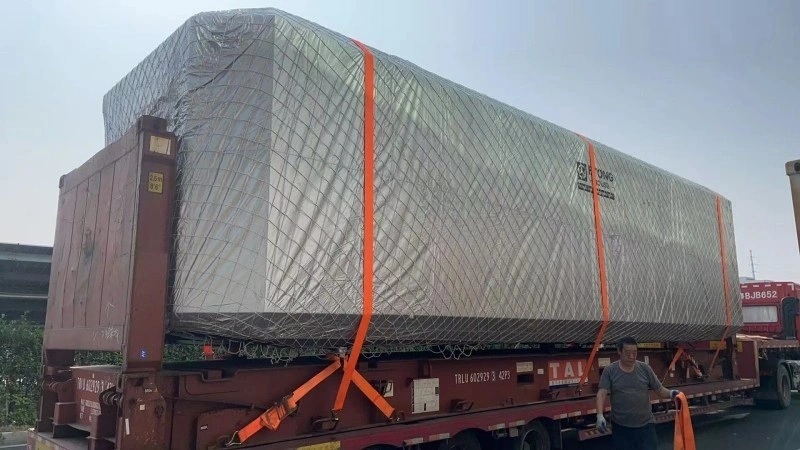
Predictive maintenance logistics helps protect high-value equipment during transport by identifying condition risks before, during, and after movement. This guide explains how inspections, sensor data, vibration monitoring, moisture control, maintenance records, cargo protection, route planning, and post-delivery checks work together to reduce damage risks and preserve equipment integrity in engineering logistics projects.
Target Keywords / Relevant Keywords
Primary: predictive maintenance logistics
Secondary: equipment integrity during transport, predictive engineering logistics, industrial equipment transport, equipment condition monitoring, heavy equipment transport safety, sensitive equipment logistics, transport risk assessment, cargo condition monitoring, equipment protection during shipping, post-delivery inspection
Long-tail: predictive maintenance logistics for equipment transport, how to ensure equipment integrity during transport, equipment condition monitoring during heavy cargo transport, predictive logistics for industrial equipment shipping, how to protect machinery during transport, vibration monitoring for equipment transport, moisture protection for industrial equipment shipping, post-delivery inspection for transported equipment, using sensor data to protect equipment during transport, predictive maintenance approach in engineering logistics
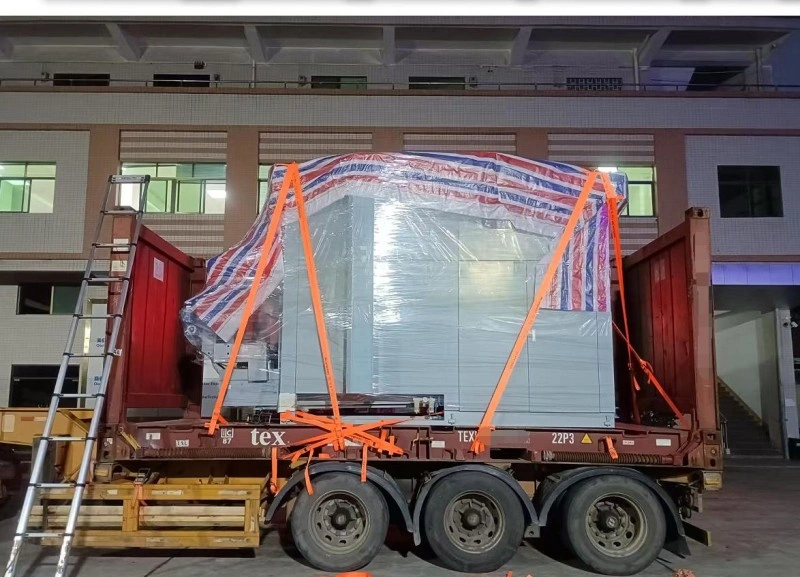
BIM can support engineering logistics by connecting digital project models with transport planning, site access, lifting zones, storage areas, delivery sequencing, and installation schedules. This guide explains how BIM-based planning helps logistics teams reduce site conflicts, improve contractor coordination, and manage heavy or oversized equipment delivery more safely and predictably.
Target Keywords / Relevant Keywords
Primary: integrating BIM with engineering logistics
Secondary: BIM engineering logistics, BIM-based engineering logistics, engineering logistics planning, project cargo site planning, heavy equipment delivery planning, construction logistics planning, BIM for site logistics
Long-tail: how BIM supports engineering logistics planning, BIM-based planning for heavy equipment delivery, how BIM improves site access planning for project cargo, using BIM for crane lifting and storage planning, BIM for engineering cargo delivery sequencing
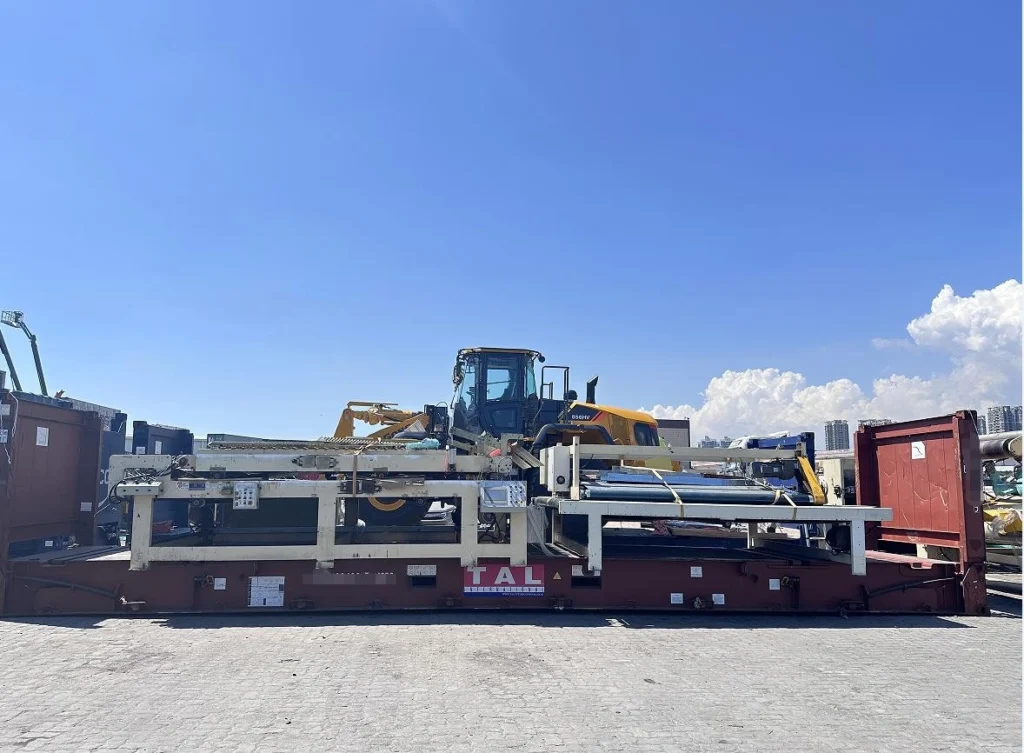
Automotive assembly line relocation involves heavy, sensitive, and production-critical equipment such as robotic cells, conveyors, stamping equipment, welding lines, fixtures, test systems, and control cabinets. This guide explains how to plan heavy equipment relocation through equipment assessment, dismantling, lifting, protective packing, transport, delivery sequencing, and reinstallation coordination to reduce downtime and damage risk.
Target Keywords / Relevant Keywords
Primary: heavy equipment relocation for automotive assembly lines
Secondary: automotive assembly line relocation, heavy equipment relocation, factory equipment relocation, automotive production line relocation, industrial machinery relocation, heavy equipment engineering logistics, automotive plant relocation
Long-tail: how to relocate automotive assembly line equipment safely, heavy equipment relocation strategies for automotive plants, reducing downtime during automotive assembly line relocation, logistics planning for automotive production line relocation, dismantling and moving automotive assembly line equipment, cargo protection for automotive production equipment