
Predictive maintenance logistics is the application of maintenance thinking in the whole process of equipment transportation. It is concerned with the prevention and control of the risks of conditions that may occur during lifting, packing, road transport, sea transport, storage, unloading and final installation. This method can be helpful in maintaining the integrity of the equipment during transit, as well as ease the restart or installation process when the cargo arrives at the final destination, by combining pre-shipping inspections, transport risk assessment, condition monitoring and post delivery checks.
Vibration, shock, moisture, tilt or incorrect handling can cause damage to high value industrial equipment like compressors, transformers, CNC machines, production lines without apparent exterior indications. Predictive maintenance logistics is not about predicting all failures, it is about being able to identify transport related risks in a timely fashion when it is possible to take action. Many teams think that equipment does not become damaged as long as it doesn’t have any dents or scratches. In fact, once delivered, internal shifts, alignment changes, corrosion or calibration drift can cause expensive delays.
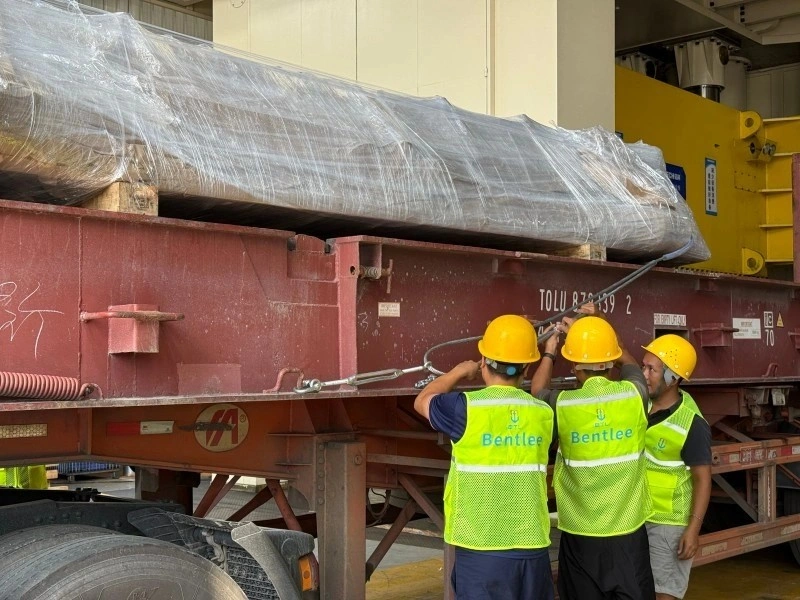
What Is Predictive Maintenance Logistics?
The concept of predictive maintenance logistics merges its foundations with the best practices of transport planning and judicious management of equipment condition. It helps to reduce transport-related issues that can impact performance by creating a seamless information and security chain from point of origin to final installation.
For compressors, transformers, robotic systems, production equipment, and other high-value machinery, predictive engineering logistics helps connect condition assessment, transport risk control, sensor monitoring, protective packaging and post delivery inspection to be combined into a single practical equipment protection plan for compressors, transformers, robotic systems, production machinery and other valuable equipment.
| Element | What It Means in Transport | Why It Matters |
| Pre-Shipment Inspection | Checking visible condition, sensitive parts, fluids, seals, and packaging needs | Establishes a reliable baseline condition |
| Maintenance Records | Reviewing service history, known issues, and critical components | Helps identify equipment sensitivity |
| Risk Assessment | Evaluating vibration, shock, moisture, tilt, and route risks | Guides targeted protective measures |
| Sensor Monitoring | Tracking vibration, shock, tilt, temperature, or humidity during transport | Provides objective condition-related data |
| Protective Planning | Selecting packaging, lashing, support, and environmental protection | Reduces transport stress on the equipment |
| Post-Delivery Check | Inspecting equipment after unloading and before installation | Confirms whether further review or corrective action is needed |
| Handover Records | Documenting cargo condition and transport events | Supports accountability and informed decision-making |
Why Equipment Integrity Can Be Affected During Transport
The dynamic conditions to which equipment is put when in transport are very different from the conditions it will experience in normal operation. These forces can result in hidden damage even in well-maintained machinery.
| Transport Risk | Possible Impact on Equipment Integrity |
| Vibration | Loose fasteners, alignment changes, fatigue, or calibration drift |
| Shock / Impact | Internal component damage or frame stress |
| Tilt | Lubricant shift, unstable load behavior, or sensitive component stress |
| Moisture | Corrosion, electrical issues, condensation, or insulation damage |
| Salt Air | Accelerated rust during ocean transport |
| Dust | Contamination of vents, surfaces, or precision components |
| Temperature Change | Condensation or material expansion concerns |
| Improper Lifting | Deformation, cracked mounts, or structural stress |
| Poor Support | Base frame distortion or uneven load stress |
| Long Storage | Rust, seal degradation, or protective covering failure |
Equipment Types That Benefit from Predictive Maintenance Logistics
Predictive maintenance logistics is most useful for high value, production critical, sensitive or hard to repair assets. The items have high recommissioning costs, long spare parts lead times etc.
| Equipment Type | Condition Risk During Transport |
| Compressors | Vibration, moisture, internal component stress, and alignment concerns |
| Pumps | Shaft alignment, seal protection, and base support issues |
| Transformers | Shock, tilt, moisture, insulation, and handling sensitivity |
| CNC Machines | Precision alignment, vibration, and surface protection |
| Robotic Systems | Calibration, cabling, control cabinet protection, and shock exposure |
| Control Cabinets | Moisture, electrical component damage, and impact risk |
| Testing Equipment | Calibration sensitivity and vibration exposure |
| Production Line Equipment | Component tracking, alignment, and reinstallation readiness |
| Skid-Mounted Systems | Center of gravity, base support, and lashing design |
| Turbines / Generators | High value, vibration sensitivity, and moisture protection |
Pre-Shipment Inspection and Baseline Condition Records
A predictive maintenance logistic process always begins before the cargo departs from the current location. A complete baseline record will allow the identification of any changes that may have taken place in transit.
| Baseline Check | Why It Matters |
| Visual Condition | Identifies visible damage before transport |
| Photo / Video Records | Creates evidence for accurate after-delivery comparison |
| Sensitive Components | Guides extra protection and handling controls |
| Loose Parts | Reduces risk of internal movement or damage |
| Fluids and Seals | Helps prevent leakage or contamination issues |
| Electrical Cabinets | Confirms moisture and impact protection needs |
| Lifting Points | Supports safe crane or forklift handling |
| Tie-Down Points | Prevents securing pressure on weak or sensitive areas |
| Maintenance History | Reveals known condition concerns |
| Handling Instructions | Helps contractors avoid incorrect movement methods |
Using Sensors and Condition Monitoring During Transport
The modern sensors give objective evidence which may not be obvious when only visually checking the transport conditions.
| Monitoring Tool | What It Measures | Logistics Value |
| Vibration Sensor | Continuous vibration levels | Helps assess risk to precision or rotating equipment |
| Shock Sensor | Sudden impact events | Supports inspection after abnormal handling |
| Tilt Sensor | Angle changes or excessive leaning | Helps detect instability or improper handling |
| Humidity Sensor | Moisture exposure | Supports corrosion and electrical protection control |
| Temperature Sensor | Heat or cold exposure | Helps assess condensation or material risk |
| GPS Tracker | Location and route progress | Supports schedule visibility and route control |
| Data Logger | Transport condition history | Provides records for post-delivery review |
| Seal Sensor | Opening or tampering | Supports cargo integrity and security control |
Protective Measures Based on Predictive Risk Assessment
Collecting data is the first step towards predictive maintenance logistics, but it is only the first step.Collecting data is merely the first phase in predictive maintenance logistics; the effective part of predictive maintenance logistics is to transform the risk data into targeted protection measures.
| Identified Risk | Preventive Measure |
| Vibration Sensitivity | Shock-absorbing pads, stable supports, and speed control |
| Shock Exposure | Wooden crating, cushioning, and careful handling procedures |
| Moisture Sensitivity | Waterproof wrapping, desiccants, vapor barrier, or vacuum sealing |
| Corrosion Risk | Anti-rust treatment, VCI material, and sealed packaging |
| High Center of Gravity | Proper load positioning, lashing, and route planning |
| Weak Support Points | Custom supports or reinforced base frames |
| Sensitive Electrical Parts | Sealed cabinets, moisture control, and impact protection |
| Long Storage Period | Periodic inspection and protective maintenance |
Route Planning and Transport Mode Selection for Equipment Integrity
The stresses that equipment will undergo will directly affect route and mode selection. Experienced planners evaluate more than just distance or cost.
| Planning Factor | Integrity Concern | Better Planning Approach |
| Road Surface | Excessive vibration or shock | Select smoother route or adjust transport speed |
| Handling Frequency | More lifting increases damage risk | Reduce unnecessary transfers where practical |
| Sea Freight Exposure | Moisture, salt air, and vibration | Use protective packaging and condition monitoring |
| Open Transport | Rain, dust, and external exposure | Add waterproof and dust protection |
| Trailer Type | Poor support or high vibration | Match trailer to cargo weight, height, and sensitivity |
| Transit Time | Longer exposure to risk | Plan inspection points and environmental protection |
| Final-Mile Access | Rough or restricted site roads | Survey access and prepare unloading plan |
| Storage Condition | Humidity, dust, or accidental impact | Use indoor or covered storage where needed |
Post-Delivery Inspection and Equipment Readiness Review
Predictive maintenance logistics is not just a matter of arrival. The majority of condition problems only manifest themselves when they are looked at in detail after delivery.
| Post-Delivery Check | Why It Matters |
| Visual Inspection | Identifies visible damage after transport |
| Baseline Comparison | Confirms whether condition changed during transit |
| Sensor Data Review | Helps detect shock, vibration, tilt, or humidity events |
| Packaging Inspection | Shows whether protective measures performed properly |
| Moisture / Corrosion Check | Reduces risk before installation or startup |
| Seal and Cabinet Check | Protects electrical and control systems |
| Base Frame Inspection | Confirms support and transport did not cause deformation |
| Loose Part Check | Prevents startup or installation problems |
| Handover Report | Creates accountability and condition record |
| Readiness Review | Confirms whether equipment can proceed to installation or needs further inspection |
Predictive Maintenance Logistics Workflow
A clear workflow ensures everyone is on board and that no important details are missed.
| Workflow Step | Main Action | Output |
| Equipment Review | Study equipment type, value, sensitivity, and maintenance history | Equipment risk profile |
| Baseline Inspection | Record pre-shipment condition with photos and checklist | Baseline condition record |
| Transport Risk Assessment | Evaluate vibration, shock, moisture, route, handling, and storage risks | Risk control plan |
| Protection Planning | Select packing, sealing, support, lashing, and monitoring methods | Equipment protection plan |
| Monitoring Setup | Install sensors or data loggers where appropriate | Monitoring plan |
| Transport Execution | Move cargo according to route, handling, and securing plan | Controlled transport record |
| Field Updates | Record loading, transit, port, storage, and delivery status | Execution evidence |
| Post-Delivery Inspection | Compare condition, review sensor data, and check readiness | Delivery condition report |
| Lessons Learned | Review transport data and improve future planning | Improvement record |
Common Mistakes in Predictive Maintenance Logistics
Advanced teams can develop routines that can negatively impact equipment protection.
| Mistake | Better Practice |
| No baseline condition record | Document equipment condition before transport |
| Treating sensors as decoration | Define what data matters and who reviews alerts |
| Ignoring vibration risk | Use suitable support, route selection, and monitoring |
| Weak moisture protection | Apply desiccants, sealing, waterproof covering, or anti-rust treatment |
| Poor lashing location | Secure cargo at approved tie-down points only |
| Choosing shortest route only | Consider road condition, vibration, clearance, and access |
| No post-delivery inspection | Compare condition with baseline and review monitoring data |
| Assuming no visible damage means safe | Check internal, electrical, alignment, or moisture-sensitive concerns when needed |
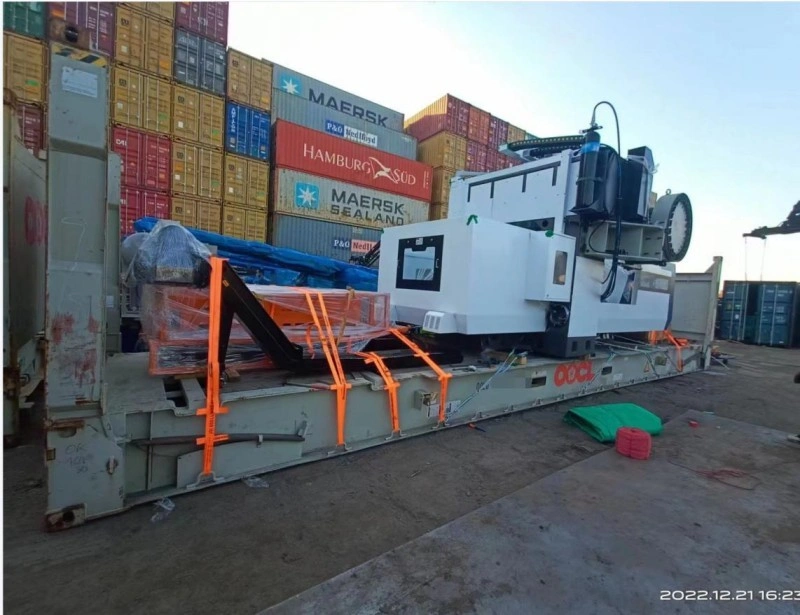
How to Choose a Logistics Partner for Predictive Equipment Protection
The key is to choose the right partner, as that will determine whether your project goes more smoothly or if there will be any time lost. Search for suppliers that really grasp transport execution and gear condition security.
| Logistics Capability | Why It Matters |
| High-Value Equipment Experience | Helps identify cargo condition risks early |
| Cargo Survey Capability | Provides accurate dimensions, weight, lifting points, and sensitivity data |
| Maintenance-Aware Planning | Connects equipment condition with transport decisions |
| Monitoring Knowledge | Helps select sensors, alerts, and reporting methods |
| Protective Packaging Options | Controls moisture, shock, dust, and corrosion exposure |
| Route Planning | Reduces vibration, access, and delay risks |
| Specialized Transport Equipment | Matches equipment weight, height, and sensitivity requirements |
| Lashing and Securing Expertise | Prevents movement without damaging sensitive areas |
| Field Supervision | Confirms loading and securing follow the plan |
| Post-Delivery Reporting | Supports readiness review and accountability |
Conclusion — Equipment Integrity Requires Planning Before and After Transport
Predictive maintenance logistics enables teams to plan logistics beyond transporting. Project teams minimize uncertainty and solve problems sooner with equipment condition pre-shipment, protected during shipment, monitored if needed, and checked post-shipment.
With complex engineering logistics projects where sensitive or valuable machines are involved, success should not be defined by just “arrival”, but by equipment condition and installation readiness. This experience-based method helps maintain equipment value, adhere to schedules, and avoid expensive surprises for plant managers, EPC contractors as well as industrial operators.