
International trade compliance ensures efficient multi-modal engineering logistics by managing cargo classification, customs clearance, permits and regulatory requirements from the point of origin to the final mile, facilitating seamless cross-border movement of oversized, heavy and complex industrial goods. When it comes to project cargo like machinery, pressure vessels, skids and factory equipment, early compliance planning helps avoid customs holds, port rejections, storage costs, and disruptions to schedule, which can make the difference between a project closing on time, or falling behind.
Compliance is not an administrative process of its own but it is a part of the transport chain. Many shippers find out this when their oversized shipment is halted at the border or terminal due to a missing permit or a document that is missing a section. When businesses are handling engineering logistics projects, compliance from the very start of the cargo evaluation guarantees that the cargo will be legally transported, handled safely and delivered to the site on time.
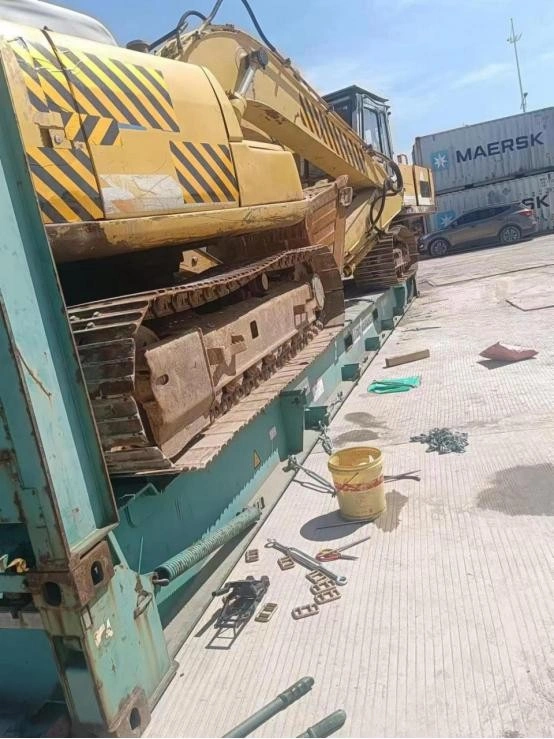
What Does International Trade Compliance Mean in Engineering Logistics?
International trade compliance in engineering logistics refers to all rules, documents, classifications and approvals needed to legally and efficiently transport industrial goods across international borders and modes. It involves much more than just filling out the paperwork – it involves ensuring cargo is classified correctly, being exported and/or imported declared, transport permits are in order and coordinating with carriers, ports, and authorities.
For oversized machinery, factory equipment, process skids, pressure vessels, and high-value industrial cargo, compliant engineering logistics helps connect customs documents, transport permits, port requirements, cargo handling records, and final delivery planning into one controlled workflow.
| Compliance Area | What It Covers | Why It Matters |
| Customs Compliance | Import/export declaration, valuation, and cargo identification | Prevents clearance delays and penalties |
| HS Code Classification | Correct product classification for customs | Affects duties, inspection, and documentation requirements |
| Transport Permits | Road or special cargo movement authorization | Allows oversized or heavy cargo to move legally |
| Port Requirements | Terminal entry rules, lifting documents, cargo data, and booking details | Prevents port rejection or handling delays |
| Dangerous Goods Check | MSDS, labels, UN number, packaging, and declaration where applicable | Reduces safety and legal risk |
| Insurance Records | Cargo value, condition evidence, and coverage documents | Supports claims and risk control |
| Destination Regulations | Import restrictions, local permits, or technical documents | Prevents final delivery or clearance problems |
Why Multi-Modal Engineering Logistics Increases Compliance Complexity
Compliance becomes more complex with multi-modal engineering logistics, as each transport mode (road, inland waterway, ocean, rail, and last-mile) has its own set of checks, responsible parties and documentation requirements. Any mis-match can become a chain reaction of delays throughout the chain.
| Transport Stage | Compliance Requirement | Risk If Not Managed |
| Factory Pickup | Cargo documents, loading permission, safety requirements | Pickup delay or incorrect cargo handover |
| Inland Road Transport | Oversized cargo permits, escort rules, route restrictions | Legal movement delay or route rejection |
| Port Entry | Booking data, cargo dimensions, lifting plan, terminal requirements | Port refusal, waiting time, or storage fees |
| Ocean Shipping | Bill of lading, cargo declaration, special handling notes | Incorrect shipment record or vessel loading delay |
| Transshipment | Reconfirmation of cargo data and handling requirements | Misrouting, handling errors, or document mismatch |
| Destination Customs | Import documents, HS code, duties, permits | Customs hold or clearance delay |
| Final-Mile Delivery | Local road permits and delivery site requirements | Cargo cannot reach installation site |
| Site Handover | Inspection records and delivery confirmation | Disputes over cargo condition or responsibility |
Core Documents Required for International Engineering Cargo
The key to successful International project cargo movements is accurate documentation. Any missing or inaccurate descriptions or supporting documentation may lead to inspections, holds or rejections at key points.
| Document | Purpose | Common Risk If Incorrect |
| Commercial Invoice | Declares cargo value, seller, buyer, and transaction details | Customs valuation delay |
| Packing List | Shows package details, dimensions, weight, and cargo description | Cargo identification problem |
| Bill of Lading | Acts as transport document and shipment record | Shipment mismatch or release issue |
| HS Code | Classifies cargo for customs purposes | Wrong duty, inspection, or declaration risk |
| Certificate of Origin | Supports origin declaration when required | Import clearance or tariff issue |
| Cargo Drawings | Supports handling, permits, and technical review | Poor planning or port handling confusion |
| Transport Permit | Authorizes oversized or heavy road movement | Cargo may be stopped or delayed |
| Lifting Plan | Supports safe handling at origin, port, or destination | Loading or unloading safety risk |
| Lashing Plan | Shows cargo securing method | Port or carrier acceptance issue |
| Insurance Document | Confirms coverage and claim procedure | Weak claim support if damage occurs |
| MSDS | Required if cargo includes hazardous materials or residues | Dangerous goods compliance issue |
HS Code Classification and Cargo Description Accuracy
The classification of goods under the HS code and the exact description of the goods are of critical importance due to technical, modular and/or mixed goods that can form engineering equipment, which are subject to careful examination by customs authorities.
| Classification Issue | Why It Can Become a Problem | Better Practice |
| Vague Cargo Description | Customs may not understand what the cargo is | Use clear technical descriptions |
| Wrong HS Code | Duties, inspections, or import rules may be incorrect | Confirm classification before shipping |
| Mixed Equipment Parts | Different items may require different classifications | Separate items clearly in packing documents |
| Used Machinery | May trigger additional inspection or import requirements | Declare condition accurately |
| Electrical Components | May need technical documents or certifications | Prepare supporting documents early |
| Hazardous Components | May require MSDS or DG review | Check before booking transport |
| Inconsistent Documents | Customs may question shipment details | Align invoice, packing list, and shipping documents |
Permits and Special Approvals for Oversized Engineering Cargo
Oversized engineering loads may also require special permits, in addition to customs documentation, particularly if dimensions or weights are not within legal limits for public road transport or at terminals.
| Permit / Approval Type | When It May Be Needed | Risk If Missing |
| Oversized Road Permit | Cargo exceeds legal road dimensions | Road transport may be stopped |
| Heavy Load Permit | Cargo weight exceeds standard road limits | Route rejection or legal penalty |
| Escort Requirement | Cargo width, length, or route risk requires traffic support | Unsafe movement or permit refusal |
| Night Movement Approval | Local rules require movement during restricted hours | Schedule delay |
| Port Special Handling Approval | Cargo needs crane, heavy lift, or OOG handling | Port acceptance issue |
| Dangerous Goods Approval | Cargo includes hazardous materials or residues | Shipping or customs rejection |
| Site Access Approval | Cargo enters restricted industrial or construction site | Final-mile delivery failure |
Dangerous Goods and Regulated Component Checks
In many engineering projects items of cargo may consist of regulated components even though the basic hardware may not be regulated as a dangerous good. Typical items to be carefully considered include batteries, residual fluids or pressure systems.
| Regulated Component | Compliance Concern | Document or Control Needed |
| Batteries | Fire or transport restriction risk | MSDS, battery declaration, proper packaging |
| Hydraulic Oil | Possible leakage or regulated fluid concern | MSDS and leakage prevention |
| Chemical Residue | Contamination or dangerous goods classification | Cleaning certificate or MSDS |
| Gas Cylinder | Pressure and hazardous cargo rules | DG declaration and cylinder certification |
| Pressure Vessel | Safety and inspection requirements | Technical certificate where required |
| Coating / Paint System | Flammable or chemical material risk | MSDS and proper labeling |
| Electrical Equipment | Certification or import documentation may be needed | Technical documents and product details |
Port, Terminal, and Shipping Line Compliance Requirements
The acceptance criteria that ports and shipping lines have for project cargo are very strict and very well defined, especially for Out-of-Gauge (OOG) cargo which must be handled in a special manner and planned accordingly.
| Requirement | Why It Matters |
| Accurate Dimensions | Determines OOG status, vessel planning, and terminal handling |
| Verified Gross Weight | Supports safe lifting, stowage, and transport planning |
| Cargo Photos | Helps terminal and carrier understand cargo shape and handling needs |
| Lifting Points | Supports crane planning and safe port handling |
| Lashing Plan | Shows how cargo will be secured for sea transport |
| Special Handling Notes | Reduces incorrect loading, storage, or movement |
| Terminal Appointment | Avoids waiting time and port congestion |
| Shipping Line Approval | Confirms carrier acceptance of unusual cargo |
| Port Cut-Off Time | Ensures cargo arrives before vessel loading deadline |
Compliance Risks That Cause Delays and Extra Costs
The most common indirect costs of compliance failure in multi-modal engineering logistics are storage charges, demurrage, vessel rollovers and extended project downtime, with the most expensive being the latter.
| Compliance Risk | Possible Cost or Delay |
| Incorrect HS Code | Customs review, duty correction, or penalty risk |
| Missing Permit | Road transport cannot begin or continue |
| Wrong Cargo Dimensions | Container, trailer, or port handling plan may need revision |
| Missing MSDS | Dangerous goods review may delay booking or clearance |
| Port Rejection | Cargo may wait outside terminal or require rework |
| Document Mismatch | Customs may hold cargo for clarification |
| Late Shipping Line Approval | Cargo may miss vessel schedule |
| Incomplete Insurance Evidence | Claim handling may be weakened if damage occurs |
| Destination Import Restriction | Cargo may be delayed or refused entry |
| Storage / Demurrage | Extra cost caused by clearance or handling delays |
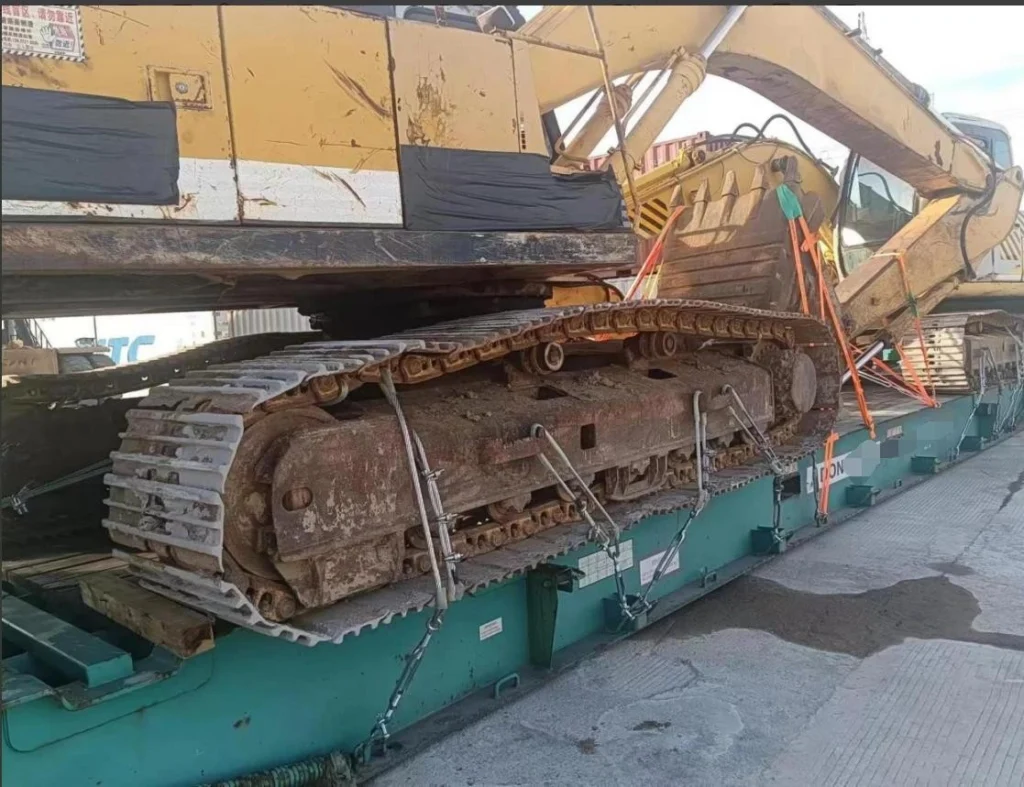
International Trade Compliance Workflow for Engineering Logistics
An integrated compliance flow with project planning keeps the project managed from cargo assessment to final site handover.
| Workflow Step | Main Action | Output |
| Cargo Assessment | Confirm cargo type, dimensions, weight, value, and sensitivity | Verified cargo profile |
| Classification Review | Confirm HS code, cargo description, and regulated components | Classification record |
| Document Preparation | Prepare invoice, packing list, drawings, permits, and certificates | Document package |
| Permit Review | Check oversized, heavy load, DG, port, and destination permits | Permit checklist |
| Carrier / Port Approval | Submit cargo data and handling details | Acceptance confirmation |
| Customs Coordination | Align export/import documents and declaration details | Clearance plan |
| Risk and Insurance Review | Confirm cargo value, coverage, and inspection evidence | Risk control record |
| Execution Monitoring | Track document status, port entry, and customs progress | Compliance status updates |
| Delivery Handover | Confirm final documents, inspection, and receipt | Delivery completion record |
Common Mistakes in Trade Compliance for Engineering Logistics
Compliance is often overlooked as an after-thought to the project rather than an integral part of project planning, which can cause delays.Project teams sometimes don’t consider compliance as part of planning the project, resulting in unnecessary delays.
| Mistake | Better Practice |
| Preparing documents too late | Start compliance review during cargo planning |
| Vague cargo description | Use clear technical descriptions and supporting documents |
| Unverified HS code | Review classification before booking and declaration |
| Ignoring regulated components | Check batteries, fluids, chemicals, residues, and pressure systems |
| Missing transport permits | Apply for oversized or heavy cargo permits early |
| Inconsistent documents | Align invoice, packing list, bill of lading, and customs details |
| Late port approval | Submit cargo dimensions, weight, photos, and handling notes early |
| Ignoring destination rules | Confirm import requirements before shipment |
| No inspection records | Keep photos, reports, and cargo condition evidence |
| Poor role clarity | Assign responsibility for each document and approval |
How to Choose a Logistics Partner for Compliant Multi-Modal Engineering Cargo
Choosing the right partner involves more than just choosing the right equipment and routes, it is also about choosing the right partnership that can ensure compliance, whereby the process is coordinated across borders and modes of transport.
| Logistics Capability | Why It Matters |
| International Project Cargo Experience | Helps anticipate compliance risks across countries and transport modes |
| Documentation Control | Reduces customs, port, and carrier delays |
| Customs Broker Coordination | Aligns declarations, HS codes, and clearance requirements |
| Permit Planning | Supports legal movement for oversized or heavy cargo |
| DG Awareness | Helps identify batteries, chemicals, fluids, residues, or regulated parts |
| Port / Carrier Approval Support | Confirms cargo can be accepted and handled safely |
| Multi-Modal Planning | Connects road, sea, rail, port, and final-mile requirements |
| Insurance Record Control | Supports cargo value protection and claims evidence |
| Destination Coordination | Reduces final-mile and import compliance risks |
| Communication Discipline | Keeps all parties aligned on document status and responsibilities |
Conclusion — Compliance Is a Core Part of Engineering Logistics
International trade compliance is the key to making multi-modal engineering logistics much more predictable. These factors combined help reduce unnecessary delays and contribute to safer handling of complex industrial goods, by ensuring cargo is properly classified, well-documented and permits are applied for in time and approved by port and shipping lines; and thorough inspection records.
Compliance is not a requirement to be completed at the end of the day, but an integral part of the risk management process, which helps logistics managers and EPCs to safeguard project timelines, manage expenses, and ensure cargo readiness for installation. With each day missed project deadlines could have a financial impact in this industry, proactive compliance planning is one of the best ways to ensure successful international engineering projects.