
A typical freight insurance policy does not cover multi-million dollar project cargo such as oversized transformers, heavy turbines, precision compressors and complete production lines. Insurance planning of project cargo should start early on as part of the engineering logistics risk management process. When transporting significant and sensitive industrial equipment, accurate valuation, comprehensive risk assessment, professional packaging, secure lashing, detailed inspection records and responsibility boundaries all play a role in minimizing financial risk and improving claims results.
Many project teams still treat insurance as a last-minute checkbox. In reality, successful protection combines financial coverage with disciplined logistics execution. Insurance can help recover costs after covered incidents, but it cannot replace proper planning, prevent delays, or restore tight project schedules. For transformers, pressure vessels, production equipment, refinery modules, and other high-value industrial assets, cargo insurance in engineering logistics) should be aligned with cargo assessment, route planning, protective packing, securing methods, and inspection documentation before execution.
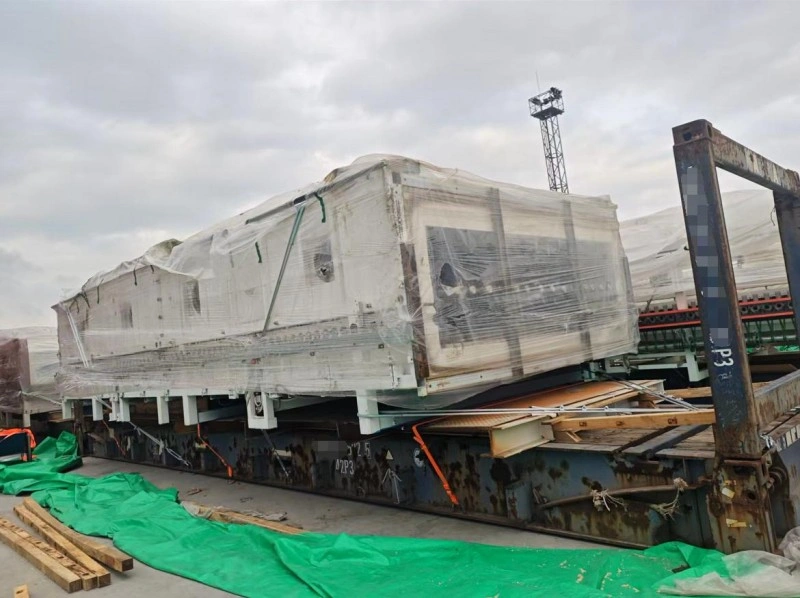
Why Multi-Million-Dollar Project Cargo Needs a Dedicated Insurance Strategy
Project cargo insurance is not a safety measure, nor a replacement for proper handling or protective measures. Realistic expectations set by the project owner when they understand its actual limits.
| Risk Factor | Why It Matters for Insurance Planning |
| High Cargo Value | Coverage limits and declared value must be reviewed carefully |
| Oversized Dimensions | Special handling increases lifting, loading, and transport risk |
| Heavy Weight | Trailer, crane, port, and route decisions affect risk exposure |
| Sensitive Equipment | Vibration, moisture, shock, or tilt may cause hidden damage |
| Multi-Modal Transport | More handover points increase documentation and responsibility complexity |
| Port Storage | Cargo may be exposed to weather, handling, theft, or delay risk |
| Multiple Contractors | Responsibility must be clearly documented at each stage |
| Installation Deadline | Damage may create schedule impact beyond cargo repair cost |
These factors explain why experienced logistics teams treat project cargo insurance as a core element of the overall transport strategy rather than an isolated administrative task.
What Project Cargo Insurance Can and Cannot Do
en out from the factory. The preparation, documentation and execution of a shipment will have a direct effect on many coverage questions.
| Insurance Can Help With | Insurance May Not Solve |
| Financial exposure from covered cargo damage | Lost production time caused by project delay |
| Loss or damage during covered transit stages | Damage caused by excluded packing or handling issues |
| Risk sharing for high-value shipments | Missing documents or weak claim evidence |
| Claim support when incident records are clear | Business interruption unless specifically covered |
| Confidence for project stakeholders | Poor route planning, weak lashing, or careless handling |
A balanced insurance strategy for multi-million-dollar project cargo therefore pairs suitable coverage with proactive risk prevention.
Key Insurance Considerations Before Project Cargo Moves
The optimum time to discuss insurance is before the cargo leaves the factory. How the shipment is prepared, documented, and executed largely determines the answers to many coverage questions.
| Insurance Consideration | Question to Ask Before Transport |
| Cargo Value | Is the declared value accurate and supported by documents? |
| Coverage Scope | Which transport stages and risks are covered? |
| Policy Exclusions | Are there exclusions for poor packing, rust, delay, or improper handling? |
| Transport Mode | Does coverage apply to road, sea, rail, port storage, and final-mile delivery? |
| Packaging Requirement | Does the policy require professional packing or special protection? |
| Securing Method | Are lashing, blocking, and bracing records needed? |
| Survey Requirement | Is a pre-shipment or loading survey required? |
| Deductible | What amount remains the cargo owner’s responsibility? |
| Claims Procedure | What evidence is required if damage occurs? |
| Responsibility Terms | How do Incoterms or contract terms define risk transfer? |
Cargo Valuation and Declared Value Strategy
One of the most important—and often incorrectly dealt with—questions with high value cargo insurance is the valuation.
| Valuation Factor | Why It Matters |
| Commercial Invoice Value | Provides a basic reference for cargo value |
| Replacement Cost | Helps estimate financial exposure if cargo cannot be repaired |
| Repair Cost | Important for machinery that can be restored after damage |
| Freight and Logistics Cost | May need to be included depending on policy terms |
| Duties and Taxes | May affect total insured value in some shipments |
| Currency | Avoids confusion between contracts, invoices, and insurance documents |
| Supporting Documents | Strengthens claim evidence and valuation clarity |
| Underinsurance | May reduce recovery if cargo value is declared too low |
| Overstatement | May create policy or claim review issues |
Companies with experience usually perform both commercial and technical valuations to make sure that the value is accurate to the market.
Risk Assessment Before Buying or Confirming Coverage
Transport risk profile, not value of the cargo, should be the basis for insurance strategy.
| Risk Assessment Area | Insurance Strategy Impact |
| Cargo Size and Weight | May require special handling review or survey |
| Lifting Complexity | May require lifting plan and loading inspection records |
| Route Complexity | Helps assess road, permit, and delay exposure |
| Sea Transport Exposure | Increases moisture, salt air, and handling risk |
| Port Storage | Requires attention to storage conditions and security |
| Vibration Sensitivity | May require condition monitoring or special packaging |
| Corrosion Risk | May require anti-rust treatment or sealed packaging |
| Theft Exposure | May require tracking, secure storage, or additional controls |
| Final-Mile Access | Helps prevent delivery failure or unloading damage |
| Contractor Handovers | Requires clear documentation at each responsibility transfer |
Documentation Needed to Support Coverage and Claims
Insurers will cover the valid claims when there is strong evidence. Thorough documentation is the key to a successful recovery or to a long or protracted dispute.
| Document or Record | Why It Supports Insurance |
| Commercial Invoice | Proves cargo value and transaction details |
| Packing List | Identifies cargo, packages, dimensions, and weight |
| Insurance Certificate | Confirms policy details and coverage reference |
| Pre-Shipment Photos | Records cargo condition before movement |
| Survey Report | Provides third-party or technical condition evidence |
| Loading Photos | Shows handling and securing condition at origin |
| Lashing Records | Helps prove cargo was secured properly |
| Bill of Lading | Confirms transport and shipment details |
| Tracking / Sensor Data | Supports timeline and incident review |
| Delivery Receipt | Confirms handover and condition at destination |
| Damage Report | Provides formal evidence if a claim is needed |
| Repair Estimate | Supports claim evaluation after damage |
How Packaging, Lashing, and Inspection Affect Insurance Readiness
Insurers want assurances of reasonable care. Professional protective measures enhance prevention and claim defensibility.
| Protective Measure | Insurance Relevance |
| Wooden Crating | Shows structural protection for sensitive or high-value cargo |
| Waterproof Covering | Helps reduce rain and moisture exposure risk |
| Vacuum Sealing | Supports moisture control for long-distance or ocean transport |
| Anti-Rust Treatment | Helps prevent corrosion-related disputes |
| Desiccants | Supports humidity control inside packaging |
| Shock-Absorbing Supports | Helps protect sensitive equipment from vibration or impact |
| Correct Lashing Points | Reduces risk of damage from improper securing pressure |
| Blocking and Bracing | Shows cargo movement prevention during transit |
| Loading Inspection | Creates evidence before cargo leaves origin |
| Handover Checklist | Documents condition at responsibility transfer points |
Insurance Considerations Across Multi-Modal Transport Stages
There are a variety of different risk profiles throughout the trip.
| Transport Stage | Insurance / Risk Consideration |
| Factory Pickup | Baseline condition, loading method, and handover record |
| Inland Road Transport | Route risks, vibration, permits, accident exposure |
| Port Entry | Waiting time, handling requirements, and terminal conditions |
| Terminal Storage | Weather, theft, damage, and storage duration |
| Vessel Loading | Crane handling, lifting plan, and cargo securing |
| Sea Transit | Motion, humidity, salt air, and cargo movement |
| Transshipment | Extra handling and document continuity |
| Destination Customs | Clearance delays and storage exposure |
| Final-Mile Delivery | Site access, unloading equipment, and road condition |
| Site Handover | Delivery receipt, final inspection, and damage reporting |
Common Project Cargo Insurance Mistakes
Even the more advanced teams can get themselves into unnecessary pitfalls.
| Mistake | Better Practice |
| Buying insurance too late | Confirm coverage before cargo pickup or loading |
| Underdeclaring cargo value | Use accurate, supported valuation documents |
| Ignoring exclusions | Review policy limitations with qualified parties |
| Assuming all damage is covered | Confirm scope, deductibles, and special conditions |
| Weak packaging evidence | Keep photos, packing records, and inspection reports |
| No loading or lashing records | Document securing method before departure |
| Late damage reporting | Follow claim notification timelines promptly |
| Confusing Incoterms and insurance | Understand both risk transfer and policy coverage |
| Ignoring storage exposure | Check whether port or warehouse storage is covered |
| Relying only on insurance | Use risk assessment, protection, and supervision to prevent loss |
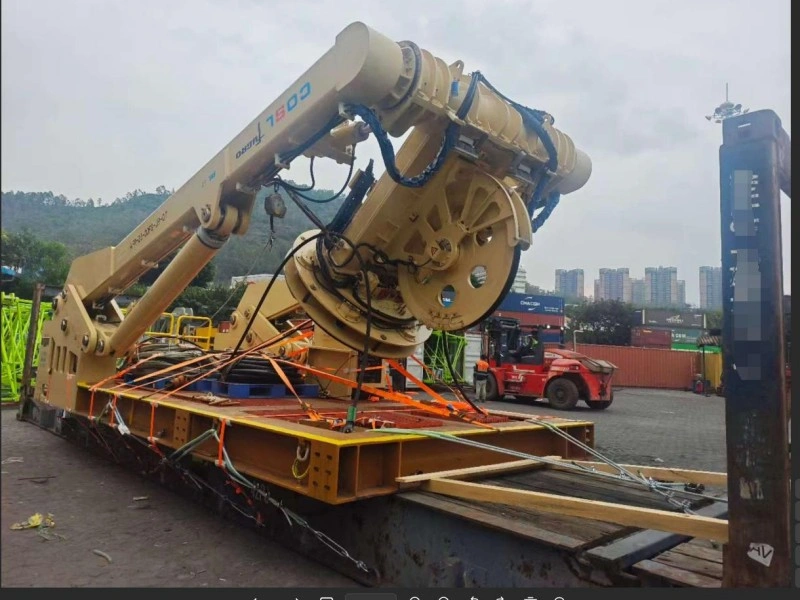
How to Build a Practical Insurance Strategy for Project Cargo
A robust strategy links together elements of valuation, risk review, protection and documentation into a single plan.
| Strategy Step | Practical Action | Output |
| Value Assessment | Confirm invoice, replacement value, and supporting documents | Declared value record |
| Risk Review | Assess lifting, route, handling, storage, and environmental risks | Cargo risk profile |
| Coverage Review | Check scope, exclusions, deductibles, and transport stages | Coverage checklist |
| Protection Planning | Align packing, lashing, and inspection with risk profile | Cargo protection plan |
| Documentation Plan | Define required photos, reports, permits, and transport records | Evidence checklist |
| Responsibility Assignment | Clarify who reports incidents and manages documents | Responsibility matrix |
| Monitoring Plan | Use tracking or sensors if cargo sensitivity requires it | Transport visibility record |
| Delivery Inspection | Compare cargo condition before and after transport | Handover report |
| Claim Readiness | Prepare procedure and contact points if damage occurs | Claim response plan |
How to Choose a Logistics Partner for Insured Project Cargo
The right logistics partner can go a long way toward making risk reduction and claim readiness much easier.
| Logistics Capability | Why It Matters for Insured Project Cargo |
| High-Value Cargo Experience | Helps identify loss scenarios before shipment |
| Cargo Survey Capability | Provides verified dimensions, weight, condition, and handling needs |
| Risk Assessment Process | Supports prevention and insurance planning |
| Packing Coordination | Helps meet protection requirements for valuable equipment |
| Lashing Expertise | Reduces cargo movement and damage risk |
| Route and Permit Planning | Lowers accident, delay, and compliance exposure |
| Inspection Records | Creates evidence before, during, and after transport |
| Handover Control | Clarifies responsibility across contractors and transport stages |
| Documentation Management | Supports claim readiness and project accountability |
| Incident Response | Helps ensure problems are reported and documented properly |
Conclusion — Insurance Works Best When Risk Is Managed Before Transport
When professional engineering logistics execution is done correctly, insurance strategies for multi-million dollar project cargo are best integrated. Proper valuation, coverage, packaging, lashing, logs, and documentation throughout the transport process all help to ensure the protection and ease of claims if necessary.
Insurance can help to minimise financial liability, but cannot substitute for careful route planning, handling and risk prevention. Making insurance planning part of the overall logistics operation, rather than an administrative process, is a key component of success with the move of complex, high dollar industrial equipment, and is a consistent factor with project teams.