
The customs clearance process for complex machinery and factory relocations requires careful upfront planning, meticulous classification of cargo, detailed equipment lists, and smooth coordination between teams. These projects are typically different from traditional shipments, and involve dismounted production lines, used equipment, spare parts, control cabinets, tools and larger industrial equipment that all need specific documentation to prevent holds, delays or unforeseen costs.
When relocation is to be implemented across borders, the customs aspect is crucial from inventory up to the relocation and cannot be left to chance, as most customs problems can be avoided by having a customs-compliant engineering logistics plan from the outset. This establishes what may seem like a big challenge into a manageable one that is part of a successful project.
Why Customs Procedures Are More Complex for Machinery Relocation
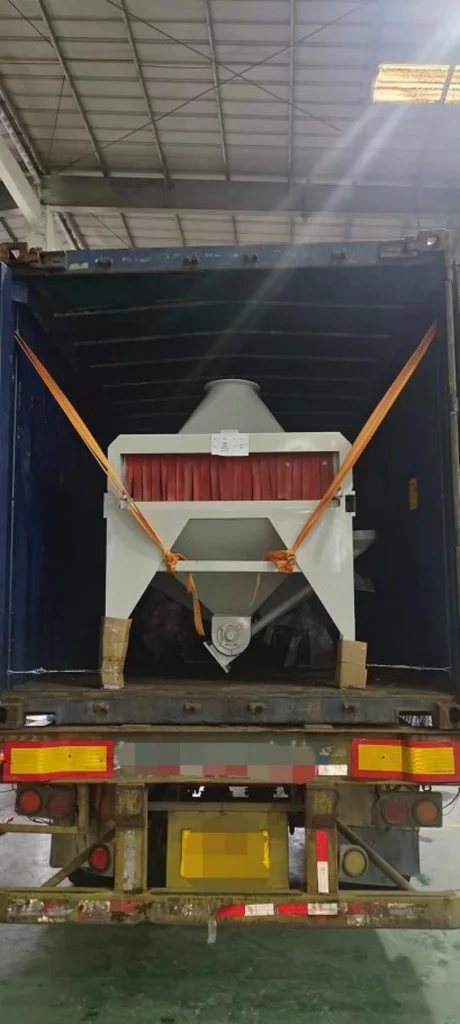
One type of cargo stands out from the rest when it comes to relocation, and that’s “Factory”. One project could involve hundreds of different machines, partial systems, used machines in different conditions, electrical equipment, and oversized large items which may be in several shipments.
| Customs Challenge | Why It Matters |
| Multiple Equipment Types | Different machines and parts may require different HS codes |
| Dismantled Production Lines | Customs may need to understand whether parts belong to one system |
| Used Machinery | Some countries require additional inspection, permits, or valuation support |
| Mixed Spare Parts | Poor labeling can create cargo identification problems |
| Control Cabinets | Electrical equipment may require technical documents or certifications |
| Heavy / Oversized Cargo | Special handling and transport documents may be needed |
| Multiple Shipments | Customs documents must remain consistent across batches |
| Inconsistent Values | Customs may question declared value or transaction basis |
| Destination Regulations | Import rules may vary by country and equipment type |
If project teams can anticipate these challenges and develop documentation that reflects the realities of cargo, it will be easier to spot issues early on.
Key Customs Steps for Complex Machinery and Factory Relocations
Clearance is a logical process that starts well before the first container is bookable. When customs are considered an afterthought, rework and schedule slipages are almost inevitable.
| Customs Step | What to Prepare | Why It Matters |
| Equipment Inventory | Machine names, quantities, serial numbers, dimensions, weights, photos | Builds the foundation for customs documents |
| HS Code Review | Classification for each machine or equipment group | Reduces declaration errors |
| Invoice Preparation | Value, buyer/seller details, cargo description, currency | Supports customs valuation |
| Packing List | Package count, weight, dimensions, cargo grouping | Helps customs and port identify cargo |
| Permit Check | Import/export licenses, used machinery permits, inspection rules | Avoids clearance rejection |
| Technical Documents | Drawings, manuals, specifications, certificates if needed | Supports classification and inspection |
| Broker Coordination | Share documents before shipment | Identifies issues before cargo arrives |
| Customs Declaration | Submit accurate information to customs | Starts formal clearance process |
| Inspection Response | Provide photos, documents, or explanations if requested | Reduces hold time |
| Final Clearance | Duty/tax payment and release confirmation | Allows cargo to move to destination site |
These are steps that can be incorporated into the engineering logistics process and will help ensure that the overall project remains on track.
Documents Required for Machinery Customs Clearance
The key to good machinery import/export is having accurate and consistent documentation. A single misalignment will generate a whole multi-container shipment.
| Document | Purpose | Common Issue If Missing or Incorrect |
| Commercial Invoice | Declares value, buyer, seller, and cargo description | Customs valuation delay |
| Packing List | Shows packages, dimensions, weights, and contents | Cargo identification confusion |
| Bill of Lading / Airway Bill | Confirms transport and shipment details | Release or shipment mismatch |
| HS Code List | Shows classification for each equipment type | Wrong duty or inspection risk |
| Equipment Inventory | Lists machines, parts, tools, and accessories | Missing or unclear cargo structure |
| Serial Number List | Supports asset identification and traceability | Difficulty matching documents to cargo |
| Cargo Photos | Helps customs understand machinery condition and type | Inspection clarification delays |
| Technical Specifications | Supports classification and import review | Customs may request extra explanation |
| Certificate of Origin | Supports origin declaration if required | Import or tariff treatment delay |
| Import / Export Permit | Confirms legal approval where required | Cargo may be held or rejected |
| MSDS | Required for batteries, oils, chemicals, or residues | Dangerous goods compliance issue |
HS Code Classification for Complex Machinery
Dismantling of machinery, shipping of machinery as system or a combination of accessories and spare parts creates a complex situation of HS code classification. Proper classification from the beginning eliminates duty disputes and inspection delays.
| Classification Issue | Why It Matters | Better Practice |
| Complete Machine vs Parts | Different classifications may apply | Identify whether cargo is a full machine, module, or spare part |
| Dismantled Production Line | Customs may need system explanation | Provide inventory and technical description |
| Used Machinery | May trigger additional import checks | Declare condition accurately and prepare supporting records |
| Spare Parts | May need separate HS codes | List parts clearly by category |
| Electrical Cabinets | May require technical details or certification | Prepare specifications and photos |
| Tools and Molds | May not share the same HS code as main machinery | Separate them in the packing list |
| Mixed Cargo | Increases declaration complexity | Group items logically and maintain document consistency |
Valuation and Declared Value for Used Machinery and Factory Assets
Customs officers have a keen interest in value in particular when equipment is used or moved within the company. Transparent supporting records help avoid questions and potential adjustments.
| Valuation Factor | Why Customs May Review It |
| Invoice Value | Customs uses it as a basis for declaration and duty calculation |
| Used Machinery Condition | Value may need support if lower than new equipment value |
| Depreciation | Customs may ask how the value was determined |
| Related-Party Transfer | Declared value may need additional explanation |
| Internal Factory Relocation | Shipment may not involve a normal sale transaction |
| Refurbished Equipment | Value may differ from original purchase price |
| Supporting Records | Helps explain value and reduce questions |
| Currency Consistency | Prevents mismatch across invoice, insurance, and customs records |
Customs Issues for Used Machinery in Factory Relocations
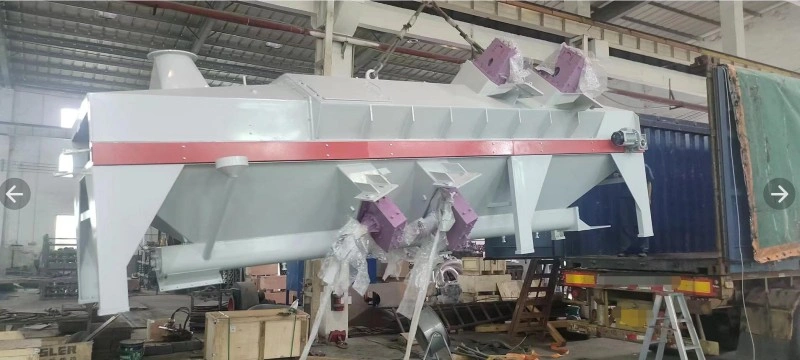
There are additional considerations of age, condition, safety and environmental issues when purchasing used machinery. These risks can be reduced by good preparation.
| Used Machinery Issue | Possible Customs Concern | Preparation Method |
| Equipment Age | Some countries review old machinery more carefully | Prepare age, model, and serial number records |
| Operating Condition | Customs may question whether equipment is usable | Provide inspection or condition records |
| Oil / Fluid Residue | May create environmental or hazardous cargo concerns | Drain, clean, document, or prepare MSDS if needed |
| Safety Compliance | Import rules may require safety documents | Prepare manuals or certificates where required |
| Refurbishment Status | Value and condition may need explanation | Provide refurbishment records if available |
| Dirt / Contamination | Quarantine or inspection issues may occur | Clean equipment before packing |
Packing, Labeling, and Inventory Control for Customs Clearance
Packing and labelling serves not only to protect the cargo, it also ensures the easy and efficient inspection of the goods when they are taken to customs.
| Inventory Control Item | Customs Clearance Benefit |
| Package Number | Helps customs match cargo with packing list |
| Machine Label | Identifies which equipment or line section the package belongs to |
| Serial Number | Supports asset traceability |
| Component Grouping | Reduces confusion during inspection |
| Separate Spare Parts List | Prevents mixed cargo classification problems |
| Photo Records | Helps explain cargo without opening every package |
| Consistent Descriptions | Reduces mismatch between invoice and packing list |
Permits, Inspections, and Regulated Components
Some parts of complex equipment give rise to further requirements. These are diagnosed early to avoid the complications towards the end.
| Regulated Item or Requirement | Why It Matters | Document / Control Needed |
| Used Machinery Inspection | Some destinations inspect condition or age | Inspection report or technical records |
| Pressure Vessel | May require safety certificates | Pressure certificate or technical document |
| Batteries | May trigger transport restrictions | MSDS and battery declaration |
| Hydraulic Oil / Lubricants | Leakage or hazardous material concern | MSDS, draining record, or sealing control |
| Chemical Residue | Customs or carrier may require hazard review | Cleaning certificate or MSDS |
| Electrical Equipment | May need technical or safety documentation | Specifications or compliance certificates |
Common Customs Delays in Machinery and Factory Relocation Projects
Most delays are not a result of customs processes, but rather they are caused by missing or incomplete documentation which is easily avoidable.
| Delay Cause | Possible Result | Prevention Method |
| Incorrect HS Code | Customs review or duty correction | Review classification before shipment |
| Vague Description | Customs asks for clarification | Use clear technical cargo descriptions |
| Document Mismatch | Clearance hold | Align invoice, packing list, and bill of lading |
| Missing Serial Numbers | Asset identification issue | Record serial numbers before packing |
| Missing Permit | Cargo hold or rejection | Check import/export requirements early |
| Missing MSDS | Dangerous goods review delay | Identify batteries, oils, chemicals early |
Factory Relocation Customs Workflow
Embedding customs actions into each relocation phase creates predictability and control.
| Relocation Stage | Customs-Related Action | Output |
| Pre-Relocation Survey | Identify all machines, parts, accessories, and regulated components | Initial customs inventory |
| Dismantling Planning | Decide how equipment will be grouped, labeled, and packed | Packing and labeling plan |
| HS Code Review | Classify machines, parts, tools, and electrical systems | HS code list |
| Packing Stage | Label packages and match contents to inventory | Final packing list |
| Document Preparation | Prepare invoice, packing list, BL, permits, photos, and certificates | Customs document package |
| Customs Declaration | Submit documents for export/import clearance | Declaration record |
Common Mistakes in Customs Planning for Factory Relocations
Avoiding these frequent pitfalls can save significant time and expense.
| Mistake | Better Practice |
| Starting customs work after packing | Build customs inventory before dismantling and packing |
| Vague cargo descriptions | Use machine-level technical descriptions |
| Mixing unlabeled spare parts | Create separate spare parts and tools lists |
| Ignoring used machinery rules | Check destination requirements before shipment |
| Inconsistent valuation | Align invoice, insurance, and customs values |
| Late broker involvement | Send draft documents for pre-check before cargo arrival |
| Separating customs from logistics | Integrate customs planning with packing, transport, and delivery schedule |
How to Choose a Logistics Partner for Customs-Compliant Machinery Relocation
The right partner has heavy transport expertise as well as customs awareness. Find factory movers with a track record, thorough inventory systems, and superior broker coordination.
| Logistics Capability | Why It Matters |
| Factory Relocation Experience | Helps manage machinery, parts, tools, and accessories as one project |
| Customs-Aware Inventory | Reduces missing items and unclear declarations |
| Broker Coordination | Helps identify HS code, permit, or document issues early |
| Packing and Labeling Control | Helps customs match cargo with documents |
| Oversized Cargo Planning | Connects customs clearance with transport permits and port handling |
Conclusion — Customs Planning Should Start Before the Machinery Moves
The preparation of customs procedures for the relocation of complex machinery becomes much more predictable when its preparation starts during the initial equipment survey. Keeping projects on track and within budget is achieved through accurate inventories, proper classification of HS codes, proper valuation records, correct labelling and early communication with brokers and carriers.
A seamless customs compliance process is a key factor in the engineers most successful factory moves and relocation experience, and occurs when factory owners and relocation teams approach the customs process with the mindset of it being part of their engineering logistics mission, not a separate administrative affair. Spending some time to get the documentation and planning right from the start is worthwhile throughout the project.