
In engineering logistics projects, project teams have a responsibility for controlling emissions, packaging waste, route impacts, hazardous materials, cargo protection methods, documentation and site procedures throughout the transport chain, as part of their role in meeting environmental compliance requirements. Those are important factors to consider when running a team that works with large freight, heavy machinery, factory relocation equipment or harmful materials.
Many project teams still consider compliance with environmental issues to be an issue for dangerous goods. In reality, risks are created by various factors, including fuel consumption on long hauls, used equipment residues, port storage conditions, wooden crate disposal and hydraulic fluid leaks. Getting them solved early prevents delays, extra costs, and site acceptance/ customs issues. Environmental compliance at Bentlee is part and parcel of project risk management, with cargo safety and regulatory compliance seamlessly intertwined.
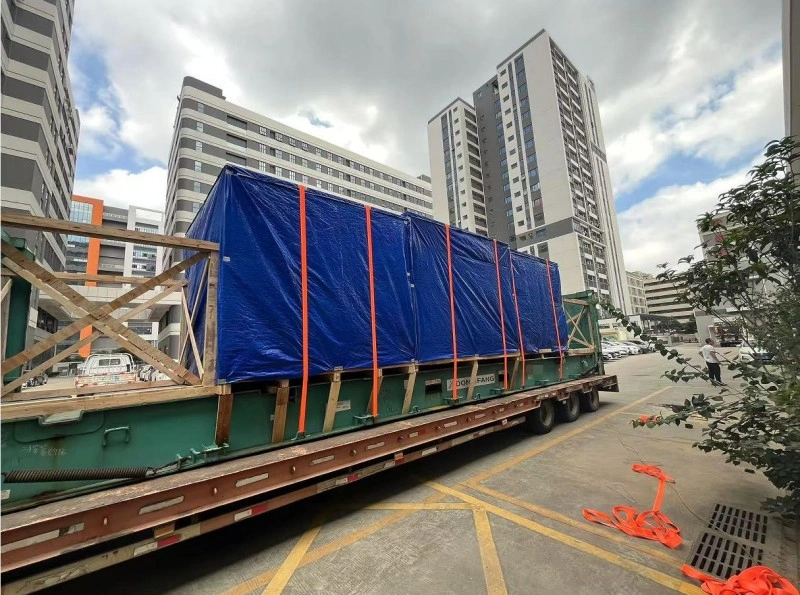
What Environmental Compliance Means in Engineering Logistics
Environmental compliance in engineering logistics involves implementing practical measures, both in cargo preparation, transportation, and handling, to reduce the negative impact on the environment while ensuring safety and meeting deadlines.
It covers multiple interconnected areas that experienced logistics teams manage daily. For heavy machinery, factory equipment, hazardous components, and oversized project cargo, engineering logistics should connect route planning, spill prevention, packaging control, cargo protection, and documentation into one practical compliance workflow.
| Compliance Area | What It Covers | Why It Matters |
| Emissions Control | Fuel use, route efficiency, equipment selection, and idle time | Reduces environmental impact and operating costs |
| Spill Prevention | Oils, hydraulic fluids, chemicals, and liquid residues | Prevents contamination and cleanup costs |
| Hazardous Component Review | Batteries, chemicals, residues, pressure systems, and MSDS checks | Supports safe handling and regulatory compliance |
| Packaging Waste Control | Wooden crates, plastic film, straps, pallets, and protective wrapping | Reduces disposal burden at origin and destination |
| Cargo Cleaning | Dirt, residues, oil, and contamination on used machinery | Reduces inspection and environmental risks |
| Port / Site Rules | Local environmental requirements for storage, handling, and waste | Prevents delays or access issues |
| Documentation | MSDS, inspection records, cleaning records, and waste records | Provides compliance evidence |
Why Environmental Compliance Matters for Project Cargo
Environmental compliance is not just about complying with regulations, it’s about the operational benefits. It directly affects schedule reliability, cost control and stakeholders trust in complex engineering logistics projects.
Incorporating these factors at the planning phase helps to minimize the risk of cargo holds, port rejection or unexpected clean-up needs. This also facilitates easier customs clearance and improved site preparation for final installation.
| Business Impact | Environmental Compliance Benefit |
| Project Schedule Control | Reduces delays caused by spills, inspections, or missing documents |
| Cargo Acceptance | Helps ports, warehouses, and sites handle cargo with fewer compliance concerns |
| Cost Control | Reduces cleanup, repacking, storage, and disposal costs |
| Risk Management | Identifies leakage, residue, or hazardous components before movement |
| Stakeholder Confidence | Shows project owners that environmental risks are being managed |
| Site Readiness | Prevents contamination or waste problems at the delivery location |
| Documentation Quality | Supports audits, customs review, insurance, and incident response |
Common Environmental Risks in Engineering Logistics Projects
Environmental risks do not only exist in the ocean environment or at the port of loading for formally designated ‘hazardous cargo’, but at practically every point in the logistics chain. Knowing where these are likely to appear helps ensure that teams can respond proactively.
These typically include fuel wastage due to sub-optimal routing, oil leakage from used equipment while on road, unnecessary packaging waste and equipment contamination from not being properly cleaned prior to sensitive project locations.
| Environmental Risk | Where It May Occur | Possible Consequence |
| Fuel Waste and Emissions | Road transport, idling, route detours | Higher environmental footprint and operating cost |
| Oil or Fluid Leakage | Used machinery, hydraulic systems, compressors, pumps | Site contamination or transport delay |
| Chemical Residue | Process equipment, tanks, dosing systems | Dangerous goods review or cleanup risk |
| Battery Risk | Electrical equipment, AGVs, control systems | Fire, leakage, or documentation issue |
| Packaging Waste | Loading site, destination site, warehouse | Disposal cost and site congestion |
| Excessive Plastic Wrapping | Cargo protection stage | Waste management burden |
| Contaminated Machinery | Factory relocation or used equipment transport | Inspection delay or cleaning requirement |
| Poor Storage Conditions | Port, yard, temporary site storage | Rust, packaging damage, or leakage exposure |
| Spill During Handling | Loading, unloading, or transfer | Safety issue, cleanup cost, and project delay |
Environmental Compliance During Cargo Preparation
Environmental compliance starts well before the trucks reach the loading site. The condition of the cargo, its residues and the initial selection of packaging determine the course of the trip.
Cleaning of used machinery, checking for fluids, draining as needed, identification of batteries and selection of protective materials to minimize waste while maintaining safety is all important.
| Preparation Step | Environmental Purpose |
| Machinery Cleaning | Reduces contamination, dirt transfer, and inspection issues |
| Leak Inspection | Identifies oil, hydraulic fluid, or chemical leakage before movement |
| Fluid Control | Reduces spill risk during transport and handling |
| Battery Identification | Supports safe handling and proper documentation |
| MSDS Preparation | Provides information for regulated materials or residues |
| Packaging Selection | Balances cargo protection with waste reduction |
| Anti-Rust Treatment Control | Protects cargo while avoiding excessive chemical use |
| Photo Records | Documents cargo condition and packaging before shipment |
| Waste Separation | Helps manage packaging and preparation waste responsibly |
Packaging Choices and Waste Reduction
While cargo protection is the most important engineering logistics function, careful selection of the packaging can minimize the environmental costs at both the origin and the destination.
They can vary in form from basic wooden crates and recycled pallets to steel frames that can be reused, moisture-proofing by vacuum sealing, and the use of desiccants and VCI materials.
| Packaging Option | Environmental Consideration | Best Use Case |
| Wooden Crates | Can be reused or recycled if designed properly | High-value or fragile machinery |
| Steel Transport Frames | Reusable but heavier | Repeated equipment moves or heavy cargo support |
| Recyclable Pallets | Easier disposal than mixed materials | Standardized parts or smaller machinery |
| Reduced Plastic Wrapping | Lowers waste when cargo risk allows | Covered transport or indoor storage |
| Vacuum Sealing | Uses material but reduces corrosion risk | Long-distance ocean transport or moisture-sensitive cargo |
| Desiccants | Prevents moisture damage and cargo waste | Electrical equipment, machined surfaces, control cabinets |
| VCI Materials | Protects against rust but should be used responsibly | Corrosion-sensitive metal cargo |
| Waterproof Covers | Prevents rain damage and rework | Open transport, flat rack, or outdoor handling |
Spill Prevention and Hazardous Component Control
Spill prevention is one of the most important environmental controls, especially when moving used machinery, oil and gas equipment, chemical systems or industrial process skids.
Sealing openings, draining fluids where possible, creating a secondary containment and maintaining documentation for any liquids or batteries remaining after draining are effective measures that can be taken.
| Spill / Hazard Source | Risk | Control Measure |
| Hydraulic Systems | Leakage during lifting or vibration | Inspect seals, drain if required, and use drip protection |
| Lubricants / Oils | Surface contamination or site spill | Seal openings and document fluid status |
| Coolants | Leakage or environmental concern | Drain, seal, or prepare MSDS where applicable |
| Chemical Residues | Dangerous goods or contamination risk | Clean, certify, or document residue status |
| Batteries | Leakage, fire, or transport restriction | Identify type, prepare MSDS, and pack properly |
| Tanks / Vessels | Residual liquid or vapor concern | Clean, vent, certify, or declare as required |
| Fuel Residues | Flammability or leakage risk | Drain and document before transport |
| Unknown Fluids | Compliance uncertainty | Test, identify, or remove before shipment |
Route Planning, Fuel Efficiency, and Emissions Control
Route planning is directly related to environmental performance and project reliability. Optimized routes will save fuel, and sometimes provide better safety and schedule adherence.
Familiar teams combine minimising distance travelled with considerations of road conditions, congestion avoidance, equipment suitability and avoidance of environmentally sensitive areas as necessary.
| Planning Decision | Environmental Benefit | Operational Benefit |
| Route Optimization | Reduces unnecessary fuel consumption | Improves schedule predictability |
| Proper Trailer Selection | Avoids inefficient or unsafe equipment use | Improves load stability |
| Reduced Idle Time | Lowers emissions during waiting or site delays | Reduces operating cost |
| Consolidated Deliveries | Reduces repeated trips where practical | Improves site coordination |
| Strategic Port Selection | Reduces inland transport distance when feasible | Supports delivery planning |
| Transport Window Planning | Avoids congestion and excessive waiting | Reduces delay risk |
| Safe Route Selection | Avoids emergency detours and incidents | Protects cargo and public safety |
Environmental Documentation and Compliance Records
Records are the key to conforming with the environment laws. All these documents illustrate the identification, control and responsible management of risk during the project.
MSDS sheets, cleaning certificates, fluid draining logs, cargo photos, packaging information and incident reports are all essential documents.
| Document / Record | Why It Matters |
| MSDS | Supports safe handling of chemicals, batteries, fluids, or residues |
| DG Declaration | Required if cargo qualifies as dangerous goods |
| Cleaning Certificate | Shows machinery or tanks were cleaned before shipment |
| Fluid Draining Record | Helps reduce spill and leakage concerns |
| Cargo Photos | Documents condition and packaging before transport |
| Packaging Record | Shows protective materials and handling requirements |
| Waste Disposal Record | Supports responsible handling of packaging or cleanup waste |
| Spill Response Plan | Defines actions if leakage occurs |
| Incident Report | Records any environmental event during transport |
| Handover Record | Confirms cargo condition and responsibility transfer |
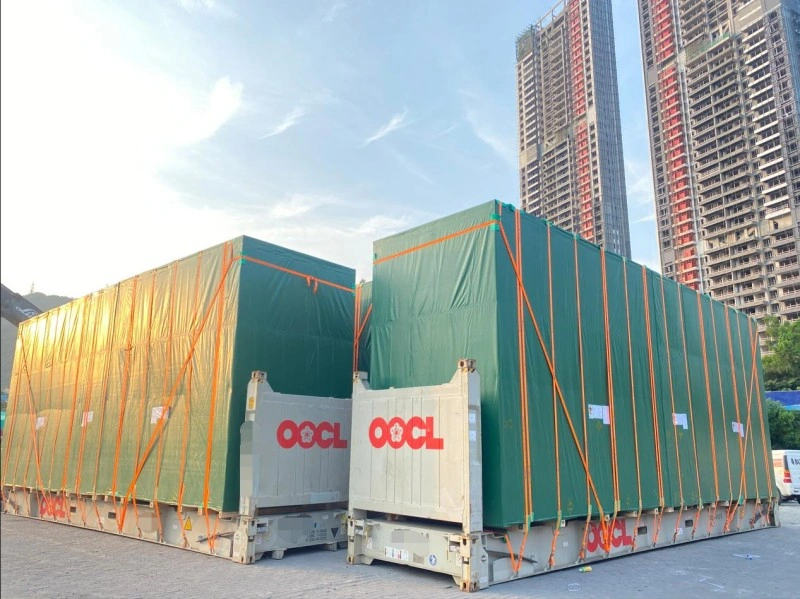
Environmental Compliance Across the Engineering Logistics Chain
Compliance efforts must be undertaken at all phases, from the initial cargo survey to the project close out. It’s easy to overlook vital information in a disjointed attempt.
| Logistics Stage | Environmental Focus | Practical Control |
| Cargo Survey | Identify fluids, residues, batteries, and contamination risks | Inspection checklist and photos |
| Packaging | Balance protection and waste reduction | Suitable packaging plan |
| Loading | Prevent spills, damage, or unnecessary handling | Supervision and spill response readiness |
| Road Transport | Reduce emissions and leakage risks | Route planning and vehicle checks |
| Port Handling | Prevent storage exposure and packaging damage | Terminal coordination and inspection |
| Ocean Transport | Control moisture, salt air, and corrosion risk | Waterproofing, desiccants, or vacuum sealing |
| Temporary Storage | Prevent rust, leaks, and packaging waste issues | Covered storage and periodic inspection |
| Final Delivery | Protect receiving site from waste or contamination | Unloading plan and waste handling |
| Project Close-Out | Record incidents, disposal, and lessons learned | Completion report |
Common Mistakes in Environmental Compliance for Engineering Logistics
Older teams can get caught up in details that lead to problems in the downstream areas. The common pitfalls are compliance being applied to “labeled” hazardous cargo, not cleaning any equipment used before reuse, or only considering costs and not waste.
| Mistake | Better Practice |
| Only checking hazardous cargo labels | Review fluids, residues, batteries, packaging, and waste risks |
| Ignoring used machinery contamination | Clean and inspect equipment before packing |
| Overusing single-use packaging | Balance protection with reusable or recyclable options |
| Weak cargo protection | Prevent damage that creates waste, rework, or repacking |
| No MSDS for regulated components | Prepare MSDS for batteries, oils, chemicals, or residues when needed |
| No spill plan | Define response steps and emergency contacts |
| Poor route planning | Consider fuel use, congestion, safety, and environmental restrictions |
| No waste handling plan | Clarify who manages packaging waste at destination |
| No documentation | Keep photos, inspection records, cleaning records, and incident reports |
How to Choose a Logistics Partner for Environmentally Responsible Engineering Cargo
The right partner can make all the difference in the degree of environmental compliance integration into overall project operations. Seek evidence of successful experience handling complex engineering logistics, practical risk awareness and good documentation and co-ordination skills.
| Logistics Capability | Why It Matters |
| Engineering Logistics Experience | Helps identify risks specific to heavy and oversized cargo |
| Environmental Risk Awareness | Supports early detection of spills, waste, residues, and emissions concerns |
| Hazardous Component Review | Helps identify batteries, fluids, chemicals, or pressure systems |
| Packaging Planning | Balances cargo protection with waste control |
| Spill Prevention Process | Reduces contamination and cleanup risk |
| Route Planning Capability | Supports safer and more efficient transport |
| Documentation Control | Provides records for compliance, inspection, and incident response |
| Port and Site Coordination | Aligns handling procedures with local environmental rules |
| Emergency Response Planning | Helps teams respond quickly if leakage or spills occur |
| Project Review Process | Improves future environmental and logistics performance |
Conclusion — Environmental Compliance Is Part of Project Risk Control
To ensure environmental compliance in engineering logistics, it needs to be linked to cargo assessment, packaging, route planning, implementation and delivery. Teams can shift heavier and larger loads more responsibly, while keeping people safe and on schedule, by understanding the potential for spills, mitigating unnecessary waste, creating comprehensive documentation and choosing effective protection strategies.
The same applies to industrial projects: When you treat these factors as part of project planning and not as a separate checklist, you reduce the surprises, spare your reputation and will be able to achieve successful results for your project around the world.