blog

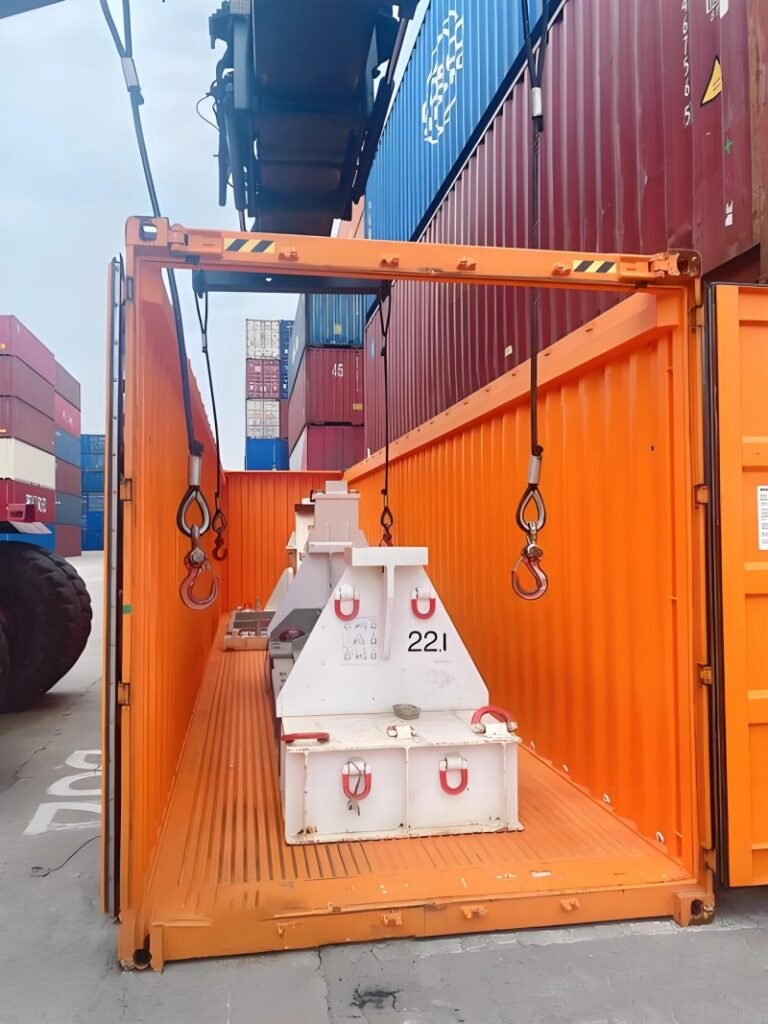
A crane lifts tall industrial equipment into an open top container, showcasing top-loading capability for cargo exceeding standard container height.
blog

What Is Oversized Cargo in Shipping? Definition, Types, and Transport Methods

Oversized cargo refers to freight that exceeds the standard dimensions or weight limits of regular shipping containers. Transporting oversized cargo requires specialized equipment, container types, and route planning to ensure safety and efficiency. This guide explains the definition of oversized cargo, common cargo types, and the transport methods used in international oversized freight logistics.

Large out-of-gauge cargo covered with green tarpaulin in an urban setting, illustrating the need for accurate OOG declaration forms and terminal-specific approval documents to prevent booking rejection or port detention charges
blog

Documentation Required for Open Top OOG Shipping

Open top OOG shipping requires detailed documentation beyond standard export paperwork. This guide explains mandatory documents such as OOG declaration forms, cargo sketches, securing plans, weight certificates, and regulatory approvals to ensure compliant and delay-free shipment.

Workers in safety gear securing over-height project cargo on a TAL open top container flat rack, demonstrating engineered lashing plan execution and preliminary cargo assessment for OOG declaration compliance
blog

Open Top Container Booking Process Explained

Booking an open top container requires dimensional verification, OOG approval, securing plans, and carrier confirmation. This guide explains each step in the booking process, from documentation submission to terminal coordination, helping exporters avoid delays and rejections.

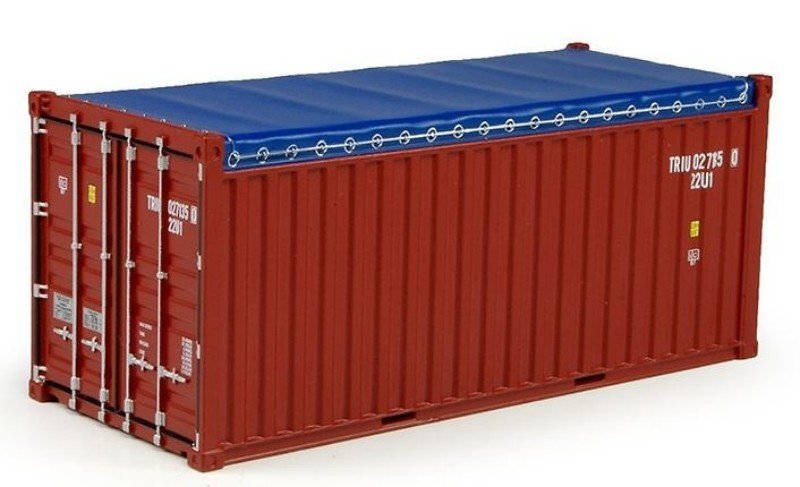
Model of a red open top container showing external dimensions and identification codes, emphasizing the need for accurate height measurement to minimize OOG surcharge tiers
blog

How to Reduce Open Top Container Shipping Costs

Open top container shipping costs are influenced by OOG classification, crane handling, port surcharges, and securing complexity. This guide explains how dimensional optimization, weight planning, accurate documentation, and structured logistics coordination can reduce total shipping costs without increasing risk.

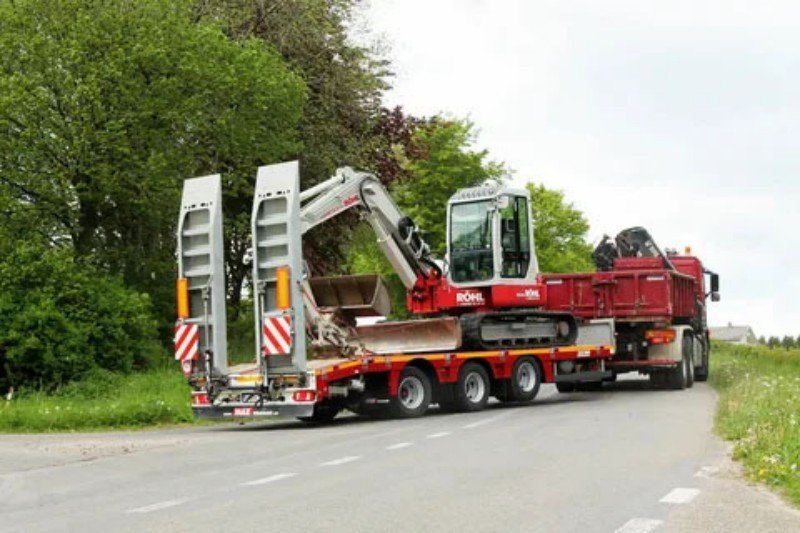
Red excavator being transported on a specialized low loader trailer highlighting weight distribution and center of gravity concerns for terminal crane safe working load limits
blog

Why Ports Impose Restrictions on Open Top Containers

Ports impose specific restrictions on open top containers to ensure operational safety and vessel stability. This guide explains OOG dimensional limits, weight restrictions, approval procedures, and common causes of cargo delay to help exporters plan compliant shipments and minimize risks like demurrage or rejection.
Port restrictions for open top containers are not arbitrary—they are structured safety controls designed to protect vessel stability, terminal operations, and regulatory compliance. Open top containers carrying OOG cargo (out-of-gauge) receive additional scrutiny at ports worldwide. Terminal handling limitations vary significantly based on each port’s infrastructure, crane capabilities, yard layout, and local regulations. Non-compliance can quickly lead to cargo rejection, vessel rollovers, or expensive delays.
Many shippers assume that once a carrier accepts OOG cargo, port entry is guaranteed. In reality, terminal operators often apply independent restrictions based on equipment capacity and safety protocols. Port-approved open top container transport requires advance dimensional declaration, structural assessment, and terminal-specific approval—steps that demand careful coordination long before the cargo arrives at the gate.

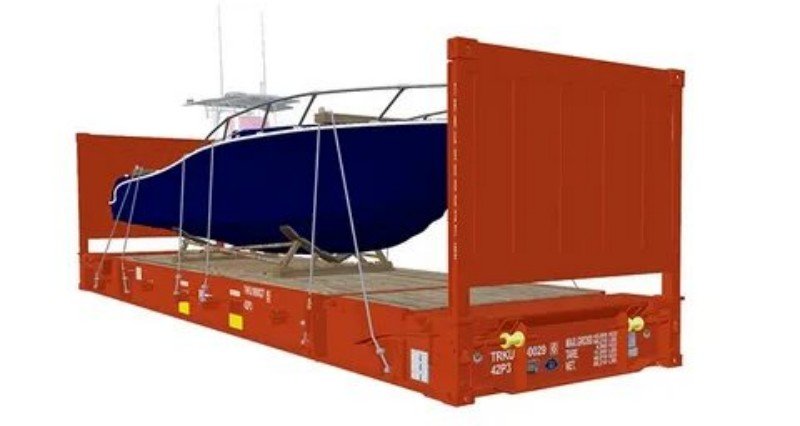
Blue yacht secured inside a red open top shipping container showing internal lashing wires and wooden blocking for marine insurance compliance
blog

Marine Insurance for Open Top Container Shipments

Open top container shipments introduce elevated risks from weather exposure, securing challenges, and OOG projections. This guide breaks down marine insurance options, Institute Cargo Clauses (A, B, C), frequent exclusions, documentation needs, and risk mitigation tactics to help minimize claim rejections and financial losses on oversized cargo moves.

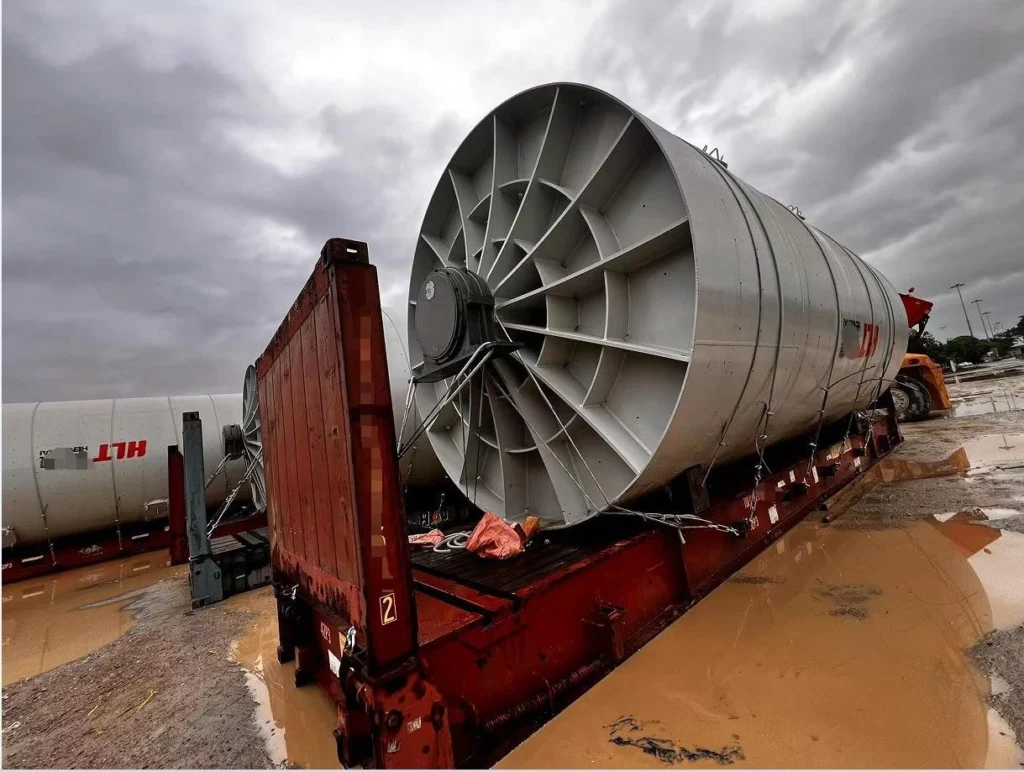
A large, cylindrical industrial fan with a prominent blade assembly is loaded onto a red flatbed trailer, secured with chains, in a muddy yard under an overcast sky.
blog

Oversized Machinery Transportation Guide

Oversized machinery transportation requires specialized logistics planning because large industrial equipment often exceeds standard shipping dimensions. Transport methods such as flat rack containers, open top containers, and breakbulk vessels are commonly used. This guide explains how oversized machinery is transported, the equipment used, and the key logistics considerations involved in moving heavy industrial machinery safely.

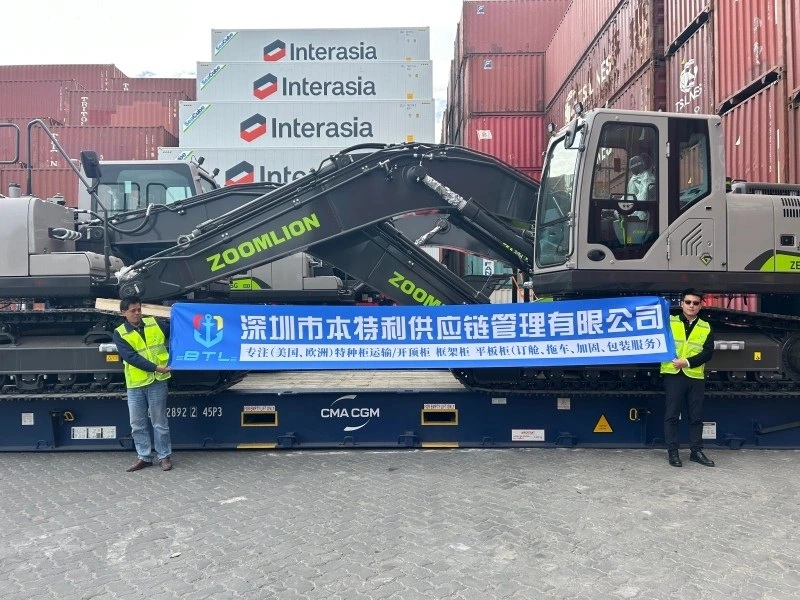
Two workers in safety vests hold a banner for Shenzhen BTL Supply Chain Management Co., Ltd. in front of a large Zoomlion excavator loaded on a CMA CGM flat rack container at a container terminal.
blog

How to Ship Construction Equipment Internationally

Shipping construction equipment internationally requires careful logistics planning due to the size, weight, and complexity of heavy machinery. Transport methods such as flat rack containers, roll-on/roll-off vessels, and breakbulk shipping are commonly used. This guide explains the key steps involved in international construction equipment shipping and how companies ensure safe and efficient transport.

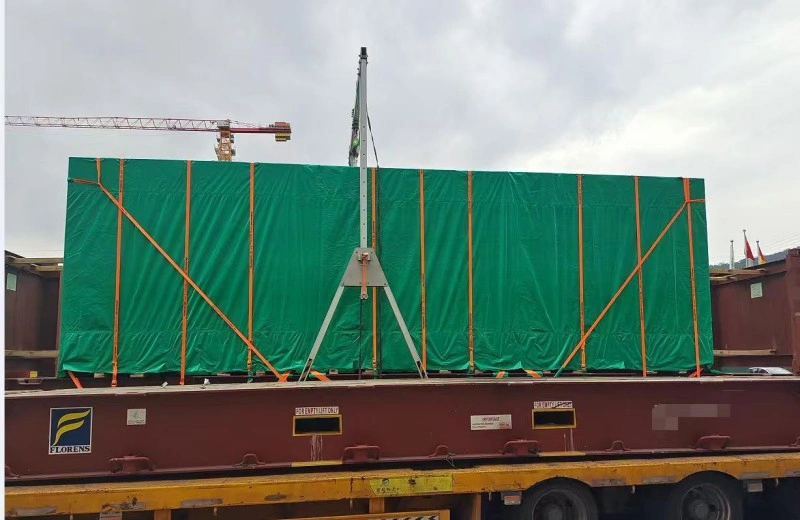
A large cargo unit wrapped in green tarpaulin and secured with orange lashing straps is being lifted by a mobile crane onto a flat rack container at a port terminal, with construction cranes visible in the background.
blog

Port Handling Challenges for Oversized Cargo

Handling oversized cargo at ports presents unique operational challenges due to the size, weight, and irregular shape of the cargo. Specialized cranes, additional storage space, and coordinated logistics planning are often required. This guide explains the key port handling challenges associated with oversized cargo and how logistics teams manage these complexities to ensure safe and efficient cargo movement.

滚动至顶部