
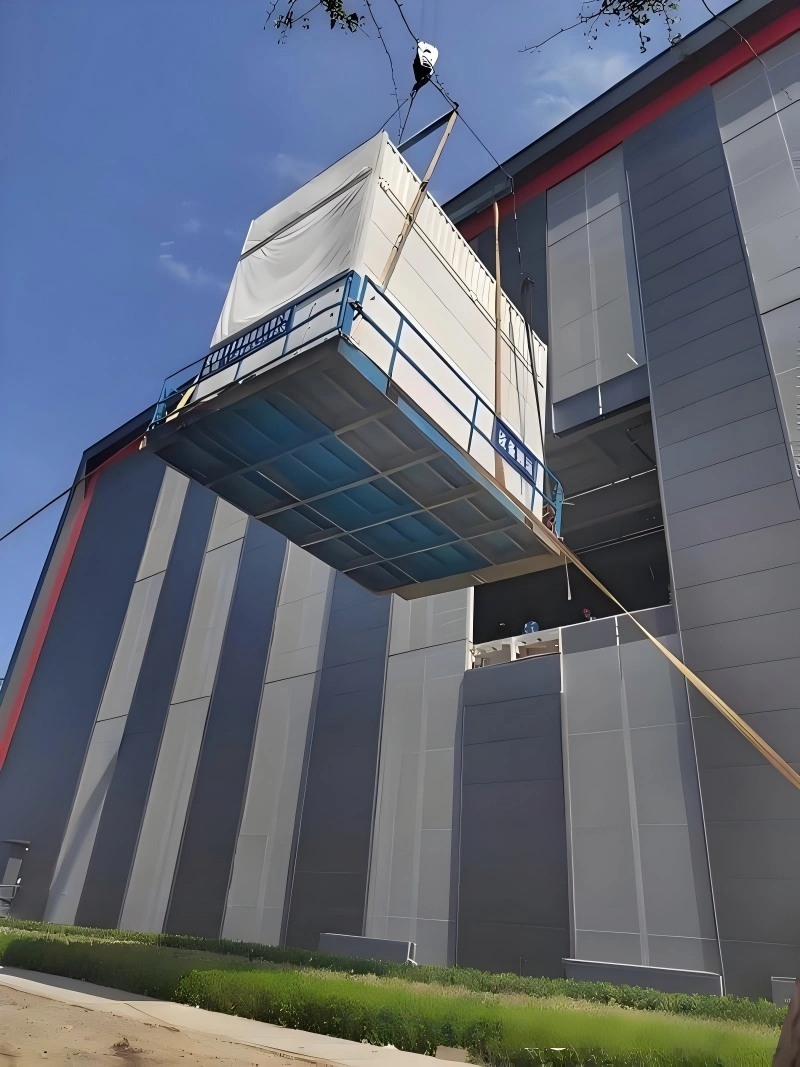
How to Handle Hazardous or Sensitive Equipment During Factory Moves
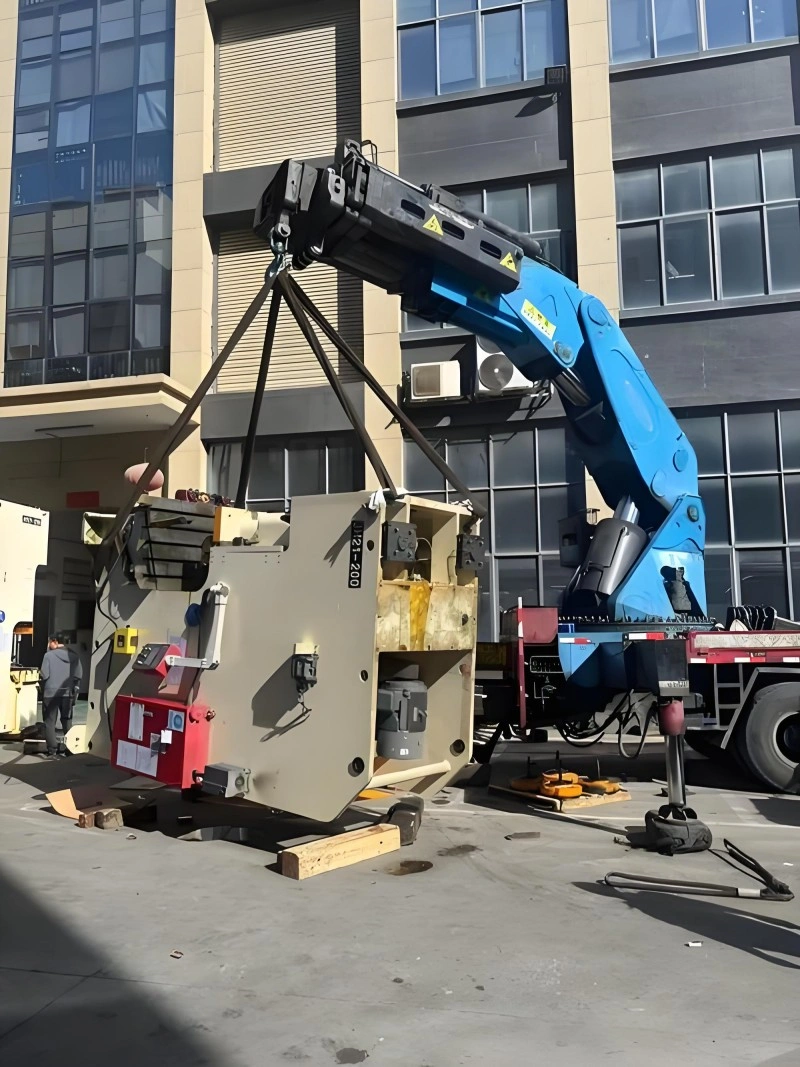
Hazardous or sensitive equipment requires special planning during factory moves. This guide explains how to identify risk categories, isolate utilities, label hazardous components, protect precision ...
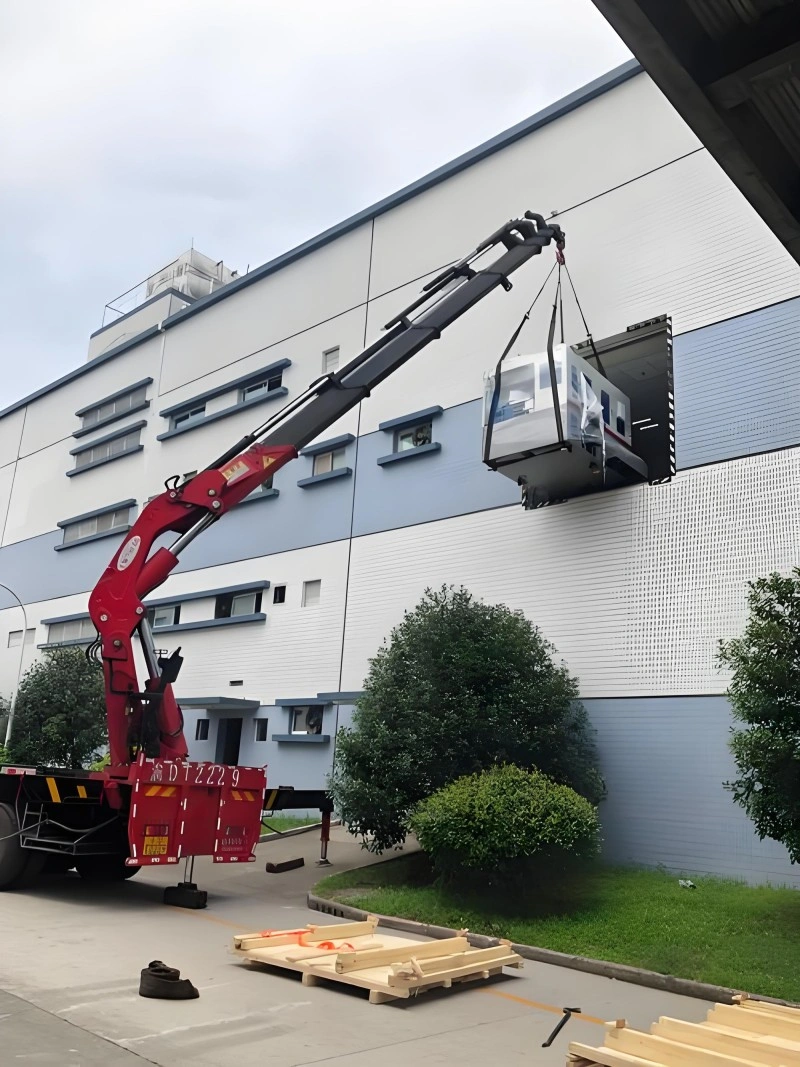
Cost Factors Every Company Should Know About Factory Relocation
Factory relocation costs depend on more than transport distance. Equipment size, weight, dismantling requirements, lifting methods, packaging, cargo protection, permits, route planning, labor coordination, insurance, ...
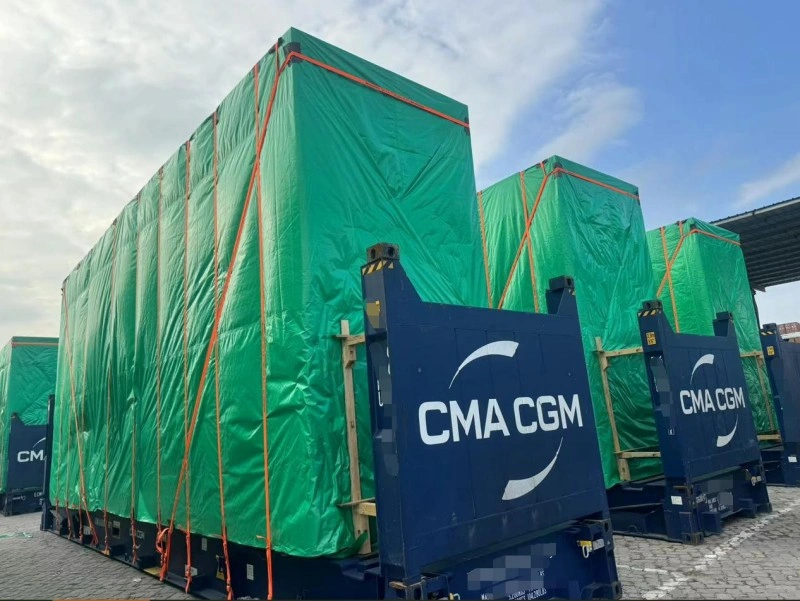
The Role of Logistics Technology in Efficient Factory Relocation
Logistics technology helps factory relocation projects become more predictable, visible, and efficient. This guide explains how 3D load planning, GPS tracking, IoT sensors, route simulation, ...
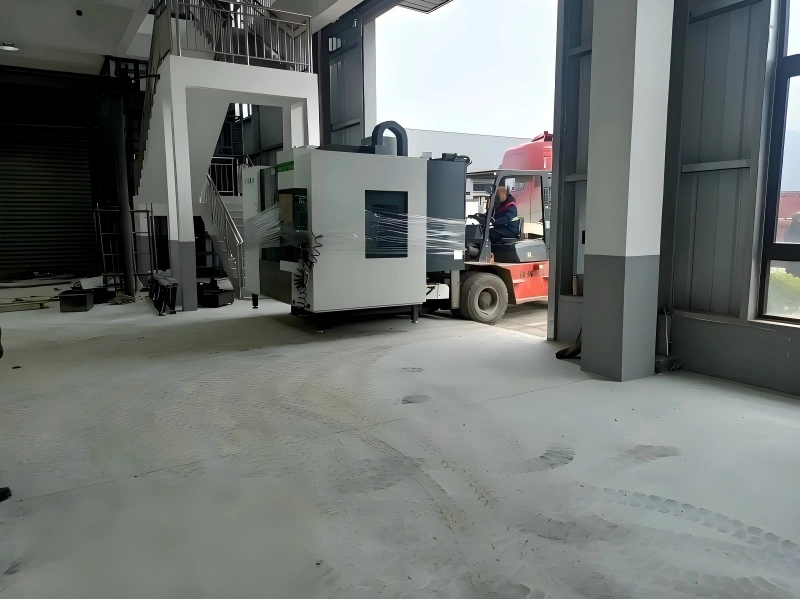
How to Plan a Factory Relocation Without Interrupting Production
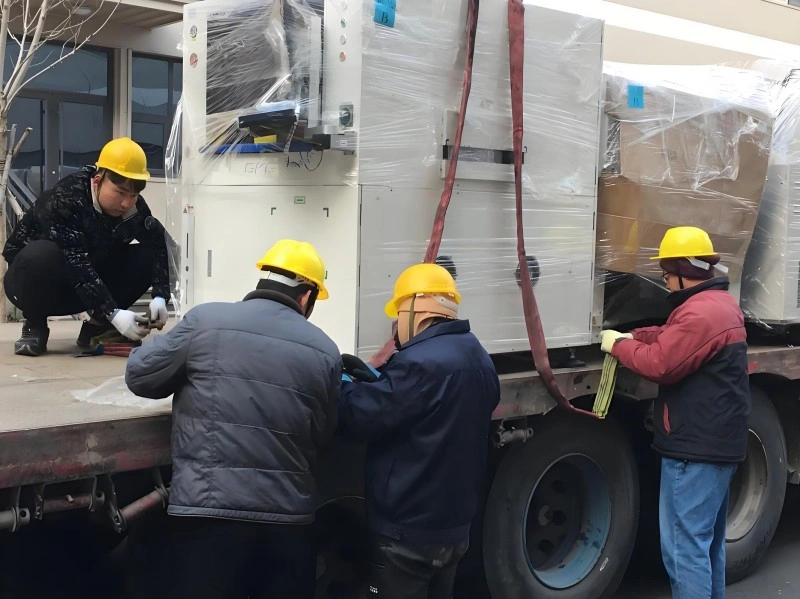
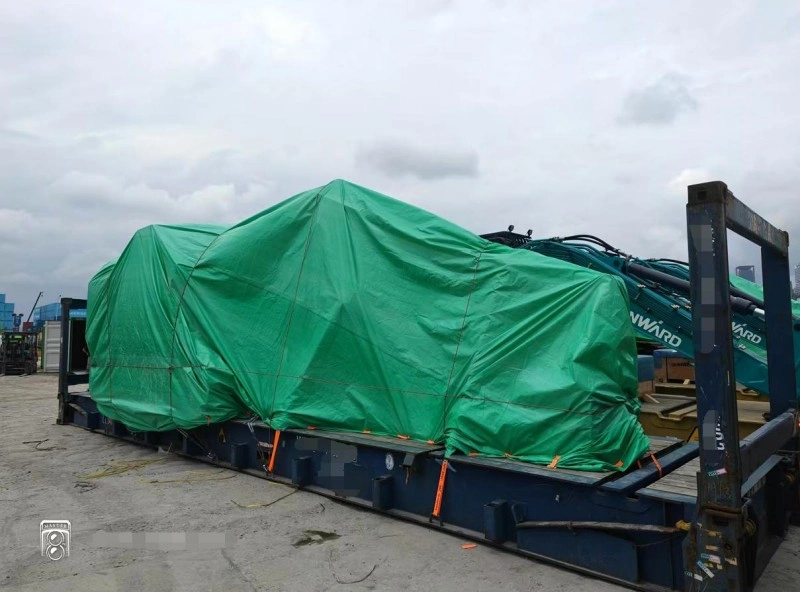
Factory relocation requires careful planning to avoid production disruptions. This guide covers preparation steps, equipment protection, scheduling strategies, and risk mitigation to ensure a smooth ...
How Early Risk Analysis Improves Budget Accuracy in Engineering Logistics
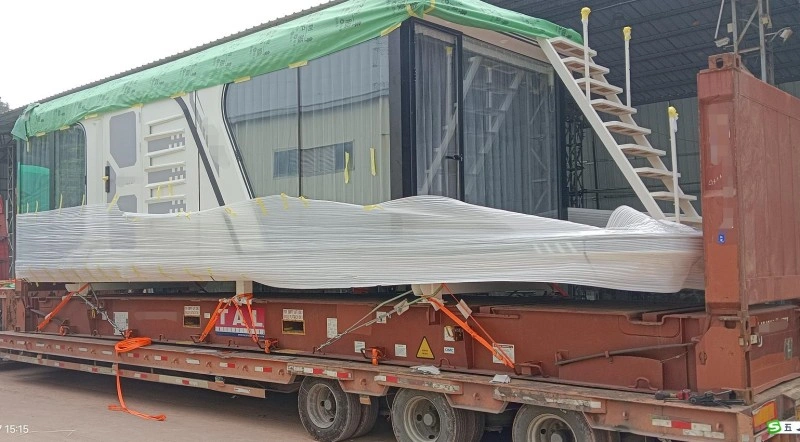
Early risk analysis helps engineering logistics teams build more accurate budgets by identifying hidden cost drivers before transport begins. This guide explains how cargo data, ...
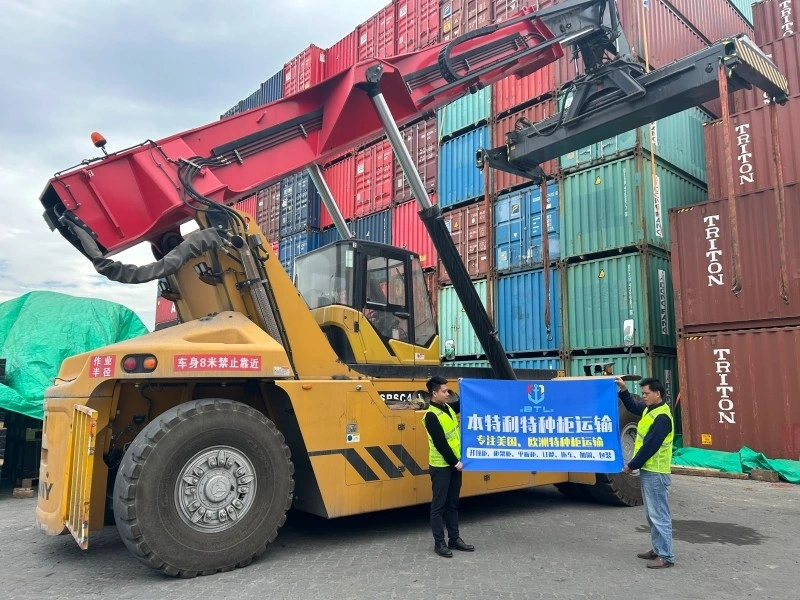
Coordinating Simultaneous Multi-Modal Equipment Transfers: A Case Study
Simultaneous multi-modal equipment transfers require careful coordination across cargo surveys, transport modes, port schedules, customs documents, lifting resources, storage areas, and final-mile delivery. This case-study-style ...
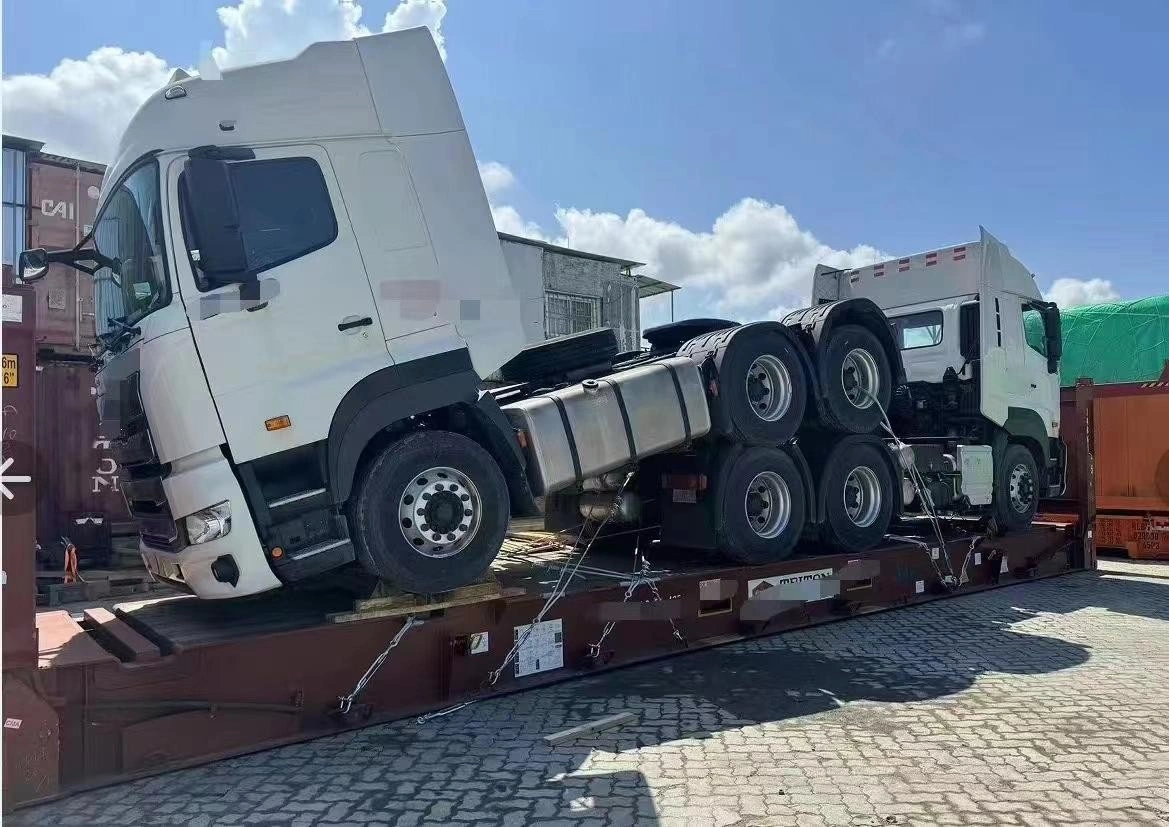
How Lead Time Planning Impacts Large-Scale Project Transport Costs
Lead time planning can significantly affect large-scale project transport costs. When cargo surveys, permits, route planning, equipment booking, port coordination, customs documents, and final delivery ...
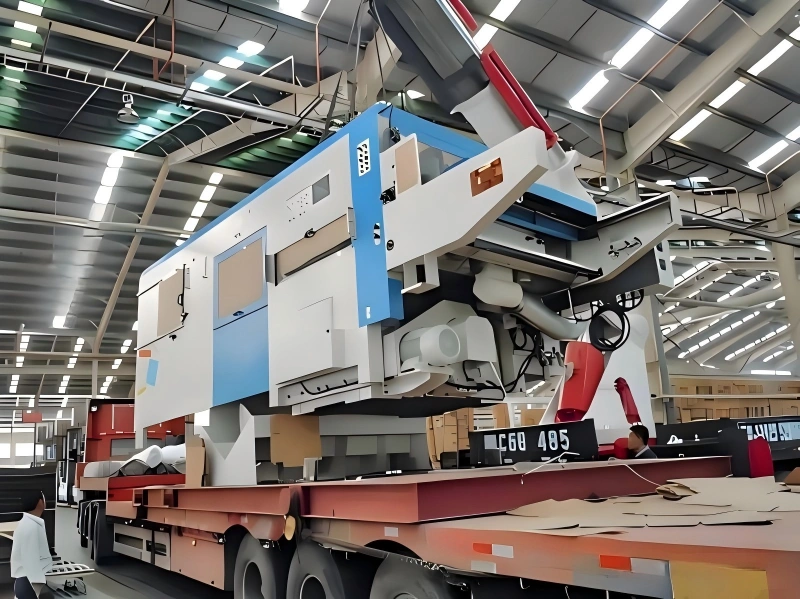
Top Challenges in International Factory Relocation and How to Overcome Them
International factory relocation involves more than moving equipment from one country to another. Customs clearance, export packaging, oversized transport, port handling, documentation, compliance, insurance, and ...
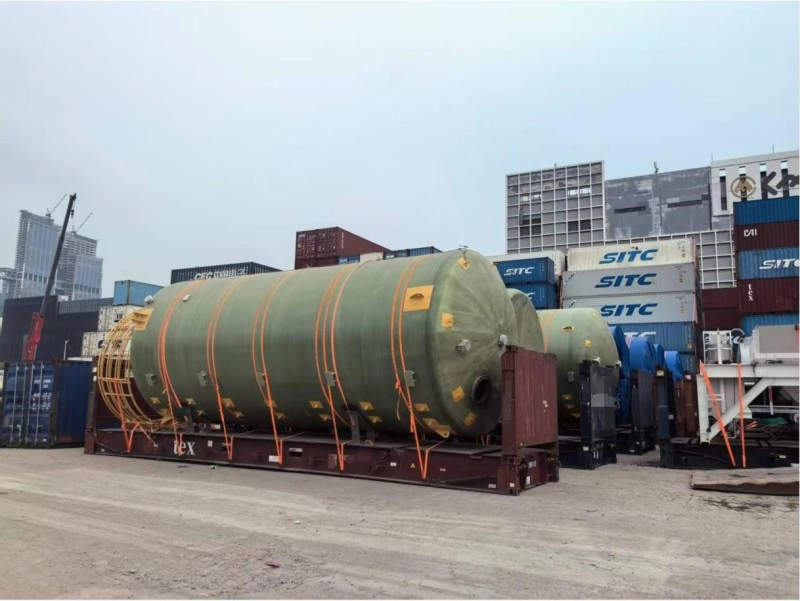
Reducing Downtime When Moving High-Value Production Lines
Moving high-value production lines can create costly downtime if equipment assessment, dismantling, labeling, packing, transport, delivery sequence, and reinstallation are not planned together. This guide ...