
In large-scale engineering logistics, lead time planning of project transport cost is of crucial importance. Whether it is project cargo like oversized machinery, transformers, pressure vessels, production lines or steel structures, all phases involved in the transfer from factory to site require ample preparation time. By scheduling early, the exactness of cargo data will be verified, permits secured in advance, specialized equipment reserved, and coordination goes smoothly, all of which directly lower down avoidable expenses Transport cost is still mostly considered in terms of distance and weight for many teams. In fact, in the case of OOG and heavy loads, haste of planning can increase the overall cost of the project more than the cost of the actual transport. In the engineering logistics area, the Lead time planning process should be considered an engineering logistics cost control process, because, in many cases, scheduling delays lead to greater pressure on finances than transit delays. For oversized machinery, factory equipment, transformers, skids, and other high-value project cargo, effective lead time planning in engineering logistics helps coordinate surveys, permits, equipment booking, port approvals, customs documents, and final-site readiness before cost pressure builds.
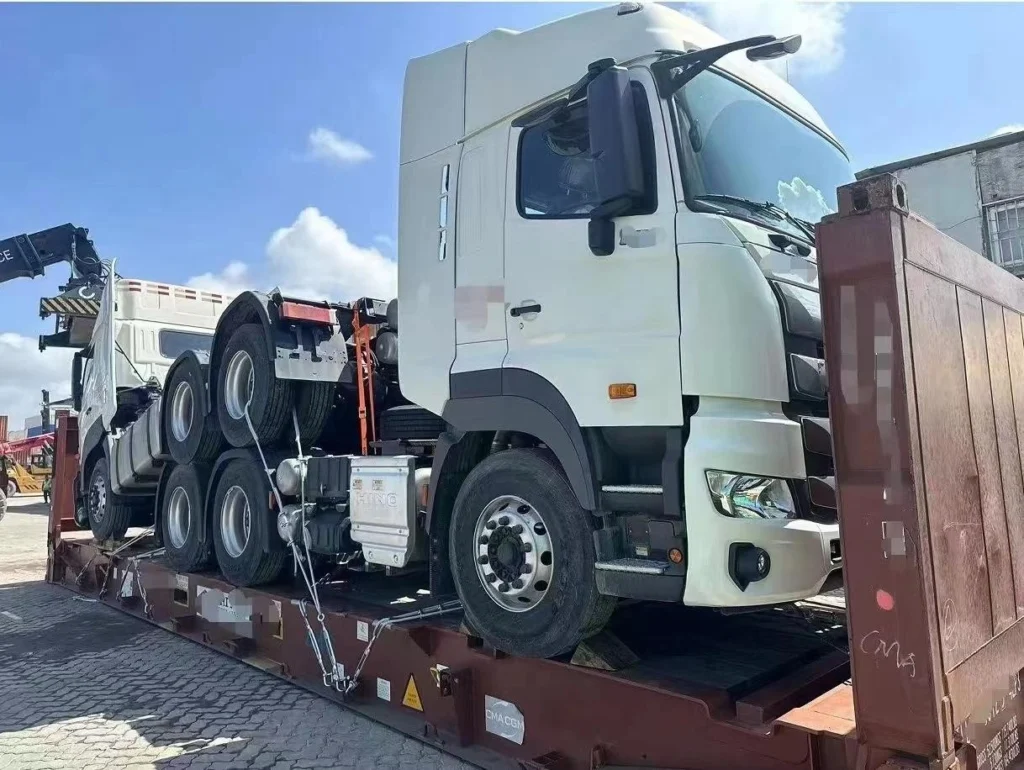
Why Lead Time Matters in Large-Scale Project Transport
Late planning results in teams becoming inflexible and having to take on options which are urgent, limited or less effective. This will invariably increase the final bill.
The problems associated with rushed logistics are generally accompanied by one or more of the following cost drivers:
| Planning Area | Why Lead Time Matters |
| Cargo Survey | Accurate dimensions and weight prevent wrong quotations and equipment changes |
| Route Planning | Road restrictions, bridge limits, and turning radius need time to verify |
| Permits | Oversized or heavy cargo permits may require several days or weeks |
| Equipment Booking | Lowbed trailers, cranes, and flat racks may have limited availability |
| Packing and Protection | Wooden crating, vacuum sealing, or anti-rust treatment need preparation time |
| Lashing Design | Securing plans must match cargo weight, shape, and transport mode |
| Port Approval | OOG cargo may need advance terminal and carrier acceptance |
| Customs Documents | Incomplete paperwork can create clearance delays and storage fees |
| Site Delivery | Destination access, crane positioning, and receiving team readiness must be confirmed |
How Short Lead Times Increase Project Transport Costs
Lead time planning should not just be limited to ocean shipping, but should cover the entire process from pre-shipment preparation to site handover.
The timeline requirements and costs of each stage are different in case a delay occurs:
| Short Lead Time Problem | Possible Cost Impact |
| Specialized Trailer Not Available | Higher rental rate or delayed pickup |
| Crane Booking Too Late | Overtime cost or rescheduling fee |
| Permit Not Approved | Truck waiting cost or schedule delay |
| Route Issue Found Late | Detour, escort change, or route redesign cost |
| Cargo Packing Delayed | Missed pickup window or urgent labor cost |
| OOG Approval Submitted Late | Missed vessel cut-off or cargo rollover |
| Customs Documents Incomplete | Port storage, demurrage, or clearance delay |
| Site Not Ready | Re-delivery, temporary storage, or unloading delay |
| Contractor Coordination Weak | Waiting time, duplicated work, and emergency adjustments |
Lead Time Planning Across the Full Project Logistics Chain
Not only does lead time affect direct freight costs, but it also has an effect on other costs that are not so easy to measure.
Each stage carries its own timeline requirements and cost risks if delayed:
| Logistics Stage | Lead Time Planning Focus | Cost Risk If Delayed |
| Cargo Survey | Verify dimensions, weight, lifting points | Wrong equipment or quotation revision |
| Technical Planning | Review route, load plan, lashing | Rework and unsafe execution risk |
| Cargo Readiness | Align packing, inspection, pickup schedule | Waiting cost or missed transport window |
| Inland Transport | Arrange trailer, permits, escorts | Urgent equipment cost or legal delay |
| Port Entry | Confirm terminal appointment, OOG approval | Storage fees or missed cut-off |
| Ocean / Multi-Modal | Reserve suitable vessel, flat rack, open top | Higher freight rate or schedule rollover |
| Customs Clearance | Prepare invoice, packing list, HS code | Clearance delay and demurrage |
| Destination Delivery | Plan local permits, final route, unloading | Temporary storage or failed delivery |
| Site Handover | Confirm receiving team and inspection | Project delay and contractor waiting cost |
Key Cost Drivers Affected by Lead Time
Practical planning ranges aid teams to stay away from last minute stress by steering clear of the end game and the timeline varies by country, route and cargo complexity.
| Cost Driver | How Lead Time Affects It |
| Freight Rate | More time allows comparison of suitable transport options |
| Specialized Trailer Cost | Early booking improves availability and reduces urgent pricing |
| Crane Cost | Planned scheduling reduces overtime or standby charges |
| Permit Cost | Early application reduces emergency processing fees |
| Packaging Cost | Allows proper preparation instead of rushed labor |
| Port Storage Cost | Better timing reduces unnecessary yard time |
| Customs Cost | Early document review reduces correction delays |
| Vessel Cost | More sailing options may lower last-minute premiums |
| Contractor Waiting Time | Better milestone alignment reduces idle labor |
| Downtime Cost | Reliable delivery supports production restart planning |
Recommended Lead Time by Project Cargo Activity
You need to rely on verified cargo information to reach the reliable lead time planning. The lack of data or incorrect data leads to assumptions, which need to be corrected later at great expense.
| Activity | Typical Planning Need | Why It Should Start Early |
| Cargo Survey | Early project planning stage | Confirms cargo data before quotations |
| Route Survey | Before transport date is fixed | Identifies road restrictions and permit needs |
| Oversized Transport Permits | Several days to several weeks | Approval times vary by local authority |
| Specialized Trailer Booking | As early as possible after data confirmation | Equipment availability may be limited |
| Crane and Rigging Planning | Before loading/unloading schedule | Capacity and ground conditions need review |
| Protective Packaging | Before pickup date | Crating and sealing require preparation |
| Port / Carrier Approval | Before cargo reaches port | OOG cargo needs advance acceptance |
| Customs Document Review | Before shipment departure | Prevents clearance issues |
| Final-Mile Delivery Planning | Before cargo arrives at destination | Local permits and site access must be ready |
How Early Cargo Data Reduces Cost Uncertainty
If sufficient planning time is allowed, the team can consider which method of transport is the most appropriate and cost-effective option rather than opting for the quickest available.
| Cargo Data | Cost Uncertainty If Missing |
| Dimensions | Transport method, permit cost, port approval may change |
| Gross Weight | Trailer, crane, and route costs may be inaccurate |
| Center of Gravity | Lifting and securing plans may require revision |
| Lifting Points | Crane method and rigging cost may change |
| Tie-Down Points | Lashing material and labor may be underestimated |
| Packing Dimensions | Final cargo may exceed planned limits |
| Technical Drawings | Equipment selection based on assumptions |
| Hazardous Components | Documentation or carrier approval may delay |
How Lead Time Affects Transport Method Selection
When goods are transported prior to approvals and arrangements, port and customs costs can quickly add up.
| Transport Method | Lead Time Advantage | Short Lead Time Risk |
| Flat Rack Container | More time for OOG approval and lashing | Cargo may miss vessel |
| Open Top Container | Time to plan top loading and protection | Limited availability or handling delays |
| Breakbulk Shipping | Early booking improves coordination | Higher cost if options limited |
| Heavy Lift Vessel | Early planning and port capability review | May be unavailable |
| Lowbed / Modular Trailer | Secures suitable vehicle and permits | Urgent booking increases cost |
| Multi-Modal Transport | Allows comparison of combinations | Poor coordination raises handling costs |
Lead Time and Port / Customs Cost Control
Typically, the final leg can incur unplanned expenses because the export location may not be equipped to handle large or bulky loads.
| Port / Customs Issue | Cost Risk | Lead Time Control Strategy |
| OOG Approval Late | Vessel rollover | Submit data, drawings, and weight early |
| Terminal Appointment Missed | Waiting cost | Align road delivery with schedule |
| Cargo Arrives Too Early | Storage charges | Time delivery closer to loading window |
| Customs Documents Incomplete | Demurrage and delay | Pre-check all documents before departure |
Lead Time Planning for Final-Mile Delivery and Site Readiness
Schedule, responsibilities, and contingency plans are linked in a structured manner to ensure the project stays on track.
| Site Readiness Factor | Cost Risk If Not Planned |
| Access Road | Detour, extra handling |
| Gate and Turning Space | Delivery failure at final site |
| Ground Bearing Capacity | Unsafe crane or trailer operation |
| Crane Availability | Cargo waits on truck or in storage |
| Receiving Team | Delayed handover and extended standby |
| Installation Sequence | Equipment arrives in wrong order |
How to Build a Lead Time Planning Framework
Even teams with a long history of successful projects can get into a “rush” rut that drives up expenses.
| Framework Step | Main Action | Output |
| Define Project Deadline | Identify delivery and installation dates | Target timeline |
| Verify Cargo Data | Confirm all technical details | Approved cargo profile |
| Map Logistics Stages | List end-to-end route and milestones | Route plan |
| Identify Critical Lead Times | Check permit and resource deadlines | Critical timeline |
| Reserve Key Resources | Book equipment and contractors | Resource plan |
| Prepare Documents Early | Review all required paperwork | Document checklist |
| Build Schedule Buffers | Allow time for disruptions | Contingency schedule |
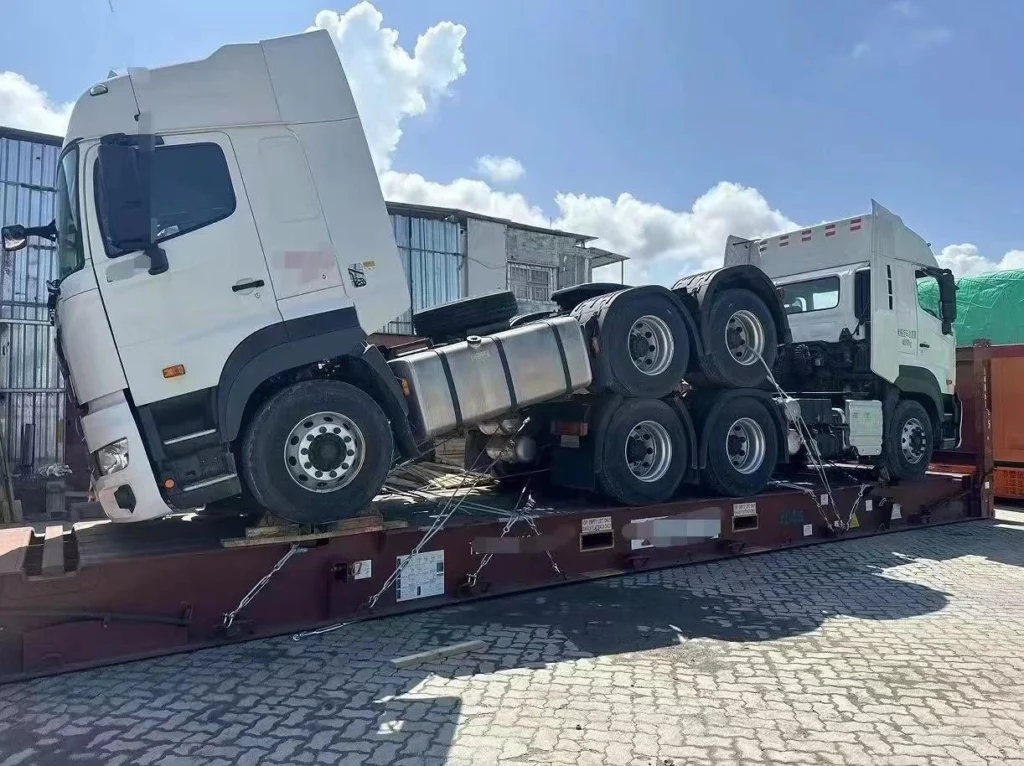
Common Lead Time Planning Mistakes in Project Transport
Look for a partner with solid realistic time management and risk mitigation skills.
| Mistake | Better Practice |
| Starting logistics too late | Begin planning during production |
| Using estimated cargo data | Verify dimensions and weight early |
| Underestimating permit lead times | Check requirements and timing in advance |
| Late trailer or crane booking | Reserve once cargo data is confirmed |
| Ignoring packing time | Include crating and protection in the timeline |
| Late customs review | Pre-check documents before shipment |
| No final-mile planning | Confirm site access and permits early |
How to Choose a Logistics Partner for Lead-Time-Sensitive Project Cargo
Select a partner who demonstrates strong capability in realistic timeline management and risk mitigation.
| Logistics Capability | Why It Matters for Lead Time and Cost |
| Project Cargo Experience | Helps estimate realistic timelines |
| Cargo Survey Capability | Prevents data errors and later changes |
| Route and Permit Planning | Reduces legal delays and rerouting costs |
| Resource Booking | Secures equipment early |
| Port Coordination | Prevents missed cut-offs |
| Customs Document Control | Minimizes clearance and storage expenses |
| Final-Mile Planning | Avoids destination failures |
Conclusion — Lead Time Planning Protects Both Cost and Schedule
Careful planning at the start of a large-scale project can make the transport of materials cheaper. The reduction of the risk of last minute adjustments results from verified cargo data, early route surveys, preparation of permits, specialized equipment reservations, port approvals, customs preparations and final mile coordination.
Project teams can more effectively manage engineering logistics risks, achieve budget control, manage cargo safety, comply with regulations and meet project schedules by incorporating lead time planning into the engineering logistics management process. This translates into smoother operations and no surprises for all parties involved in the moving of complex, high value, industrial cargo.