
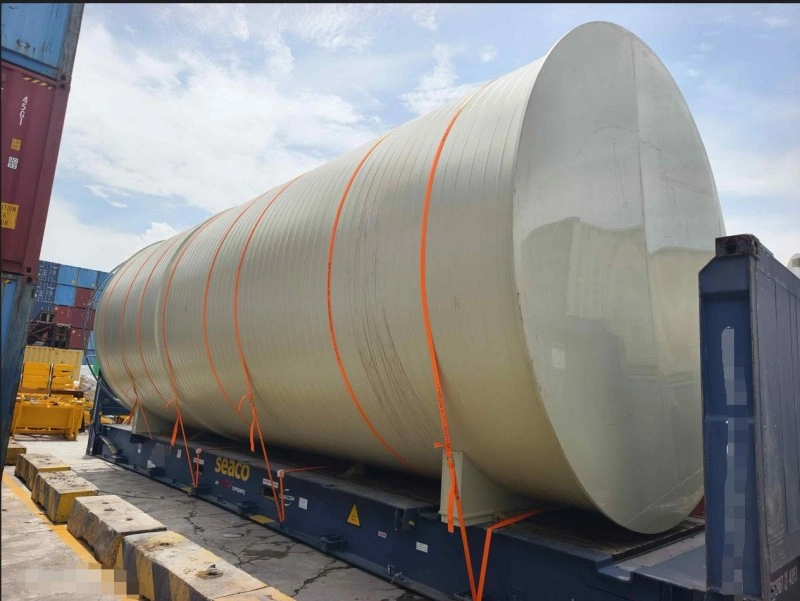

Logistics Considerations for Aerospace Components and Sensitive Equipment
Aerospace components and sensitive equipment require more than standard freight handling. This guide explains key logistics considerations for precision cargo, including cargo assessment, vibration and ...
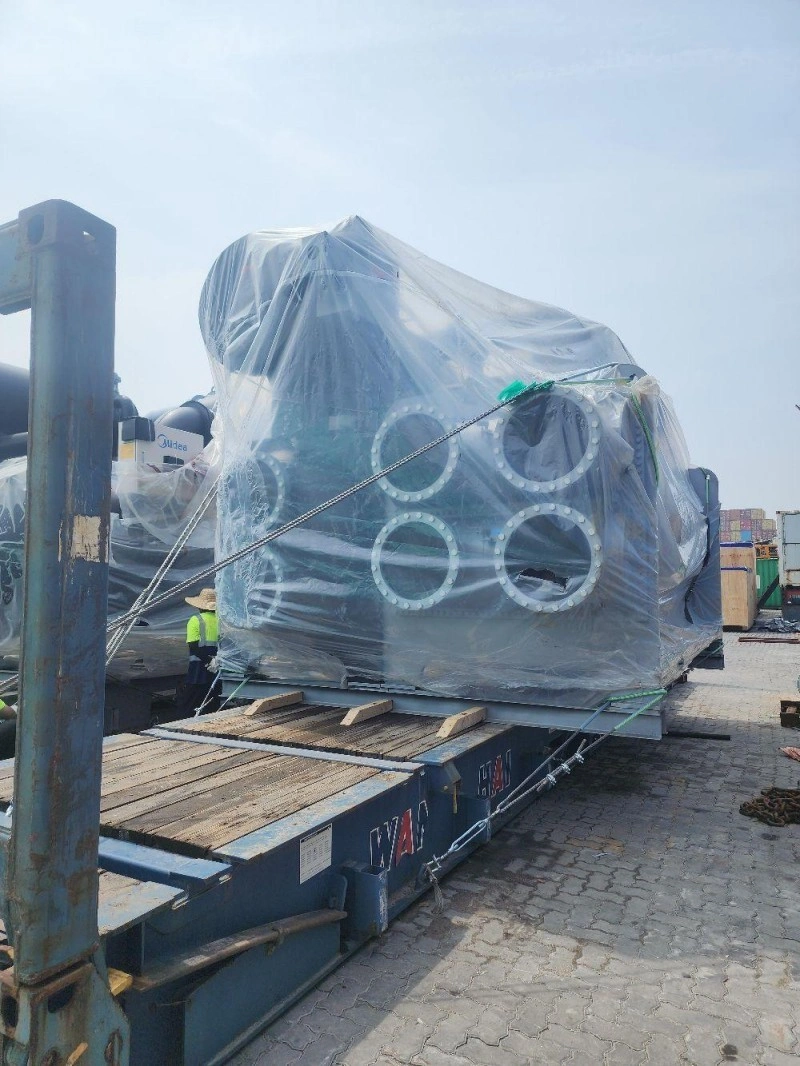
Transporting Water Treatment Plants and Industrial Machinery Safely
Water treatment plants and industrial machinery often include heavy, oversized, moisture-sensitive, and installation-critical equipment. This guide explains how to transport them safely through cargo assessment, ...

Engineering Logistics Solutions for Renewable Energy Projects: Wind Turbines and Solar Panels
Renewable energy projects depend on reliable logistics for oversized, fragile, and high-value equipment such as wind turbine blades, tower sections, nacelles, solar panels, inverters, transformers, ...
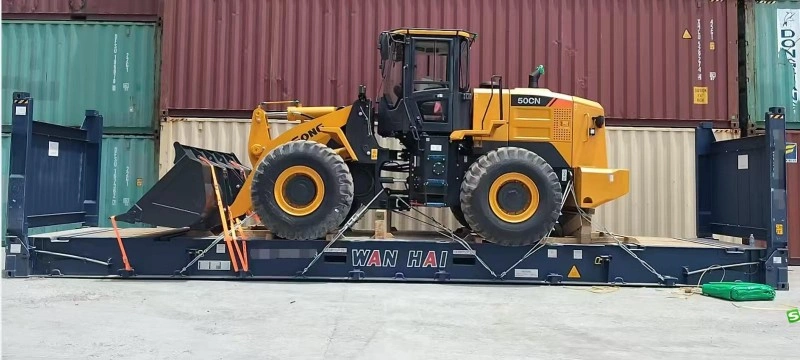
Lessons Learned from International Engineering Logistics Project Failures
International engineering logistics projects can fail when cargo data, route planning, permits, documentation, contractor coordination, or contingency measures are poorly managed. This guide explains common ...
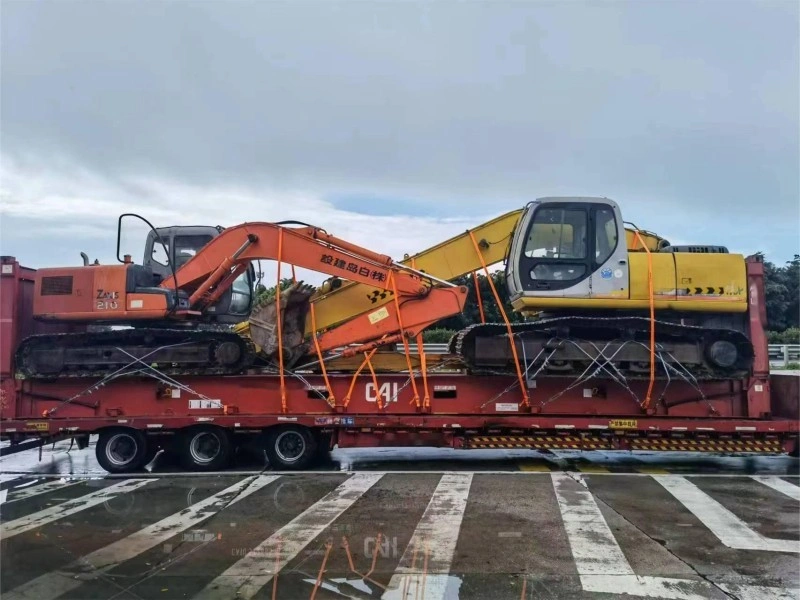
Coordinating Multiple Contractors in Complex Engineering Cargo Projects
International engineering logistics projects can fail when cargo data, route planning, permits, documentation, contractor coordination, or contingency measures are poorly managed. This guide explains common ...
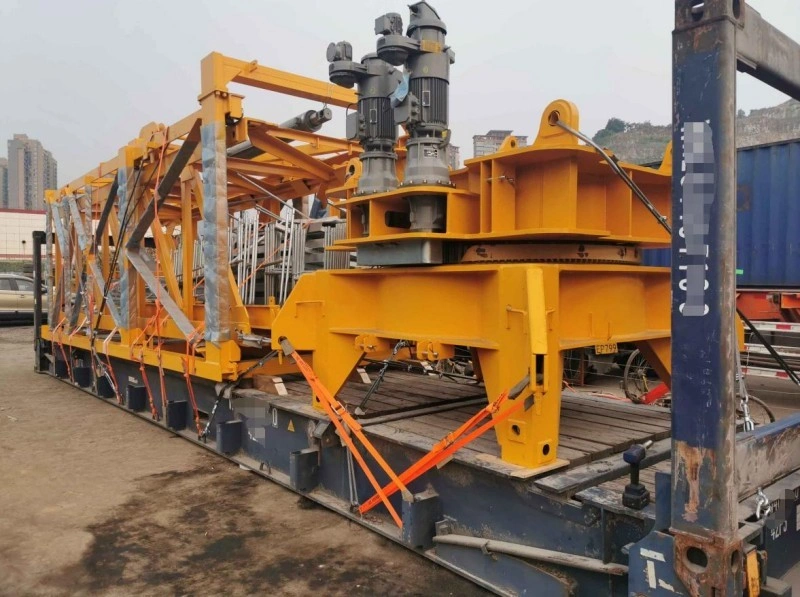
Risk Assessment Frameworks for High-Value Industrial Equipment Moves
Moving high-value industrial equipment requires more than transport capacity. This guide explains how to build a practical risk assessment framework for heavy machinery moves, covering ...
How Project Management Software Enhances Oversized Cargo Transport Efficiency
Project management software helps oversized cargo transport teams manage complex schedules, permits, route plans, cargo data, documentation, and on-site coordination more efficiently. This guide explains ...
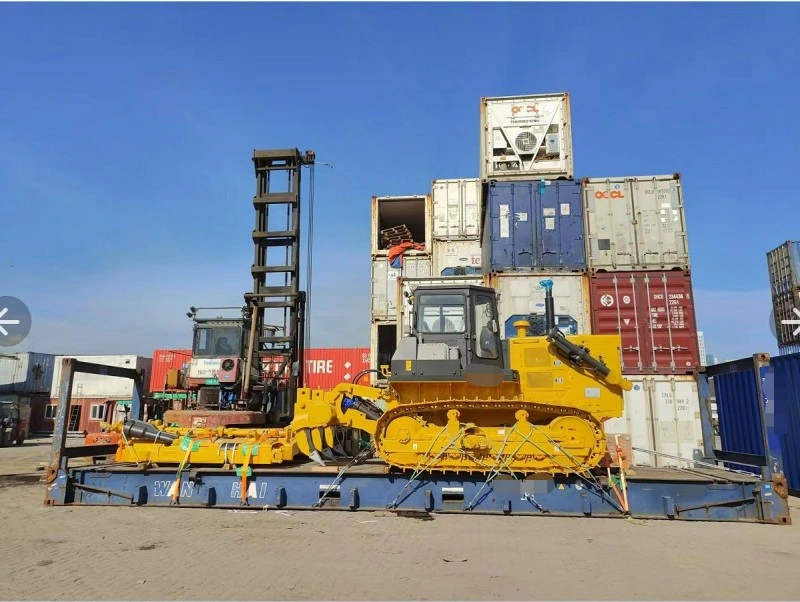
Multi-Phase Planning for Large-Scale Engineering Logistics Projects
Multi-phase planning is essential for large-scale engineering logistics projects. This guide explains how to schedule, coordinate, and transport oversized, heavy, or sensitive equipment safely and ...
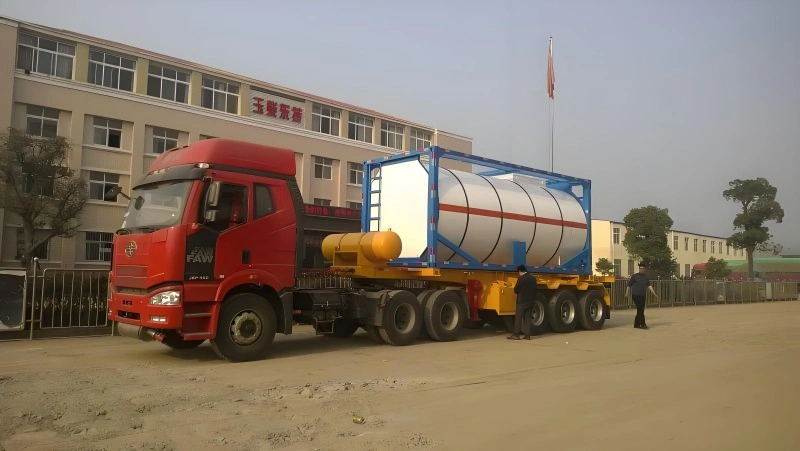
Why Choosing a Specialist Logistics Partner Matters for Hazardous Cargo
Choosing the right logistics partner is critical when shipping hazardous cargo. This guide explains why specialist experience matters for cargo classification, packaging review, documentation coordination, ...
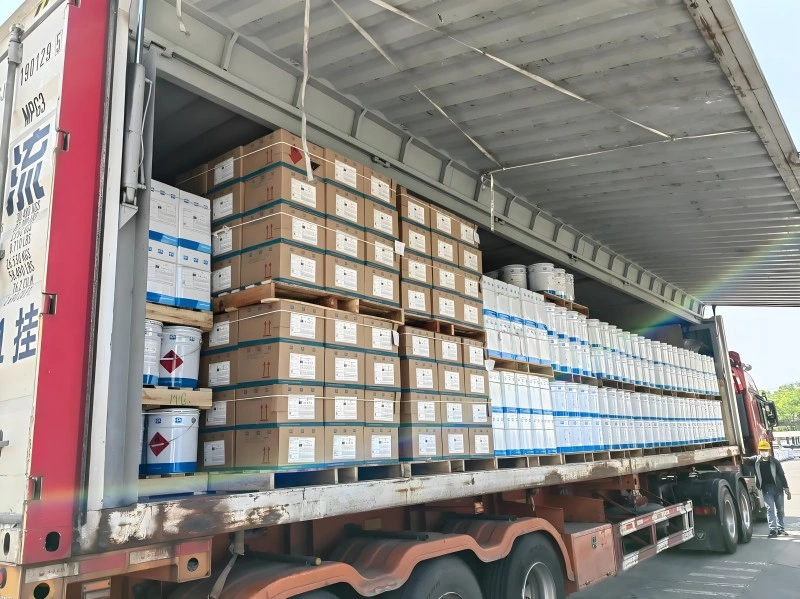
Case Study: Safely Shipping Industrial Batteries and Flammable Liquids
This case study explains how industrial batteries and flammable liquids can be prepared for safer hazardous cargo transport through risk assessment, cargo classification, packaging checks, ...
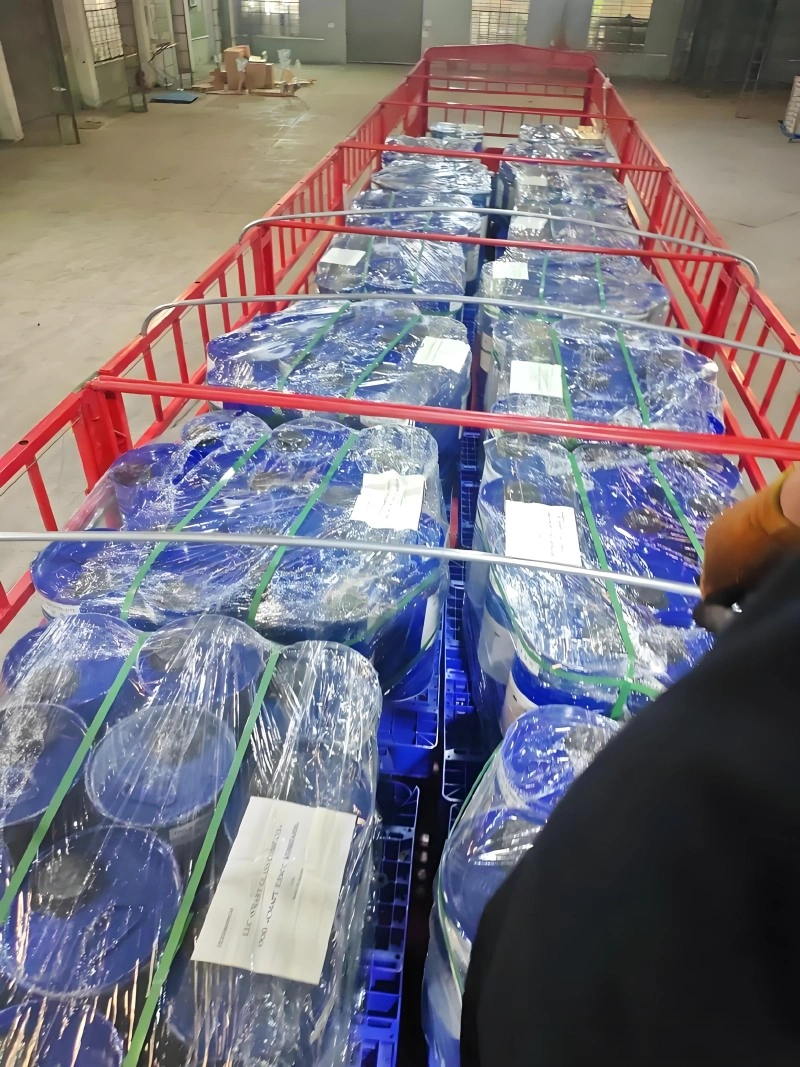
How Seasonal Weather Affects Hazardous Cargo Transport
Seasonal weather can affect hazardous cargo transport through heat exposure, freezing temperatures, rain, humidity, storms, port delays, road conditions, and extended outdoor storage. This guide ...