
Transitions of production to the factory must be carefully managed to ensure a smooth and seamless shift in operations. Manufacturers will be able to shift their processes in phases, schedule their operations in detail, cover their equipment effectively and coordinate their contractors well, so they can do it successfully without losing their production and harming valuable equipment. This entails comprehensive risk evaluation, game planning of moves, and contingency planning to promote business continuity.
The essential key to a successful factory relocation is careful planning, foresight into what will be required for the process to run smoothly, and coordination from experts to ensure minimal downtime. All initial site survey through final equipment installation on site need to be coordinated with your production requirements and safety protocols.
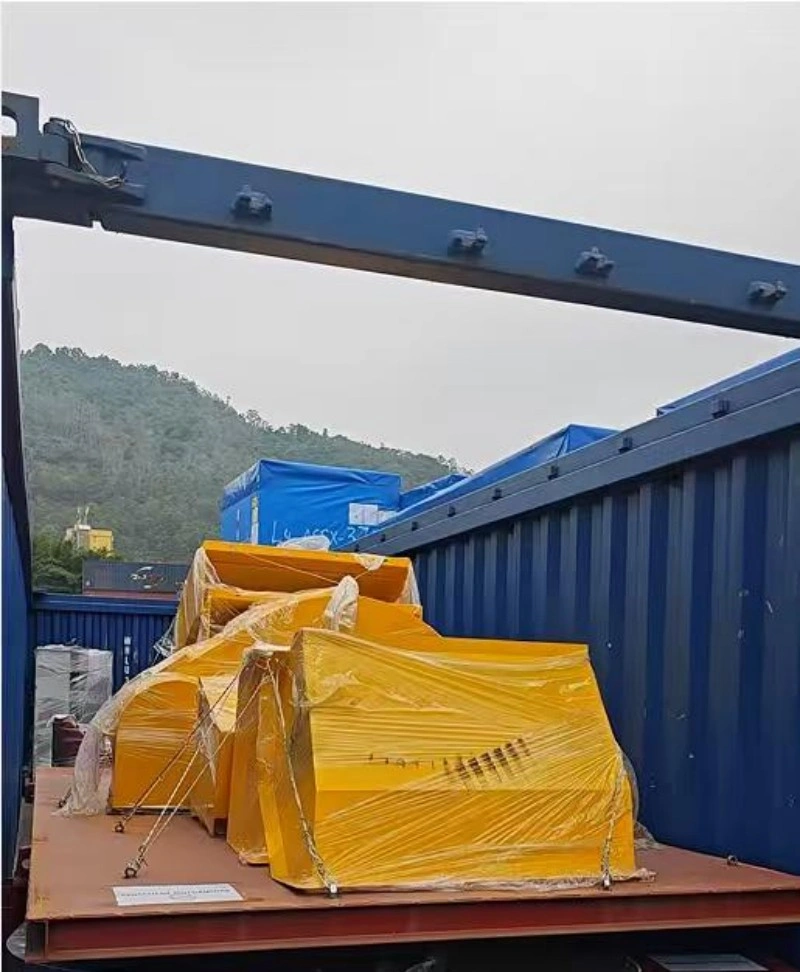
Key Considerations for Planning a Factory Relocation
Prior to any equipment leaving the floor, it is critical that there is a thorough evaluation of the operational realities. The first step when planning a factory move is to determine how moving will fit in with your existing production timeline, sensitivities to equipment and site limitations.
These are some of the factors to consider, such as production schedules to find the off-peak times, the type and sensitivity of the machinery to be used, and where the machinery is currently placed and where it is going to be placed next, to ensure efficient routing, the contractor teams available, regulatory compliance, and inventory management to avoid supply chain breaks.
| Consideration | Why It Matters | Action Tip |
| Production Schedule | Minimizes downtime | Identify off-peak periods or phased shutdowns |
| Equipment Type & Sensitivity | Prevents damage | Classify machinery by fragility and value |
| Facility Layout | Optimizes movement | Map routes for forklifts, cranes, and trailers |
| Contractor Coordination | Ensures smooth execution | Assign responsibilities and communicate timelines |
| Safety & Compliance | Reduces legal/operational risk | Check OSHA, environmental, and local regulations |
| Inventory & Materials | Maintains operational readiness | Plan temporary storage or staggered relocation |
These are the reasons to consider in a business relocation that will help, not hinder, your business.
Step-by-Step Factory Relocation Process
A carefully laid out, step-by-step procedure turns a complicated relocation of a factory into a workable project.
Many companies leverage Factory Relocation Services to ensure their equipment is moved safely while production continues without interruptions.
It starts with a comprehensive project review that sets clear project scope and goals, followed by a site visit to understand logistical limitations. Next, preparation of equipment involves disassembling, labeling equipment and taking protective action specific to the needs of relocating heavy equipment. The professional contractors are then tasked with specific projects and have a window to complete them. The entire process of execution is carefully planned and executed in stages until installation and testing at new location.
| Step | Key Activities | Outcome |
| Project Review | Identify scope, risks, production targets | Clear relocation objectives |
| Site Survey | Assess equipment, site access, constraints | Mitigation plan for obstacles |
| Equipment Prep | Disassemble, protect, label machinery | Reduced damage risk |
| Contractor Coordination | Assign teams, sequence tasks | Efficient workflow |
| Relocation Execution | Transport equipment, monitor progress | Minimal downtime |
| Post-Move Setup | Reinstall, calibrate, test | Production resumes safely |
This step-by-step approach guarantees that everything is on the up and up.
Strategies to Maintain Production During Relocation
The ultimate aim of relocation is to keep the production going, which calls for creative and practical measures. Don’t completely shut down; pursue partial or parallel operation routes instead.
Tactics involve bankrolling temporary production facilities, maintaining operating capacity at old facilities while establishing new facilities, and maintaining buffer stocks of critical materials and products during the transition period.
| Strategy | Application | Benefit |
| Phased Equipment Move | Move one line at a time | Avoid total production halt |
| Temporary Lines | Use temporary setups | Maintain partial output |
| Parallel Operations | Run old and new lines | Smooth transition |
| Inventory Buffers | Pre-stock key materials | Prevent supply gaps |
Sequencing the changeover according to production priorities may, in many cases, enable the downtime to be reduced to hours/days, rather than weeks, per line.
Equipment Protection and Safety Measures
For heavy machinery and sensitive equipment, special handling is necessary to ensure they can endure the rigors of transport, particularly in factory relocation projects with oversized equipment and machinery. Appropriate protection will avoid expensive repairs and rapid resumption of operations.
The use of anti-vibration materials and packaging for sensitive equipment, moisture and dust barriers (particularly for electronic equipment), secure lashing methods with specialised straps and hardware, and custom wooden crating or protective enclosures for oversized goods are all best practices. Early coverage of comprehensive coverage for high-dollar assets should also be obtained.
| Protection Method | Recommended For | Notes |
| Anti-vibration Packaging | Sensitive machines | Reduces shock during transport |
| Moisture/Dust Sealing | All industrial equipment | Protects electronics & metals |
| Secure Lashing & Crating | Heavy machinery | Prevents shifting during transport |
| Insurance Coverage | High-value equipment | Mitigates financial risk |
Together with site inspections and 3D load simulations, this ensures that equipment is delivered in tip-top condition.
Risk Mitigation and Contingency Planning
Even the best-laid plans come with their own challenges when it comes to relocating a factory. The need to mitigate risks and identify contingencies ahead of production is vital to minimize the impacts on production and cost.
These risks can include equipment damage resulting in repairs and delays, schedule slips due to coordination problems, communication problems between teams, or external factors such as inclement weather or transportation issues.
| Risk | Potential Impact | Mitigation |
| Equipment Damage | Production halt, repair costs | Protective packing, certified handlers |
| Schedule Delays | Downtime, lost revenue | Buffer scheduling, contingency plans |
| Contractor Miscommunication | Workflow disruptions | Clear responsibilities, regular updates |
| Transport Disruption | Delays or accidents | Route planning, backup carriers |
Create comprehensive contingency plans, such as alternate routes, backup equipment rentals, additional buffers in schedules and escalation procedures. Progress meetings regularly and tracking in real time eliminate the uncertainties.
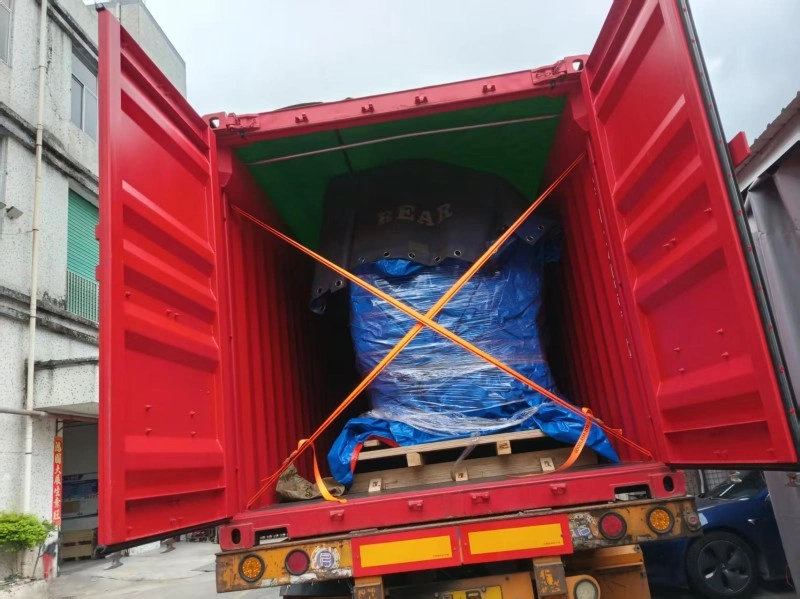
Post-Move Activities to Resume Production Quickly
Once the equipment is transported to the new site, the work is not done. Effective activities after the move speed up the resumption of full capacity.
Pay attention to professional reinstallation and precision alignment of machinery, comprehensive testing and calibration of production lines, in-depth training of staff on the new arrangement and procedures of the new facility, and systematic quality inspection before stepping up to full production.
| Activity | Responsible Party | Goal |
| Equipment Calibration | Maintenance team | Ensure operational accuracy |
| Testing Production Lines | Engineers | Confirm functionality |
| Staff Orientation | HR & Operations | Safe and efficient workflow |
| Quality Verification | QA team | Identify defects before full production |
The steps are done systematically and frequently with the same experienced teams, which guarantees speedy, reliable start-up and efficient operation.
Finally, it is possible to move a factory without causing a disruption to the production process with the proper approach and partners. Incorporating phased execution, comprehensive protection for heavy machinery, and comprehensive risk management, manufacturers can ensure a seamless transition, fostering growth instead of stunting it. Plan carefully from the start, be meticulous, and always keep it going to make your relocation a strategic asset.