
Moving industrial equipment safely starts with thorough planning rather than simply arranging a crane or trailer. A successful relocation combines detailed site assessment, machinery preparation, precise lifting and rigging, protective packaging, secure loading, coordinated transport, and careful reinstallation. Heavy machinery should never be moved based solely on weight and dimensions—center of gravity, lifting points, foundation conditions, equipment sensitivity, and installation requirements all play critical roles.
The safest projects treat industrial equipment relocation as a coordinated engineering logistics operation, not a standard trucking job. Many companies underestimate the risks, assuming that once transport is booked the job is done. In reality, overlooking key details often leads to hidden damage, extended downtime, or safety incidents. When done correctly, a structured approach protects valuable assets and gets production back online faster.
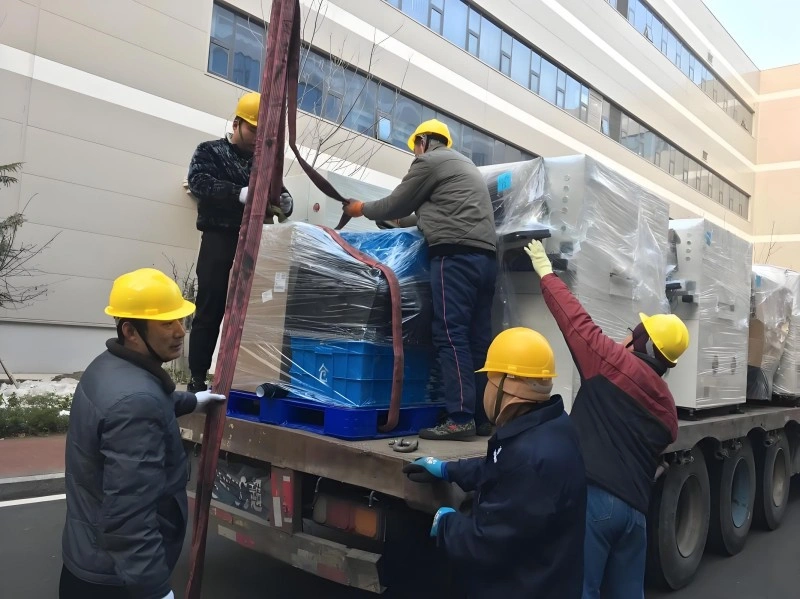
Why Moving Industrial Equipment Requires Careful Planning
Industrial equipment is typically high-value, heavy, precision-engineered, and difficult to replace quickly. Even minor errors during movement can cause alignment problems, internal stress fractures, or control system failures that only appear after reinstallation.
Proper planning addresses multiple interconnected factors that ordinary transportation rarely considers. Here is a practical overview:
| Planning Factor | Why It Matters | Possible Risk If Ignored |
| Equipment Weight | Determines lifting tools, trailer type, and route feasibility | Overloaded lifting equipment or unsafe handling |
| Center of Gravity | Affects balance during lifting and transport | Tilting, swinging, or tipping risk |
| Lifting Points | Helps select safe rigging methods | Structural damage or unstable lifting |
| Site Access | Confirms whether equipment can leave and enter safely | Delays, obstruction, or dismantling issues |
| Floor Load Capacity | Ensures floors can support equipment and handling tools | Floor damage or safety hazards |
| Utility Disconnection | Prevents electrical, hydraulic, or pneumatic risks | Equipment damage or worker injury |
| Production Schedule | Helps reduce downtime | Extended shutdown or missed delivery targets |
Understanding these elements early prevents costly surprises and keeps the entire project on track.
Step 1: Conduct a Detailed Equipment and Site Survey
The site survey forms the foundation of any safe industrial equipment relocation. Without accurate data, even experienced teams can encounter unexpected obstacles that delay the project or compromise safety.
Begin by documenting every relevant detail at both origin and destination sites:
| Survey Item | What to Check | Why It Matters |
| Equipment Dimensions | Length, width, height, and irregular shapes | Confirms handling route and transport method |
| Equipment Weight | Actual or estimated gross weight | Determines crane, forklift, trailer, and rigging needs |
| Lifting Points | Approved lifting lugs, frames, or base points | Reduces risk during hoisting |
| Internal Route | Doorways, aisles, floor strength, turning space | Prevents access problems during removal |
| External Route | Loading area, road access, turning radius | Ensures safe loading and departure |
| Equipment Condition | Existing wear, cracks, leakage, or alignment issues | Avoids disputes and supports insurance documentation |
Take comprehensive photos and measurements. This documentation proves invaluable for insurance, planning, and post-move comparison.
Step 2: Build a Safe Industrial Equipment Moving Plan
Once the survey is complete, compile a written relocation plan that aligns all stakeholders. For complex machinery moves involving multiple production areas, tight schedules, and heavy equipment, companies often rely on professional factory relocation solutions to coordinate planning, lifting, securing, transport, and post-move support.
A solid plan typically includes:
| Plan Component | What It Should Include | Practical Benefit |
| Equipment List | Name, quantity, size, weight, value, sensitivity | Helps prioritize handling methods |
| Moving Sequence | Which equipment moves first, next, and last | Reduces workflow disruption |
| Shutdown Plan | Planned downtime windows and restart targets | Helps maintain production continuity |
| Lifting Plan | Crane, forklift, gantry, rigging, lifting points | Improves lifting safety |
| Transport Plan | Trailer type, route, permits, weather concerns | Reduces delay and compliance risk |
| Protection Plan | Packaging, rust prevention, shock control, sealing | Prevents damage during movement |
| Responsibility Matrix | Factory team, rigging team, logistics provider, installers | Avoids communication gaps |
This document becomes the single source of truth for the entire project team.
Step 3: Prepare Equipment Before Moving
Proper preparation significantly reduces the chance of damage once equipment leaves its foundation. Rushing this stage is one of the most common causes of post-relocation issues.
Key preparation tasks include:
| Preparation Task | Recommended Action | Risk Reduced |
| Disconnect Utilities | Safely isolate power, gas, water, air, and hydraulic lines | Electrical or leakage hazards |
| Label Components | Mark cables, hoses, fixtures, and detachable parts | Reinstallation confusion |
| Secure Moving Parts | Lock slides, arms, doors, spindles, or moving frames | Internal damage during transport |
| Protect Controls | Cover panels, screens, sensors, and electrical cabinets | Moisture, dust, and impact damage |
| Remove Accessories | Pack tools, fixtures, guards, and attachments separately | Loss or breakage |
| Record Condition | Take photos and inspection notes before moving | Supports quality and insurance records |
These steps ensure the machinery arrives ready for efficient reinstallation.
Step 4: Select the Right Lifting and Handling Method
Choosing the appropriate lifting method depends on equipment structure, weight, balance, site constraints, and available space. Center-of-gravity analysis is essential for every lift.
| Handling Method | Suitable For | Key Safety Concern |
| Forklift | Smaller machines or palletized industrial equipment | Fork length, weight capacity, balance |
| Mobile Crane | Heavy machinery or vertical lifting operations | Lifting radius, ground stability, rigging angle |
| Gantry System | Indoor lifting where crane access is limited | Load distribution and height clearance |
| Machinery Skates | Short-distance movement inside factories | Floor condition and slope control |
| Hydraulic Jacking | Raising heavy equipment for positioning | Stability and synchronized lifting |
| Lowbed Trailer Loading | Tall or heavy equipment | Ramp angle, securing points, road clearance |
Experienced rigging teams evaluate multiple options and often combine methods for optimal safety and efficiency.
Step 5: Protect Equipment Against Shock, Moisture, Dust, and Corrosion
Industrial machinery faces threats beyond physical impact. Vibration, humidity, salt air, and dust can cause serious damage during transit.
Effective protection methods include:
| Protection Method | Best Used For | Purpose |
| Anti-Vibration Padding | Precision machinery and sensitive components | Reduces shock and vibration damage |
| Wooden Crating | High-value equipment or detachable parts | Provides impact and stacking protection |
| Moisture Barrier | Export shipments or long-distance moves | Reduces humidity exposure |
| Vacuum Sealing | Rust-sensitive metal equipment | Helps prevent moisture and corrosion |
| Desiccants | Crated or sealed machinery | Controls internal humidity |
| Edge Protection | Painted, machined, or exposed surfaces | Prevents scratches and impact marks |
| Control Panel Wrapping | Electrical cabinets and displays | Protects against dust, moisture, and impact |
For OOG and overseas shipments, these measures become even more critical.
Step 6: Load and Secure Industrial Equipment Correctly
Most transportation damage occurs from shifting or vibration after loading. Proper securing prevents movement in all directions.
| Securing Method | Function | Common Mistake to Avoid |
| Lashing | Holds equipment in position | Using weak or incorrectly angled restraints |
| Blocking | Prevents movement at the base | Leaving gaps around equipment base |
| Bracing | Adds structural support | Using insufficient bracing for heavy cargo |
| Anti-Skid Mats | Increases friction | Relying only on friction without lashing |
| Edge Protection | Protects straps and equipment surfaces | Allowing straps to cut into sharp edges |
| Load Recheck | Confirms tension and stability | Not inspecting after initial movement |
Double-check all restraints before departure and again after the first few kilometers.
Step 7: Plan the Transport Route and Compliance Requirements
Route planning and regulatory compliance are non-negotiable for heavy or oversized loads.
| Requirement | Why It Matters | Example Consideration |
| Road Permit | Required for oversized or overweight equipment | Local transport authority approval |
| Route Survey | Confirms safe road passage | Bridges, tunnels, turning radius |
| Port Rules | Affects cargo acceptance and handling | Lifting gear, loading window, cargo declaration |
| Customs Documents | Required for international relocation | Packing list, invoice, equipment description |
| Weather Review | Reduces delay and damage risk | Rain, wind, typhoon season, snow |
| Escort Planning | Supports road safety for large cargo | Pilot car or police escort if required |
Early coordination with authorities avoids last-minute delays.
Step 8: Unload, Position, Reinstall, and Inspect Equipment
A successful move ends only after equipment is fully operational again.
| Post-Move Step | What to Check | Why It Matters |
| Site Readiness | Floor strength, space, access, utilities | Prevents installation delays |
| Equipment Positioning | Alignment, leveling, clearances | Supports stable operation |
| Reconnection | Electrical, hydraulic, pneumatic, water, air | Restores safe functionality |
| Calibration | Precision settings and machine accuracy | Ensures production quality |
| Trial Run | Noise, vibration, temperature, output | Detects hidden relocation issues |
| Final Inspection | Photos, test records, acceptance notes | Confirms move completion |
Thorough testing catches problems before full production resumes.
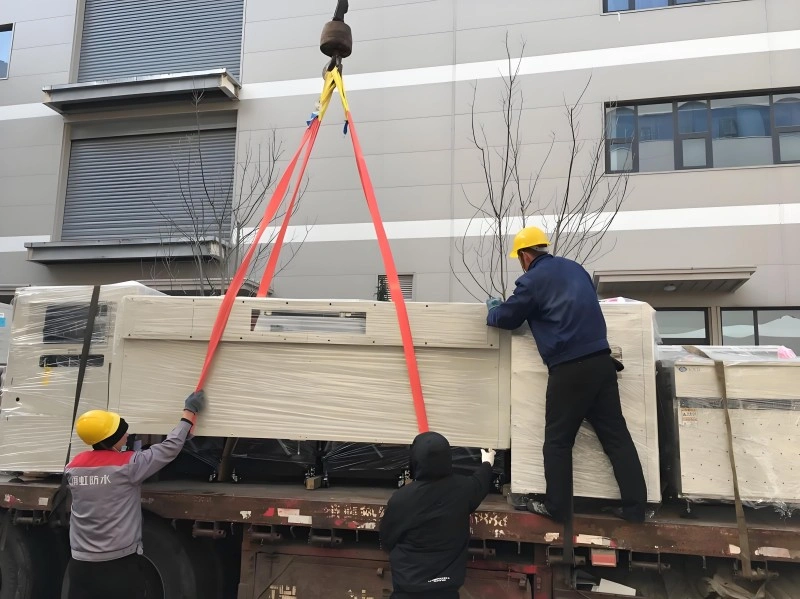
Common Mistakes to Avoid When Moving Industrial Equipment
Even experienced teams can fall into these traps:
| Mistake | Why It Happens | Better Practice |
| No Site Survey | Team assumes equipment is easy to access | Inspect both origin and destination sites |
| Poor Labeling | Parts removed quickly without records | Label and photograph all detachable components |
| Wrong Lifting Method | Focus only on weight, not structure | Review lifting points and center of gravity |
| Weak Packaging | Short-distance move is underestimated | Protect sensitive parts even for domestic moves |
| Route Not Checked | Transport treated like standard freight | Confirm permits, clearances, and restrictions |
| No Post-Move Testing | Equipment appears visually undamaged | Run inspection, calibration, and trial operation |
Learning from these common pitfalls helps ensure smoother future projects.
Conclusion — Safe Industrial Equipment Moving Starts Before the First Lift
A safe industrial equipment move is planned long before the machinery is lifted. By evaluating the equipment, preparing the site, selecting the right handling method, protecting sensitive components, securing the load correctly, meeting compliance requirements, and inspecting after delivery, factories can significantly reduce relocation risk and return to production with greater confidence.
Taking the time to follow a structured machinery moving process protects both your assets and your production schedule. Whether you are relocating a single CNC machine or an entire production line, careful planning and execution make all the difference.