
Choosing a hazardous cargo logistics partner matters because dangerous goods require coordinated control across classification, packaging, labeling, documentation, carrier acceptance, loading, route planning, storage, and emergency response. Unlike standard freight, hazardous cargo introduces real risks—leakage, fire, contamination, worker exposure, carrier rejection, port delays, or complicated incident handling—that demand more than basic booking and transport arrangements. A specialist logistics partner helps shippers align technical cargo details with practical execution, turning potential problems into manageable, compliant movements.
For hazardous cargo, logistics partner selection is a risk-management decision, not just a freight purchasing decision. Many shippers assume any freight forwarder can handle the job if the documents are ready, but in reality safe movement often hinges on hands-on experience with cargo classification, packaging visibility, carrier acceptance, loading supervision, storage restrictions, route planning, and incident communication. Getting this right early prevents avoidable mistakes that can escalate quickly once the cargo is in transit.
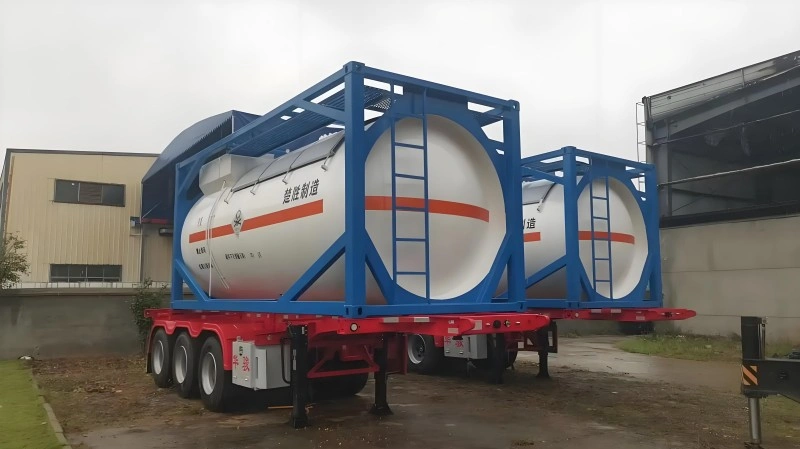
Why Hazardous Cargo Needs Specialist Logistics Support
Hazardous cargo demands far more coordination than ordinary freight because every shipment carries layered safety, compliance, handling, and emergency risks that general providers are rarely equipped to manage end-to-end.
For shippers moving chemicals, batteries, flammable liquids, corrosive materials, or other regulated goods, choosing experts in hazardous cargo handling helps reduce avoidable mistakes in packaging review, documentation, carrier coordination, loading, and emergency planning.
| Hazardous Cargo Requirement | Why Specialist Support Matters |
| Cargo Classification | Helps confirm transport requirements are reviewed early |
| Packaging Review | Reduces leakage, damage, and rejection risks |
| Labeling and Marking | Supports safer handling and faster identification |
| Documentation Coordination | Helps prevent carrier, customs, or terminal delays |
| Carrier Acceptance | Confirms the cargo can move on the selected route |
| Loading Supervision | Reduces handling, securing, and packaging mistakes |
| Route Planning | Manages restrictions, delays, and exposure risks |
| Emergency Preparedness | Improves response readiness if something goes wrong |
What Can Go Wrong with an Inexperienced Logistics Provider?
The consequences of poor hazardous cargo coordination often far exceed typical freight issues, turning small oversights into costly delays, safety incidents, or regulatory problems.
When a provider lacks specific dangerous goods experience, seemingly minor gaps can cascade into major disruptions that affect timelines, costs, insurance claims, and even reputation.
| Provider Gap | Possible Consequence |
| Weak DG Documentation Review | Cargo rejection, customs delay, or terminal hold |
| No Packaging Readiness Check | Leakage, spill, or cargo damage risk |
| Limited Carrier Network | Fewer acceptable routes or last-minute rebooking |
| Poor Loading Supervision | Cargo shifting, package damage, or hidden labels |
| Ignoring Segregation Rules | Incompatible cargo risk |
| No Route Risk Review | Road restriction, port delay, or unsafe exposure |
| Weak Emergency Communication | Slower response during incidents |
| Price-Only Planning | Higher risk of rework, delay, or claim dispute |
Key Capability 1: Hazardous Cargo Review Before Booking
A specialist hazardous cargo logistics partner should start every potential shipment with a thorough pre-booking review rather than simply accepting the order and quoting a rate.
This early dialogue catches mismatches between the cargo’s actual properties and the planned transport, giving shippers time to adjust packaging, documentation, or routing before any commitment is made.
| Information to Review | Why It Matters Before Booking |
| Cargo Description | Identifies what is actually being shipped |
| UN Number | Supports hazardous cargo identification |
| Proper Shipping Name | Prevents informal or unclear cargo descriptions |
| Hazard Class | Guides packaging, labeling, storage, and transport rules |
| Packing Group | Indicates danger level where applicable |
| SDS/MSDS | Provides handling, storage, and emergency guidance |
| Packaging Type | Helps assess transport readiness |
| Quantity and Weight | Affects transport planning and carrier acceptance |
| Temperature Limits | Helps determine monitoring or controlled transport needs |
Key Capability 2: Packaging, Labeling, and Securing Guidance
A specialist logistics partner should understand how packaging condition, labels, and cargo securing directly affect hazardous cargo safety during every stage of the journey.
They don’t just accept the shipper’s packaging—they review it for real-world transport stresses and offer practical advice that prevents leaks, shifts, or label failures once the cargo leaves the factory gate.
| Handling Area | What a Specialist Partner Should Help Check |
| Packaging Integrity | Dents, cracks, corrosion, leakage, weak pallets, damaged crates |
| Closure Control | Caps, valves, gaskets, bungs, seals, and headspace where needed |
| Labeling | Hazard labels, UN numbers, orientation arrows, placards |
| Overpack Visibility | Ensures inner hazardous cargo information is not hidden |
| Secondary Containment | Helps reduce spill impact for liquids |
| Cargo Securing | Lashing, blocking, bracing, anti-slip materials, edge protection |
| Weather Protection | Moisture, corrosion, heat, and outdoor exposure controls |
Key Capability 3: Documentation and Compliance Coordination
Hazardous cargo documents must match the actual cargo exactly, and a specialist partner reviews everything before the shipment is released to the carrier.
This coordination prevents the classic scenario where cargo arrives at the terminal only to be held because one number or declaration doesn’t line up.
| Document / Compliance Item | Specialist Coordination Value |
| SDS/MSDS | Helps confirm hazard and handling information |
| DG Declaration | Supports carrier and regulatory transport review |
| Commercial Invoice | Supports customs and trade declaration |
| Packing List | Confirms package count, weight, dimensions, and cargo breakdown |
| Transport Document | Records carrier movement and cargo details |
| Permits / Approvals | Helps avoid route or port rejection where required |
| Emergency Contact | Supports faster response during incidents |
| Document Cutoff Timing | Reduces missed sailing or transport schedule risk |
Key Capability 4: Carrier, Port, and Route Management
A specialist partner knows how to coordinate with carriers, terminals, and route stakeholders long before the cargo moves, ensuring acceptance and smooth passage at every handover point.
They anticipate restrictions that general forwarders often discover too late, such as port limits on certain hazard classes or seasonal weather impacts on specific routes.
| Route / Carrier Factor | Why It Matters |
| Carrier Acceptance | Confirms shipment can move on selected service |
| Port / Terminal Rules | Reduces risk of rejection or storage issue |
| Inland Route Restrictions | Helps avoid prohibited roads or unsafe routes |
| Transshipment Points | Adds handling and delay exposure |
| Customs Timing | Reduces unnecessary dwell time |
| Weather Exposure | Helps manage heat, rain, storm, or freezing risks |
| Backup Planning | Supports response if route disruption occurs |
Key Capability 5: On-Site Loading Supervision
Many hazardous cargo problems surface during loading, which is why specialist partners treat on-site supervision as a standard risk-control step rather than an optional extra.
They verify packaging condition, orientation, weight distribution, securing, label visibility, and segregation in real time, creating a documented record that protects everyone involved.
| Loading Supervision Item | What Should Be Confirmed |
| Packaging Condition | No leakage, cracks, corrosion, deformation, or weak pallets |
| Cargo Orientation | Liquids, cylinders, or sensitive cargo positioned correctly |
| Load Distribution | Weight placed safely and logically |
| Securing Method | Lashing, blocking, bracing, and anti-slip controls applied |
| Label Visibility | Hazard labels and UN numbers remain readable |
| Segregation | Incompatible cargo separated where required |
| Weather Protection | Covers or moisture control applied where needed |
| Final Inspection | Cargo stable and documents ready before dispatch |
Key Capability 6: Emergency Preparedness and Communication
A specialist logistics partner ensures that response information and communication channels are clear and tested before transport even begins.
They help establish an emergency contact chain, confirm SDS/MSDS accessibility, and define escalation procedures so that any incident can be managed quickly and correctly by all parties.
| Emergency Preparation Area | Why It Matters |
| Emergency Contacts | Speeds up communication during incidents |
| SDS/MSDS Access | Provides response guidance for spill, exposure, or fire |
| Carrier Escalation | Defines who to contact when abnormal events occur |
| Incident Reporting | Creates a record for review, claims, and corrective action |
| Tracking Alerts | Supports faster response to delay, route change, or condition issue |
| Temperature Response | Helps manage sensitive hazardous cargo |
| Consignee Coordination | Ensures receiving team is prepared for safe unloading |
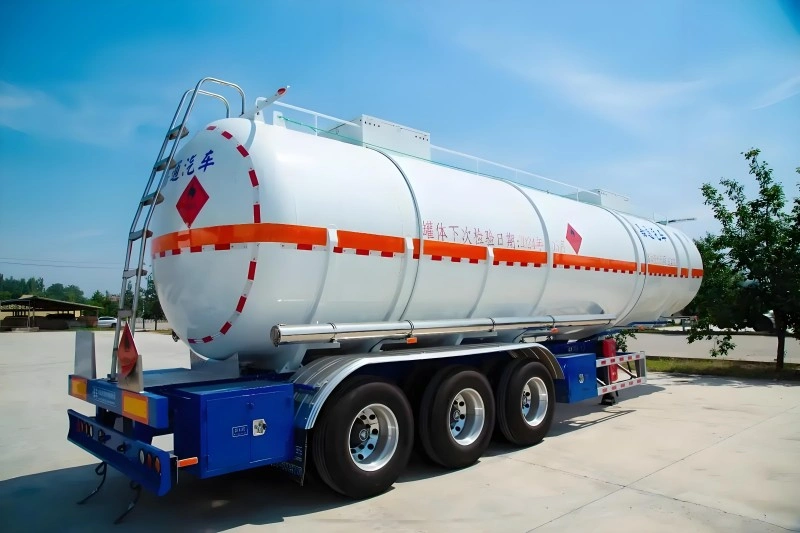
How to Evaluate a Hazardous Cargo Logistics Partner
Shippers should evaluate experience, systems, communication, and operational control rather than choosing only the lowest quote.
Practical questions reveal whether a provider truly understands hazardous cargo realities or simply offers standard freight services.
| Evaluation Question | What a Strong Answer Should Show |
| Have you handled similar hazardous cargo before? | Practical experience with similar hazard types and routes |
| What documents do you review before booking? | SDS/MSDS, DG declaration, packing list, cargo details |
| How do you check carrier acceptance? | Clear coordination with approved carriers and terminals |
| Can you advise on packaging and securing readiness? | Awareness of cargo condition, labels, lashing, and containment |
| Do you provide loading supervision if needed? | Ability to support site-level execution |
| How do you manage route or port restrictions? | Route planning and contingency thinking |
| How do you handle emergency communication? | Clear escalation and contact procedures |
| What records can be provided? | Loading photos, tracking records, inspection notes where applicable |
Specialist vs General Freight Provider: Key Differences
General freight providers may be perfectly suitable for standard cargo, yet hazardous cargo requires additional expertise and coordination that goes well beyond basic booking.
The difference becomes obvious when you compare how each type of provider approaches the same shipment.
| Area | General Freight Provider | Specialist Hazardous Cargo Partner |
| Cargo Review | Basic shipment details | Hazard classification, SDS/MSDS, packaging, and route risks |
| Documentation | Standard shipping documents | DG documents, labels, permits, carrier requirements |
| Packaging Awareness | General cargo protection | Chemical compatibility, leakage, containment, label visibility |
| Loading Support | Standard loading coordination | Securing, segregation, supervision, and risk checks |
| Route Planning | Cost and transit time focused | Safety, restrictions, exposure, and carrier acceptance focused |
| Emergency Planning | Limited incident coordination | Response information, contacts, escalation, monitoring support |
| Risk Mindset | Move the cargo efficiently | Move the cargo safely, compliantly, and reliably |
Common Mistakes When Choosing a Hazardous Cargo Logistics Partner
Many selection mistakes occur when shippers focus on short-term price instead of total risk exposure.
These errors are easy to avoid once you know what to watch for.
| Selection Mistake | Possible Consequence |
| Price-Only Selection | Higher risk of delay, rework, or unsafe handling |
| No Experience Check | Provider may miss cargo-specific risks |
| Late SDS/MSDS Submission | Booking delay or carrier rejection |
| No Carrier Acceptance Confirmation | Cargo may be refused at terminal or pickup |
| No Loading Support | Packaging or securing mistakes may go unnoticed |
| Ignoring Route Restrictions | Road, port, or customs delay |
| Weak Emergency Communication | Slow response during abnormal events |
| No Contingency Plan | Disruption becomes harder to manage |
Pre-Shipment Questions to Ask Before Choosing a Partner
Practical questions help shippers separate real hazardous cargo capability from generic freight claims.
A confident specialist will answer these directly and often volunteer supporting examples from recent projects.
| Question to Ask | Confirmed |
| Can you review SDS/MSDS before booking? | Yes / No |
| Have you handled this hazard class before? | Yes / No |
| Can you confirm carrier and terminal acceptance? | Yes / No |
| Do you advise on packaging, labels, and placards? | Yes / No |
| Can you support loading supervision if needed? | Yes / No |
| Can you coordinate flat rack or open top hazardous cargo if required? | Yes / No |
| Do you check route restrictions and weather exposure? | Yes / No |
| Can you support tracking or monitoring if needed? | Yes / No |
| Do you provide emergency contact and escalation procedures? | Yes / No |
| Can you help document loading condition with photos or inspection records? | Yes / No |
How a Specialist Partner Supports Long-Term Risk Reduction
The real value of a specialist logistics partner extends beyond solving a single shipment—it lies in steadily improving repeat hazardous cargo processes over time.
Each well-managed project builds institutional knowledge that reduces future preparation time, documentation errors, and preventable delays.
| Long-Term Improvement | Practical Value |
| Standardized Cargo Review | Reduces repeated information gaps |
| Documentation Discipline | Helps prevent recurring delays |
| Packaging Readiness Checks | Reduces leakage and rejection risk |
| Loading Procedure Improvement | Improves cargo stability and safety |
| Route Knowledge | Supports better planning for repeated lanes |
| Incident Learning | Helps improve future prevention |
| Better Communication | Reduces confusion between shipper, carrier, and consignee |
Conclusion — Hazardous Cargo Partner Selection Is Risk Management
Choosing a logistics partner for hazardous cargo is ultimately a safety and risk-control decision. A specialist partner helps connect technical cargo information with real transport execution, so packaging, documentation, carrier acceptance, loading, routing, and emergency planning work together before the shipment moves. Supplier selection should never rest solely on price. Instead, focus on proven experience, thorough pre-booking reviews, practical loading support, and clear emergency procedures. When shippers ask the right questions and evaluate providers on these capabilities, they reduce preventable mistakes and move their hazardous cargo more safely and reliably—shipment after shipment.