
Multi Phase Engineering Logistics Planning is the tried and tested methodology that ensures complex and high-stakes industrial relocations are managed and predictable. This strategy breaks the task of oversized, heavy cargo transport into distinct and sequential steps, with distinct objectives and checkpoints and contingencies at each step. It provides tangible benefits for logistics managers, project engineers, and procurement teams, including improved safety, on-time project delivery, and cost management.
Large-scale engineering logistics projects require multi-phase planning to ensure the safe and efficient movement of oversized, heavy and sensitive loads, while also complying with regulations and reducing downtime, risk, and cost overruns. The formalized approach helps a project manager avoid unexpected events that could cause a multimillion dollar project to fall apart, whether moving a power plant turbine, bringing offshore wind components aboard, or moving an entire factory.
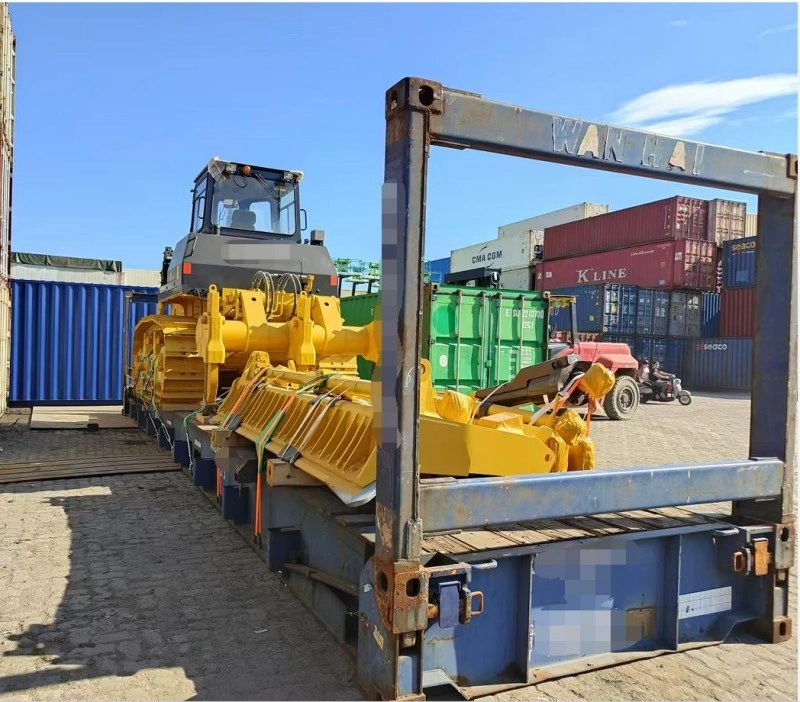
What Is Multi-Phase Planning in Engineering Logistics?
Multi-phase planning is more than just a scheduling tool, it’s the systematic approach of dividing large-scale project cargo planning into sequential stages that include interdependent elements that work together to protect all elements of a project cargo move.
For organizations involved in Engineering Logistics, this methodology integrates detailed feasibility studies, regulatory compliance, equipment optimization, and real-time monitoring to address the complex needs of multi-stage logistics tasks. It covers all aspects of measurement and unloading, from site to site, in a way that does not affect the safety, integrity or time schedule of the project.
| Item | Explanation |
| Definition | Breaking down large logistics projects into coordinated phases |
| Purpose | Minimizes risk, downtime, and cost overruns |
| Typical Scope | Route planning, equipment allocation, risk management, regulatory compliance |
| Best For | Oversized, heavy, sensitive, or multi-modal cargo |
| Key Outcome | Safe, timely, and cost-effective project execution |
The structured approach has proven to be invaluable in real-world, cross-border heavy cargo planning situations where any minor mistake can cause a major delay in the road.
Key Stages in Multi-Phase Engineering Logistics Planning
The true value in multi-phase engineering logistics planning becomes apparent when each phase is carried out precisely and effectively and follows seamlessly from the other.
| Phase | Key Actions | Why It Matters |
| Assessment & Survey | On-site evaluation, measurements, cargo classification | Identifies constraints, equipment needs, and risks |
| Route & Permits Planning | Route design, regulatory permits, customs clearance | Ensures legal compliance and avoids delays |
| Equipment & Loading Strategy | Trailer selection, crane planning, flat rack/open top usage | Maximizes safety and load stability |
| Scheduling & Coordination | Multi-phase timeline, contractor coordination | Reduces project conflicts and downtime |
| Execution & Monitoring | Cargo movement, on-site supervision, real-time tracking | Ensures smooth progress and risk mitigation |
| Delivery & Closeout | Unloading, inspection, documentation | Confirms project completion and accountability |
Special skills are required for each phase. For instance during assessment, accurate 3D dimensions and weight distribution analysis will be used to help identify if open-top containers or more specific ultra-low flatbeds are needed. Bridge clearances, road restrictions and seasonal weather patterns are then factored into the route planning, which are all vital elements of oversized equipment transport planning.
Risk Management in Multi-Phase Projects
No matter how detailed the multi-phase engineering logistics plan may be, there are still variables that cannot be eliminated, making it essential to have proactive risk management that accompanies all phases.
| Risk | Mitigation Strategy |
| Cargo Shifting | Lashing, blocking, bracing, center-of-gravity analysis |
| Equipment Damage | Protective packing, vacuum sealing, specialized trailers |
| Regulatory Non-Compliance | Early permits, customs liaison, documentation checks |
| Weather Impact | Seasonal planning, route adjustments, contingency plans |
| Contractor Coordination Failures | Pre-project briefing, defined responsibilities, communication plan |
Teams can integrate these mitigations as a proactive measure, such as vacuum sealing sensitive equipment, or by testing the equipment full-scale in order to greatly lessen the risk of expensive incidents occurring during the relocation of industrial equipment.
Technology & Tools for Planning
In modern times, engineering logistics planning is carried out using digital tools that have been thought of in theory only. 3D load planning software can simulate all lifts, all securements, before a single trailer rolls, and digital twins are virtual copies of the full route which can be tested for stress under varying conditions. Real-time tracking with GPS and IoT sensors provides real-time load stability, temperature, and vibration data to allow for immediate adjustments.
These technologies are not just about pushing efficiency—they’re providing hard data for improved decision making. In one recent renewable energy project, 3D modeling revealed a 15% space optimization opportunity which resulted in the elimination of an additional voyage, a direct reduction of costs and carbon footprint.
Case Examples / Best Practices
The benefits of multi-phase planning are demonstrated in practice. The blades on a newly built wind farm were 60 metres long, and they spanned two international borders. The move was broken down into six stages, from detailed surveys to the routes to coordinating the crane during the relocation, securing the project three weeks earlier and under budget. The takeaway message: specialized OOG equipment providers were engaged early in the assessment phase to avoid a large number of route changes later.
One more anonymized factory move in the car industry was the switch of 180-ton stamping presses. This type of multi-stage logistics project is a success when each contractor is briefed on the tasks for his or her specific phase, and contingency planning is done in advance. This equated to zero production downtime outside the planned window, an achievement that is not likely to be achieved without a strong multi-phase discipline.
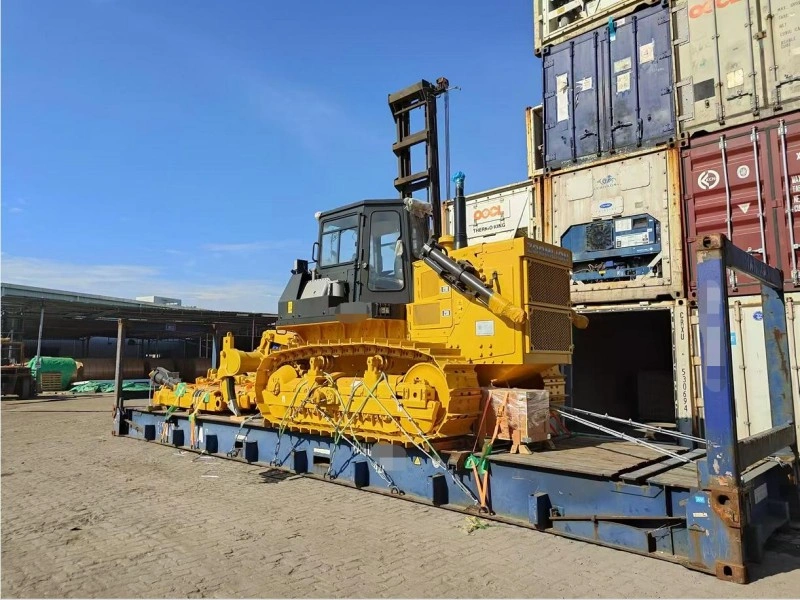
Key Benefits of Multi-Phase Planning
Overall, the benefits of multi-phase engineering logistics planning are clearly seen throughout the entire engineering project.
| Benefit | Practical Outcome |
| Reduced Downtime | Minimizes production delays during equipment relocation |
| Enhanced Safety | Decreases risk of cargo damage or accidents |
| Cost Optimization | Avoids expensive last-minute adjustments |
| Regulatory Compliance | Prevents legal penalties and project stoppages |
| Efficient Resource Use | Proper allocation of trailers, cranes, and personnel |
These are cumulative: safer operations lowers insurance costs; predictable timelines boosts stakeholder confidence and cash-flow management, especially in the planning of project cargo for large-scale projects where margins may be thin.
Conclusion
The ability to plan engineering logistics projects—whether large or small—over multiple phases is not something reserved for the biggest of the heavy hitters; it’s just the common sense that’s the difference between a smooth move and one that’s delayed, damaged and disputed. With a systematic approach to assessment, routing, equipment strategy, execution and closeout, project teams get the insight and control necessary to transport oversized and sensitive cargo when and where it is needed.
The best plans are those, which are based on a solid understanding of the domain and current regulatory requirements. With the proper technology and dedicated partners, the number of large-scale engineering logistics projects becomes much more manageable and much less risky with these best practices. The next time your organization encounters a complex piece of equipment relocation or cross-border heavy cargo planning project, think of how useful it can be to have the right solution from the start, without the hassle or cost of disruption.