
The cold chain is crucial to transporting fresh food, medicines, and other temperature-controlled goods around the globe. But this vital refrigeration is not without environmental consequences. The biggest sources of waste and emissions in cold chain logistics are inefficient refrigeration, unnecessary transportation, inadequate packaging and spoilage. Fortunately, there are ways for businesses to cut down their environmental footprint while maintaining cargo protection.
The key to sustainable cold chain logistics is not to avoid refrigeration, but to minimise waste, energy consumption and carbon emissions while protecting cargo. The most sustainable cold chain practices are those that ensure cargo protection with the minimum energy, packaging and distance travelled.
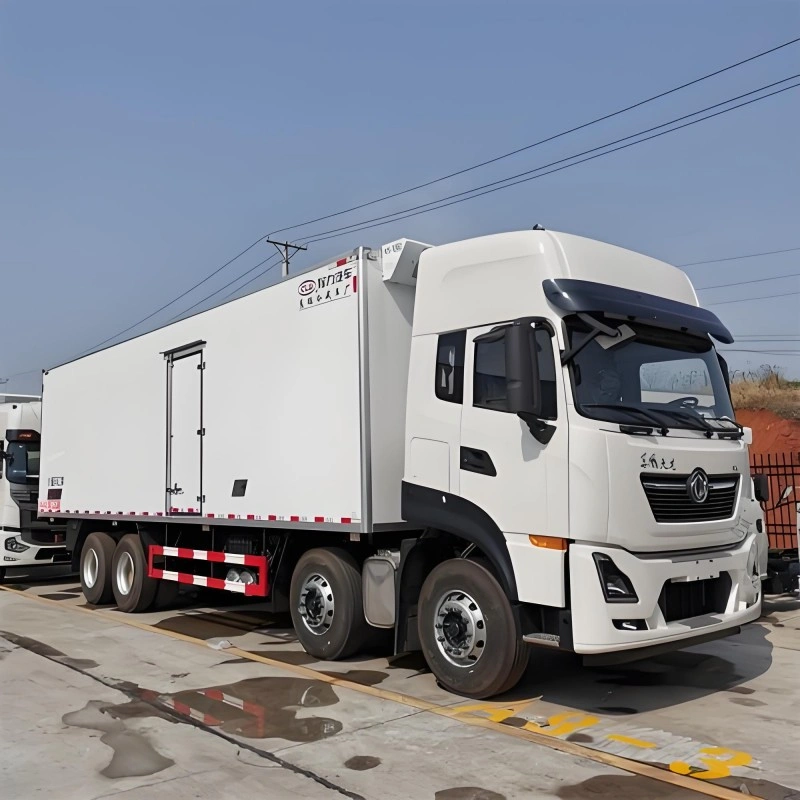
Why Cold Chain Logistics Creates Waste and Carbon Emissions
Cold chain transport is much more energy-intensive than dry freight because the cargo needs to be maintained within narrow temperature bounds along the whole transport route. This means that more energy is required, leading to increased fuel use and carbon emissions.
Refrigerated containers, trailers, storage and packaging all add to the environmental impact. When spoilage occurs due to temperature excursions, the environmental impacts are compounded: not only is the energy required to transport the products wasted, but so is the carbon emissions from producing the spoiled products. Inefficient routes and backhauls also add to the footprint.
| Source of Emissions or Waste | Why It Happens |
| Reefer energy consumption | Continuous refrigeration requires electricity or fuel |
| Long transport routes | More fuel and longer cooling time |
| Product spoilage | Wasted goods increase emissions and cost |
| Excess packaging | Additional insulation and disposable materials |
| Empty return trips | Vehicles travel without cargo |
These reasons demonstrate why cold chain logistics has become a target for firms looking to cut emissions in cold chain transport.
The Biggest Causes of Waste in Cold Chain Logistics
Refrigerated transport waste can be largely avoided. Efficient operations significantly reduce product waste and environmental footprint. Minimising spoilage is a quick and easy way to enhance cold chain sustainability.
Frequent causes of product loss in cold chain systems include improper temperature settings, delays, insufficient or damaged packaging or errors made when loading or unloading product. When these problems are not closely monitored, they can rapidly spiral out of control.
| Cause of Waste | Result |
| Wrong temperature setpoint | Product spoilage |
| Delivery delay | Reduced shelf life |
| Inadequate insulation | Temperature fluctuation |
| Poor cargo handling | Product damage |
| Lack of monitoring | Undetected cargo failure |
By resolving these challenges and offering improved route planning and transport options, companies can make real strides in sustainable cold chain transport.
How Smarter Route Planning Reduces Emissions
Optimising routes is one of the simplest and most accessible ways to reduce emissions in cold chain transportation. Reducing mileage, stops and empty runs all reduce fuel use and refrigeration time.
And multimodal transport options – involving road, rail, and/or sea transport – can also provide significant sustainability benefits over long-haul trucking. GPSs and artificial-intelligence-based route-planning software make it easier than ever to minimise idling and congestion and take the best routes.
| Route Planning Strategy | Sustainability Benefit |
| Shorter route selection | Less fuel and cooling time |
| Shipment consolidation | Fewer trips required |
| Avoiding congestion | Reduced idling and delay |
| Using rail or sea where practical | Lower emissions than trucking |
These innovations help enable the low-emissions cold chain while delivering on time.
How Energy-Efficient Reefer Equipment Makes a Difference
Traditional reefer shipping equipment can overwork to maintain temperature, which leads to wasted energy. By comparison, energy-efficient reefer shipping equipment has environmental and cost benefits.
These innovations include variable-speed compressors that only use the power required to maintain temperature, better insulation to minimise heat loss, and smart monitoring systems to ensure the reefer unit does not get too cold. While equipment replacement costs money, energy efficiency savings often pay for the upgrade within a relatively short time.
| Reefer Improvement | Environmental Benefit |
| Variable-speed compressor | Lower energy consumption |
| Improved insulation | Less power needed to maintain temperature |
| Smart monitoring | Reduces unnecessary cooling |
| Electric reefer units | Lower fuel use and emissions |
Choosing appropriate equipment is one way to enable energy-efficient reefer shipping and sustainable temperature-controlled transport.
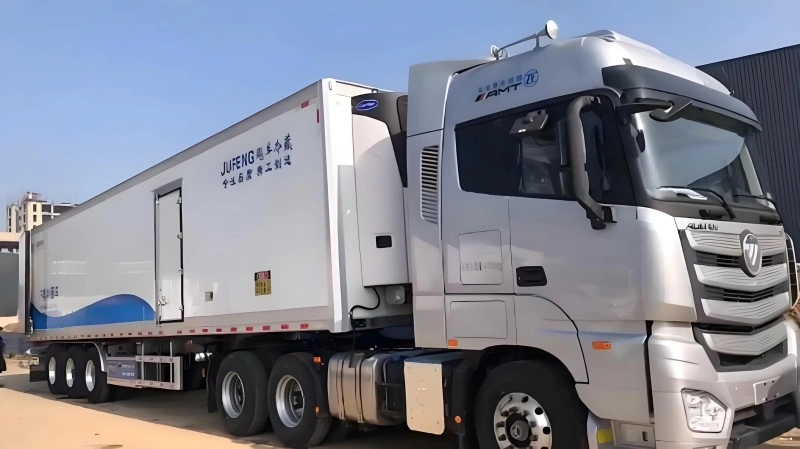
The Role of Packaging in Sustainable Cold Chain Logistics
Packaging has a dual role: it must maintain the integrity of delicate products while ideally using the least amount of material and generating the least waste. Too much insulation or disposable packaging can add weight and impact, but too little protection can result in spoilage.
The key to success is selecting the right packaging for the cargo and duration of the trip. Reusables, recyclables and lightweight packaging all contribute to sustainability when used appropriately.
| Packaging Type | Sustainability Advantage | Limitation |
| Reusable insulated container | Less waste over time | Higher upfront cost |
| Recyclable thermal packaging | Easier disposal | May have lower insulation performance |
| Lightweight packaging | Reduces transport weight | Less durable |
Strike a balance to reduce wasteful refrigerated transport
How Monitoring and Data Help Reduce Waste
Visibility is one of the most effective ways to enhance cold chains. IoT temperature sensors, GPS tracking and energy monitoring systems help operators identify issues before they lead to product loss or high energy consumption.
Information gathered from the journey also highlights recurring problems, such as inefficient routes, incorrect set points or equipment problems. Organisations that track their cold chain experience reduced product spoilage and energy use.
| Monitoring Tool | Sustainability Benefit |
| Real-time temperature sensor | Prevents spoilage |
| GPS tracking | Reduces delays and unnecessary distance |
| Energy monitoring | Identifies inefficient reefer use |
| Data analysis | Helps improve future shipments |
Practical Steps Businesses Can Take Today
Businesses don’t have to wait for technology or large investments to improve the sustainability of their cold chain operations. There are a number of quick fixes:
- Shipment routes need to be re-evaluated with consolidation as much as possible
- Specify exact temperatures rather than the coldest possible
- Train personnel on loading, handling and monitoring techniques
- Replace older reefer units over time as possible
- Reduce excess packaging while ensuring product safety
- Start to benchmark product waste and carbon emissions to see improvement
| Action | Why It Helps |
| Consolidate shipments | Fewer trips and lower emissions |
| Optimize temperature settings | Less energy use |
| Improve staff training | Fewer mistakes and less spoilage |
| Upgrade equipment gradually | Better long-term efficiency |
These measures show that strategies to improve cold chain sustainability are feasible and financially viable.
Conclusion — Sustainability Comes From Efficiency, Not Less Protection
Sustainable cold chain logistics can be profitable and eco-friendly. This does not mean the most sustainable logistics are those that use the least amount of refrigeration, but rather those that use refrigeration as efficiently, strategically and intelligently as possible.
Through efficient transport, efficient equipment, efficient packaging and efficient monitoring, waste and carbon emissions are reduced, leading to a lower carbon footprint and often reduced costs. When it comes to cold chain logistics, sustainability always starts with cargo protection – but doing it as efficiently as possible.