
International cold chain transport projects are not always straightforward transports. They can have long transit times, involve multiple transport modes, require precise temperature control, involve customs clearances, and unexpected delays that can cause damage. Some companies still think that the key to success is simply shipping with a reefer container, but the truth is that it’s all about the project management.
The best international cold chain transport projects anticipate potential issues and react swiftly to unexpected changes.
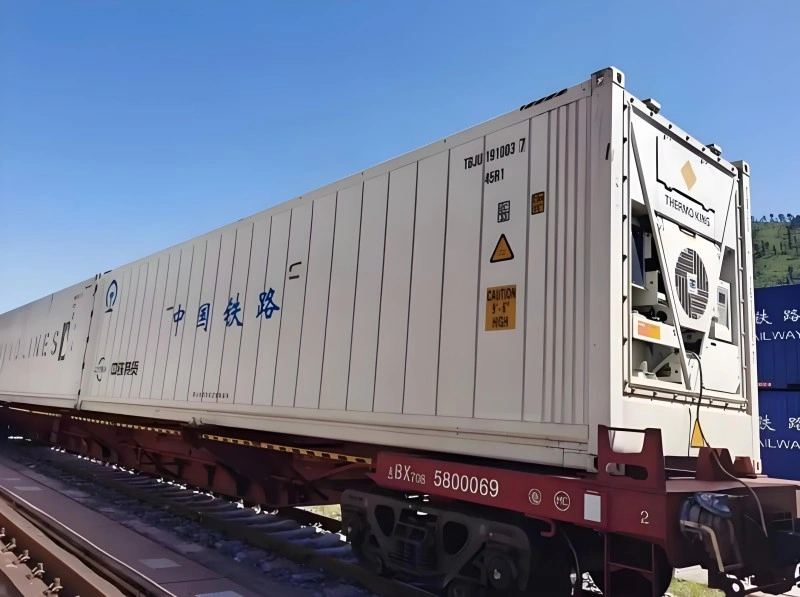
What Makes an International Cold Chain Project Successful?
Well-executed planning and execution are essential to the success of an international cold chain project.
It’s not just about having the right equipment though, there are a number of other important factors that can help ensure temperature-sensitive cargo reaches its destination in the best possible condition. Critical elements include determining the right temperature range, considering the best mode of transport for the route and cargo, adopting appropriate packaging and insulation, real-time monitoring and back-up plans.
Every project will have its own specific focus, depending on what is being transported, how long it will take and which countries are on the route.
| Success Factor | Why It Matters |
| Correct temperature range | Protects cargo quality and regulatory compliance |
| Route planning | Reduces delay risk and transit time |
| Packaging and insulation | Maintains temperature stability during disruptions |
| Monitoring system | Identifies problems early before damage occurs |
| Contingency plan | Reduces potential damage when delays happen |
Case Study 1: Exporting Frozen Seafood from Asia to Europe
Frozen seafood reefer cargoes are among the most difficult cargoes to maintain in transit with very low temperatures and long transits at sea.
Recently, a seafood exporter in Southeast Asia was required to export a significant quantity of frozen shrimp and fish to a European port. The shipment would take over 30 days to arrive and the seafood needed to be kept at a constant -20°C. If there was any temperature variation, the seafood would thaw and deteriorate and would be rejected by European authorities.
The 40ft high-cube reefer container was chosen for its size and insulation. As a precaution, real-time monitoring with direct alerts to the shipper and receiver was arranged. The team also had contingency backup power in case of reefer breakdowns at port. The transport route was selected to avoid congested ports with long transhipment times.
| Project Detail | Solution |
| Cargo | Frozen shrimp and fish |
| Required temperature | -20°C |
| Main risk | Delay at transshipment port |
| Solution | Alternative port option and live monitoring |
| Result | Cargo arrived without temperature excursion |
Case Study 2: International Vaccine Shipment With Strict Temperature Control
Pharmaceutical transport cold chain case study projects must be executed with the utmost care because even a short excursion in temperature can result in the loss of life-saving products.
A company was faced with the challenge of transporting a consignment of vaccines that needed to be maintained at a temperature between 2°C and 8°C. The transport involved air transport for quick transit, customs clearance and then delivery by cold truck. The challenge was the risk of a delay in customs and a compromise of the cold chain.
We used insulated packaging and containers that actively control temperature. Documentation was pre-loaded to facilitate the customs check. The team also made back-up arrangements for cold storage facilities close to the airport at the destination.
This is just one example of how companies can evaluate past international shipments by examining a cold chain transportation case study that emphasises pre-planning.
| Project Detail | Solution |
| Cargo | Vaccines |
| Required temperature | 2°C to 8°C |
| Main risk | Customs inspection delay |
| Solution | Advance documentation and nearby cold storage |
| Result | Shipment maintained full compliance |
Case Study 3: Fresh Produce Shipment Across Multiple Borders
Reefer shipping projects for fresh produce can be very delicate, due to short shelf life and different temperature requirements for different goods.
In this reefer transport project case study, a food importer was shipping a mixed load of fresh fruits and vegetables. Some products needed to be transported at 2°C and others at 6°C. Crossing several borders also increased the likelihood of delays and temperature variations.
A reefer trailer with dynamic route planning capabilities was selected. The load was organised and stacked by temperature requirements to avoid mixing cooling loads. Real-time GPS monitoring and route planning allowed the team to bypass crowded borders and re-plan routes if needed.
| Project Detail | Solution |
| Cargo | Fresh produce |
| Required temperature | 2°C to 6°C |
| Main risk | Border delay and spoilage |
| Solution | Route optimization and cargo separation |
| Result | Shelf life preserved and delivery on time |
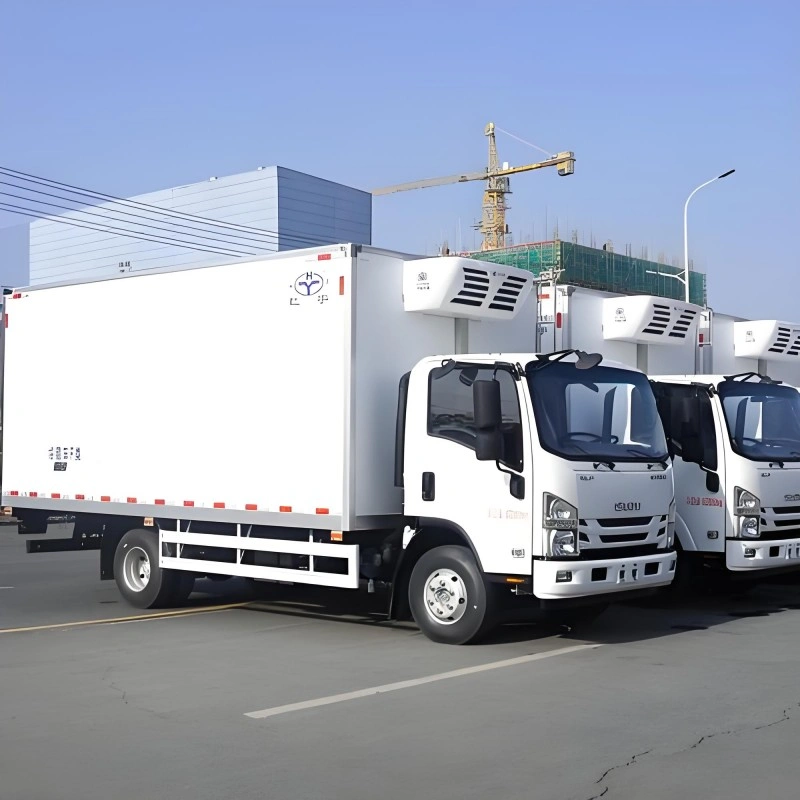
Case Study 4: Chemical Shipment Requiring Controlled Room Temperature
Some temperature-controlled transport projects don’t require freezing or refrigeration. Other chemicals need to be transported at controlled room temperature.
A company transported temperature-sensitive industrial chemicals that required a temperature range of 15°C to 25°C. If the reefer temperature was too low, it would not only be ineffective but also unsafe for the product.
Rather than opting for the coolest possible temperature, the team opted for a reefer with controlled room temperature. The team also used weather forecasts to plan the route around excessively hot areas during the transport time. This method ensured no damage to the chemicals.
| Project Detail | Solution |
| Cargo | Temperature-sensitive chemicals |
| Required temperature | 15°C to 25°C |
| Main risk | Exposure to extreme heat |
| Solution | Controlled room temperature and route planning |
| Result | Product remained stable throughout transport |
Lessons Learned From These Cold Chain Projects
The critical lesson learnt from these global cold chain transport projects is that transport plans are just as important as equipment.
The successful transport of different types of cargo – such as frozen seafood, vaccines, fresh fruit and vegetables, or chemicals – require different temperature control strategies, packaging, and mitigating risk strategies. Online monitoring and contingency planning are key to success.
| Lesson | Practical Meaning |
| One solution does not fit every shipment | Cargo-specific planning is required |
| Monitoring prevents larger problems | Early warning reduces spoilage risk |
| Delays should be expected | Backup plans are necessary |
| Correct temperature is more important than colder temperature | Wrong setpoint can damage cargo |
Common Mistakes Businesses Make When Managing International Cold Chain Projects
There are a few common mistakes that businesses make when managing international reefer logistics examples:
- Thinking a good reefer guarantees a successful outcome
- Using the same temperature and packaging for all products
- Not accounting for customs delays and border checks
- Not having contingency plans for cold storage and routes
- Reviewing and monitoring temperature data only prior to, or after, the trip
To avoid these mistakes, project managers need to move from reactive to proactive management.
Conclusion — Successful Cold Chain Projects Depend on Preparation
International cold chain transport projects ultimately rely on planning, monitoring and being able to respond to changes.
Every product has its own unique plan. Projects that were most successful are not necessarily those with the fewest problems, but those that plan for potential problems early in the project and have procedures in place to protect the shipment.
Logistics experts can learn from the real-life cold chain transport project examples above and ensure that their own cargoes are well prepared, to increase the likelihood of timely arrival in good condition.