
Cold chain shipping typically costs more than conventional freight due to the need for specialized equipment, constant power source, and additional handling requirements to ensure safety of temperature-sensitive products. The biggest cost factors are distance, equipment, specific temperature range requirements and complexity of the shipping. Companies tend to overlook many hidden costs like temperature monitoring, fuel surcharges, port power surcharges, customs clearance, and packaging.
Many assume that the cost of cold chain is based on the freight rate per km or per container. However, the real cost of cold chain shipping is not just the cost of freight, but also the cost of protecting the product during transport and ensuring its temperature is maintained.
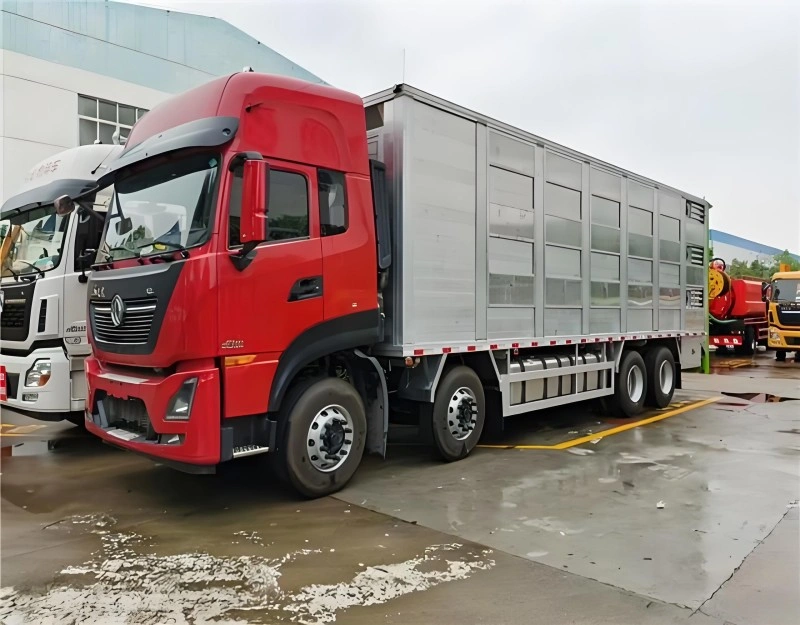
Why Reefer and Cold Chain Shipping Costs More Than Standard Freight
The reason why reefer and cold chain shipping is more expensive than other types of freight is that it requires more resources to ensure the safety of temperature-sensitive goods. Temperature-sensitive cargo needs to be cooled, requires auxiliary power sources, is monitored in real-time, and must be handled carefully throughout the shipping process.
It’s not just the equipment that’s different. Refrigerated units require more power, technical service and have a greater risk of cargo damage in the event of failure. All of this added operational risk and resource use translates into higher costs for refrigerated transport services.
Here’s a clear comparison:
| Cost Factor | Standard Freight | Cold Chain Freight |
| Equipment | Standard container or trailer | Reefer container or refrigerated trailer |
| Energy use | Minimal | Continuous refrigeration required |
| Monitoring | Limited | Real-time monitoring often required |
| Handling | Standard loading and unloading | Specialized handling and inspection |
| Risk level | Lower | Higher due to spoilage risk |
The Biggest Factors That Affect Cold Chain Transportation Costs
The cost of reefer shipments varies. Even if the same product is being shipped over the same route, there are several variables that can affect the final cost. Savvy companies considering the cost of cold chain shipping look at the big picture rather than just the freight rate.
When evaluating different methods of cold chain shipping, it’s important to understand the impact of each variable on the total cost. It ensures that they avoid budgeting mistakes and budget blow-outs.
| Cost Driver | How It Increases Price |
| Shipping distance | Longer transit requires more fuel and refrigeration time |
| Cargo type | Sensitive pharmaceuticals cost more than frozen food |
| Temperature range | Lower temperatures require more power |
| Transport mode | Air freight costs more than reefer sea freight |
| Route complexity | Multiple borders or transfers increase cost |
| Shipment urgency | Faster transport generally costs more |
How Equipment Type Affects Pricing
Type of equipment is a critical component in the reefer shipping cost structure. Reefer containers, refrigerated trailers and air freight reefer units vary in size, design and application and hence price.
In ocean shipping, a 20ft reefer container is preferred for small or heavy cargo, while a 40ft reefer container is preferred for a large cargo volume due to economy of scale. Reefer units with advanced technology will generally be more expensive, but more reliable and less likely to experience temperature excursions. Certain shipments can also be transported in insulated packaging for shorter trips, which minimises upfront costs.
| Equipment Type | Typical Use | Relative Cost Level |
| 20ft reefer container | Smaller or heavier cargo | Moderate |
| 40ft reefer container | Large-volume international shipments | Lower cost per unit |
| Refrigerated trailer | Domestic or regional transport | Moderate |
| Air freight temperature-controlled unit | Urgent pharmaceutical shipments | Very high |
| Passive insulated packaging | Small or short-duration shipments | Lower initial cost |
How Temperature Requirements Influence Cost
Refrigerated transport costs can be significantly influenced by temperature requirements. Lower temperatures (and more precise temperature controls) mean more energy and more monitoring.
Chilled temperature (2°C to 8°C) cargo such as vaccines and dairy products cost more to transport than ambient condition transport but considerably less than frozen seafood, which requires -18°C to -25°C. Deep-frozen cargo below -25°C, sometimes required for certain pharmaceuticals, is even more expensive to transport as the refrigeration units consume more energy and require more power top-ups.
| Temperature Range | Typical Cargo | Relative Cost Impact |
| 15°C to 25°C | Certain pharmaceuticals | Low to moderate |
| 2°C to 8°C | Vaccines, dairy | Moderate |
| -18°C to -25°C | Frozen seafood, ice cream | High |
| Below -25°C | Deep-frozen pharmaceuticals | Very high |
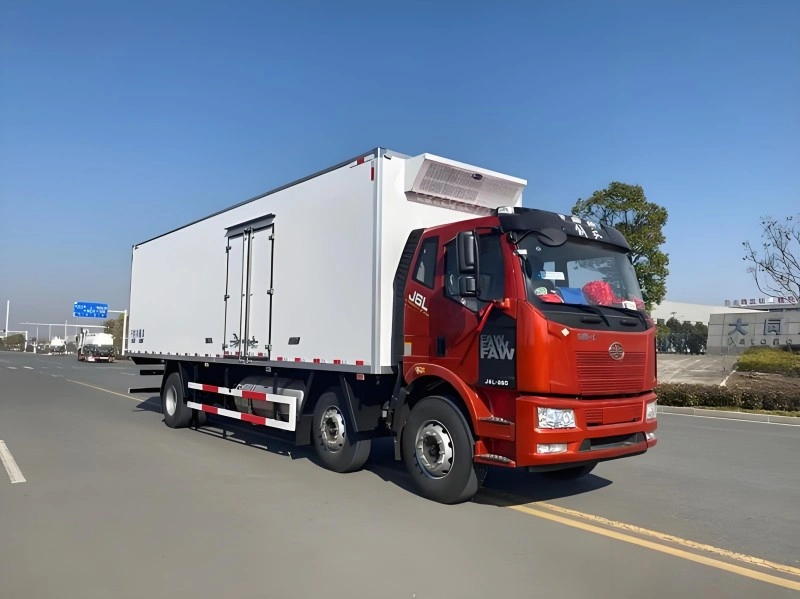
Hidden Costs Many Businesses Forget to Include
Even the most experienced shippers can be surprised at the bottom line because there are many hidden costs in reefer shipping that can be overlooked when agreeing a base rate.
These additional fees can be incurred due to an increased fuel requirement for refrigeration equipment, a continuous power supply while waiting at terminal and an increased energy need if there are delays. Data loggers and IoT monitoring, essential compliance requirements, also contribute to the cost.
| Hidden Cost | Why It Happens |
| Fuel surcharge | Refrigeration equipment uses more energy |
| Port reefer plug-in fee | Containers require power while waiting |
| Customs delay | Longer transit increases refrigeration time |
| Monitoring system | IoT and data loggers increase visibility cost |
| Thermal packaging | Extra insulation is needed for some cargo |
| Insurance | Higher-value or higher-risk cargo costs more to insure |
How Different Industries Experience Different Cold Chain Costs
The type of cargo has a large impact on pharmaceutical cold chain shipping cost and other temperature-controlled shipping. A plan that will work for a food cargo may be unsuitable for valuable pharmaceuticals or chemical cargoes.
The food and beverage industry may prioritise volume and length of refrigeration time, but pharmaceutical shipments require compliance, monitoring and documentation. Chemical shipments need added safety precautions, while flowers or other extremely perishables are concerned with speed and humidity levels.
| Industry | Typical Cold Chain Requirement | Main Cost Driver |
| Food and beverage | Chilled or frozen transport | Volume and refrigeration time |
| Pharmaceuticals | Strict temperature and compliance | Monitoring and documentation |
| Chemicals | Temperature stability and safety | Specialized handling |
| Flowers and perishables | Fast delivery and humidity control | Transit speed |
How to Reduce Cold Chain Transportation Costs Without Increasing Risk
Cutting the costs of cold chain transport does not have to compromise safety. There are a number of ways to reduce costs while enhancing safety.
Batching compatible cargoes, using the correct reefer size, programming correct setpoints and route planning are cost-effective measures. Effective planning to reduce waiting times at port or in storages is especially important in avoiding demurrage charges and excessive energy consumption. And having accurate monitoring systems can avoid spoilage claims that are much more costly than the transport.
| Cost Reduction Strategy | Why It Works |
| Consolidate cargo | Lowers cost per shipment |
| Use correct reefer size | Avoids paying for unused space |
| Optimize route | Reduces transit time and fuel use |
| Use the correct temperature setpoint | Avoids unnecessary power consumption |
| Plan ahead for customs and delays | Reduces demurrage and storage costs |
Common Pricing Mistakes Businesses Make
Businesses often unwittingly increase their reefer container shipping costs due to these common mistakes:
- Comparing reefer prices without knowing the complete services offered
- Selecting the lowest price provider without checking equipment quality and monitoring system
- Selecting the largest reefer container possible to be “safe”
- Overlooking potential costs and delays at the time of quoting
- Failing to appreciate the impact of just one spoilage event
By avoiding these pitfalls, you can set more accurate budgets and avoid surprises.
Conclusion — The Cheapest Cold Chain Shipment Is Not Always the Lowest-Cost Option
Freight costs for reefer and cold chain shipments depend on a number of interrelated factors. Vehicle and equipment selections, temperature requirements, routing, cargo and temperature monitoring, and other service costs are vital elements in price-setting.
The cheapest cold chain shipment may not be the one with the lowest rate, but rather the one which carefully weighs the cost of transport, temperature control, and cargo protection. By recognising these cost factors, and considering the full picture in the planning stage, companies can make informed decisions and ensure product quality and cost efficiency.