
Flat rack container transport involves shipping oversized or heavy cargo on open platforms, making it especially vulnerable to seasonal weather variations. Unlike enclosed containers, flat rack cargo faces direct exposure to rain, wind, humidity, salt air, temperature swings, and storms, which can compromise stability, trigger corrosion, weaken lashing, and disrupt schedules. For logistics managers, freight forwarders, and project cargo planners moving heavy equipment, machinery, or steel structures, understanding these seasonal considerations in flat rack container transport is essential to protect cargo integrity and ensure reliable delivery.
Many shippers focus primarily on dimensions and weight, yet seasonal conditions often determine whether cargo arrives undamaged and on time. Seasonal risk management is not simply about covering cargo with tarpaulin; it requires coordinated planning across cargo measurement, load positioning, lashing design, corrosion protection, weatherproof packaging, route selection, and delivery scheduling. For oversized machinery, steel structures, transformers, or exposed project cargo, these seasonal tips for flat rack container transport can help reduce moisture, corrosion, securing, and delay risks before shipment begins.
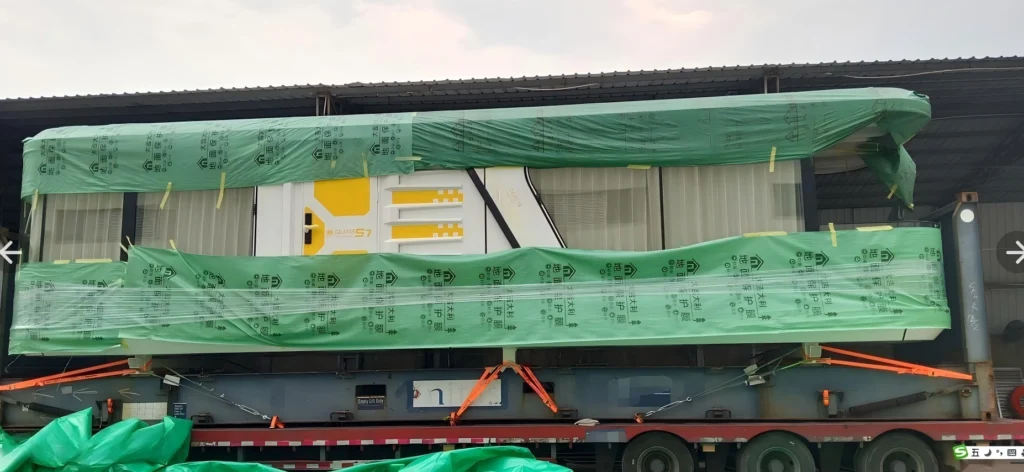
Why Seasonal Weather Matters in Flat Rack Container Transport
Flat rack cargo sits exposed on an open platform, so every season introduces specific challenges that enclosed shipping avoids. Rain and sea spray can penetrate packaging, humidity promotes hidden corrosion, strong winds complicate lifting and lashing, temperature extremes stress materials, and storms can halt operations entirely. These factors directly influence cargo stability, surface protection, lashing tension, port handling efficiency, and overall transit reliability.
Experienced OOG planners treat weather as a core variable from the quoting stage, not an afterthought. Proper seasonal planning helps maintain lashing integrity, prevent moisture damage, and build realistic timelines—especially for high-value industrial shipments.
| Seasonal Factor | Possible Impact on Flat Rack Cargo |
| Rain and sea spray | Rust, moisture damage, slippery surfaces, weakened packaging |
| Humidity | Condensation, corrosion, mold risk for wooden packaging |
| Strong wind | Cargo handling delays and higher risk during lifting operations |
| High temperature | Material expansion, packaging deterioration, seal weakening |
| Low temperature | Brittle packaging, ice buildup, handling difficulty |
| Typhoon or storm season | Vessel delays, port closures, route changes |
| Peak shipping season | Longer booking lead time and higher delay risk |
Rainy Season: Protecting Cargo from Moisture and Surface Damage
Rain represents one of the most frequent and damaging risks in flat rack container transport, particularly during monsoon or tropical wet periods. Water can seep under covers, pool on surfaces, and accelerate rust on exposed metal while softening wooden supports.
Effective protection starts well before the cargo reaches the port. Use reinforced waterproof tarpaulins with proper slope and drainage, apply anti-rust coatings or VCI film on machined surfaces, and incorporate edge protectors to prevent tearing. For sensitive electrical components, vacuum packing or sealed enclosures with desiccants provide an extra layer of defense. Always inspect packaging for integrity immediately before loading.
| Rainy Season Risk | Prevention Method | Practical Note |
| Rust on exposed metal | Anti-rust coating, VCI film, waterproof cover | Especially important for machined surfaces |
| Water trapped under covers | Proper cover slope and drainage points | Avoid creating water pockets |
| Wet wooden supports | Treated wood and inspection before loading | Helps maintain support strength |
| Cover tearing | Edge protectors and reinforced fastening | Prevents exposure during long transit |
| Slippery cargo base | Anti-slip mats and dry contact surfaces | Supports safer securing |
| Moisture-sensitive components | Vacuum packing or sealed protection | Useful for electrical or precision equipment |
Hot and Humid Seasons: Managing Condensation and Corrosion Risk
High temperatures combined with humidity create condensation cycles that can damage cargo even when covered. Salt-laden ocean air accelerates corrosion on metal parts, while heat softens certain packaging materials.
Planners must balance sealing against ventilation needs and use desiccants, moisture indicators, and VCI materials strategically. For electrical cabinets or precision machinery, sealed protection is often the safest choice. Pre-shipment inspection of critical surfaces helps catch issues early.
| Humidity-Related Concern | Why It Matters | Recommended Control |
| Condensation | Moisture may form inside covers during temperature changes | Use desiccants or sealed packaging when needed |
| Salt air exposure | Accelerates corrosion on exposed metal | Apply anti-rust and barrier protection |
| Electrical component moisture | Can damage control panels or sensitive parts | Use sealed covers or vacuum packing |
| Weak packaging materials | Heat and humidity may reduce packaging durability | Choose export-grade protective materials |
| Hidden corrosion | Damage may not be visible until arrival | Inspect and protect critical surfaces before shipping |
Wind, Storm, and Typhoon Season: Planning for Delays and Handling Safety
Strong winds and tropical storms affect more than just the cargo—they restrict crane operations, close ports, and force route changes. Typhoon season demands extra caution in scheduling and lashing reinforcement.
Build buffers into timelines, coordinate closely with carriers, and verify reinforced fastening on covers. Reviewing lashing strength for dynamic sea conditions is critical for safe voyage.
| Storm Season Challenge | Possible Result | Planning Recommendation |
| High wind during loading | Crane operation may be suspended | Plan flexible loading windows |
| Port closure | Shipment delay or missed vessel | Build schedule buffer into project timeline |
| Heavy rain and wind | Cover damage or water entry | Reinforce cover fastening and edge protection |
| Rough sea conditions | Higher dynamic movement during voyage | Review lashing strength and blocking design |
| Route disruption | Longer transit or rerouting | Monitor weather and carrier updates |
| Delayed port handling | Storage and waiting costs | Confirm contingency plan early |
Winter and Cold Weather: Preventing Handling and Protection Problems
Cold conditions make materials brittle, create ice hazards, and slow inland transport. Condensation risks increase when cargo moves from cold storage to warmer environments.
Use cold-resistant covers, clear snow and ice before loading, and allow time for inspections during temperature transitions. Inland route reviews become especially important in regions prone to snow or freezing.
| Cold Weather Risk | Possible Impact | Preventive Measure |
| Ice buildup | Slippery surfaces and unsafe handling | Inspect and clean surfaces before lifting |
| Brittle covers | Tearing during handling or transit | Use cold-resistant protective materials |
| Snow accumulation | Added weight and moisture exposure | Remove snow before loading and securing |
| Road restrictions | Inland transport delays | Review route and weather forecast early |
| Temperature transition | Condensation inside packaging | Use moisture control and allow inspection time |
| Reduced visibility | Higher handling risk | Schedule loading during safer operating windows |
How Seasonal Conditions Affect Lashing, Blocking, and Bracing
Lashing and bracing designed for ideal conditions can fail under seasonal stress. Wet surfaces reduce friction, wind adds dynamic forces, and temperature changes affect strap tension.
Always incorporate anti-slip mats, protect lashing points from sharp edges, and re-check tension after loading. For high-center-of-gravity cargo, reinforced blocking is non-negotiable.
| Securing Element | Seasonal Risk | Practical Control |
| Chain lashing | Corrosion or loosening under movement | Inspect tension and protect contact points |
| Webbing belts | UV, moisture, or temperature damage | Use suitable rated belts and inspect before use |
| Anti-slip mats | Reduced effect if surfaces are wet or oily | Clean contact surfaces before loading |
| Blocking and bracing | Wood swelling or weakening from moisture | Use export-grade materials and proper fastening |
| Edge protection | Cover and lashing abrasion | Add padding at sharp contact points |
| Lashing tension | Dynamic movement and temperature changes | Re-check after loading and before departure |
Seasonal Route Planning for Multi-Modal Flat Rack Shipments
Flat rack movements typically span road, port, ocean, and final delivery legs. Seasonal conditions must be evaluated across the entire journey.
Inland trucking may face weather-related restrictions, while ports experience congestion during peak or storm seasons. Transshipment points require extra protection planning.
| Transport Stage | Seasonal Planning Focus |
| Factory pickup | Loading surface condition, local rain or snow, crane access |
| Inland trucking | Road restrictions, permits, bridge clearance, weather delays |
| Port entry | Terminal congestion, inspection timing, cargo acceptance |
| Ocean transport | Storm risk, route conditions, vessel schedule reliability |
| Transshipment | Exposure time, handling risk, storage protection |
| Destination delivery | Road condition, unloading equipment, site readiness |
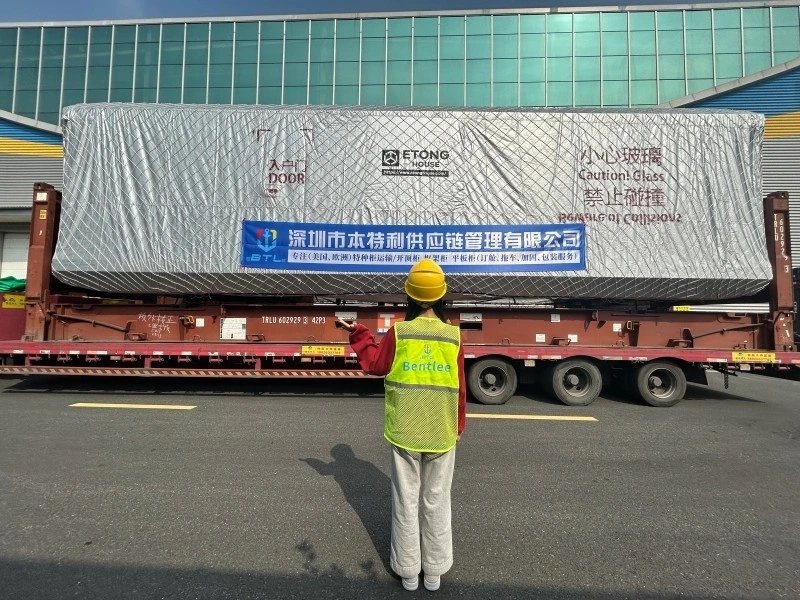
Seasonal Packaging and Protection Options for Flat Rack Cargo
Packaging must match both cargo type and expected weather exposure. A one-size-fits-all approach rarely works across seasons.
Combine tarpaulins with VCI materials for metal parts, vacuum packing for electronics, and reinforced crates for fragile items. Edge protection and reinforced base supports help maintain integrity.
| Protection Option | Best Used For | Seasonal Benefit |
| Waterproof tarpaulin | Large machinery and steel structures | Reduces rain and sea spray exposure |
| Shrink wrapping | Medium-sized equipment or bundled parts | Helps limit dust and moisture contact |
| Vacuum packing | Precision machinery and electrical components | Stronger moisture protection |
| VCI film | Metal parts and machined surfaces | Helps prevent corrosion |
| Wooden crate/case | Fragile or high-value components | Adds impact and weather protection |
| Desiccants | Sealed packaging environments | Controls humidity inside packaging |
| Edge protection | Sharp or coated cargo surfaces | Prevents cover and lashing damage |
| Reinforced supports | Heavy cargo bases | Helps maintain stability in wet or rough conditions |
Cost and Schedule Impacts of Seasonal Flat Rack Transport
Seasonal factors influence both direct costs and indirect expenses. Peak demand or storm disruptions can raise prices and extend timelines.
Extra protective materials, storage fees from delays, and potential insurance adjustments all factor into the total picture. Early planning helps control these variables.
| Cost or Schedule Factor | How Seasonality Can Affect It |
| Flat rack availability | Peak seasons may reduce equipment availability |
| Vessel booking | Weather and demand may limit sailing options |
| Protective packaging | Rain, humidity, or winter routes may require stronger protection |
| Port handling | Storms or congestion may delay operations |
| Inland trucking | Snow, heavy rain, or road restrictions may increase lead time |
| Insurance | High-value or high-risk cargo may need stronger coverage |
| Storage | Delays may create additional port or yard costs |
Pre-Shipment Seasonal Checklist for Flat Rack Cargo
A structured checklist ensures nothing is overlooked before dispatch.
| Checklist Item | Responsible Party | Why It Matters |
| Check seasonal weather | Logistics planner | Helps identify rain, storm, snow, or heat risks |
| Confirm cargo data | Shipper / manufacturer | Supports correct container and load planning |
| Review corrosion points | Engineer / packing team | Protects exposed metal surfaces |
| Select protection method | Packing team | Matches cargo sensitivity and route exposure |
| Inspect lashing materials | Securing team | Prevents failure from worn or unsuitable materials |
| Review load position | Freight planner | Supports stability and safe handling |
| Confirm route conditions | Transport provider | Reduces inland delay risk |
| Add schedule buffer | Project manager | Helps manage seasonal delays |
| Final inspection | Loading supervisor | Confirms cargo is ready before departure |
Common Mistakes to Avoid in Seasonal Flat Rack Shipping
Even experienced teams can fall into predictable traps when weather is not fully considered.
| Mistake | Possible Consequence | Better Practice |
| Using a thin cover only | Tearing, water entry, cargo exposure | Use reinforced weatherproof protection |
| Ignoring condensation | Hidden rust or electrical moisture damage | Use moisture control inside sealed covers |
| No lashing re-check | Cargo movement during transport | Inspect securing before departure |
| No schedule buffer | Missed vessel or delayed project delivery | Plan extra time during risky seasons |
| Poor destination planning | Unloading delay or site access problem | Review weather at origin, transit, and destination |
| Late protection decision | Costly rework or port rejection | Plan protection before loading |
Conclusion — Seasonal Planning Makes Flat Rack Transport Safer and More Predictable
Seasonal conditions can directly affect flat rack container transport safety and reliability. Rain, humidity, wind, storms, heat, and cold weather each require tailored planning measures for cargo protection, lashing, route coordination, and scheduling.
By evaluating these factors early—ideally during the initial cargo assessment and quoting phase—logistics teams can minimize avoidable damage and delays. For high-value or oversized industrial cargo, weather-aware planning makes heavy equipment transport more predictable and manageable across the full multi-modal journey. Taking the time to align protection, securing, and timelines with expected seasonal realities ultimately delivers better outcomes for everyone involved in the project.