
The cost of wooden crate is influenced by a lot more than only the cost of lumber. The factors that matter the most include cargo dimensions and weight, wood type and thickness, requirements for reinforcement, internal blocking, moisture protection, ISPM 15 requirements, complexity of labour, and the route of transport. The key to true optimization is to create a crate to provide the level of protection your shipment needs – and nothing more – without over-engineering.
The least expensive wooden crate is not the least expensive on the quote sheet. It is the one designed for your real goods, travel risks, handling procedures and regulatory needs. Buyers tend to only consider the initial price and end up with damage, delays, repacking or insurance issues that more than make up for the initial savings. This trend is seen regularly with Bentlee’s OOG and project cargo deliveries. It is important to get the details right from the start to ensure both safety and budget.
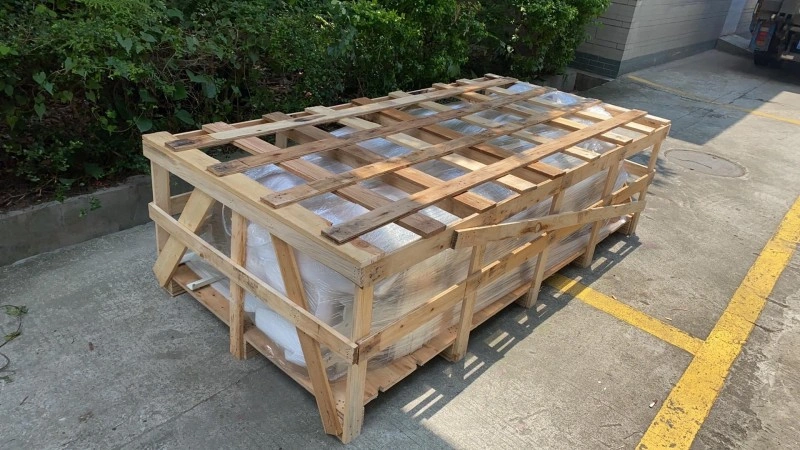
What Drives Wooden Crate Costs?
The cost of wooden crates includes raw material costs, engineering and labour costs, and is subject to the particular shipping requirements. These drivers can be understood and this knowledge can help the exporter to make an informed decision rather than make the decision based on bottom-line numbers.
| Cost Factor | How It Affects Wooden Crate Cost |
| Cargo size | Larger crates require more panels, framing, and handling space |
| Cargo weight | Heavier cargo needs stronger bases, skids, and fasteners |
| Wood material | Plywood, solid wood, and engineered wood have different costs |
| Reinforcement | Metal brackets, straps, and extra supports increase material and labor cost |
| Internal blocking | Custom supports add labor but reduce movement risk |
| Cushioning | Foam, rubber pads, and shock protection add cost for sensitive cargo |
| Moisture protection | Barrier bags, desiccants, VCI film, and covers increase protection cost |
| ISPM 15 compliance | Treated and properly marked wood may affect material selection |
| Packing labor | Complex or irregular cargo requires more design and assembly time |
| Handling design | Forklift pockets, lifting points, and special bases may increase cost |
For exporters who need to balance budget control and cargo protection, cost-effective wooden crate solutions should be based on cargo weight, route risks, compliance needs, and handling conditions rather than price alone.
Why the Cheapest Wooden Crate Is Not Always the Lowest-Cost Option
With so many choices of wooden crates available, why is the cheapest one not always the most cost-effective?
When a buyer only considers the lowest bid, the potential for higher overall LLOG costs exists. When a crate is inadequate for sea freight or multiple handling and/or extended storage, it can build up a chain of hidden expenses.
| Low-Cost Decision | Possible Hidden Cost |
| Thin panels for heavy cargo | Crate deformation or cargo exposure |
| Weak base design | Forklift damage or structural failure |
| No internal blocking | Cargo shifting and impact damage |
| No moisture protection | Rust, mold, corrosion, or electrical damage |
| Non-compliant wood | Customs delay, repacking, or rejection |
| Poor fastener selection | Loose panels or failed joints during transport |
| Oversimplified packing | Higher claim risk and delayed installation |
Experienced logistics teams evaluate total cost of ownership, not just the packing invoice.
Cost Optimization Starts With Accurate Cargo Information
Avoiding over-packing and under-packing is the one most effective way to avoid inaccurate and incomplete cargo data. Suppliers, with full information, can now design a crate to meet the actual requirements rather than always include extra safety factors or “just in case.”
| Information to Provide | How It Helps Optimize Cost |
| Cargo dimensions | Prevents oversized crate design and material waste |
| Gross weight | Helps calculate proper base and skid strength |
| Center of gravity | Reduces unnecessary bracing while improving stability |
| Fragile areas | Allows protection only where needed |
| Lifting points | Helps design safe handling features without overbuilding |
| Shipping route | Guides protection level based on real transport risk |
| Transit time | Helps determine moisture and cushioning needs |
| Destination country | Supports ISPM 15 and compliance planning |
| Cargo sensitivity | Prevents under-packing or excessive protection |
| Storage duration | Helps select the right moisture-control method |
This information is often a key to obtaining tighter, more economical proposals for your quote if it’s provided early in the quoting process.
How Smart Crate Design Reduces Unnecessary Cost
Good engineering is a process of eliminating waste without compromising protection. By making smart design decisions, material volume and man-hour use can be reduced, and cargo security can be maintained or enhanced.
| Design Optimization | Cost Benefit | Safety Consideration |
| Right-sized crate dimensions | Reduces wood use and freight volume | Must allow enough clearance for protection layers |
| Proper panel thickness | Avoids unnecessary material cost | Must match crate span and cargo risk |
| Targeted reinforcement | Reduces excessive bracing | High-stress areas still need support |
| Optimized base frame | Controls material use | Must support cargo weight and forklift handling |
| Reduced empty space | Lowers crate size and movement risk | Cargo must still have safe clearance |
| Efficient blocking layout | Reduces labor and material waste | Must prevent cargo shifting |
| Handling-aware design | Reduces transport damage risk | Forklift and crane points must be reinforced |
Material Selection: Where to Save and Where Not to Cut Corners
Smart material selections target savings where they will have the least impact on strength.
| Crate Component | Possible Cost Optimization | Do Not Compromise On |
| Side panels | Use suitable plywood thickness based on span | Avoid panels too weak for handling impact |
| Base frame | Match beam size to cargo weight | Do not weaken load-bearing supports |
| Skids | Optimize layout for forklift handling | Must support lifting and movement safely |
| Fasteners | Choose proper screws, nails, or bolts | Do not use weak fasteners for heavy cargo |
| Cushioning | Protect only sensitive contact points | Do not leave fragile parts unsupported |
| Moisture protection | Select based on route and cargo sensitivity | Do not skip corrosion protection for metal cargo |
| Reinforcement | Add metal brackets only where needed | Do not ignore corners and high-stress joints |
Avoiding Over-Packing and Under-Packing
The extremes are bad for business. When materials are over-packed, so are the costs associated with material, labor and freight. Damage, claims and delays are more likely if under-packing occurs.
| Packing Approach | Short-Term Result | Long-Term Risk or Benefit |
| Over-packing | Higher material and labor cost | May increase freight volume unnecessarily |
| Under-packing | Lower initial crate price | Higher risk of damage, delay, and claims |
| Risk-based packing | Balanced cost and protection | Better control of total logistics cost |
| Standard crate design | Faster quotation and production | May not fit heavy, sensitive, or irregular cargo |
| Custom engineered crate | More planning required | Better protection for high-risk cargo |
How Crate Size Affects Shipping Cost
The size of the crates will impact packing cost, ocean/road freight costs, container use and handling cost.
| Crate Size Issue | Possible Cost Impact |
| Oversized crate dimensions | Higher material cost and more freight space |
| Excessive empty space | Increased cargo movement risk and wasted volume |
| Poor container fit | Lower loading efficiency and higher transport cost |
| Too little clearance | Risk of cargo contact damage |
| Irregular crate shape | More complex handling and stacking limitations |
| No loading plan | May increase truck or container utilization cost |
Cost-Saving Methods That Do Not Reduce Safety
There are a few steps that can be taken that will provide real savings without loss of protection.
| Cost-Saving Method | Why It Works Without Reducing Safety |
| Early packing planning | Prevents urgent redesign and last-minute material waste |
| Accurate measurement | Reduces oversized crate design |
| Right-sized crate structure | Saves material while maintaining clearance and support |
| Risk-based reinforcement | Adds protection only where needed |
| Standardized components | Reduces labor for repeat shipments |
| Consolidated packing | Saves space when small parts can be safely grouped |
| Route-based protection | Matches packing level to actual transport risk |
| Loading plan coordination | Improves truck or container space utilization |
| Clear documentation | Reduces repacking and inspection delays |
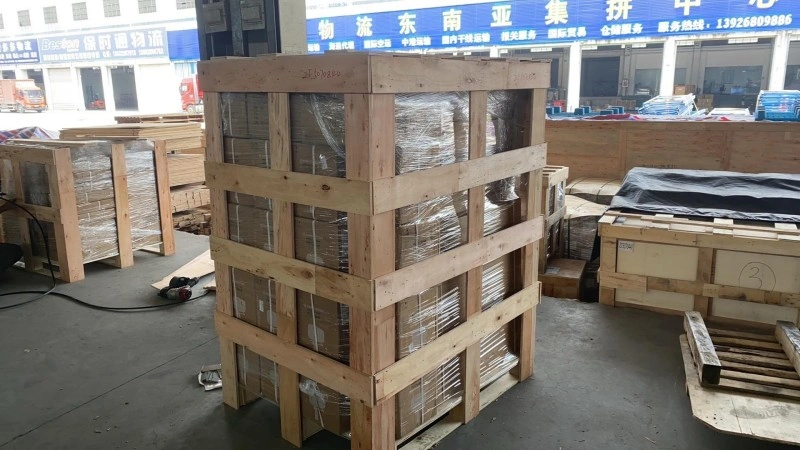
When Spending More on Wooden Crate Packing Is Worth It
In some cases, the initial expense is worth it due to the magnitude of the possible loss.
| Situation | Why Higher Packing Cost May Be Justified |
| High-value machinery | Repair or replacement cost is much higher than packing cost |
| Precision equipment | Vibration or shock can affect calibration and performance |
| Electrical equipment | Moisture damage can cause hidden failures |
| Long sea freight | Higher exposure to humidity and handling risk |
| Top-heavy cargo | Requires stronger bracing and center-of-gravity control |
| Tight project schedule | Damage or repacking can delay installation |
| Strict destination compliance | Proper materials and marking reduce customs risk |
Common Cost Optimization Mistakes Buyers Should Avoid
Even well-versed procurement teams can get caught in these snares.
| Common Mistake | Possible Result |
| Selecting the lowest price only | Higher risk of hidden damage or shipment delay |
| No specification comparison | Quotes may not include the same material or protection level |
| Incomplete cargo data | Crate may be overbuilt or under-protected |
| Weak base design | Heavy cargo may fail during forklift handling |
| Skipping moisture protection | Rust or electrical damage may occur during sea freight |
| Ignoring compliance | Repacking or customs delays may increase total cost |
| Oversized crate design | Higher material and freight cost |
| Last-minute packing | Higher labor cost and more design errors |
Buyer Checklist for Cost-Effective Wooden Crate Planning
The better-informed you are before you ask for quotes, the more control you will have over the cost and the results.
| Buyer Preparation Item | Why It Helps Control Cost |
| Accurate cargo dimensions | Prevents oversized crate design |
| Verified cargo weight | Helps avoid overbuilt or weak base structures |
| Photos or drawings | Helps engineers understand shape and fragile areas |
| Lifting and handling method | Supports efficient base and skid design |
| Shipping route and mode | Guides protection level and compliance needs |
| Destination country | Helps plan ISPM 15 and documentation |
| Storage time | Determines moisture protection level |
| Cargo sensitivity | Prevents unnecessary or insufficient protection |
| Required delivery timeline | Helps avoid urgent redesign and rush costs |
| Packing standard expectation | Ensures quotations are compared fairly |
Conclusion — Cost Optimization Should Reduce Waste, Not Protection
The optimization of the wooden crate is concerned with making the packing plan more precise. If a crate’s dimensions, materials, reinforcement, moisture protection and handling are all customised to the product being exported, and the route, then exporters can minimise waste while lowering the risks. The right crate ensures that the shipment is protected, costs are controlled and the hidden damages of the crate, repacking, customs delays and/or project disruption are avoided.
Complete shipments details early and with an expert partner familiar with OOG and industrial export, you can make genuine savings, and keep your valuable machinery and equipment safe. The purpose is always to make sure the shipment reaches its destination without damage, on time, and at a reasonable cost.