
Flat rack container load planning is the precise method used to ensure stability and safety of oversized and heavy loads from origin to destination by positioning, distributing and securing the load on a flat rack container. It covers the specific issue of open-sided platforms, their different forms of cargo and the transitions between sea, rail and road modes of transport.
For businesses engaged in industrial projects, flat rack container load planning plays a crucial role in multi-modal transportation of heavy or oversized industrial equipment, guaranteeing load stability, safety standards, and efficiency in the shipping process, whether by sea, rail, or road. If executed properly, it will eliminate shifting, limit damage claims and maintain complex supply chains flowing – saving time and money, while preserving valuable assets.
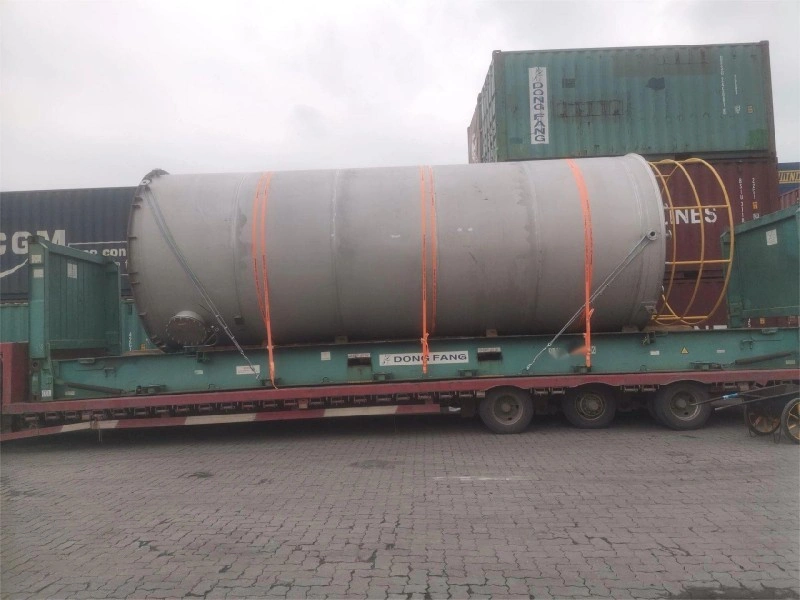
Why Optimizing Flat Rack Load Plans Is Critical
Making a container load plan to load flat racks is not just about loading of course; it is the base on which any container shipment depends – either for smooth arrival or for expensive delays and safety concerns. Multi-modal heavy cargo transport puts cargo on the deck of a ship where it is subjected to ocean swells, on a train where it is shaken and stressed by the vibrations of the train, on a road where it experiences tight turns and sharp stops. If a load is not well planned, it can be shifted, tip over, or damaged, resulting in insurance claims, regulatory issues or even accidents that could stop a whole project.
Effective flat rack container load planning ensures oversized machinery is transported safely across sea, rail, and road. It balances weight distribution, reduces centre of gravity and uses the appropriate securing techniques in the correct mode for the dynamic forces. The teams that spend time at the beginning to plan carefully and in detail generally experience fewer incidents, quicker logistics movement and improved adherence to international standards such as the CTU Code.
Understanding Flat Rack Containers
The flat rack containers are distinctive in oversized industrial cargo shipping because they don’t have side partitions and frequently have one or two collapsible end walls, or may be configured with no end walls. This open feature enables loading from the side or the top when it’s just too large to fit in a dry container. They are available in 20 feet and 40 feet lengths and are able to carry extremely heavy loads, making them the workhorse for heavy equipment, construction components and project cargo.
To give you a quick overview of typical specifications and applications, here’s a quick comparison:
| Flat Rack Type | Internal Length | Internal Width | Typical Height | Max Payload | Common Cargo Examples |
| 20ft Flat Rack | 5.94 m | 2.35 m | 2.14 m | ~30,140 kg | Smaller machinery, vehicles, compact construction tools |
| 40ft Flat Rack | 12.13 m | 2.40 m | 2.14 m | ~40,000 kg | Large industrial equipment, generators, oversized project modules |
These specifications explain why it is important to match the container size and weight with the cargo footprint for proper flat rack container shipping. The wrong choice can result in costly reconfigurations or reduced loading options.
Key Considerations in Multi-Modal Load Planning
Multi-modal heavy cargo transport adds multiple constraints, which are often not present in single mode transport. Different rules are applied to securing and weight, height & width requirements to each leg of the ocean trip, rail trip or road delivery. When planning vessels at sea, on rail, and on road, planners need to take into account vessel stability requirements, clearance limits on rail, and axle weight regulations on road while maintaining the overall load safe and legal.
| Transport Mode | Key Limitations | Load Planning Considerations |
| Sea | Vessel rolling, stacking limits | Low center of gravity, full CTU Code lashing |
| Rail | Tunnel/bridge clearance, axle weight | Even longitudinal distribution, vibration resistance |
| Road | Axle load limits, OOG permits | Route-specific planning, shock absorption |
Failure to take any of these steps could result in a regulatory or operational headache with a routine shipment. It is best to combine all modal requirements in the first 3D load sketch.
Load Distribution Strategies
The crux of load planning for heavy equipment comes from balanced load distribution. The objective is to maintain as low and centrally located as possible the center of gravity without having any single point overstress the container. To keep the journey stable, the heavy items are loaded first in the center, this is called sequential loading.
| Load Position | Weight Distribution | Stability Effect |
| Centered | Evenly balanced | Optimal across all modes |
| Forward | Forward-heavy | Increased tipping risk on braking/turns |
| Aft | Rear-heavy | Potential shifting during sea transit |
| Side-biased | Uneven lateral | Higher rolling risk during vessel maneuvers |
In reality, advanced layout planners perform weight calculations and generate 3D images of various configurations to determine which one works best before finalizing a specific configuration. This alone usually eliminates 80% of the potential stability issues.
Securing and Lashing Methods
Securing and lashing techniques make the plan a reality once the load is in place. When handling OOG cargo, the use of blocking, bracing, strapping, and anti-slip materials will require a combination of the various materials and techniques, which will depend on the shape of the cargo and the forces it will be subjected to.
| Securing Method | Cargo Type | Risk Mitigation |
| Cross Lashing | Machinery with lashing points | Prevents sliding and tipping effectively |
| Blocking & Bracing with Dunnage | Irregular or crated items | Absorbs shocks and eliminates movement |
| Anti-Slip Mats & Straps | Vehicles or flat-based loads | Boosts friction and reduces vibration damage |
| Chain Lashing | High-value or extreme-weight items | Provides maximum strength in harsh conditions |
Use corner protectors and ensure adequate safe working loads for lashing points are met at all times. Loosing is caught before it becomes a problem by regular inspections conducted at each modal transfer point.
Digital Tools for Load Planning
Today, flat rack load distribution practices are based on digital solutions that do away with the guesswork. 3D CAD, laser scanning and simulation software enable planners to see the full load in virtual space and simulate the load against the actual forces.
| Tool | Purpose | Benefits |
| 3D CAD Load Software (e.g., EasyCargo) | Visualize and optimize placement | Rapid iterations, error reduction |
| 3D Scanning Systems | Capture exact cargo dimensions | Precision for irregular shapes |
| Dynamic Simulation Software | Test stability under motion | Predicts risks before physical loading |
These tools have revolutionized the way loads are planned for flat rack container transport, particularly in the case of complex multi-modal heavy cargo. Teams that do adopt them claim quicker planning cycles and drastically reduced on-site adjustments.
Seasonal and Environmental Factors
The safe shipment of heavy equipment is made more complex by the weather and the route. In wet conditions surfaces can become slippery, high winds can create extra lateral forces on deck cargo and extreme temperatures can impact both deck cargo and securing materials.
| Environmental Factor | Potential Risk | Preventive Measure |
| Heavy Rain | Water ingress, reduced friction | Waterproof covers, elevated dunnage |
| Strong Winds | Load shifting on open deck | Extra cross lashings, lower profile loading |
| Temperature Swings | Material expansion/contraction | Temperature-rated straps and chains |
| Road Vibrations | Lashing loosening over distance | Scheduled inspections at transfer points |
It’s easy to keep shipments resilient when you’re anticipating these factors during the initial planning phase.
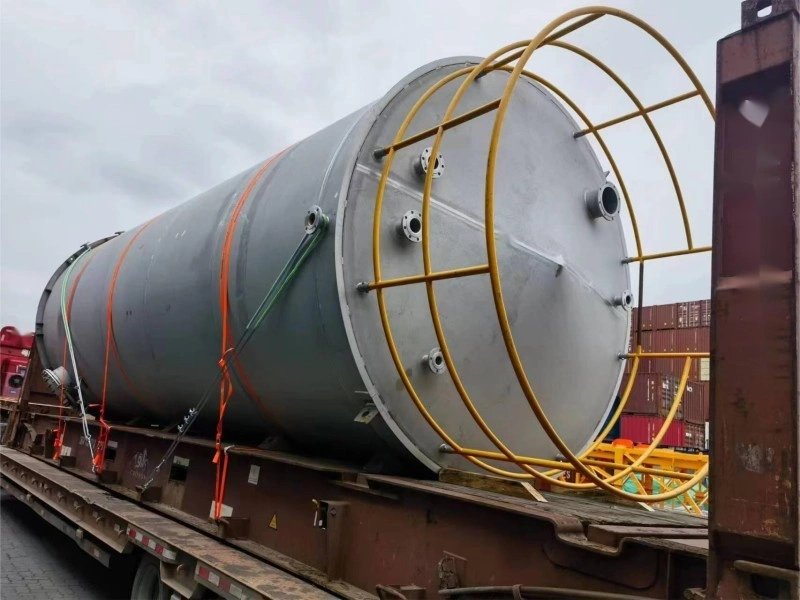
Case Study / Example
A recent example of a multi modal shipment to be considered is a large industrial pump module which weighed 28 tons with a non-centralized weight balance, or offset. The project involved shipping from an Asian manufacturing plant to a European power plant by sea, rail and final road transport.
| Step | Action Taken | Result |
| 1 | On-site 3D scan and CoG calculation | Accurate data for 40ft flat rack selection |
| 2 | Digital simulation of balanced load | Even weight distribution confirmed |
| 3 | Cross lashing plus timber blocking | Zero movement during ocean and rail legs |
| 4 | Pre- and post-transfer inspections | On-time, damage-free arrival at site |
The careful planning and execution kept what could have been a six-figure loss to a minimum and helped hold the project on track.
Cost and Efficiency Considerations
Smart optimizing flat rack shipping for international logistics directly affects the bottom line. While it may be a few hours up front, the potential for damage repair, rework or expedited replacement shipping usually make it a poor idea.
| Cost Factor | Impact | Recommendation |
| Poor initial load planning | Damage claims and delays | Use 3D tools from day one |
| Underutilized container space | Higher per-ton shipping costs | Maximize payload with precise modeling |
| Inadequate securing | Safety incidents and insurance hikes | Follow CTU standards and expert verification |
The most cost effective TCO is achieved when planning takes the whole journey into account.
Best Practices for Logistics Teams
Successful heavy industrial machinery transport checklist starts long before the container arrives. Reliable operations are distinguished by consistent habits.
| Task | Responsibility | Notes |
| Cargo measurement & CoG calc | Logistics Engineer | Use laser scanning for highest accuracy |
| Develop & simulate load plan | Planning Team | Test against all modal limits |
| Execute securing & lashing | On-site Loading Crew | Double-check torque and tension |
| Pre-shipment & transfer inspection | Quality Control | Photo documentation and sign-off required |
| Post-arrival verification | Receiving Team | Immediate reporting of any issues |
Everyone is kept on track and on task through training, documentation and supervision at each handover.
At the end of the day, it is all about preparation, precision and knowledge of the interaction between the cargo and each transport mode when it comes to optimizing flat rack loads. Logistics professionals manage these intricate OOG movements with predictable, low-risk operations by adopting a balanced distribution, robust securing and data-driven tools. From shipping construction modules to energy equipment, or even heavy machinery, these practices are repeated when it comes to asset protection and ensuring projects are on track. Any extra planning that is put in is going to lead to better safety, compliance and cost control.