
Flat rack containers may be needed for renewable energy equipment that cannot fit into a standard container because of its length, width, height or geometry, and accurate measurement of the cargo, load planning, secure design, protection against the weather and route planning are critical for safe transportation. For project cargo that includes oversized solar frames, battery modules, inverter skids, or wind power components, flat rack shipping solutions for renewable equipment can provide the loading flexibility needed for safe international transport.
Many shippers think that flat racks are only for heavy machinery but they work well for oversized renewable energy equipment that has long frames, wide structures, delicate surfaces, and energy project specific dimensions. Flat rack shipping is not simply a choice for cargo transport—it’s an entire project cargo shipping project planning method that consists of cargo measurement, load simulation, securing design, port handling, route planning, documentation, and delivery coordination. Incorporating the elements of early planning will enable renewable energy developers, EPC contractors and logistics teams to deliver projects on schedule, as well as reduce any risk of damage.
What Renewable Energy Equipment Is Suitable for Flat Rack Shipping?
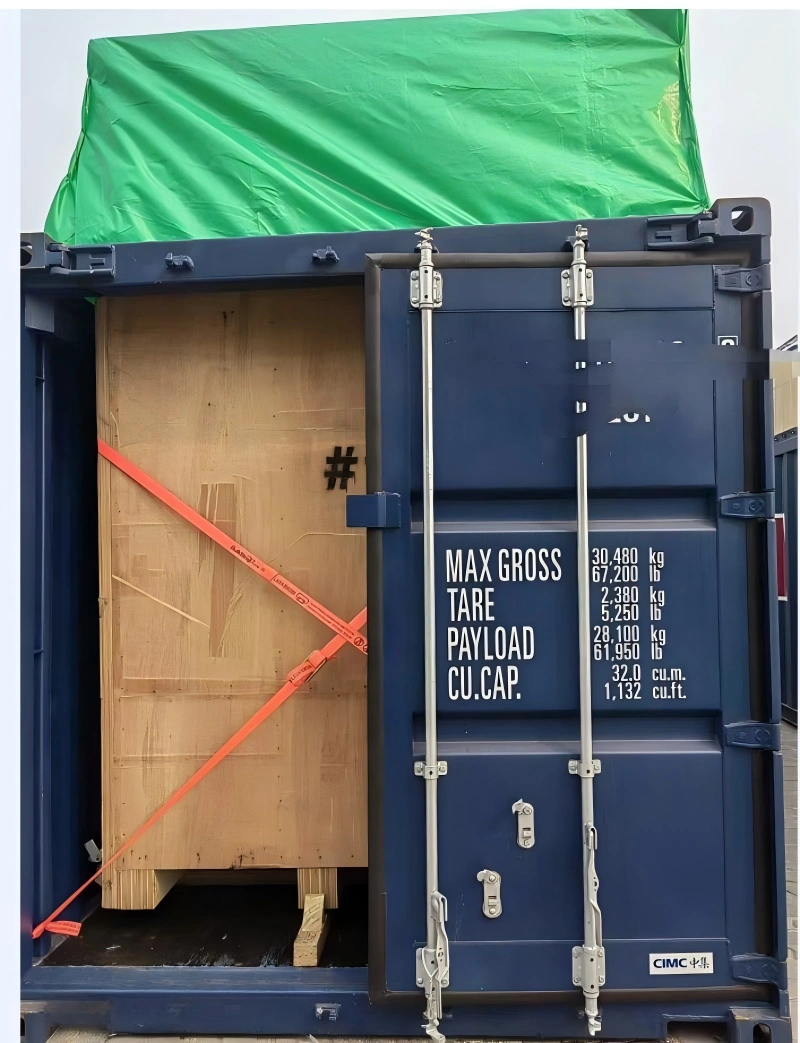
The best use of flat rack containers is when the renewable energy equipment is too big or loads too much for standard containers.
Many renewable energy applications require parts that are too large, too long or too irregularly shaped for traditional dry containers. Flat rack shipping containers for renewable energy equipment provide open-top and open-side loading and securement, providing the necessary space to safely handle and load all renewable energy equipment.
| Renewable Energy Cargo | Why Flat Rack May Be Needed | Key Shipping Concern |
| Solar mounting structures | Long or bundled steel/aluminum frames may exceed standard container loading limits | Length, stacking, surface protection |
| Wind power components | Irregular shape or high weight may require open loading access | Center of gravity and lashing points |
| Battery energy storage units | Heavy modules may need reinforced loading and careful handling | Weight distribution and compliance |
| Inverter skids | Skid-mounted equipment may be too wide or tall for standard containers | Base support and vibration control |
| Transformers | Heavy, compact cargo often requires controlled lifting and securing | Load concentration and oil leakage risk |
| Modular energy units | Prefabricated assemblies may have oversized dimensions | Structural support and route clearance |
Why Flat Rack Containers Are Used for Renewable Energy Project Cargo
Flat rack containers offer the flexibility of loading the cargo into the container, when the cargo cannot be safely loaded through the standard container doors.
Open side design and removable end walls enable side loading for large or irregular components and top loading access for crane operations for large energy equipment. Heavy skids, transformers, and modular units are all supported by strong platform bases while flexible securing points enable a custom lashing plan according to cargo shape. This allows for both ocean and inland multi-modal transport to be used in the flat rack container shipping supply chain for renewable energy.
| Flat Rack Advantage | Practical Value for Renewable Energy Cargo |
| Open-side structure | Allows side loading for wide or irregular components |
| Top loading access | Supports crane loading for heavy energy equipment |
| Strong platform base | Helps carry heavy skids, transformers, and modular units |
| Flexible securing points | Allows customized lashing plans based on cargo shape |
| Multi-modal compatibility | Supports sea, port, and inland transport coordination |
| Suitable for OOG cargo | Works for cargo exceeding standard container dimensions |
Key Planning Steps for Flat Rack Renewable Equipment Shipping
Safe flat rack shipping begins before the cargo gets to the port.
The best OOG specialists are well aware that a good deal of problems can be avoided if proper preparation is done a priori. Every shipment of renewables starts with Bentlee’s on-site cargo measurement and detailed load planning to ensure that the flat rack perfectly matches the requirement in actual use situations.
| Planning Step | What Should Be Checked | Why It Matters |
| Cargo measurement | Length, width, height, weight, lifting points | Determines flat rack suitability and OOG status |
| Center-of-gravity review | Cargo balance and stability | Reduces tipping and shifting risks |
| Container selection | 20FR, 40FR, collapsible or non-collapsible options | Matches cargo size and weight |
| Load positioning | Cargo placement on the flat rack deck | Prevents overload and uneven pressure |
| Lashing design | Chains, belts, blocking, bracing, anti-slip materials | Keeps cargo stable during transport |
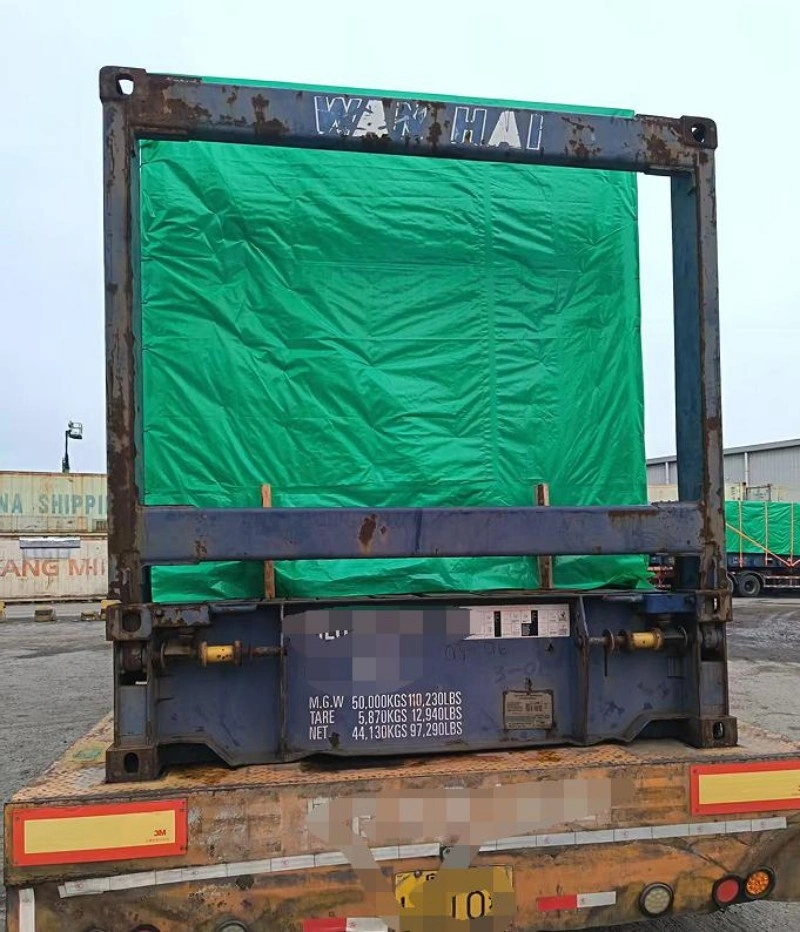
| Weather protection | Tarpaulin, shrink wrap, vacuum packing, anti-rust treatment | Protects sensitive surfaces and components |
| Route review | Road clearance, bridge limits, port restrictions | Prevents transport delays |
| Documentation | Cargo drawings, packing list, MSDS if needed, shipping documents | Supports booking and customs clearance |
Common Risks When Shipping Renewable Energy Equipment on Flat Racks
While renewable energy cargo might structurally be robust, if not planned properly, it could still be subject to logistics damage.
Adequate securing, protection or handling can be the difference between a successful long ocean voyage and a failure in long ocean voyages even with well-built frames or battery modules.
| Risk | Possible Cause | Prevention Method |
| Cargo shifting | Poor lashing angle or weak securing points | Use engineered lashing, blocking, and anti-slip materials |
| Corrosion | Salt air, rain, humidity, long transit time | Apply anti-rust protection, covers, or vacuum packing |
| Surface damage | Direct contact with chains, wood, or metal edges | Use padding, protective film, and soft contact materials |
| Vibration damage | Long road/sea transport and poor base support | Add base support, shock absorption, and secure mounting |
| Tipping risk | High center of gravity or unbalanced load | Conduct center-of-gravity review before loading |
| Booking delays | Incorrect dimensions or missing cargo drawings | Confirm OOG data before space booking |
Load Planning and Weight Distribution for Renewable Energy Cargo
Load distribution is one of the most crucial safety factors in flat rack renewable cargo transport.
Distribute weight evenly on flat rack deck to avoid de-stabilizing the deck and deck overload. For long solar frames in length, it is important to provide support overhanged in a controlled manner, and for heavy battery modules or transformers, it is important to provide base support to distribute pressure. The position of the center of gravity has a direct effect on the design of the lashing and careful design of overhang ensures that the ship may comply with the road and port regulations.
| Cargo Type | Load Planning Focus | Practical Recommendation |
| Long solar frames | Lengthwise support and overhang control | Use evenly spaced supports and avoid unsupported ends |
| Battery modules | Heavy concentrated weight | Place near structural support areas and spread deck pressure |
| Transformer units | Compact but very heavy cargo | Use reinforced base support and check deck load limits |
| Wind equipment parts | Irregular shape and center-of-gravity issues | Use custom blocking and engineered lashing angles |
| Modular energy skids | Base frame support and vibration control | Secure from frame points and protect sensitive equipment |
Lashing, Blocking, and Weather Protection Requirements
Renewable energy equipment often requires mechanical securing along with environmental protection.
Cargo stability is ensured by proper lashing, and preventing surface damage and corrosion during weeks at sea with weather protection.
| Protection Method | Best Used For | Purpose |
| Chain lashing | Heavy skids, transformers, structural frames | Prevents movement under dynamic transport forces |
| Webbing belts | Coated or sensitive surfaces | Secures cargo with reduced surface damage risk |
| Blocking and bracing | Cylindrical, irregular, or unstable cargo | Prevents rolling and lateral shifting |
| Anti-slip mats | Heavy equipment bases | Improves friction between cargo and deck |
| Edge protectors | Sharp edges or coated frames | Prevents lashing damage |
| Waterproof covers | Outdoor-sensitive cargo | Reduces rain and sea spray exposure |
| Anti-rust treatment | Metal structures and exposed surfaces | Reduces corrosion risk during long transit |
| Vacuum packing | Sensitive electrical or precision components | Protects against humidity and dust |
Documentation and Compliance for Renewable Energy Flat Rack Shipments
Additional documentation could be necessary for renewable energy cargo as it can be larger and heavier than conventional containerized freight, may involve electrical systems or batteries, and may have project-specific handling needs.
The timely acceptance of the booking and smooth customs clearance at both ends are also facilitated by complete documentation.
| Document | Why It May Be Needed |
| Cargo dimension sheet | Confirms OOG status and container suitability |
| Technical drawing | Helps plan loading, lifting, and securing |
| Cargo photos | Supports booking and risk assessment |
| Packing list | Required for customs and shipping coordination |
| MSDS | Required if batteries or hazardous materials are involved |
| Lashing plan | Demonstrates how cargo will be secured |
| Insurance document | Helps protect high-value renewable energy cargo |
| OOG booking confirmation | Confirms carrier acceptance of oversized cargo |
Flat Rack vs Other Transport Options for Renewable Energy Equipment
However, in some cases, flat rack containers may be the only option, as long as cargo can be transported within containerized shipping networks.
The selection of the method is dependent on several factors such as the size or dimensions of the cargo, the length of the project and the budget.
| Transport Option | Best For | Limitation |
| Flat rack container | Wide, long, heavy, or irregular renewable cargo | Requires strong securing and OOG booking |
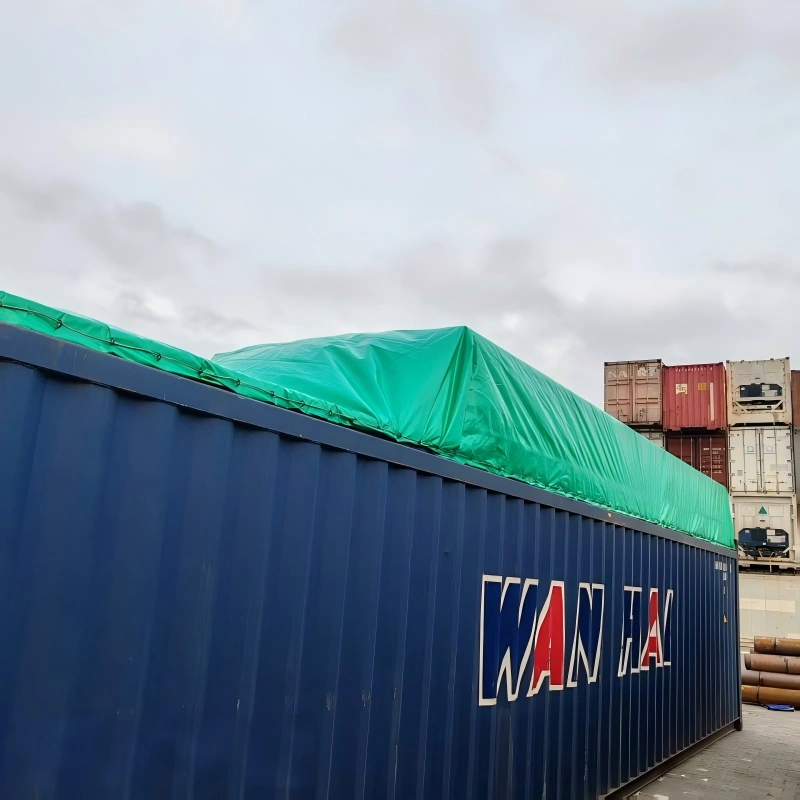
| Open top container | Tall cargo that fits within container width/length | Less suitable for very wide cargo |
| Lowbed trailer | Inland oversized movement | Usually not a full international ocean solution by itself |
| Breakbulk shipping | Extremely large project cargo | May require more handling and special vessel planning |
| Ro-Ro shipping | Self-propelled or towable units | Not suitable for all renewable energy components |
| Heavy lift vessel | Very large or extremely heavy components | Higher planning complexity and project cost |
Cost Factors in Flat Rack Shipping for Renewable Energy Equipment
Cost will vary based on the size of the cargo, the route, equipment availability, level of protection needed, and the complexity of the handling.
Identifying these factors early on in the project can help project teams to budget more accurately and prevent unexpected issues.
| Cost Factor | How It Affects the Shipment |
| Cargo size | Larger overhang may increase carrier restrictions and cost |
| Cargo weight | Heavier cargo may require special handling and support |
| Route | Port options and vessel availability affect pricing |
| Equipment availability | Flat rack shortages can increase cost or lead time |
| Lashing requirements | Complex cargo needs stronger securing materials and labor |
| Weather protection | Covers, anti-rust treatment, or vacuum packing add cost but reduce risk |
| Crane handling | Heavy or delicate equipment may require special lifting |
| Insurance | High-value energy equipment often needs stronger coverage |
Best Practices Before Shipping Oversized Renewable Energy Equipment
A project team checklist to prevent common pitfalls.
- Ensure precise cargo dimensions and weight
- Mark the points where the lift is needed and the center of gravity.
- Create sketches and photos of contents.
- Select the appropriate type of flat racks.
- Plan the lashing and blocking prior to loading
- Please consult carrier and port restrictions.
- Draw in-land travel route
- Prepare weather protection
- Confirm documentation early
- Schedule inspections for prior to departure
| Checklist Item | Responsible Party | Why It Matters |
| Confirm cargo dimensions | Shipper / manufacturer | Prevents booking errors |
| Identify lifting points | Equipment supplier / engineer | Reduces loading damage |
| Review center of gravity | Logistics planner | Improves load stability |
| Select flat rack type | Freight forwarder / logistics team | Matches cargo and route requirements |
| Prepare lashing plan | Securing specialist | Reduces shifting risk |
| Check route restrictions | Transport provider | Avoids inland delays |
| Apply protection | Packing team | Prevents corrosion and surface damage |
| Verify documents | Export team | Supports customs and carrier approval |
| Conduct pre-shipment inspection | Logistics supervisor | Confirms cargo readiness |
Common Mistakes to Avoid
One of the most common and expensive mistakes in renewable energy logistics is reserving flat rack space without finalising the exact dimensions.
Other common errors are neglecting center of gravity, misjudging the sea exposure and corrosion risk, applying standard lashing for unusual cargo, and not communicating with inland truck planning with the ocean planning. These errors can result in the failure to book, damage to the goods, or delays in the project.
Conclusion — Flat Rack Shipping Supports Renewable Energy Project Logistics
While flat rack shipping makes sense for larger renewable energy equipment, it’s more than just an open platform; there’s a lot to consider when shipping safely. Accurate cargo data, engineered load planning, proper securing, protection of the environment, route coordination and careful documentation from origin to destination all make up a reliable shipment.
By taking time to take detailed measurements, create 3D load planning and utilize experienced OOG coordination, project teams cut risks, avoid damage to valuable asset, and ensure that renewable energy projects stay on track. The key to successful shipping of flat racks is collaboration between equipment manufacturers, EPC contractors, and specialist logistics companies with an understanding of technical and operational realities of shipping over-sized renewable cargo abroad.