
The insurance and risk management for factory relocation projects should start well before the dismantling, packing and lifting, and moving of any equipment. A factory relocation entails relocating tools and machinery with high value including CNC machines, injection molding machines, production lines, etc. which are essential for the business. Cargo insurance is an effective measure of financial protection, but is best complemented with proactive risk management throughout the factory relocation process, from site survey through to production restart.
Some firms believe that having cargo insurance will protect their business’ move. However, if the process is not well planned and documented, insurance coverage might not address the loss of production time, repair delays, missing parts, installation problems, or conflicts with contractors. The best risk management involves insurance planning along with real-world safety measures such as detailed records of equipment, equipment condition reports, secure packing, lashing, route optimization, and post-move inspections. The aim is to limit financial risk, limit disruption to operations and help to get back to full production.
Why Insurance Matters in Factory Relocation Projects
The relocation of a factory involves considerable investment risk due to the value of industrial machinery and the risk of loss of business continuity. Insurance should be considered at the outset, rather than as an ‘afterthought’.
| Insurance Concern | Why It Matters | Example Risk |
| Equipment Value | Machinery may be expensive and difficult to replace | CNC machines, molds, electrical cabinets, production lines |
| Handling Risk | Damage can occur before transport begins | Lifting impact, poor rigging, forklift collision |
| Transport Risk | Cargo may move, vibrate, or be exposed to weather | Road vibration, ocean movement, port handling |
| Environmental Risk | Moisture or corrosion may damage machinery | Rust, electrical faults, mold corrosion |
| Theft or Loss | Small parts or high-value components may be misplaced | Tools, sensors, spare parts, control units |
| Contractor Responsibility | Multiple parties may handle the same cargo | Disputes over where damage occurred |
| Documentation Quality | Claims require evidence | Missing photos, unclear handover notes |
Early insurance review will help to determine any coverage gaps and make sure that declared values, policy terms and coverage provided are consistent with the project scope.
Common Risks in Factory Relocation Projects
The relocation risks are not only physical damage to the transports. These occur at all stages and may result in expensive repairs, lengthy downtime or safety incidents.
| Risk Type | When It Happens | Possible Impact |
| Dismantling Damage | During disconnection or component removal | Broken parts, wiring errors, reinstallation delays |
| Lifting Damage | During crane, forklift, gantry, or rigging work | Frame deformation, impact damage, safety incident |
| Packaging Failure | Before or during transport | Rust, scratches, dust, vibration damage |
| Cargo Shifting | During road, port, or ocean transport | Equipment collision or structural damage |
| Moisture Exposure | Outdoor loading, storage, ocean freight | Corrosion and electrical issues |
| Missing Components | During dismantling, packing, or handover | Delayed installation and restart |
| Transport Delay | Road permits, weather, customs, port congestion | Extended downtime or storage costs |
| Installation Error | During positioning, reconnection, or calibration | Poor machine performance after restart |
By knowing these risks, project teams can prioritize risk mitigation measures alongside insurance policies to complement long-term protection.
Step 1: Conduct a Factory Relocation Risk Assessment
Comprehensive risk assessment should be done before contractors start working in the house. This action is used to determine vulnerabilities and to inform on protection strategies and insurance decisions.
| Risk Assessment Item | What to Evaluate | Why It Matters |
| Equipment Value | Replacement value and repair difficulty | Helps determine insurance and protection level |
| Production Criticality | Whether downtime affects output or customer orders | Supports priority and contingency planning |
| Equipment Condition | Existing wear, cracks, rust, leakage, or damage | Prevents claim disputes |
| Size and Weight | Dimensions, gross weight, center of gravity | Determines lifting, transport, and securing method |
| Sensitivity Level | Vibration, moisture, dust, tilt, or calibration sensitivity | Defines packaging and monitoring requirements |
| Site Access | Doorways, floor load, loading area, route limits | Reduces handling delays and accidents |
| Transport Route | Permits, road conditions, port handling, customs | Reduces delay and compliance risk |
| Destination Readiness | Foundation, utilities, installation space | Prevents storage and restart delays |
The teams that invest time in this assessment early, will make better decisions on packaging, transport methods and selection of contractors.
Step 2: Understand What Insurance May and May Not Cover
Coverage will differ from policy to policy, declared value to declared value, route to route, cargo to cargo, and packing and securing requirements. Make sure to go over certain conditions with your insurance provider or agent.
| Insurance Consideration | What to Check | Why It Matters |
| Declared Cargo Value | Whether machinery value is accurately declared | Underinsurance may reduce recovery |
| Covered Stages | Dismantling, loading, transport, unloading, storage, installation | Some policies may not cover every stage |
| Exclusions | Rust, poor packing, delay, wear, hidden damage, improper handling | Helps avoid false assumptions |
| Packing Requirements | Whether insurer requires specific packaging or securing | Poor packing may affect claims |
| Theft or Loss Coverage | Whether components and accessories are included | Small parts can be costly to replace |
| Deductible | Amount paid before insurance responds | Affects real financial exposure |
| Claim Evidence | Photos, reports, invoices, handover records | Strong documentation supports claims |
| Contractor Liability | Who is responsible at each stage | Reduces disputes between parties |
Communication with insurers regarding details of the project helps to align expectations and documentation requirements.
Step 3: Document Equipment Condition Before the Move
Well-documented information is key to achieving successful claims and smooth transfers. It is a proof of the pre-move condition of the equipment and can facilitate the speedy resolution of disputes.
| Documentation Item | What to Include | Why It Supports Risk Management |
| Equipment ID Record | Name, model, serial number, location | Confirms what equipment was moved |
| Photo Record | All sides, control panels, bases, accessories | Shows pre-move condition |
| Existing Damage Notes | Rust, cracks, dents, leaks, worn parts | Prevents false damage disputes |
| Operational Status | Whether equipment was functional before shutdown | Helps evaluate post-move issues |
| Component List | Removed parts, cables, tools, fixtures | Reduces missing-part risk |
| Packing List | Crate numbers, contents, protection method | Supports handover and claims |
| Sign-Off Record | Responsible person and date | Creates accountability |
Photographs and written records made prior to the dismantling are of great value later on.
Step 4: Reduce Risk Through Packaging, Securing, and Monitoring
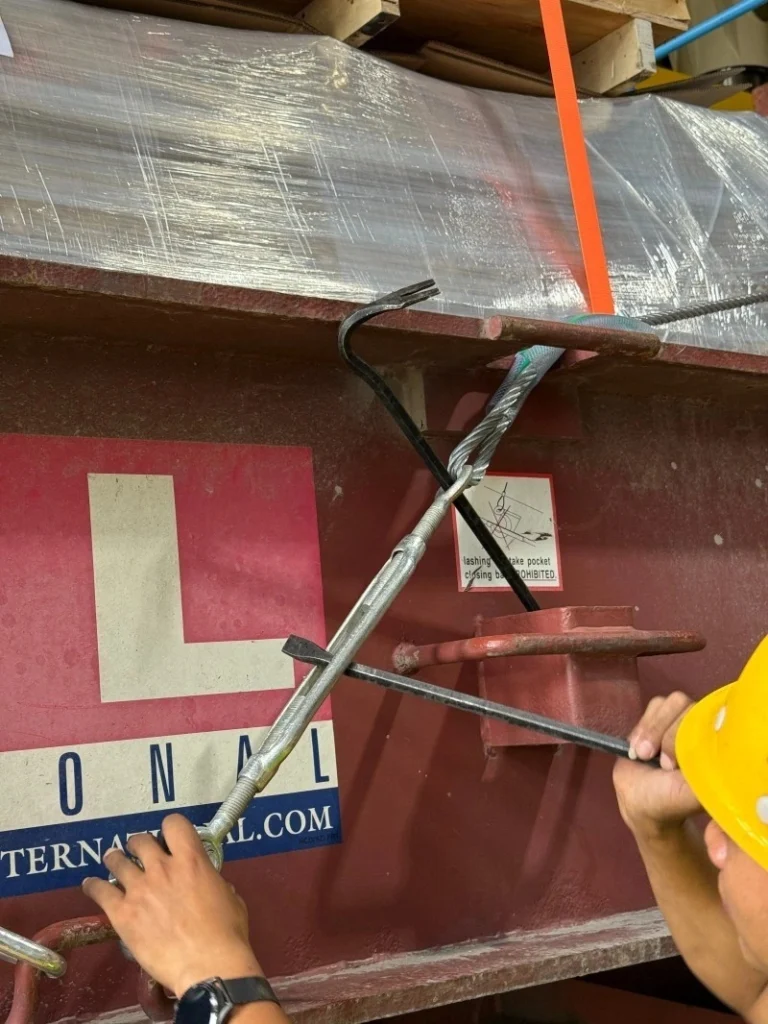
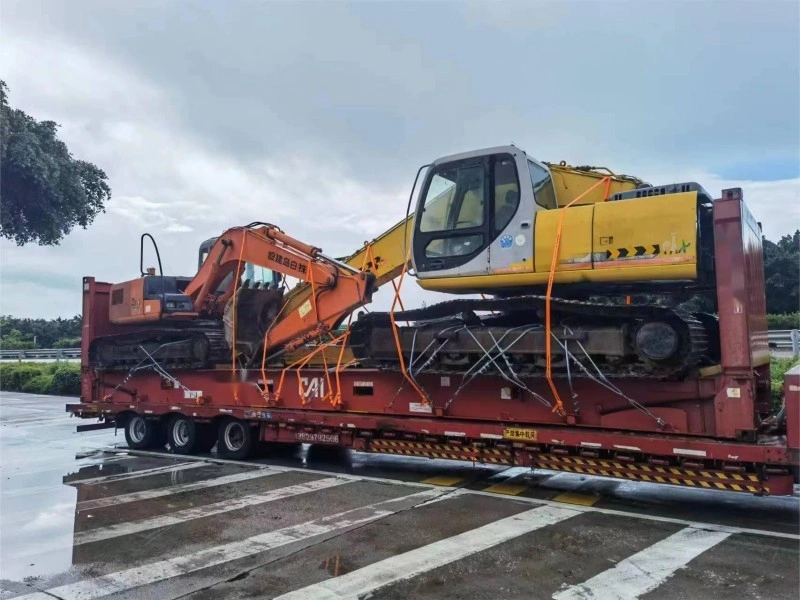
Practical protective measures can help make insurance more effective.There are practical insurance protection measures, which can help make insurance as effective as possible by preventing or limiting damage. The lessons from the Bentlee experience concerning OOG cargo illustrate the benefits of custom solutions like wooden crating, vacuum sealing and suitable lashing.
| Risk Control Method | Risk Reduced | Practical Note |
| Wooden Crating | Impact and handling damage | Useful for components and fragile parts |
| Vacuum Sealing | Moisture and corrosion | Useful for rust-sensitive machinery or molds |
| Desiccants and VCI | Humidity and rust | Important for ocean or long-distance transport |
| Shock-Absorbing Pads | Vibration and hidden mechanical stress | Useful for precision equipment |
| Control Panel Protection | Electrical and display damage | Protects wiring, screens, and sensors |
| Lashing | Cargo movement | Must use proper angles and rated restraints |
| Blocking and Bracing | Sliding, tipping, and collision | Should work together with lashing |
| GPS Tracking & Sensors | Schedule uncertainty and hidden events | Useful for high-value or sensitive cargo |
These techniques in conjunction with 3D load planning and specialist trailers, provide a serious contribution to overall risk controls.
Step 5: Define Contractor Responsibility and Handover Points
Usually, a factory relocation process has more than one party. Staying clear at each handover of each responsibility reduces disputes and enhances claim positions.
| Project Stage | Responsible Party to Define | Required Record |
| Dismantling | Factory team or dismantling contractor | Condition and component record |
| Packing | Packing provider or relocation contractor | Packing list and photos |
| Loading | Rigging crew and lifting operator | Loading photos and lashing record |
| Transport | Trucking provider or freight forwarder | Delivery note and tracking record |
| Customs or Port Handling | Customs broker, forwarder, or terminal | Clearance and handover records |
| Unloading | Destination rigging or unloading team | Arrival inspection report |
| Installation | Installation or maintenance team | Testing and acceptance record |
A responsibility matrix is shared by all parties which assists in holding everyone accountable during the project.
Step 6: Manage Delay and Business Interruption Risks
Not all losses are tangible. Delays can result in a great deal of economic loss due to lost production.
| Delay Risk | Possible Business Impact | Risk Control Method |
| Permit Approval Delay | Cargo cannot depart on schedule | Check permit needs early |
| Customs Delay | Equipment held at border or port | Prepare documents before shipment |
| Weather Disruption | Loading, transport, or port handling delayed | Build schedule buffer |
| Destination Not Ready | Equipment waits before installation | Prepare foundation and utilities early |
| Missing Parts | Reinstallation cannot proceed | Use labeling and inventory records |
| Damage After Arrival | Repair and restart delay | Inspect immediately and document condition |
| Calibration Delay | Production quality cannot be confirmed | Reserve testing and calibration window |
These risks can be further reduced by phased relocation or temporary production arrangements.
Step 7: Prepare a Claim-Ready Documentation File
Advanced organization of documents helps expedite any claims process and shows due diligence.
| Claim-Ready Document | Purpose |
| Insurance Policy and Coverage Notes | Confirms coverage terms and exclusions |
| Equipment Inventory | Shows what was included in the project |
| Declared Value Record | Supports valuation review |
| Pre-Move Photos | Shows equipment condition before relocation |
| Packing Photos | Demonstrates protection method |
| Loading and Lashing Photos | Shows cargo handling and securing condition |
| Handover Records | Tracks responsibility between parties |
| Sensor Data | Shows shock, tilt, humidity, or temperature events |
| Damage Report | Records visible issues after delivery |
| Repair Estimate | Supports cost evaluation |
Common Insurance and Risk Management Mistakes to Avoid
Even veteran teams can miss things that make protection less effective.
| Mistake | Why It Creates Risk | Better Practice |
| Not Reading Policy Terms | Coverage may exclude key risks | Review terms with insurer or broker |
| Under-Declared Value | Recovery may be limited | Declare realistic cargo value |
| No Condition Report | Difficult to prove when damage occurred | Document equipment before dismantling |
| Weak Packing Records | Claims may be harder to support | Photograph packaging and protection methods |
| No Handover Records | Responsibility becomes unclear | Use sign-off forms at each stage |
| Poor Moisture Protection | Rust may be disputed or excluded | Use VCI, desiccants, barriers, or vacuum sealing |
| Late Damage Inspection | Evidence may be lost | Inspect immediately after arrival |
| Treating Insurance as Substitute for Planning | Insurance may not prevent downtime | Combine insurance with practical protection |
Factory Relocation Insurance and Risk Management Checklist
Refer to this checklist when preparing.
| Stage | Insurance and Risk Management Checklist |
| Before Planning | Identify equipment value, production criticality, hazards, sensitivity, and relocation scope |
| Insurance Review | Check coverage terms, exclusions, declared value, deductible, covered stages, and claim requirements |
| Risk Assessment | Evaluate damage, theft, delay, moisture, lifting, transport, and installation risks |
| Documentation | Record equipment condition, serial numbers, photos, component lists, and packing requirements |
| Contractor Coordination | Define responsibilities, handover points, damage reporting, and communication workflow |
| Protection Measures | Plan packaging, moisture control, lashing, blocking, bracing, and monitoring |
| During Transport | Track cargo status, maintain records, and document any incidents |
| After Delivery | Inspect equipment, record condition, report damage promptly, and complete acceptance records |
| Post-Move Review | Confirm repairs, calibration, production readiness, and documentation closeout |
Conclusion — Insurance Works Best When Risk Is Managed Before the Move
Financial exposure to projects of relocating factories can be minimised with insurance, but this is most effective in combination with good practice risk management. Early Assessment, detailed documentation, use of appropriate packaging and securing, ensuring that responsibilities are clear between companies, monitoring transport and post-delivery inspections – all of these help companies to safeguard their assets and production schedules.
The process of relocation of factories is complex but a well-designed approach to prevention and evidence can make a big difference. When these elements are carefully considered, these occurrences can be managed and a “disruptive project” become a “controlled transition” that does not cause your business to be brought to a halt.