
The length of time for a factory relocation varies, depending on the size of the project, from a few weeks for shifting a single machine within the country, to several months for the relocation of an entire production line or an international project. This time is dependent on more than just transport; it involves site surveys, equipment inventory, dismantling, packaging, loading, transport, unloading, installation, calibration, testing and restarting production.
While some companies start by addressing only the duration of the trucking/shipment, in reality, the vast majority of the schedule is actually dedicated to the pre-move preparation and post-arrival commissioning. The realistic factory relocation timeline is not just about the trucks arriving; it’s about making the move operational, protecting the equipment and avoiding downtime. Planning should start long before equipment shutdown or dismantling to ensure a proper assessment and risk mitigation.
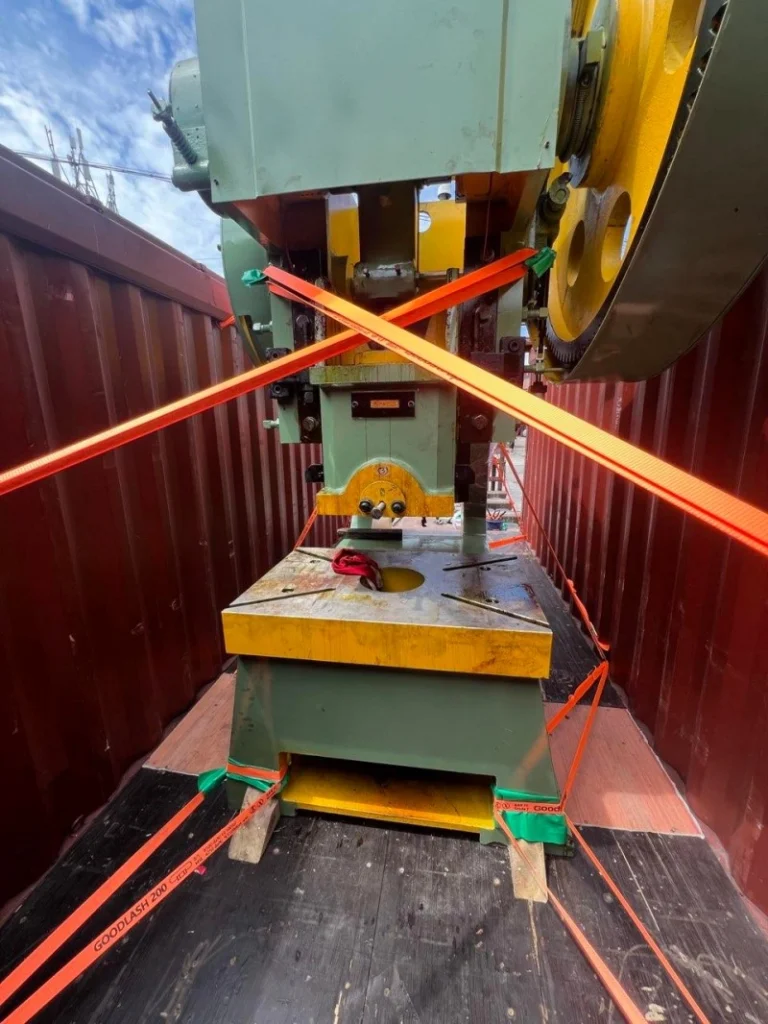
Typical Factory Relocation Timeline at a Glance
Although all relocation projects to a new factory are different, it is helpful to understand the common components to create a more predictable factory relocation timeline for plant managers and operations. The actual times depend on the equipment volume, the complexity of the equipment, the distance, and site conditions and can be used as a practical reference framework.
| Relocation Stage | Typical Planning Focus | Time Impact |
| Initial Project Review | Scope, equipment list, relocation goals, downtime limits | Defines project size and schedule direction |
| Site Survey | Equipment measurement, access routes, destination readiness | Prevents late-stage surprises |
| Relocation Planning | Sequence, contractors, packaging, transport, permits | Builds the master timeline |
| Dismantling and Labeling | Utility disconnection, parts labeling, component records | Affects reinstallation speed |
| Packaging and Protection | Wrapping, crating, vacuum sealing, rust prevention | Depends on equipment sensitivity and transport route |
| Lifting and Loading | Crane, forklift, rigging, load positioning | Depends on site access and equipment weight |
| Transport | Domestic road, port, ocean, customs, destination delivery | Depends on route and transport mode |
| Installation and Testing | Positioning, reconnection, calibration, trial run | Determines production restart readiness |
The right time planning for moving a factory should start with a site survey, an inventory of equipment and the plan for how to shut it down, the packaging plan, the review of transport routes and the schedule for the equipment’s
Key Factors That Affect Factory Relocation Duration
There are multiple factors that are interdependent and by assessing them in detail, experienced industrial logistics teams can identify them early which affects the duration of relocating factories. When these factors are not addressed on time, it also means undue delays and extra charges later on.
| Timeline Factor | Why It Affects Duration | Example |
| Equipment Quantity | More machines require more labeling, packing, lifting, and installation | One machine vs a full production line |
| Equipment Complexity | Sensitive or heavy equipment needs slower handling | CNC machines, presses, injection molding machines |
| Dismantling Scope | More disassembly increases preparation time | Removing panels, cables, guards, fixtures |
| Packaging Level | Export or anti-rust packaging takes longer than basic wrapping | Vacuum sealing, wooden crating, VCI protection |
| Site Access | Narrow doors or weak floors slow movement | Partial dismantling or alternate route needed |
| Transport Mode & Distance | Road, sea, flat rack, open top, or breakbulk have different schedules | Domestic move vs international relocation |
| Permits and Customs | Approval and clearance can add waiting time | Oversized cargo permits or used machinery import checks |
| Destination Readiness | Installation cannot start if the site is not ready | Missing utilities, unfinished foundation, blocked access |
Stage 1: Project Review and Initial Timeline Assessment
The first step in effective timeline planning is to make clear what the relocation entails and what the most important business priorities are. The preliminary stage establishes realistic expectations and pinpoints any potential bottlenecks prior to the start of any physical work.
| Planning Question | Why It Matters for Timeline |
| How many machines must be moved? | Defines workload for dismantling, packing, and installation |
| Which machines are critical to production? | Helps prioritize phased relocation |
| Can production stop completely? | Determines shutdown strategy |
| Are there multiple origin or destination sites? | Adds coordination complexity |
| Is the move domestic or international? | Affects transport, permits, customs, and documentation |
| Does equipment require special protection? | Adds packaging and handling time |
| Is the destination site ready? | Determines whether equipment can be installed immediately |
Stage 2: Site Survey and Equipment Inventory
Site surveys change assumptions into measurable data, and the factory relocation time is much more accurate. Professional teams record all pertinent information to prevent any surprises at execution time.
| Survey Item | Timeline Impact |
| Equipment Dimensions | Confirms whether equipment can move without dismantling |
| Weight and Center of Gravity | Determines lifting method and preparation time |
| Access Route | Reveals whether route modifications are needed |
| Loading Area | Determines crane, forklift, or trailer scheduling |
| Utility Connections | Affects safe shutdown and disconnection time |
| Destination Foundation | Determines whether installation can begin on arrival |
| Temporary Storage | Needed if destination is not fully ready |
| Photo Records | Reduces rework and supports faster handover |
Stage 3: Dismantling, Labeling, and Preparation Time
The time for a factory relocation is often underestimated when it comes to dismantling. With proper execution there will be less damage to equipment and the reinstallation process will be dramatically accelerated later.
| Preparation Task | Why It Takes Time | Risk If Rushed |
| Utility Isolation | Requires safe disconnection of power, air, water, gas, or hydraulic systems | Safety incidents or equipment damage |
| Cable and Pipe Labeling | Every connection must be traceable | Reinstallation errors |
| Component Removal | Guards, fixtures, panels, and accessories must be protected | Lost or damaged parts |
| Machine Condition Records | Photos and notes document pre-move status | Damage disputes |
| Hazardous Component Review | Oils, coolants, batteries, or residues may need control | Compliance or spill risks |
Stage 4: Packaging, Protection, and Securing Time
There are many different packaging possibilities depending on the sensitivity of the equipment, distance to be covered and environment to which the equipment is exposed. When it comes to OOG and heavy industrial assets, professional protection is a must to avoid damage during transit.
| Protection Requirement | When It Is Needed | Timeline Consideration |
| Basic Wrapping | Durable surfaces and short moves | Relatively quick but limited protection |
| Wooden Crating | Accessories, precision parts, or smaller components | Requires design, fabrication, and packing time |
| Vacuum Sealing | Rust-sensitive equipment or export moves | Adds sealing and inspection time |
| VCI and Desiccants | Long-distance or ocean transport | Must be applied before final wrapping |
| Shock Pads & Blocking | Precision or vibration-sensitive machinery | Requires correct placement and support |
Stage 5: Lifting, Loading, Transport, and Delivery
Moving machinery is just one phase in the machinery relocation process. The loading of windows, securing, permitting and receiving windows all impact the schedule, particularly for oversized windows or heavy equipment.
| Transport Element | Timeline Impact | Possible Delay |
| Lifting and Loading | Depends on equipment weight, site access, and rigging complexity | Crane availability or limited loading space |
| Load Securing | Requires proper lashing, blocking, and bracing | Rework if securing is not approved |
| Road Permits | Needed for oversized or overweight cargo | Approval waiting time |
| Customs Clearance | Applies to cross-border relocation | Document errors or inspections |
Stage 6: Reinstallation, Calibration, Testing, and Restart
Factory relocation is not complete after the delivery. Production restart is dependent on good installation and verification procedures, which often require dedicated time windows.
| Post-Move Stage | Why It Affects Timeline |
| Unloading and Positioning | Equipment must be placed accurately before installation |
| Utility Reconnection | Power, air, water, hydraulic, or gas systems must be restored safely |
| Leveling and Alignment | Precision equipment needs accurate positioning |
| Calibration & Trial Operation | Ensures machine accuracy and production quality |
| Quality Verification | Confirms product or process performance before full restart |
Factory Relocation Timeline Examples by Project Type
Examples are intended as planning reference point and not binding contracts. Every real timeline is always validated by site specific data.
| Project Type | Typical Timeline Logic | Main Schedule Risk |
| Single Machine Domestic Move | Shorter planning, limited dismantling, local transport | Site access or lifting constraints |
| Small Production Cell Relocation | Several machines, component labeling, phased shutdown | Missing parts or utility reconnection delays |
| Full Production Line Relocation | Detailed sequence, multiple contractors, packaging, transport | Downtime and destination readiness |
| International Factory Relocation | Export packaging, customs, port handling, ocean freight | Documentation, customs, and transport delays |
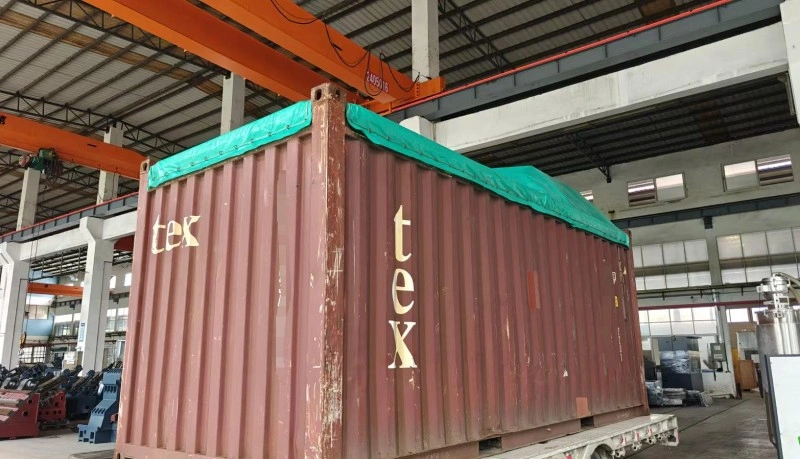
How to Reduce Downtime During Factory Relocation
The downtime during actual production factory relocation is not the same as the total project duration. Strategic phasing and preparation can help to maintain critical operations for longer.
| Downtime Reduction Method | How It Helps |
| Phased Relocation | Keeps part of production running while equipment moves in stages |
| Priority Equipment Planning | Moves critical machines at the right time |
| Buffer Inventory | Supports customer orders during shutdown |
| Destination Readiness | Allows immediate installation after delivery |
| Clear Labeling | Speeds up reconnection and installation |
Common Timeline Planning Mistakes to Avoid
By avoiding these common mistakes, you can ensure that your factory relocation project goes smoothly and on schedule.
| Mistake | Why It Causes Delay | Better Practice |
| Only Counting Transport Time | Dismantling, packing, installation ignored | Build a full project timeline |
| Skipping Site Survey | Access problems appear during execution | Survey origin and destination early |
| Underestimating Dismantling | Utility and component work takes longer | Plan technician time and labeling |
| No Permit Buffer | Oversized cargo may not depart on schedule | Check permits early |
| Destination Not Ready | Equipment arrives before installation area prepared | Confirm foundation and utilities before delivery |
Factory Relocation Timeline Planning Checklist
Follow this practical list to create a planning checklist for relocating your factory to create your own factory relocation timeline planning checklist.
| Stage | Timeline Planning Checklist |
| Project Scope | Confirm equipment list, sites, production priorities, and completion target |
| Site Survey | Measure equipment, routes, loading areas, and destination readiness |
| Shutdown Planning | Decide whether relocation will be full shutdown, phased move, or parallel operation |
| Contractor Scheduling | Book dismantling, packing, lifting, transport, installation, and testing teams |
| Equipment Preparation | Plan utility isolation, labeling, component removal, and documentation |
| Packaging | Allocate time for crating, vacuum sealing, rust protection, and final inspection |
| Transport | Confirm vehicles, route, permits, port handling, customs, and ETA updates |
| Destination Setup | Prepare foundations, utilities, unloading zones, storage, and lifting equipment |
| Installation | Schedule positioning, reconnection, leveling, calibration, and trial operation |
| Contingency | Add buffer time for weather, access limits, permits, customs, and unexpected repairs |
Conclusion — A Reliable Factory Relocation Timeline Starts Before the Move
An accurate factory relocation timeline becomes apparent when the full process, from survey to resuming production, is plotted with hard data not assumptions. Companies can minimize risks and get operations up and running with greater confidence by having equipment needs addressed early, origin and destination sites prepared, critical machinery sequenced properly, enough time set aside for professional packaging and permits, and enough windows for installation, calibration, and testing.
The careful planning of a factory move, from how to manage OOG to whether the move can be handled with specialized rigging to ensuring production continuity, all contributes to smoother transition and better long-term results for industrial operations.