
Items on flat racks carrying expensive industrial equipment are exposed to the elements of rain, humidity, salt air, sea spray and temperature fluctuations during transport, making them vulnerable to corrosion during transit to the destination compared with the enclosed container. When loading industrial equipment on flat racks, shippers need to build up several layers of protection against corrosion: surface preparation, anti-rust treatments, moisture control, load covering and careful load planning.
Packaging is not the only aspect of corrosion prevention during flat racks; it is a shipping risk management process that links cargo condition, exposure level, route environment, protective material, loading practice and inspection record. Many shipments come with a basic waterproof cover, but improperly sealed, moisture trapped inside, condensation or torn or damaged tarps can result in hidden rust which only becomes apparent weeks after the shipment arrives. For high-value machinery, molds, pumps, compressors, transformers, and skid-mounted equipment, protecting cargo on flat rack containers requires thoughtful, multi-layer corrosion prevention rather than relying on a single solution.
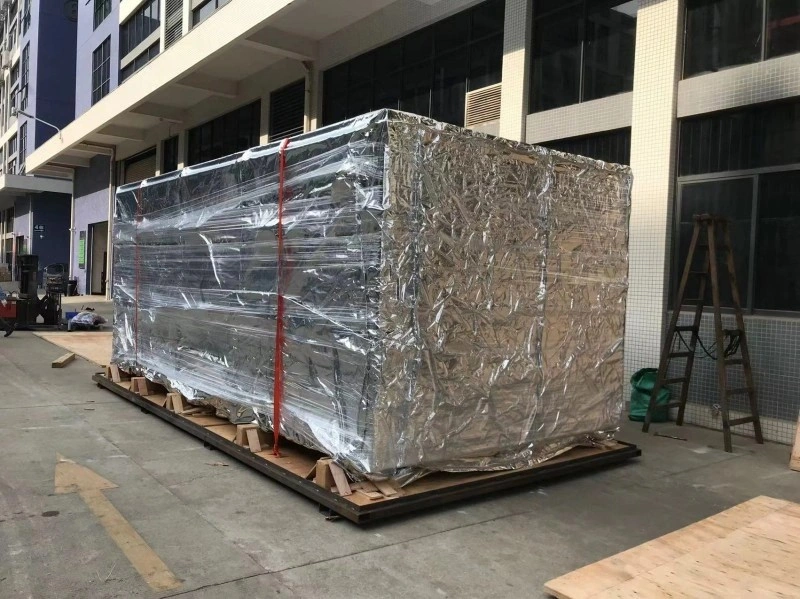
Why Corrosion Risk Is Higher During Flat Rack Shipping
Unlike standard container shipping, the flat rack cargo is exposed to the elements during road transport, port staging, ocean transportation and delivery. This direct exposure greatly increases the likelihood of rust on structural steel, electrical components and machined surfaces.
| Corrosion Risk Factor | How It Affects Industrial Equipment |
| Salt air | Accelerates rust on exposed steel and machined surfaces |
| Rain and sea spray | Creates direct moisture contact and surface staining |
| Humidity | Increases condensation and hidden corrosion risk |
| Temperature changes | May create moisture inside covers or packaging |
| Long transit time | Extends exposure to corrosive conditions |
| Outdoor port storage | Increases weather exposure before vessel loading |
| Damaged covers | Allows water entry and uneven protection |
| Poor drainage | Traps water against cargo surfaces |
These risks are all around us at Bentlee, as we deal with oversized project cargo every day. The only assured method to ensure equipment is in as-new condition when it arrives is early planning.
Which Industrial Equipment Needs Stronger Corrosion Protection?
All industrial equipment is not equally hazardous. It is much more important to pay attention to precision components, or items with machined surfaces that will be exposed, than to painted structural steel.
| Equipment Type | Corrosion-Sensitive Areas | Protection Priority |
| Precision machinery | Machined surfaces, guide rails, shafts | Anti-rust coating and sealed protection |
| Pumps and compressors | Flanges, couplings, motors, casing | Sealing, VCI, and waterproof covering |
| Injection molds | Mold cavities, polished surfaces, cooling channels | Anti-rust oil and moisture control |
| Transformers | External fittings, electrical cabinets, metal casing | Waterproofing and humidity control |
| Construction equipment | Hydraulic cylinders, pins, exposed steel | Covers and surface protection |
| Mining equipment | Large steel frames and moving parts | Anti-rust treatment and drainage |
| Skid-mounted equipment | Base frame, valves, panels, piping | Protective covers and sealed openings |
| Steel structures | Coated or bare steel edges | Coating protection and edge sealing |
When selecting the level of protection, the type of equipment is matched to minimize the cost of unnecessary over protection, while preventing under protection and consequent damage.
Surface Preparation Before Anti-Corrosion Protection
Even the best protection systems are ineffective when used on dirty, damp or corroded surfaces. Proper preparation is essential to successful corrosion control.
| Preparation Step | Why It Matters | Practical Note |
| Clean the surface | Dirt or residue can trap moisture | Clean before applying anti-rust oil or film |
| Dry the cargo | Moisture under packaging can cause hidden rust | Use compressed air or drying agents |
| Inspect before sealing covers | Check existing rust | Existing corrosion may worsen during transit |
| Protect machined areas | Precision surfaces are more sensitive | Use anti-rust oil, VCI, or sealed wrapping |
| Seal openings | Prevents moisture or contamination entry | Use caps, plugs, or sealed covers |
| Document condition | Supports quality and insurance records | Take photos before and after protection |
We always ask factory teams to fill in and photograph this stage prior to our loading team.
Common Anti-Corrosion Methods for Flat Rack Cargo
Protection is almost always multilayered and relies on several materials playing a role rather than on one material solely.
| Protection Method | Best Used For | Main Benefit |
| Anti-rust oil | Machined steel surfaces, molds, shafts | Creates direct surface protection |
| VCI film | Metal parts and machinery surfaces | Helps reduce corrosion inside enclosed space |
| Waterproof cover | Large exposed machinery | Reduces rain and sea spray exposure |
| Shrink wrapping | Medium-size equipment or bundled parts | Limits dust and moisture contact |
| Vacuum packing | Precision machinery or sensitive components | Stronger moisture isolation |
| Desiccants | Sealed packaging environments | Absorbs moisture inside packaging |
| Moisture indicators | Long-haul or high-value cargo | Helps monitor humidity exposure |
| Caps and plugs | Flanges, ports, pipe openings | Prevents water and contamination entry |
| Wooden crate | Sensitive or high-value components | Adds impact and weather protection |
Selection of the combination will depend on the sensitivity of the equipment, route and transit time.
Waterproof Covers, Tarpaulins, and Sealing Details
Waterproof covers are the first line of defense and will only be effective if chosen correctly, fitted correctly and maintained correctly.
| Covering Detail | Risk If Ignored | Recommended Practice |
| Loose cover | Wind damage or water entry | Secure tightly with proper fastening |
| Poor drainage | Water pooling and cover collapse | Create slope and drainage paths |
| Sharp edges | Cover tearing during transit | Use padding and edge protection |
| Weak material | Cover failure in wind or rain | Use reinforced waterproof material |
| No moisture control | Condensation under cover | Add desiccants or ventilation where suitable |
| Poor sealing | Rain or sea spray entry | Seal overlap areas and exposed openings |
It is important to have proper slope, edge protection, and secure fastening for a successful voyage versus costly rework at the discharge port.
VCI, Desiccants, and Vacuum Packing for High-Value Equipment
Controlled-atmosphere methods are more effective for highly valued or precision machinery parts.
| Method | Suitable Cargo | Important Limitation |
| VCI film | Metal machinery, molds, spare parts | Needs reasonably enclosed space to work effectively |
| Desiccants | Sealed packaging with moisture risk | Capacity must match package size and transit time |
| Vacuum packing | Precision equipment or long-haul shipments | Requires proper sealing and careful handling |
| Moisture indicators | High-value or sensitive cargo | Monitors exposure but does not prevent moisture alone |
| Combined protection | High-risk ocean shipments | Must be planned to avoid trapped moisture |
Before applying any sealed system be sure cargo is dry.
How Load Planning Affects Corrosion Protection
Even the most well-designed protection can be compromised if load planning does not take into account drainage, lashing routes or contact points.
| Load Planning Issue | Corrosion Protection Impact | Better Practice |
| Lashing over cover edges | Cover tearing and water entry | Add edge protection and plan lashing routes |
| Poor drainage under cargo | Trapped water and hidden rust | Use supports that allow drainage |
| Wet wooden bedding | Moisture transfer to metal surfaces | Use dry, treated bedding materials |
| Metal-to-metal contact | Surface abrasion and coating damage | Add padding or protective barriers |
| Covered inspection points | Hard to check damage before departure | Leave inspection access where possible |
Corrosion protection requirements can be incorporated into 3D load planning at Bentlee, so they do not conflict.
Inspection Checklist Before Loading and Before Departure
A well managed final inspection avoids the latter day surprises.
| Checklist Item | Responsible Party | Why It Matters |
| Clean and dry cargo | Packing team | Prevents moisture from being sealed inside |
| Check existing rust | QC / logistics team | Documents pre-shipment condition |
| Apply anti-rust protection | Packing team | Protects exposed metal surfaces |
| Seal openings | Equipment supplier | Prevents water and contamination entry |
| Add VCI/desiccants | Packing team | Controls corrosion and humidity risk |
| Fit waterproof cover | Packing team | Reduces rain and sea spray exposure |
| Protect edges | Loading team | Prevents cover and film damage |
| Review lashing routes | Securing team | Avoids tearing protection during securing |
| Check drainage | Logistics supervisor | Prevents trapped water |
| Take final photos | Logistics coordinator | Supports records and communication |
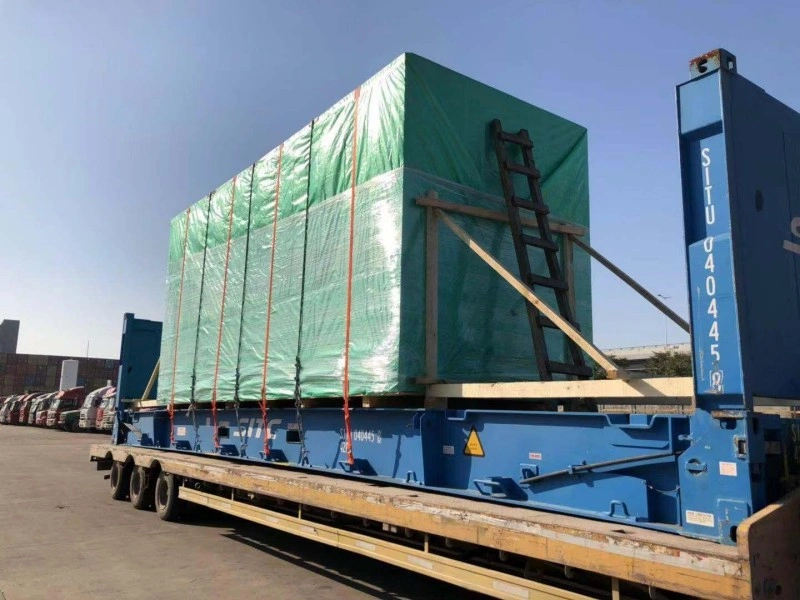
Corrosion Protection by Route, Season, and Transit Time
The degree of protection should be proportionate to the level of exposure risk.
| Shipping Condition | Higher Corrosion Risk | Suggested Protection Level |
| Short domestic transport | Rain and road exposure | Waterproof cover and basic surface protection |
| Long ocean shipment | Salt air, humidity, sea spray | Anti-rust, VCI, sealed cover, moisture control |
| Tropical route | High humidity and condensation | Desiccants, sealed packaging, corrosion inhibitors |
| Rainy season | Direct water exposure | Reinforced waterproof cover and drainage planning |
| Winter route | Condensation during temperature changes | Moisture control and inspection buffer |
| Port storage delay | Extended outdoor exposure | Stronger cover, inspection, and schedule monitoring |
| High-value equipment | Financial and operational risk | Layered protection and detailed documentation |
Cost Considerations: Protection Cost vs Damage Risk
Spending a little for the right protection is almost always far less expensive than the cost of rust damage, project delays or replacement.
| Cost Factor | Why It Should Be Considered |
| Cargo value | High-value equipment justifies stronger protection |
| Repair cost | Rust damage may require cleaning, machining, repainting, or replacement |
| Project delay | Damaged equipment can delay installation or commissioning |
| Transit duration | Longer exposure increases corrosion risk |
| Route environment | Humid or ocean routes need stronger protection |
| Insurance requirements | Documentation and reasonable protection may support claims |
| Protection materials | Cost should be matched to risk level |
Common Mistakes to Avoid
| Mistake | Possible Consequence | Better Practice |
| Using only a thin cover | Water entry and tearing | Use reinforced waterproof protection |
| Sealing wet cargo | Hidden rust inside packaging | Clean and dry before packing |
| Ignoring machined surfaces | Precision surface corrosion | Apply anti-rust oil or VCI protection |
| Not sealing openings | Water or dust enters equipment | Use caps, plugs, or sealed covers |
| Poor lashing route | Cover or film damage | Plan lashing before final covering |
| No final photos | Hard to verify condition later | Document before and after protection |
Conclusion — Corrosion Protection Should Be Planned Before Flat Rack Loading
Although flat rack shipping is one of the most cost efficient methods for transporting large industrial machinery, it is also an open area that needs to be taken seriously for corrosion issues. The most effective shipments start with clean, dry cargo and include targeted anti-rust treatment, moisture control, high quality waterproof covering, sealed openings and careful inspection prior to shipping.
Protection methods can be matched to the type of equipment, route, season and transit time, and can also be combined with professional load planning and lashing, dramatically decreasing the risk of expensive surprises when the exporter arrives at the destination. Our OOG experts have streamlined these processes through hundreds of heavy equipment and project cargo shipments at Bentlee. If you consider corrosion protection to be part of your transport plan, you can be sure that the valuable equipment you’re transporting will be ready for use as soon as it arrives at its destination.