
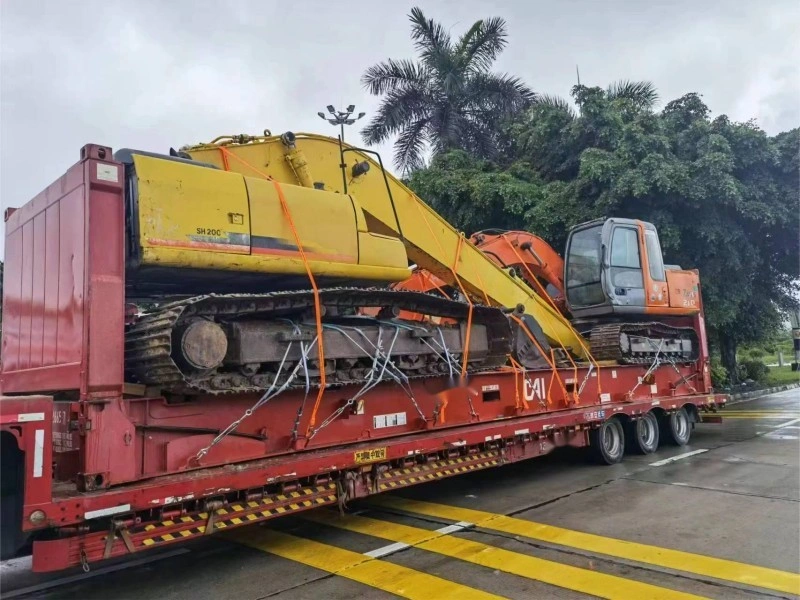
Flat rack cargo handling training helps loading and unloading crews learn how to handle heavy, oversized and irregular cargo which is not protected by the sides of a standard container. This specialized training concentrates on cargo measurement, lashing points, awareness of center of gravity, precise positioning, secure lashing, surface protection, clear communication and thorough inspection, all of which directly reduce the risk of preventable cargo damage at the factory, port, during ocean voyage preparation and unloading at the destination.
Any business that ships heavy equipment, such as transformers, steel structures, tanks, or modular equipment, must consider proper flat rack cargo handling not only as a safety precaution, but also an essential operational control which guards against high dollar equipment damage, schedule delays and insurance claims. Over our years of supporting OOG projects we have observed that most of the damage to a flat rack comes from ground or on lift, not at sea. Most of these costly incidents can be avoided by investing in the training of staff before cargo arrives at the loading site.
Why Flat Rack Cargo Handling Training Matters
Flat rack cargo handling training is important because cargo is completely visible on an open platform with each handling step being as vulnerable as with the enclosed containers. Uncoordinated procedures with large parts, heavy parts, non-standard shapes and vulnerable parts are often performed in an ad hoc manner by inexperienced teams and are therefore very costly.
For heavy machinery, tanks, transformers, molds, and other OOG cargo, following flat rack cargo handling best practices helps loading teams reduce avoidable impact, lashing, surface, and unloading damage risks.
| Handling Risk Factor | Why Training Matters |
| Oversized dimensions | Teams must understand clearance, overhang, and lifting space |
| Heavy weight | Requires correct crane, rigging, and support planning |
| Irregular shape | Needs careful positioning and custom securing |
| High center of gravity | Increases tipping risk during lifting and movement |
| Exposed cargo | Requires surface, weather, and impact protection |
| Protruding components | Must be protected from impact and incorrect lashing |
| Multiple handling stages | Requires consistent procedures from factory to destination |
| Team coordination | Reduces miscommunication between crane, rigging, and securing teams |
Common Damage Risks During Loading and Unloading
When teams are aware of where the risks lie and use effective controls, many flat rack cargo damages can be prevented. The most critical times are typically when a lift is being made for the first time, when a load is being positioned on the flat rack deck, during lashing, and at the final destination when the load is being unloaded.
| Damage Risk | Common Cause | Training Focus |
| Impact damage | Poor lifting path or low clearance | Plan lifting route before operation |
| Frame deformation | Wrong lifting points or uneven support | Verify lifting points and support structure |
| Surface scratches | Direct chain or metal contact | Use padding and edge protection |
| Cargo shifting | Poor positioning or lack of temporary restraint | Control cargo movement during placement |
| Deck contact damage | Uneven bedding or sharp contact points | Prepare support and bedding materials |
| Fragile component damage | Lashing over valves, panels, or fittings | Secure from structural points only |
| Cover tearing | Sharp edges or poor fastening | Use edge protection and reinforced covers |
| Destination damage | Unloading team lacks cargo plan | Share loading plan and handling instructions |
Training Teams to Read Cargo Information Before Handling
All flat rack cargo handling is done safely, and starts with a review of the cargo data, NOT the crane hook. Teams that begin blind, whether they be due to dimension, weight or limitation, make unnecessary errors which add up to damage to equipment or delays in shipment.
| Cargo Information | Why Handling Teams Need It |
| Final dimensions | Helps plan clearance, overhang, and loading space |
| Gross weight | Determines crane, rigging, and support requirements |
| Center of gravity | Supports safe lifting and positioning |
| Lifting points | Prevents frame distortion and unsafe lifting |
| Base contact points | Helps place bedding and load-spreading materials |
| Fragile areas | Prevents damage to panels, valves, gauges, and coatings |
| Protruding parts | Reduces collision and lashing interference |
| Lashing restrictions | Prevents securing from weak or sensitive points |
| Cargo photos/drawings | Gives teams a visual reference before handling |
Lifting and Crane Operation Training for Flat Rack Cargo
Lifting is still one of the most hazardous phases of flat racks. Training is important to ensure the correct lift, that all teams have appropriate marks and that they operate with control.
| Training Area | What Teams Should Learn | Why It Matters |
| Crane capacity | Match crane to cargo weight and radius | Prevents unsafe lifting |
| Rigging plan | Select suitable slings, shackles, and spreader beams | Reduces lifting stress |
| Lifting points | Use approved structural points | Prevents cargo deformation |
| Sling angle | Avoid excessive side load | Protects cargo and rigging equipment |
| Signal communication | Use clear, agreed commands | Prevents movement errors |
| Exclusion zone | Keep non-essential people away | Improves site safety |
| Controlled movement | Avoid sudden swing or impact | Reduces cargo damage |
| Post-lift inspection | Check cargo condition after placement | Finds damage before securing continues |
Training for Load Positioning on Flat Rack Containers
When positioning the load on the flat rick deck the effect on stability during sea voyage, lashing effectiveness and safe unloading is directly connected to the correct load positioning. Teams should not be “eyeballing” positioning, it should only be deliberate positioning that is planned in accordance with the approved plan.
| Load Positioning Skill | Risk If Not Trained | Correct Practice |
| Following the load plan | Incorrect placement and securing conflict | Use approved drawings or 3D plan |
| Centering cargo | Uneven balance or handling issue | Position based on COG and support points |
| Managing overhang | Carrier rejection or cargo stress | Confirm overhang before final placement |
| Supporting contact points | Deck or cargo base damage | Use bedding, plates, or support frames |
| Maintaining lashing access | Weak securing layout | Check anchor access before final placement |
| Protecting protrusions | Impact damage | Leave clearance and add protection |
| Final position check | Rework after lashing | Confirm position before securing |
Training for Lashing, Blocking, and Bracing
The flat rack lashing is an effective lashing based on engineering, not on the spot. Training helps teams to understand how load forces work and the correct combination of chain, webbing, blocking and bracing.
| Securing Skill | What Teams Should Know | Common Mistake to Avoid |
| Chain lashing | Use rated chains on structural points | Direct contact with fragile surfaces |
| Webbing belts | Use for suitable sensitive surfaces | Using unrated belts for heavy cargo |
| Lashing angle | Maintain effective restraint direction | Lashing too vertical or too shallow |
| Blocking | Prevent forward/rear movement | Weak or loose blocking materials |
| Bracing | Control lateral movement | Pressing against fragile panels |
| Anti-slip mats | Improve friction under cargo base | Using on dirty or oily surfaces |
| Edge protection | Protect cargo and lashing equipment | Letting chains cut into covers or coatings |
| Tension check | Confirm after cargo settles | Assuming first tensioning is enough |
Surface and Component Protection Training
Movement prevention is not the only concern to protect sensitive components and the surface of the cargo. Vodges may end up as warranty and insurance problems due to scratches, dents, or moisture damage.
| Cargo Area | Damage Risk | Protection Training Point |
| Painted surfaces | Scratches or coating damage | Use padding and soft contact materials |
| Machined surfaces | Scratches, dents, or corrosion | Cover and avoid direct contact |
| Hydraulic cylinders | Surface scoring or impact | Protect rods and avoid chain contact |
| Valves and gauges | Breakage from impact or lashing | Mark as no-lashing areas |
| Control panels | Impact or moisture damage | Cover and protect from pressure |
| Sharp edges | Cover or lashing damage | Install edge protection |
| Cargo covers | Tearing during securing | Plan lashing routes and protect contact points |
Communication and Role Assignment During Loading Operations
Multiple teams are working at the same time for flat rack operations. There is no confusion about the role and communication so there are no errors.
| Role | Main Responsibility During Handling |
| Loading supervisor | Coordinates the full operation and approves final steps |
| Crane operator | Performs controlled lifting and placement |
| Rigger | Connects lifting gear and verifies lifting points |
| Signal person | Gives clear movement instructions |
| Lashing team | Secures cargo according to the plan |
| Safety observer | Watches for unsafe movement, clearance, or personnel risk |
| Logistics coordinator | Confirms documentation, photos, and transport schedule |
| Quality/inspection staff | Checks cargo condition before and after loading |
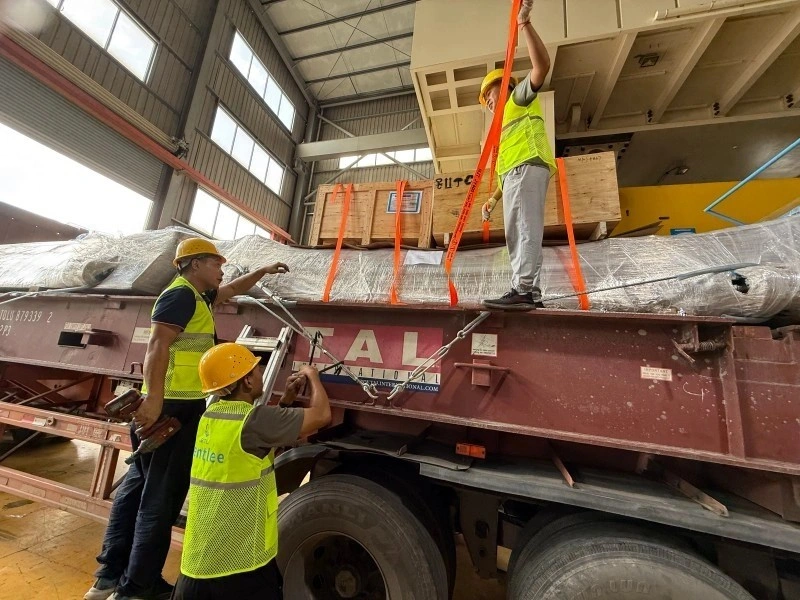
Training for Unloading at Destination
The unloading must match the level of attention given to loading. When the information is done correctly and the process is the same for destination teams, there’s no last-mile damage that can catch the shipper off guard.
| Unloading Step | Damage Risk | Better Practice |
| Reviewing loading records | Destination team misunderstands cargo layout | Share photos and instructions before arrival |
| Removing lashings | Cargo shifts unexpectedly | Remove restraints in controlled sequence |
| Rechecking lifting points | Wrong lifting method damages cargo | Confirm approved lifting points |
| Crane unloading | Impact or swinging | Use controlled lifting and signal communication |
| Surface inspection | Hidden damage missed | Inspect before and after unloading |
| Damage recording | Disputes or delayed claims | Document immediately with photos |
Training Documentation and Standard Operating Procedures
With cargo handling training on the flat rack, repeatable results are obtained by documenting the work, not on an individual memory.
| Document or Record | Why It Helps |
| Handling SOP | Creates consistent loading and unloading procedures |
| Pre-loading checklist | Ensures key steps are not missed |
| Lifting plan | Reduces crane and rigging errors |
| Lashing plan | Guides correct securing method |
| Cargo drawings/photos | Helps teams understand shape and risk areas |
| Risk assessment | Identifies hazards before operation |
| Toolbox meeting record | Confirms team briefing |
| Inspection checklist | Documents cargo and securing condition |
| Final photo record | Supports communication and risk management |
| Incident review | Improves future handling procedures |
Common Training Gaps That Lead to Cargo Damage
Identifying common weaknesses can help companies enhance their programs in advance of problems.
| Training Gap | Possible Consequence | Better Practice |
| No pre-loading briefing | Miscommunication during handling | Hold toolbox meeting before operation |
| No COG review | Unstable lifting or positioning | Confirm COG before lifting |
| Wrong lifting points | Frame deformation or cargo damage | Use approved lifting points |
| Poor lashing knowledge | Cargo movement or surface damage | Train on lashing angles and anchor points |
| No edge protection | Scratches, cover tearing, or lashing damage | Use padding and edge protectors |
| No unloading plan | Cargo shifts or is damaged at destination | Share unloading instructions and photos |
| No documentation | Hard to review responsibility or claims | Record photos and checklists |
How to Build an Effective Flat Rack Cargo Handling Training Program
A quality program offers both classroom instruction and practical experience with actual projects, plus project supervision.
| Training Module | Key Learning Outcome |
| Flat rack basics | Understand container structure, deck, and lashing points |
| Cargo data review | Identify dimensions, weight, COG, and risk areas |
| Lifting safety | Use proper lifting points and crane coordination |
| Load positioning | Place cargo according to stability and support needs |
| Securing methods | Apply lashing, blocking, bracing, and anti-slip controls |
| Cargo protection | Prevent surface, moisture, and impact damage |
| Communication | Improve coordination between operators and supervisors |
| Inspection | Verify cargo condition before and after handling |
| Documentation | Keep loading records and photos |
| Incident review | Improve future handling based on lessons learned |
Conclusion — Trained Handling Teams Reduce Avoidable Flat Rack Cargo Damage
Most cargo damage to flat rack is not at sea, but during loading, lifting, positioning and securing and unloading. A well-designed flat rack cargo handling training programme provides teams with knowledge and processes in place to detect hazards early and implement appropriate controls.
Companies reduce the risk of expensive repairs, delays, and disputes by addressing cargo information review, lifting techniques, load positioning, lashing and bracing, surface protection, communication, and appropriate documentation. With any large equipment or expensive project, training using SOPs, checklists and photographs is a vital component to a successful flat rack container shipment.