
Projects
Optimizing the cost of a flat rack container project is more than just finding the cheapest ocean freight. Each flat rack shipment is a large, heavy or irregular piece of cargo that needs to be planned in all respects, including size, weight, equipment, securing and route coordination. The actual savings are achieved by minimizing uncertainty early, through the accurate data on cargo, the right flat rack, the best positioning of cargo, and realistic scheduling, without sacrificing safety or compliance.
Many shippers only consider the base freight rate and then have to deal with hidden expenses related to rework, delays, bookings that are rejected, and/or cargo damage. In contrast, cost-efficient flat rack container projects start with precise measurements, suitable equipment, and proactive coordination. This approach minimizes avoidable expenses in OOG cargo shipping while ensuring reliable delivery for heavy machinery, steel structures, tanks, and other project cargo.
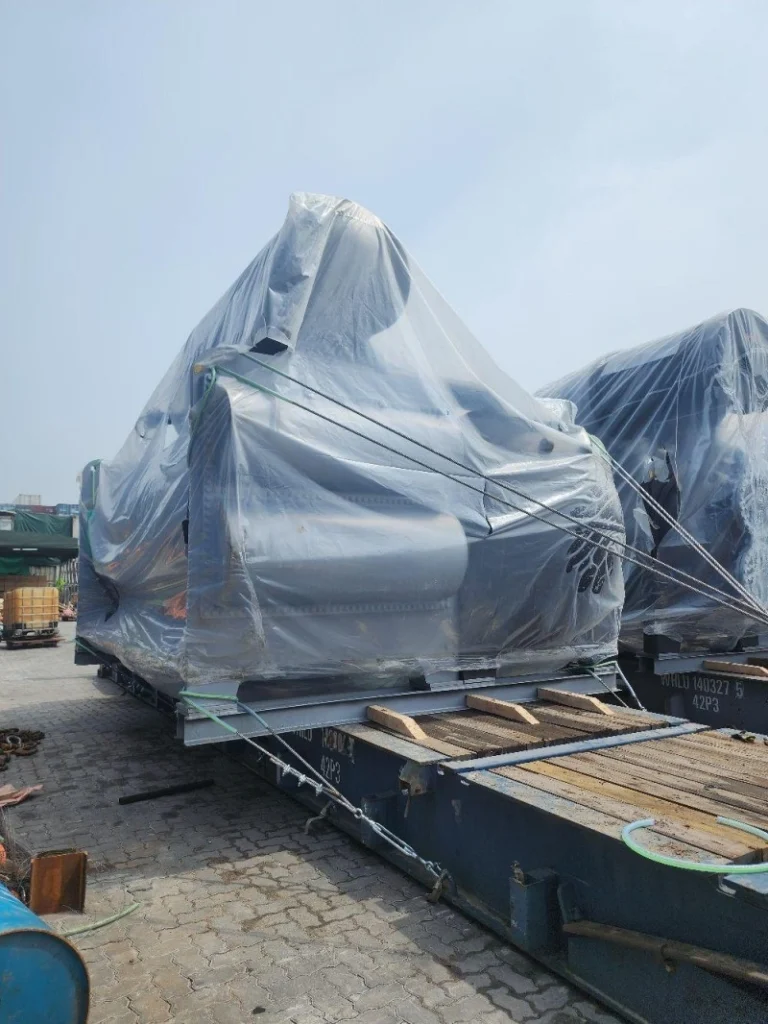
What Drives the Cost of Flat Rack Container Projects?
The project costs of flat racks involve obvious freight costs and many easy-to-miss operational considerations. When logistics and procurement experts know what factors to consider, they can create more effective budgets and be better prepared for unexpected issues.
| Cost Driver | How It Affects the Project |
| Cargo dimensions | Oversized length, width, or height may require OOG booking and route review |
| Cargo weight | Heavier cargo may need stronger lifting, support, and transport equipment |
| Overhang | Excessive overhang can limit carrier options and increase cost |
| Flat rack availability | Limited equipment supply may affect price and lead time |
| Route | Port options, vessel availability, and inland distance affect total cost |
| Crane handling | Heavy or irregular cargo may require special loading equipment |
| Lashing materials | Complex cargo needs stronger securing design and labor |
| Cargo protection | Covers, anti-rust treatment, or vacuum packing add cost but reduce risk |
| Documentation | Missing or incorrect documents can create delays and rework |
| Schedule urgency | Last-minute booking often reduces options and increases cost |
Start with Accurate Cargo Data to Avoid Costly Rework
One of the main causes of under or over budget flat rack shipment is inaccurate or incomplete cargo information. Accurate final information in the early bookings process avoids on-site adjustments, carrier rejections and revision bookings.
| Cargo Data | Cost Risk If Missing or Wrong | Better Practice |
| Final dimensions | Booking revision, carrier rejection, extra charges | Measure final packed cargo before quoting |
| Gross weight | Wrong equipment or unsafe lifting plan | Confirm actual weight, not estimated weight |
| Center of gravity | Poor load positioning or securing rework | Request COG details from manufacturer |
| Lifting points | Crane delay or unsafe loading | Provide lifting drawings before operation |
| Base contact points | Deck pressure problems | Share base frame drawings or photos |
| Cargo photos | Hidden protrusions may be missed | Provide recent photos from multiple angles |
| Packaging method | Final size may change after protection | Confirm packaging before final quotation |
Choose the Right Flat Rack Type Instead of Overspending on the Wrong Equipment
The right flat rack can significantly affect cost and smoothness of operations. The wrong type can result in rebooking, rehandling or compromising safety.
| Flat Rack Selection Factor | Cost Optimization Value |
| 20FR vs 40FR | Avoids paying for unnecessary space or using undersized equipment |
| Fixed-end vs collapsible | Matches cargo length and handling requirements |
| Payload capacity | Prevents unsafe loading or equipment rejection |
| Deck strength | Reduces risk of support rework or damage |
| Lashing point layout | Avoids inefficient or unsafe securing plans |
| Route availability | Reduces delay caused by unavailable equipment |
| Carrier acceptance | Prevents last-minute booking changes |
| Cargo overhang | Helps avoid excessive OOG charges or route restrictions |
Optimize Load Positioning to Reduce Risk and Handling Cost
Proper load positioning improves stability, simplifies lashing, and helps carriers accept the shipment more readily. Poor placement frequently triggers extra labor, rework, or even refusal at the loading port.
| Load Planning Decision | Possible Cost Impact |
| Correct cargo position | Reduces lashing rework and handling delays |
| Balanced weight distribution | Helps avoid unsafe loading and deck stress |
| Controlled overhang | Improves carrier acceptance and route feasibility |
| Proper support placement | Reduces cargo base damage and repair cost |
| Accessible lashing points | Saves securing time and improves safety |
| 3D load simulation | Reduces loading uncertainty for complex cargo |
| Pre-approved load plan | Helps loading teams work faster and with fewer errors |
Plan Lashing, Blocking, and Bracing Early
Lashing is not just a line item cost; it is the core of cargo safety in sea & inland transportation. When the securing method is planned ahead, it allows for no last minute fabrications and rework at the terminal.
| Securing Item | Why It Affects Cost | Cost-Smart Approach |
| Chain lashing | Heavy cargo needs rated restraints | Use appropriate rated equipment |
| Webbing belts | Sensitive surfaces may need softer restraint | Match belt use to cargo surface and weight |
| Blocking and bracing | Prevents movement but requires materials and labor | Design before loading to avoid rework |
| Anti-slip mats | Improves friction and stability | Use where they reduce lashing complexity safely |
| Edge protection | Prevents cargo and lashing damage | Small cost can avoid expensive surface damage |
| Custom supports | Needed for irregular or cylindrical cargo | Plan early to avoid urgent fabrication |
Reduce Packaging and Protection Costs Without Under-Protecting Cargo
Protective measures are commensurate with the true hazards of the trip, season and cargo. Overpacking is a money waster and under protection risk of corrosion, scratches or claims.
| Protection Option | When It May Be Cost-Effective | When It May Be Insufficient |
| Waterproof cover | Large machinery exposed to rain or sea spray | Not enough for moisture-sensitive precision parts |
| Anti-rust oil | Machined surfaces and exposed steel | Not enough if cargo is exposed to trapped moisture |
| VCI film | Metal parts in enclosed protection | Less effective if not properly sealed |
| Desiccants | Sealed packaging for humidity control | Not useful if cover is open or damaged |
| Partial wooden crating | Fragile components on large equipment | Not enough for fully sensitive cargo |
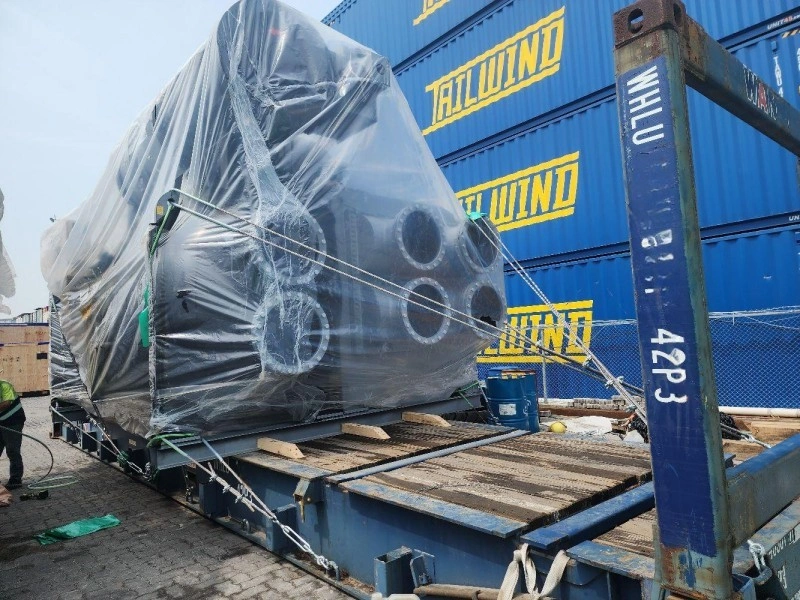
Optimize Route and Port Selection
The overall project cost can also be affected by route and port considerations, rather than just the ocean freight rate. Factors influence such as equipment availabilities, handling capabilities, and inland restrictions are all important.
| Route Decision | Cost Impact |
| Choosing a closer port | May reduce inland trucking cost |
| Choosing an OOG-capable port | Reduces handling risk and delays |
| Avoiding difficult transshipment | Reduces extra handling and exposure |
| Checking flat rack availability | Prevents waiting time and urgent rerouting |
| Reviewing road restrictions | Avoids permit delays and route changes |
Use Early Booking to Improve Equipment Availability and Schedule Control
Prior bookings of flat racks enable the carriers to check their OOG commitments and make the necessary arrangements for the equipment to be used on the routes, particularly if there is a shortage of equipment on those routes.
| Booking Timing Factor | Why Early Planning Helps |
| Flat rack availability | More time to secure suitable equipment |
| Carrier review | Allows approval of OOG dimensions and load plan |
| Lashing preparation | Materials and labor can be arranged properly |
| Route planning | Permits and road restrictions can be reviewed |
| Vessel cut-off | Reduces missed sailing risk |
Compare Quotations by Total Project Cost, Not Just Freight Rate
All the lowest quotes might not be the best one if hidden charges are discovered later. Always ask for a detailed breakdown of all the project components.
| Quote Item | Why It Should Be Checked |
| Ocean freight | Base cost, but not the full project cost |
| Flat rack surcharge | May vary by route and equipment availability |
| OOG charges | Depends on overhang and carrier acceptance |
| Inland trucking | Can be significant for oversized cargo |
| Crane handling | Often required for heavy or irregular machinery |
| Lashing and securing | Essential for safety and carrier approval |
| Permits/escorts | Required for some oversized inland movements |
When Cost Cutting Creates Higher Risk
Some of the apparent savings end up resulting in much higher downstream costs due to damage, delays or compliance problems. Real optimization involves a trade-off between cost and risk management.
| Cost Cutting Decision | Possible Hidden Cost |
| Weak lashing | Cargo movement, damage, or carrier rejection |
| No blocking/bracing | Sliding or shifting during transport |
| Poor corrosion protection | Rust, repair, repainting, or project delay |
| Wrong flat rack type | Rebooking, reloading, or unsafe transport |
| No route review | Permit issues or delivery delays |
Pre-Shipment Cost Optimization Checklist
To get accurate quotes and execute the job without hassles use this practical check list before you ask for or accept a quotation.
| Checklist Item | Responsible Party | Cost Optimization Value |
| Confirm final dimensions | Shipper / manufacturer | Reduces booking errors and extra charges |
| Confirm gross weight | Engineering / logistics team | Supports correct equipment and lifting plan |
| Provide drawings/photos | Shipper | Improves quote accuracy |
| Identify COG | Manufacturer / engineer | Reduces load planning uncertainty |
| Plan securing | Lashing team | Avoids port rework and damage risk |
| Compare total cost | Procurement/logistics team | Prevents hidden-cost decisions |
Common Mistakes to Avoid in Flat Rack Project Cost Planning
Even veteran teams can get into these traps and result in an over-estimation of overall costs.
| Mistake | Possible Consequence | Better Practice |
| Comparing only freight rate | Hidden project costs appear later | Compare full logistics scope |
| Using estimated dimensions | Requote, rebooking, or carrier rejection | Measure final packed cargo |
| Booking too late | Higher cost and fewer carrier options | Start planning early |
| Ignoring inland cost | Total budget becomes inaccurate | Include pickup and delivery planning |
| Cutting securing cost | Cargo damage or shipment rejection | Use suitable lashing and bracing |
Conclusion — Cost Optimization Depends on Planning Quality
The cost of the flat rack container project is determined largely by how well the job is done in advance, and not by the last-minute negotiations. Well-coordinated cargo information, proper equipment selection, planning load, proper lashing and protection, and proper route coordination, all eliminate most preventable expenses.
Total landed cost – not just freight charges – is what shippers of oversized cargo and heavy equipment are looking to achieve, which leads to more predictable budgets and safer deliveries. As with most projects, the best cost saving approach in flat rack container projects is to focus on plan accuracy and managing risk rather than taking shortcuts.