
When it comes to crane selection for oversized industrial equipment, you must consider both the maximum capacity of the crane in comparison to the cargo weight listed, as well as the specific crane’s configuration and other factors. It requires careful analysis of actual lifting situations, such as maximum weight, center of gravity, points of lift, working radius, rigging configuration, site access, ground bearing capacity and exact position for loading and unloading equipment for transferring to or from the loading platform, such as lowbed trailers, flat rack containers or open top containers. Lack of planning here can result in instability, damage to cargo, delays or major safety incident during the loading of OOG cargo.
Most shippers think that higher-tonnage crane is automatically safe. In reality, as the radius increases, the longer the booms or adding rigging weight, the capacity will decline considerably. The right choice is seamlessly integrated into the entire heavy machinery crane selection and delivery process, helping to ensure successful, safe and efficient loading operations.
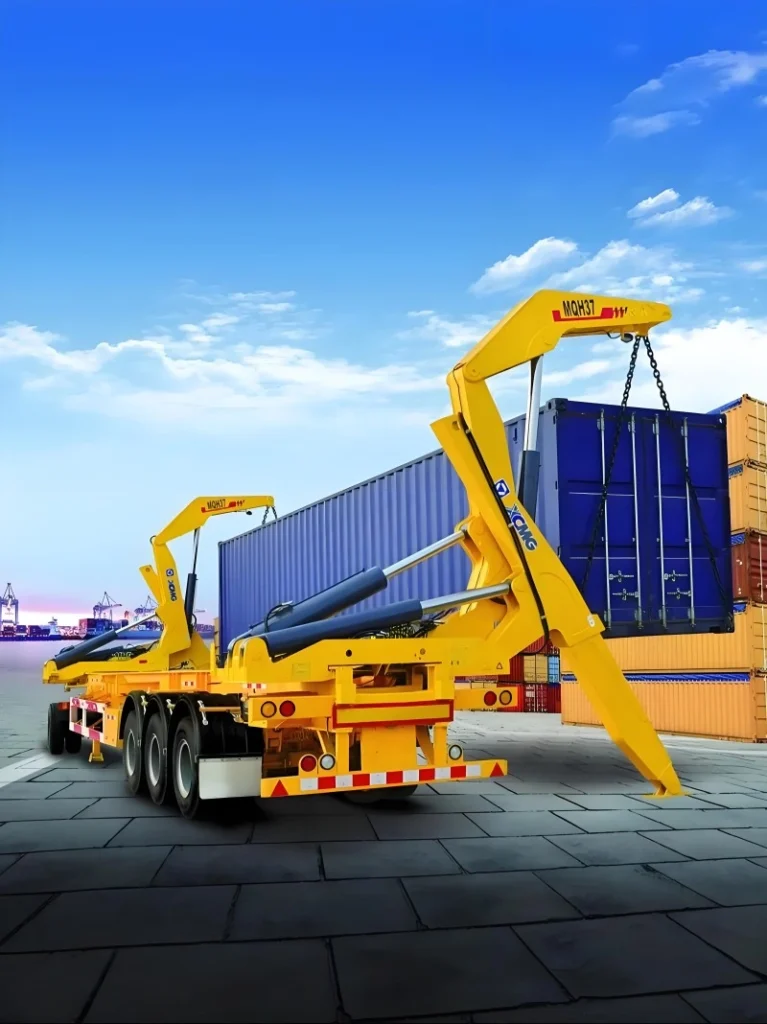
Why Crane Selection Matters in OOG Machinery Loading
The selection of a crane has a direct influence on the safe, efficient and successful loading of oversized machinery. Oversized industrial machinery is usually high-value, sensitive, heavy, irregularly shaped and a high-risk lift – one that must be compatible with the overall transport plan.
When loading by crane, and when the cargo needs to be measured and/or the crane planned, the trailer positioned and the cargo safely secured after loading, OOG loading solutions need to be created beforehand when the equipment arrives at the loading site. OOG loading solutions should be developed before the equipment reaches the loading site. This early coordination prevents common issues like equipment mismatch or schedule disruptions.
| Loading Challenge | Why Crane Selection Matters |
| Heavy Cargo Weight | Crane capacity must match the real lifting condition |
| Irregular Machinery Shape | Rigging and balance must be carefully reviewed |
| High Cargo Value | Poor lifting can cause expensive damage or delays |
| Limited Site Space | Crane type and positioning must fit the loading area |
| Center of Gravity | Incorrect balance can cause tilting during lifting |
| Trailer / Container Position | Crane must place cargo accurately onto the transport equipment |
| Ground Conditions | Weak ground can affect crane stability and safety |
| Weather Exposure | Wind and rain may affect lifting decisions |
| Schedule Pressure | Wrong crane selection may delay pickup, port loading, or delivery |
Key Factors That Determine Crane Selection
Choosing the right crane begins with having a look at the full lifting scenario, not just the specifications. All factors contribute to the usability or safe operation of over-sized machinery loading for the crane.
| Selection Factor | Why It Matters |
| Cargo Gross Weight | Defines the minimum load requirement |
| Rigging Weight | Must be added to the total lifting load |
| Center of Gravity | Affects balance, sling arrangement, and lifting stability |
| Lifting Points | Determines whether the cargo can be lifted safely |
| Working Radius | Crane capacity decreases as lifting radius increases |
| Lifting Height | Determines boom length and crane configuration |
| Ground Bearing Capacity | Ensures the crane can operate safely without ground failure |
| Site Access | Determines whether mobile, crawler, or truck crane can enter |
| Trailer / Container Height | Affects required lifting height and placement accuracy |
| Weather Conditions | Wind and rain may limit safe lifting operations |
| Safety Margin | Reduces risk caused by calculation error or site variation |
Common Crane Types Used for Oversized Machinery Loading
When it comes to oversized industrial machinery, various crane models are suitable for different applications depending on the conditions, load weight, and access. Select the right type to align equipment capabilities with the loading environment.
| Crane Type | Best Used For | Key Consideration |
| Mobile Crane | General factory or site loading | Flexible, but requires stable ground and access |
| Truck-Mounted Crane | Smaller or moderate lifts with road mobility | Capacity may be limited for very heavy cargo |
| Crawler Crane | Heavy lifts and rougher ground conditions | Requires setup space and transport arrangement |
| All-Terrain Crane | Sites with mixed road and off-road access | Useful for complex job sites |
| Rough-Terrain Crane | Construction or industrial sites with uneven ground | Less suitable for long road travel |
| Gantry Crane | Factory or warehouse loading | Limited to fixed or prepared lifting areas |
| Port Crane | Terminal loading and vessel operations | Depends on port equipment availability |
| Heavy-Lift Crane | Extremely heavy or complex machinery | Requires detailed engineering and advance booking |
Understanding Crane Capacity: Why Maximum Capacity Is Not Enough
Safe oversized machinery loading requires crane capacity to always be considered under the actual planned lifting conditions. The capacity listed in brochures is very often not attained in practice at the job site.
| Capacity Factor | Practical Meaning |
| Maximum Rated Capacity | The crane’s best-case capacity under specific conditions |
| Working Radius | Distance from crane center to load; longer radius reduces capacity |
| Boom Length | Longer boom may reduce lifting capacity |
| Counterweight | Affects crane stability and lifting performance |
| Outrigger Setup | Proper setup is required for safe capacity use |
| Rigging Weight | Slings, hooks, spreader beams, and shackles add to total load |
| Ground Support | Weak ground can reduce safe operating conditions |
| Wind Conditions | Wind may limit lifting of large-surface-area cargo |
| Load Chart Review | Confirms whether the crane can lift safely at the planned radius |
Center of Gravity and Lifting Point Review
When using oversized machinery, it is important to ensure that the center of gravity and lifting points are accurately determined to avoid machine tilting, swinging, or structural stresses.
| Review Item | Why It Matters |
| Center of Gravity | Determines how the cargo balances during lifting |
| Lifting Points | Confirms safe attachment locations for slings or hooks |
| Sling Angle | Affects lifting force and stress on cargo and rigging |
| Spreader Beam | Helps control load distribution and reduce side pressure |
| Uneven Weight Distribution | Can cause tilting, rotation, or instability |
| Manufacturer Marks | Provide useful guidance for approved lifting locations |
| Trial Lift | Helps confirm balance before full lifting movement |
| Cargo Structure | Weak points must not be used for lifting or support |
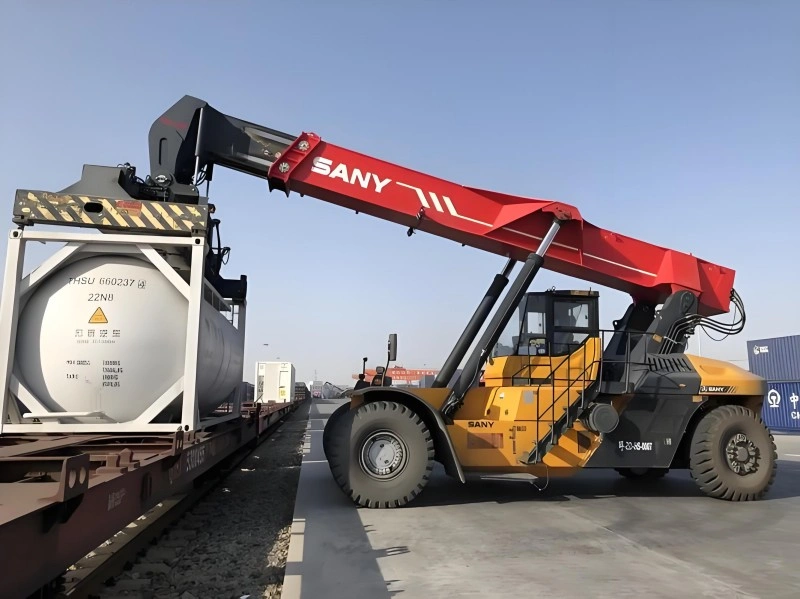
Site Conditions That Affect Crane Selection
On the surface the capacity calculations may seem to be favourable, but site specific factors may dictate which crane is practical. Failure to take care of them will make a crane, which may otherwise be suitable, unusable.
| Site Condition | Crane Planning Impact |
| Ground Bearing Capacity | Determines whether the crane can be safely supported |
| Setup Space | Affects crane type, boom position, and working radius |
| Access Road Width | Determines whether crane can enter the loading area |
| Overhead Obstacles | May restrict boom movement or lifting height |
| Power Lines | Require safety clearance and possible route adjustment |
| Nearby Structures | Limit crane positioning and swing area |
| Outrigger Area | Must be level, stable, and clear |
| Weather Exposure | Wind and rain may affect lifting schedule |
Crane Selection for Different Loading Scenarios
Crane requirements will differ greatly depending on the type of equipment being transported and the end placement of the oversized industrial equipment.
| Loading Scenario | Crane Planning Focus |
| Loading to Lowbed Trailer | Trailer height, cargo placement accuracy, lashing access |
| Loading to Flat Rack Container | Deck position, overhang, lashing points, weight distribution |
| Loading to Open Top Container | Vertical lifting access and wall clearance |
| Breakbulk Loading | Port crane capacity, rigging plan, vessel stowage requirements |
| Factory Yard Loading | Ground strength, crane access, site space, and safety control |
| Destination Site Unloading | Site access, crane setup area, and final placement |
| Temporary Storage Placement | Support points, ground condition, and future reloading plan |
Rigging Equipment and Lifting Accessories
The accessories are an integral part of crane selection, which is closely related to the planning of rigging. Heavy and irregular cargo lifting is usually carried out in a safe and controlled manner with the help of crane accessories.
| Rigging Item | Purpose |
| Slings | Connect cargo to the crane hook safely |
| Shackles | Provide strong connection points between slings and cargo |
| Spreader Beam | Controls sling angle and distributes lifting force |
| Lifting Beam | Helps lift long or irregular cargo more evenly |
| Wire Rope Sling | Suitable for heavy-duty lifting applications |
| Soft Sling | Helps protect painted or sensitive surfaces |
| Edge Protection | Prevents sling damage and cargo surface damage |
| Tag Line | Helps control cargo rotation during lifting |
| Certified Lifting Gear | Confirms equipment is rated for the planned load |
How Crane Planning Connects with Trailer and Container Loading
The planning of a crane must be very close to the selection of the appropriate trailer or container to ensure accurate placement and ease of transition to securing and transport.
| Loading Connection | Why It Matters |
| Trailer Height | Affects lifting height and cargo placement |
| Container Layout | Determines where cargo should be placed on flat rack or open top |
| Load Center | Supports weight distribution and transport stability |
| Lashing Access | Cargo must be positioned so securing points remain accessible |
| Support Placement | Timber or steel supports must align with cargo structure |
| Cargo Orientation | Wrong orientation may cause route or unloading problems |
| Crane Radius | Crane must reach the final placement safely |
| Post-Loading Check | Confirms cargo position, balance, and securing readiness |
Weather and Safety Factors in Crane Operations
The best crane calculations cannot replace the influence of weather and on-site safety considerations, which makes it important to have flexible planning and stop-work criteria.
| Safety Factor | Why It Matters |
| Wind Speed | Large machinery may act like a sail during lifting |
| Rain | Can reduce visibility and create slippery surfaces |
| Lightning | Outdoor crane operations may need to stop |
| Poor Visibility | Increases risk during positioning and signal communication |
| Soft Ground | May affect crane stability and outrigger support |
| Heat | Can affect workers and site safety during long operations |
| Exclusion Zone | Keeps non-essential personnel away from lifting area |
| Signal Communication | Ensures crane operator and rigging team coordinate clearly |
| Emergency Stop Plan | Defines what to do if instability or danger occurs |
Common Mistakes in Crane Selection for Oversized Machinery
These are all common mistakes that can be made by even experienced teams when planning crane operations for oversized industrial machinery, resulting in unnecessary issues.
| Mistake | Possible Consequence |
| Selecting by Maximum Capacity Only | Crane may be overloaded at actual working radius |
| Ignoring Rigging Weight | Total lift load may exceed planned capacity |
| No Center-of-Gravity Review | Cargo may tilt, rotate, or become unstable |
| Unverified Lifting Points | Cargo structure may be damaged during lifting |
| Weak Ground Support | Crane instability or outrigger settlement |
| Poor Crane Positioning | Crane may not reach final loading location safely |
| Ignoring Weather | Wind or rain may increase lifting risk |
| No Lifting Gear Inspection | Sling or shackle failure risk increases |
| No Communication Plan | Misalignment between operator, riggers, and supervisors |
What Shippers Should Provide Before Crane Planning
With full and accurate details given at the beginning, logistics staff can create a complete lifting plan and crane selection for a specific crane.
| Information to Provide | Why It Helps |
| Cargo Dimensions | Supports lifting clearance and placement planning |
| Gross Weight | Defines crane capacity and rigging requirements |
| Final Packed Size | Prevents mismatch between actual cargo and lifting plan |
| Center of Gravity | Helps control balance during lifting |
| Lifting Points | Determines safe rigging method |
| Drawings / Lifting Plan | Supports engineering review and crane selection |
| Cargo Photos | Reveals shape, protrusions, and possible lifting obstacles |
| Loading Site Details | Helps confirm crane access and setup space |
| Ground Conditions | Supports outrigger and ground support planning |
| Trailer / Container Type | Aligns lifting height and final placement |
| Loading Schedule | Helps reserve the right crane and crew |
Common Misunderstandings About Crane Selection
There are a number of misconceptions that can mean people end up with too big machinery when preparing it for transportation:
- Maximum rated tonnage is not the only criterion for crane capacity.
- Weight of the cargo is not enough to select the crane.
- If working radius is used, it will significantly diminish the actual lifting capacity.
- Weight of the rigging always has to be taken into consideration.
- Center of gravity and verified lifting points are a non-negotiable for safety.
- Even if a powerful crane is available, it might still not be appropriate if space is limited on site or the ground is not suitable for the crane.
- A large-area machine is affected greatly by the wind even though it’s not very heavy.
- Planner Crane work needs to be coordinated with positioning of trailers/ containers, access to the lashing space and OOG cargo loading requirements.
Conclusion — Crane Selection Should Be Part of the OOG Loading Plan
Overall, one of the key factors in an extensive OOG loading plan is crane selection for large industrial equipment. It relies on the ability to combine cargo details, such as weight, size, center of gravity, lifting points, and site factors, with rigging techniques, working radius, weather conditions, and final rigging configuration for the cargo.
By planning a crane operation properly, risks of damage, delay, and safety incidents are reduced and the transition to securing the crane to a trailer or container and on to the next journey is smooth. This is best achieved by industrial shippers and project teams by providing comprehensive cargo and site data at an early stage and collaborating with partner companies with both lifting engineering expertise and industrial machinery transport.
When crane selection is a part of the overall heavy equipment lifting plan, teams can handle their oversized lifts with greater safety and assurance.