
Preparing for OOG transport delays is a systematic risk-management approach that involves identifying potential disruption points and developing backup routes, alternative equipment, communication procedures, documentation support, storage options and escalation plans prior to the transport of the cargo. An OOG shipment is packaged with dimensions that exceed standard size, weights that are heavier than what is permitted on a standard freight carrier, special permits and specialized handling that make delays more costly and complicated to resolve once aboard.
OOG transport contingency planning is no longer a “what if” document, but a vital component of project cargo risk management as it assists teams in quicker response to potential route, permit, port, weather, equipment, or documentation issues. Most of the best options to deal with delays in real OOG logistics are identified before the cargo is picked up, via route alternatives, permit lead-time planning, backup equipment arrangements, storage options, and clear escalation rules. We have experienced the positive results of this preventive approach at Bentlee to not only maintaining the integrity of the load but also to meeting project deadlines.
Why OOG Transport Delays Need Contingency Planning
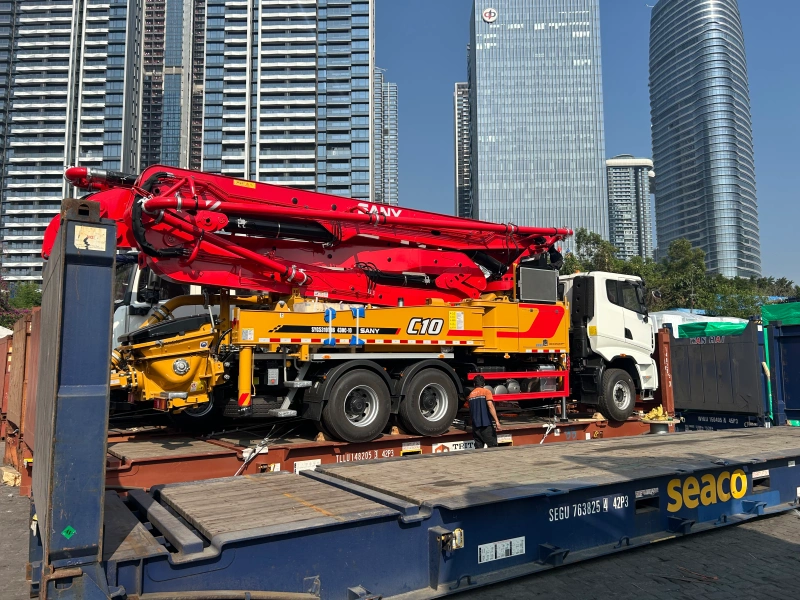
OOG cargo delays call for a planned contingency approach due to the obstacles encountered during transport (rerouting, storing, reloading and rescheduling) of oversized and out-of-gauge cargo. It’s important to note that permits, escorts, specialized trailers and heavy lift equipment are unique and can have cascading project impacts if not accounted for even in the short-term.
| OOG Delay Factor | Why Contingency Planning Matters |
| Oversized Dimensions | Cargo may not be able to use standard routes or alternative transport easily |
| Heavy Weight | Backup equipment and lifting resources must be arranged carefully |
| Permit Restrictions | Delays may occur if route approval or movement windows change |
| Escort Requirements | Pilot cars or traffic support may need rescheduling |
| Specialized Trailers | Lowbed, extendable, or modular trailers may not be immediately available |
| Crane Scheduling | Missed lifting windows can delay loading or unloading |
| Port Cut-Off Times | Late arrival may cause missed vessel schedules |
| Customs Inspection | Additional review may create storage or delivery delays |
| Project Installation Schedule | Late delivery may affect construction, production, or commissioning plans |
Common Causes of OOG Transport Delays
Although the exact timing of the delays in OOG transport can not always be predicted, most delays fall into predictable categories of risk. Knowing these is useful to logistics teams in creating more comprehensive plans.
| Delay Cause | Practical Example |
| Route Obstruction | Road construction, bridge restriction, low clearance, or blocked access |
| Permit Delay | Oversize or overweight approval not issued on time |
| Weather Disruption | High wind stops crane operation or heavy rain affects road movement |
| Port Congestion | Cargo waits for gate entry, storage space, or loading approval |
| Vessel Schedule Change | Sailing delay, roll-over, or cut-off adjustment |
| Equipment Breakdown | Trailer, tractor, crane, or escort vehicle becomes unavailable |
| Customs Hold | Documents, HS code, inspection, or import permit issue delays release |
| Documentation Error | Cargo dimensions, weight, or consignee details do not match |
| Site Access Problem | Final delivery location cannot receive cargo as scheduled |
What an OOG Transport Contingency Plan Should Include
An OOG shipment contingency plan should be practical, particulary focused on the cargo profile, and developed in partnership with experienced partners. For oversized cargo that depends on route permits, specialized trailers, port cut-off times, and coordinated lifting schedules, OOG logistics contingency planning should be built into the shipment plan before cargo pickup.
| Contingency Plan Element | Purpose |
| Risk Register | Identifies likely delay points before transport starts |
| Alternative Route Plan | Provides options if the approved route becomes blocked |
| Backup Equipment | Reduces downtime if trailer, crane, or tractor issues occur |
| Emergency Storage Option | Gives cargo a safe waiting location if schedules change |
| Permit Contacts | Supports faster clarification when movement approval is delayed |
| Carrier / Port Contact List | Improves response when cut-off, gate, or loading issues occur |
| Customs Broker Coordination | Helps manage inspections, holds, or document questions |
| Weather Monitoring | Supports safer scheduling and earlier route adjustment |
| GPS Tracking | Provides real-time location and exception visibility |
| Escalation Procedure | Defines who makes decisions when delays occur |
Route Disruption Contingency Planning
The disruption of the route is one of the most challenging OOG delays to manage once the cargo is on board, and therefore should be considered and documented in the planning process.
| Route Risk | Contingency Action |
| Low Bridge or Clearance Issue | Prepare alternative route with verified height clearance |
| Weak Bridge or Weight Limit | Review bypass route and axle load requirements |
| Road Construction | Check roadwork updates before departure |
| Narrow Road or Sharp Turn | Confirm maneuverability through route survey |
| Overhead Cables | Coordinate removal, lifting, or alternative routing if permitted |
| Permit Route Change | Contact authority and update escort arrangement |
| Unexpected Road Closure | Move cargo to a safe waiting point and activate backup route |
| Route Deviation | Use GPS monitoring and driver communication to correct movement quickly |
Permit and Compliance Delay Contingency Planning
Delays can stand in the way of OOG cargo even before it leaves the origin, or they can disrupt it during transit, so it is very important to prepare in advance and in depth.
| Permit Risk | Contingency Action |
| Late Permit Approval | Start applications early and confirm authority lead times |
| Route Approval Change | Prepare alternative routes and permit amendment process |
| Movement Window Restriction | Build schedule buffer around approved travel times |
| Escort Requirement Change | Keep backup escort providers available where possible |
| Document Mismatch | Verify cargo dimensions, weight, and route details before submission |
| Cross-Border Requirement | Confirm destination and transit country permit needs early |
| Port Entry Approval | Coordinate terminal and carrier documents before arrival |
Weather Delay Contingency Planning
Conditions have a larger impact on OOG transport because oversized loads are more vulnerable to weather conditions which can have an effect on crane operations and road safety.
| Weather Risk | Contingency Action |
| High Wind | Delay crane lifting and secure cargo in safe position |
| Heavy Rain | Review road safety, waterproof protection, and drainage |
| Flooding | Activate alternative route or safe waiting location |
| Snow / Ice | Adjust schedule and confirm road treatment or restrictions |
| Extreme Heat | Protect sensitive components and review driver/site safety |
| Storm or Typhoon | Pause movement and monitor revised transport window |
| Weather-Related Port Closure | Coordinate new cut-off, storage, and vessel schedule |
| Long Outdoor Waiting | Inspect covers, anti-rust protection, and moisture control |
Port and Vessel Schedule Delay Contingency Planning
Port and vessel delays may cause high storage charges and changes in schedule for OOG goods which may require special terminal handling and stowage approvals.
| Port / Vessel Delay | Contingency Action |
| Gate Entry Delay | Coordinate arrival window and terminal contact in advance |
| Yard Space Shortage | Confirm oversized cargo storage before dispatch |
| Missed Cut-Off | Check next sailing option and temporary storage plan |
| Vessel Roll-Over | Reconfirm carrier space and update cargo protection plan |
| Crane Unavailability | Arrange alternative lifting window or equipment |
| Load Plan Approval Delay | Submit cargo data, drawings, and lashing plan early |
| Port Congestion | Monitor port status and adjust arrival timing |
| Destination Discharge Delay | Coordinate storage, customs, and inland delivery buffer |
Customs and Documentation Delay Contingency Planning
When all documentation is carefully reviewed in advance, more preventable OOG transport delays include customs and documentation issues.
| Documentation Risk | Contingency Action |
| HS Code Question | Prepare technical description and importer confirmation |
| Invoice / Packing List Mismatch | Cross-check all cargo data before submission |
| Bill of Lading Error | Review draft BL before final issuance |
| Missing Import Permit | Confirm importer readiness before shipment arrival |
| DG Document Gap | Identify hazardous components before booking |
| Customs Inspection | Prepare photos, drawings, manuals, and access plan |
| Certificate Delay | Request origin or compliance documents early |
| Broker Communication Gap | Share documents before cargo arrival for pre-check |
Equipment Breakdown and Resource Backup Planning
OOG transport heavily depends on special equipment and if backup is identified for critical segments, there will be less vulnerability to destruction.
| Equipment / Resource Risk | Backup Planning Action |
| Tractor Breakdown | Confirm roadside support or replacement tractor availability |
| Trailer Problem | Identify backup lowbed, extendable, or modular trailer options |
| Crane Unavailable | Confirm alternative crane provider or lifting window |
| Lashing Material Shortage | Prepare extra chains, straps, shackles, timber, and anti-slip materials |
| Escort Vehicle Issue | Keep backup escort contact where required |
| Driver Availability | Confirm qualified driver schedule and rest requirements |
| Loading Site Constraint | Review crane access and trailer maneuvering before pickup |
| Repair Delay | Build buffer for urgent maintenance or replacement equipment |
Communication Plan During OOG Transport Delays
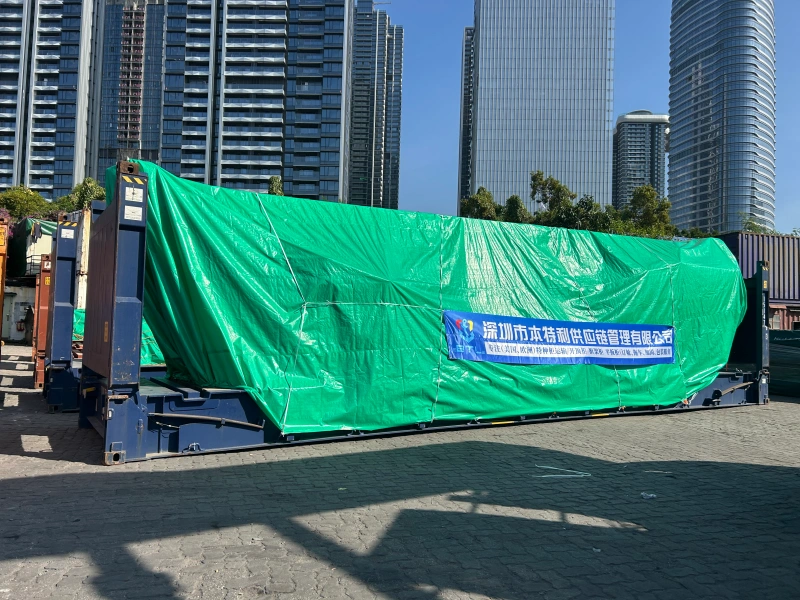
If there are delays, there are measures that can be put in place to keep the cargo in condition and prevent any further dangers such as exposure or theft.
| Communication Item | Why It Matters |
| Single Point of Contact | Prevents confusion during urgent decisions |
| Delay Reporting Rule | Defines when and how delays must be reported |
| Escalation List | Ensures the right people are contacted quickly |
| Customer Update Schedule | Keeps project teams aligned with revised ETA |
| Carrier / Port Contacts | Supports fast response to schedule or handling changes |
| Customs Broker Contact | Helps resolve inspection or document problems |
| Site Team Coordination | Ensures unloading resources are rescheduled properly |
| Written Records | Supports accountability, insurance, and post-shipment review |
Secure Storage and Cargo Protection During Unexpected Waiting
Any contingency plan will work best if the necessary information and options are available in advance of the cargo pickup.
| Waiting Risk | Protection or Storage Action |
| Outdoor Exposure | Check tarpaulins, drainage, and moisture protection |
| Theft Risk | Use secure yards, access control, and GPS tracking |
| Corrosion Risk | Inspect anti-rust coating, desiccants, and moisture barriers |
| Cargo Shifting | Re-check lashing and blocking before movement resumes |
| Long Port Storage | Confirm storage charges, yard safety, and cargo condition |
| Documentation Hold | Keep cargo protected while clearance issue is resolved |
| Handover Confusion | Record responsibility during temporary storage |
What Shippers Should Prepare Before OOG Cargo Moves
When it comes to planning for OOG transport delays, even a well-experienced team could fall into these common pitfalls.
| Information to Prepare | Why It Helps |
| Verified Cargo Data | Supports route, permit, equipment, and contingency planning |
| Permit Status | Identifies whether movement approval may delay pickup |
| Backup Route | Provides an option if the planned route becomes blocked |
| Equipment Plan | Confirms trailer, crane, lashing, and escort resources |
| Port Cut-Off Time | Helps manage vessel schedule risk |
| Customs Documents | Reduces clearance and inspection delays |
| Emergency Contacts | Speeds response when disruption occurs |
| Insurance Details | Supports risk handling if damage or incident occurs |
| Storage Options | Provides a safe waiting location if schedule changes |
| Project Deadline | Helps prioritize response decisions and escalation |
Common Mistakes in OOG Delay Contingency Planning
Even experienced teams can fall into these common pitfalls when planning for OOG transport delays.
| Mistake | Possible Consequence |
| No Backup Route | Cargo may become stuck if the planned route is blocked |
| Late Permit Review | Pickup or delivery may be delayed before movement starts |
| No Equipment Backup | Breakdown may cause long downtime |
| Ignoring Port Cut-Off | Cargo may miss sailing and incur storage costs |
| No Storage Plan | Cargo may wait in unsafe or exposed locations |
| Poor Communication | Delays may affect cranes, installation teams, or consignee readiness |
| No Weather Monitoring | Cargo may be exposed to avoidable safety or protection risks |
| Unclear Decision Authority | Response may be delayed during urgent situations |
Common Misunderstandings About OOG Transport Delay Planning
There are a few false ideas that can make an over-sized cargo shipment less effective when it comes to planning:
- Having a contingency plan doesn’t imply that the plan will be considered a delay, but rather it’s a proactive way to mitigate risks.
- Preparation of the backup plan is a process that should be done in advance of the cargo moving and not when a problem occurs.
- GPS tracking is not enough for an all contingencies plan.
- Risks do not go away when a carrier books.
- Road conditions may change and Permit approval does not guarantee that these conditions will stay the same.
- It is essential to have an emergency storage for security and for proper cargo protection.
- This delay adversely affects delivery date, costs, cargo condition, and overall project schedules.
- It is important to ensure that customers and their logistics provider agree on the logistics provider’s response to any disruption before the shipment.
Conclusion — Contingency Planning Reduces the Impact of OOG Transport Delays
Although not all OOG transport delays can be avoided, they can be minimised with extensive early in process emergency contingency planning. Shippers ensure the safety of their high-value cargo and help to keep projects on schedule by mitigating risks associated with routing, permits, weather, ports, equipment, customs, storage, and communication.
The detailed preparation and clear procedures in this practical approach enables teams to be effective in their response when circumstances change. From heavy machinery to transformers and other large equipment, taking the time to have a contingency plan in place can pay dividends in efficiency and comfort.