
When it comes to exporting industrial machinery internationally, more is required than just a container space. A precision manufacturing machine was involved in one recent project which had to go through sea freight, port storage and inland transport and all these took several months. The team implemented the vacuum packing solution for long-haul machinery shipping to create a moisture-proof environment that would drastically lower the risk of corrosion, dust entry and condensation damage that are prevalent with unprotected machinery on long-haul routes.
It requires not only selection of the right mode of transportation, but also proper packaging to ensure that the machinery remains safe during storage, handling, and shipping. Many shippers think that machinery is safe once it is crated or containerised. In fact, moisture, salt air, temperature fluctuations and improper installation can lead to corrosion or performance problems, even if there is no water exposure.
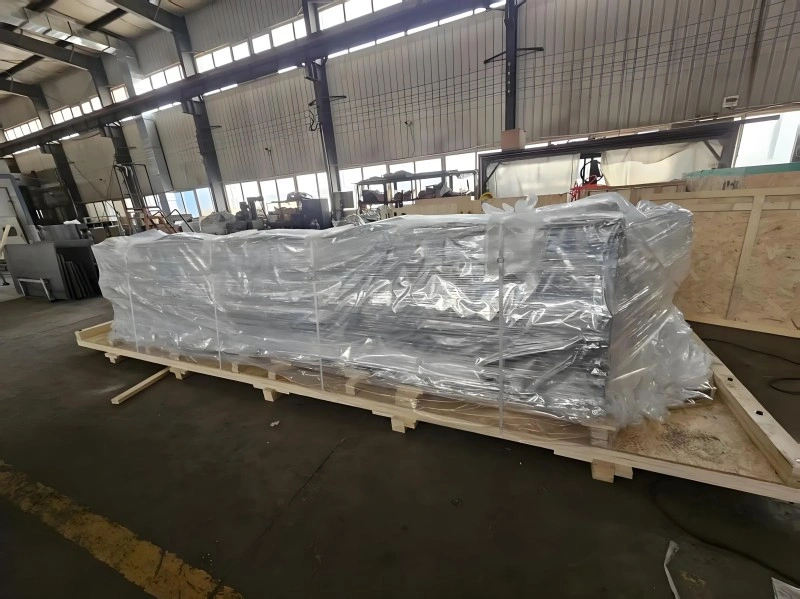
Case Background: What Machinery Was Being Exported?
This case was one of a large CNC processing machine for an overseas manufacturing plant. A wide range of metal areas were exposed, sensitive control panels, interfaces that had been carefully manufactured and electrical components which had to be ready to be fully installed as soon as they arrived.
| Case Item | Description |
| Cargo Type | Industrial machinery with metal surfaces, control components, and exposed interfaces |
| Transport Route | Factory pickup, inland trucking, port handling, sea freight, destination delivery |
| Main Risk | Moisture, corrosion, dust, handling exposure, and delayed installation |
| Shipping Duration | Long-haul international transport with possible port or warehouse delays |
| Protection Goal | Keep machinery dry, clean, and installation-ready after arrival |
| Packaging Method | Vacuum packing combined with desiccants, barrier film, and outer protection |
Road, sea and final inland legs were used, along with the potential of spending time in port before installation, and port waiting times, which all compound environmental risks.
Main Risks Identified Before Packing
The first step in effective protection is good risk assessment – not wrapping. The team traced all the areas in which the machine might experience damaging conditions for this shipment.
For machinery exposed to sea freight humidity, port storage, and delayed installation, vacuum packing for long-haul machinery shipments helps reduce moisture, dust, and corrosion risks before the cargo enters the transport chain.
| Risk Factor | Why It Mattered | Possible Result If Ignored |
| High humidity | Long sea routes expose cargo to moisture | Rust and corrosion |
| Salt air | Port and marine environments accelerate oxidation | Surface corrosion |
| Container condensation | Temperature changes create water droplets | Hidden moisture damage |
| Dust exposure | Cargo may wait in ports or warehouses | Contamination of surfaces and openings |
| Exposed metal | Machined or unpainted areas are vulnerable | Staining, rust, surface damage |
| Control components | Sensitive to moisture and dust | Electrical issues or unreliable operation |
| Delayed installation | Cargo may remain packed after arrival | Extended corrosion risk |
The Vacuum Packing Solution Used in This Case
To select the appropriate method, it was necessary to match protection layers with the real trip, and not use a one-size-fits all approach. The chosen method was to pair several complementary components, providing wide coverage.
| Packing Measure | Purpose | Why It Was Used |
| Cargo inspection | Identify sensitive areas and exposed surfaces | Prevents under-protection |
| Cleaning and drying | Remove moisture, dust, and contaminants | Avoids trapping moisture inside |
| VCI or anti-rust protection | Protect exposed metal parts | Helps reduce corrosion risk |
| Barrier film | Create moisture-resistant protection | Reduces humidity and dust exposure |
| Desiccants | Absorb residual moisture | Supports long-haul protection |
| Edge protection | Prevent film punctures | Protects packaging integrity |
| Vacuum sealing | Seal cargo inside protective layer | Maintains internal protection |
| Final inspection | Check seams, labels, and condition | Confirms shipment readiness |
Step-by-Step Packing Process
The sequence of execution in real-time happens in a disciplined way and a lot of things can’t be left to chance. This is how it played out for this machine.
| Step | What Happened | Practical Reason |
| Cargo survey | Machinery dimensions, lifting points, and sensitive areas were reviewed | Ensures the packing plan fits the cargo |
| Risk identification | Exposed metal, control panels, and openings were checked | Defines protection priorities |
| Cleaning and drying | Dust and surface moisture were removed | Prevents contamination inside the package |
| Corrosion prevention | VCI or anti-rust protection was applied where suitable | Protects metal surfaces |
| Desiccant placement | Moisture absorbers were placed inside the sealed area | Helps control humidity |
| Barrier film setup | Film was positioned around the machinery | Creates the main protective layer |
| Vacuum sealing | Air was reduced and seams were sealed | Limits moisture and dust exposure |
| Outer protection | Skid, crate, or cover was added as needed | Supports handling and impact protection |
| Inspection | Seals, labels, and photos were checked | Improves traceability |
| Loading coordination | Packing was aligned with lifting and securing | Reduces handling damage risk |
Why Vacuum Packing Was Better Than Basic Wrapping for This Shipment
On the dock it may seem like a good basic approach, but out on the water, it proves inadequate. A review of the options helped to make it clear that a stronger system was needed.
| Packaging Method | Protection Level for This Case | Main Limitation |
| Stretch film | Low | Limited moisture and corrosion protection |
| Shrink wrap | Medium | Better dust coverage, but not always a strong moisture barrier |
| Wooden crate only | Medium | Good physical protection, limited humidity control |
| Tarpaulin cover | Low to medium | Gaps may allow humid air and dust |
| Vacuum packing | High environmental protection | Needs careful sealing and edge protection |
| Vacuum packing + crate/skid | High combined protection | Higher preparation cost but lower risk |
How Long-Haul Shipping Conditions Affected the Packing Plan
Longer journeys bring with them dangers not generally faced by short domestic moves. These were all taken into consideration from the beginning of the plan.
| Long-Haul Condition | Packaging Concern | Packing Response |
| Long sea freight | Extended humidity exposure | Barrier film and desiccants |
| Port storage | Salt air, dust, and rain exposure | Sealed packing and outer cover |
| Transshipment | Repeated handling | Edge protection and inspection records |
| Road transport | Vibration and dust | Skid base and outer protection |
| Destination delay | Longer packed storage | Moisture-control materials and seal checks |
| Temperature change | Condensation risk | Dry cargo preparation and desiccants |
| Customs delay | Unexpected storage time | Stronger packaging design from the start |
Inspection and Documentation Before Shipment
Comprehensive checks and records made the packaging process a verifiable step in the supply chain.
| Inspection Item | What to Confirm | Why It Matters |
| Seal lines | No gaps, wrinkles, or weak areas | Prevents moisture entry |
| Film surface | No punctures, tears, or overstress | Maintains protection |
| Desiccants | Correct placement and quantity | Supports humidity control |
| Labels | Handling and unpacking instructions visible | Reduces handling mistakes |
| Lifting points | Accessible or clearly marked | Supports safe loading |
| Photos | Before/after packing and loading records | Improves traceability |
| Packing report | Materials and process documented | Supports communication and claims prevention |
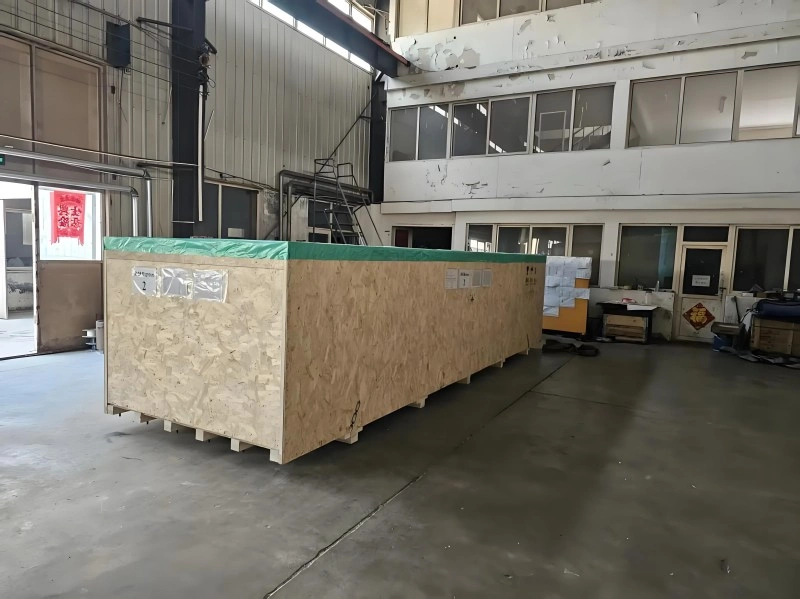
Result and Key Lessons from the Case
When the machines were arrived they were all free from corrosion and contamination and had not been exposed to water. Although no packaging is perfect, the combination of layers does seem to have restricted exposure during the long trip.
| Lesson Learned | Practical Takeaway |
| Packing must start with risk assessment | Different machinery requires different protection |
| Moisture control matters in long-haul shipping | Sea freight and port storage increase corrosion risk |
| Surface preparation is critical | Do not seal moisture or contaminants inside |
| Desiccants must be planned properly | Quantity should match cargo volume and storage time |
| Edge protection prevents failure | Sharp corners can puncture film |
| Documentation improves traceability | Photos and records support shipment control |
| Vacuum packing should be integrated with transport planning | Loading, lifting, and securing affect package integrity |
Common Mistakes This Case Helps Avoid
Going over failures to prevent errors reinforces the importance of advance planning.
| Mistake | Possible Consequence | Better Practice |
| Basic wrapping only | Rust, dust, and moisture damage | Use barrier protection for long-haul routes |
| Packing damp cargo | Trapped moisture inside package | Clean and dry before sealing |
| No anti-rust method | Exposed metal may corrode | Use VCI or anti-rust treatment where suitable |
| Too little desiccant | Humidity remains active | Match desiccants to volume and duration |
| No edge protection | Film puncture and air leakage | Protect protrusions and corners |
| No photo record | Harder to verify condition | Document packing and loading |
| Ignoring storage delays | Protection may not last long enough | Plan for realistic storage duration |
Buyer Checklist for Similar Long-Haul Machinery Shipments
By covering all details in advance, manufacturers and logistics teams can ensure that they are on the same page when it comes to expectations and outcomes.
| Information to Prepare | Why It Helps |
| Machinery dimensions and weight | Determines packaging size and handling method |
| Cargo photos and drawings | Identifies sensitive areas, sharp edges, and lifting points |
| Surface material and finish | Guides anti-rust and scratch protection |
| Electrical or control components | Helps plan moisture and dust protection |
| Shipping route and transport mode | Determines humidity, handling, and storage risk |
| Expected storage duration | Affects desiccant and barrier material selection |
| Loading method | Ensures packing does not block lifting or lashing points |
| Destination installation timeline | Helps plan long-term protection |
| Outer packaging requirement | Supports crate, skid, or cover planning |
| Inspection or documentation requirements | Improves traceability and shipment control |
Conclusion — Case Studies Show Why Packing Planning Matters
This case proves that vacuum packing is making valuable contributions when part of the broader long-haul shipping process. Protection should be started at the manufacturing plant as soon as the goods leave, then wrapped when transported inland, at the port, in sea transport, and storage in port before leaving for the destination country, and even during the final stage of installation preparation before the export machinery is installed in the final user.
Through the respective emphasis on comprehensive assessment, surface preparation, multi-layered moisture control, sealing and documentation, exporters can minimize unnecessary risks, and provide better equipment. The basic rule is that careful packaging design at the outset is nearly always better than packaging that is rushed into to solve a problem later on.