作者姓名:Emma Yang

Emma Yang
A large industrial machine is fully encased in protective foil wrapping and secured with orange strapping on a wooden pallet, ready for safe storage and transportation in a warehouse environment.
blog

How to Prevent Corrosion and Rust During Long-Term Heavy Equipment Storage and Shipping

Corrosion and rust can damage heavy equipment during long-term storage, inland transport, ocean shipping, and port handling. This guide explains how humidity, salt spray, rain, condensation, and poor packaging affect oversized industrial cargo, and provides practical protection methods such as anti-rust coating, vacuum sealing, moisture barriers, desiccants, inspection, and proper storage planning.
Target Keywords / Relevant Keywords
Primary: prevent corrosion during heavy equipment shipping
Secondary: rust prevention for heavy equipment, heavy equipment storage and shipping, corrosion protection for OOG cargo, anti-rust packaging for machinery, oversized cargo protection, moisture protection for industrial equipment, heavy machinery shipping protection, flat rack cargo protection, open top cargo protection, long-term machinery storage
Long-tail: how to prevent corrosion during heavy equipment shipping, how to prevent rust during long-term equipment storage, anti-rust protection for oversized industrial machinery, moisture control for heavy equipment ocean shipping, corrosion prevention methods for OOG cargo, vacuum sealing for heavy machinery shipping, how to protect machinery from rust during sea freight, best packaging methods for rust prevention in industrial equipment shipping

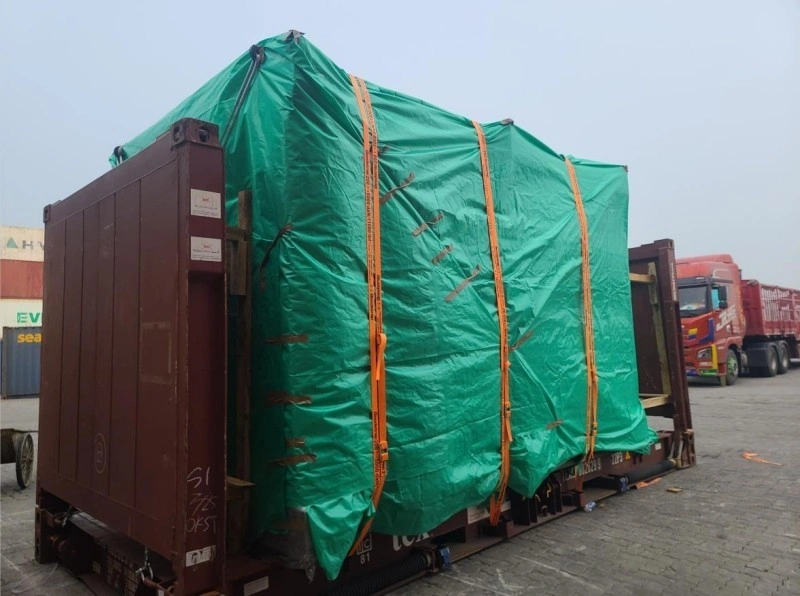
A long red flatbed truck carries a large, irregularly shaped cargo piece fully wrapped in protective plastic sheeting and covered with a blue-green tarpaulin, secured with multiple tie-down straps in an industrial yard.
blog

Specialized Trailers for Heavy Equipment: Features and Benefits

Specialized trailers play a critical role in heavy equipment transport by supporting oversized dimensions, heavy weight, low ground clearance, route restrictions, and safe loading requirements. This guide explains common trailer types, key structural features, practical benefits, and how shippers can choose the right trailer for construction machinery, mining equipment, industrial cargo, and other OOG shipments.
Target Keywords / Relevant Keywords
Primary: specialized trailers for heavy equipment
Secondary: heavy equipment transport, OOG heavy equipment transport, specialized trailer transport, lowbed trailer for heavy equipment, lowboy trailer transport, extendable trailer for oversized cargo, modular trailer transport, multi-axle trailer, oversized equipment transport, heavy machinery transport trailer
Long-tail: specialized trailers for heavy equipment transport, how to choose the right trailer for heavy equipment, benefits of lowbed trailers for oversized cargo, lowboy trailer vs lowbed trailer for heavy machinery, modular trailer for extremely heavy equipment, trailer selection for out-of-gauge cargo transport, how specialized trailers improve heavy equipment transport safety, best trailer types for construction and mining equipment transport

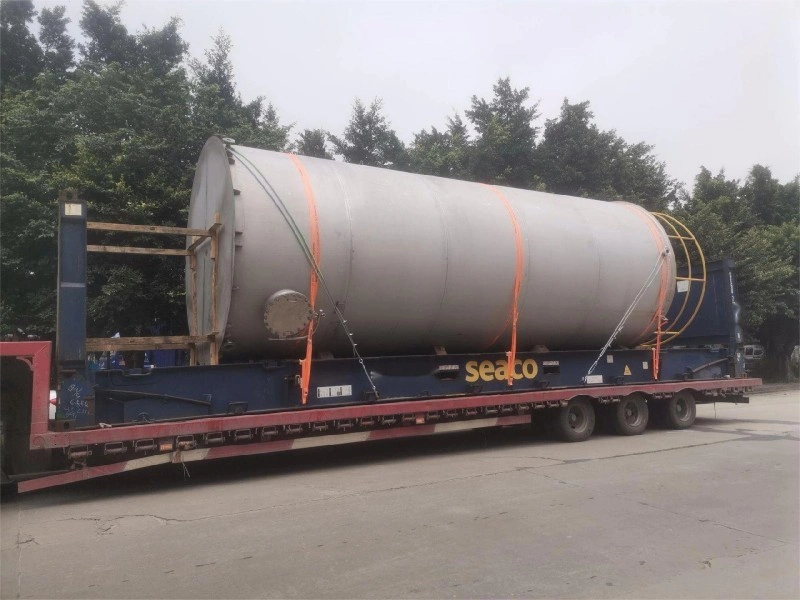
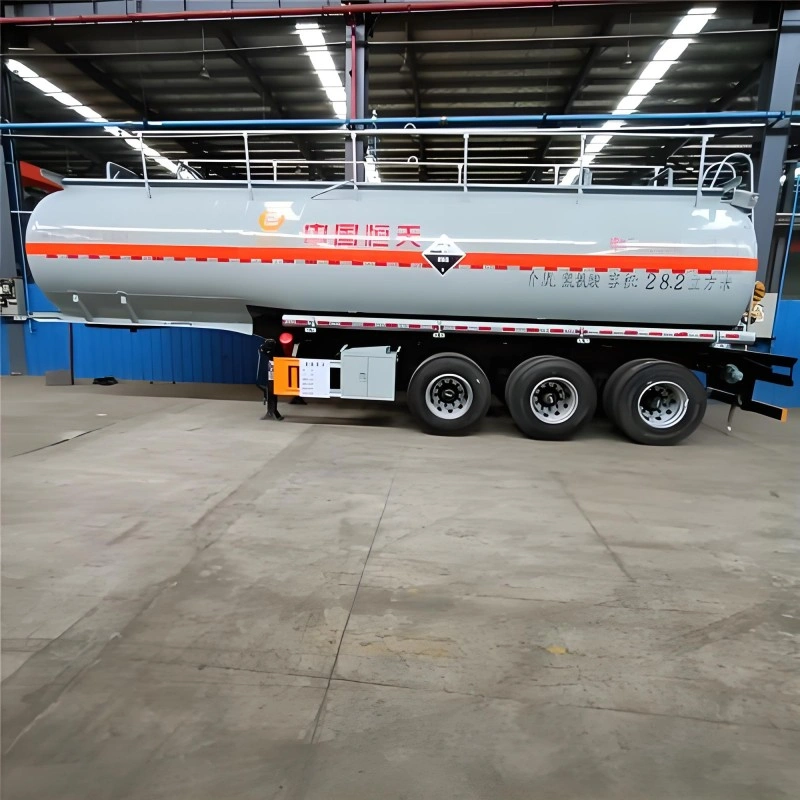
A gray tank container with orange stripes, equipped with IoT sensors, designed for transporting corrosive materials safely in OOG logistics.
blog

AI and Machine Learning in Planning Heavy Machinery Transport

AI and machine learning are changing how heavy machinery transport is planned by helping logistics teams analyze cargo dimensions, route conditions, permit risks, weather, equipment availability, and past shipment data. This article explains where AI adds value in OOG logistics, where human expertise is still essential, and what shippers should know before relying on data-driven transport planning.
Target Keywords / Relevant Keywords
Primary: AI in heavy machinery transport
Secondary: machine learning in logistics, heavy machinery transport planning, OOG logistics planning, oversized cargo transport, out-of-gauge cargo transport, project cargo planning, heavy equipment logistics, route planning for heavy cargo, transport risk prediction, smart logistics technology
Long-tail: how AI improves heavy machinery transport planning, machine learning for oversized cargo logistics, AI route planning for heavy equipment transport, predictive analytics in OOG logistics, data-driven planning for out-of-gauge cargo, AI-assisted route risk analysis for heavy machinery, smart planning tools for heavy equipment shipping, how machine learning reduces delays in OOG cargo transport

white truck transporting a large ISO tank container equipped with IoT sensors for real-time monitoring of oversized cargo during multimodal transport.
blog

How IoT Sensors Are Improving Oversized Cargo Safety in OOG Logistics

IoT sensors are revolutionizing OOG logistics by providing real-time cargo monitoring, predictive safety alerts, and data-driven transport optimization. This guide explains how industrial shippers can use IoT technology to prevent damage, improve load security, and streamline oversized and heavy equipment transportation, while maintaining compliance and efficiency.
Target Keywords / Relevant Keywords
Primary: IoT sensors in OOG logistics
Secondary: oversized cargo monitoring, OOG cargo safety, industrial cargo tracking, heavy equipment transport, flat rack IoT sensors
Long-tail: IoT-enabled OOG logistics, predictive analytics for heavy cargo, real-time monitoring of oversized shipments, how IoT improves oversized cargo safety

Oversized orange turbine section on lowbed trailer, part of a multi-unit project shipment for energy infrastructure — illustrating project cargo’s scale and public impact.
blog

Oversized Cargo vs Project Cargo: What’s the Difference?

Oversized cargo and project cargo are often confused in international logistics. While oversized cargo refers to freight that exceeds standard container dimensions, project cargo involves the coordinated transportation of multiple large components for major industrial or infrastructure projects. This guide explains the differences, typical cargo types, and logistics considerations for each.

A crane lifts tall industrial equipment into an open top container, showcasing top-loading capability for cargo exceeding standard container height.
blog

What Is Oversized Cargo in Shipping? Definition, Types, and Transport Methods

Oversized cargo refers to freight that exceeds the standard dimensions or weight limits of regular shipping containers. Transporting oversized cargo requires specialized equipment, container types, and route planning to ensure safety and efficiency. This guide explains the definition of oversized cargo, common cargo types, and the transport methods used in international oversized freight logistics.

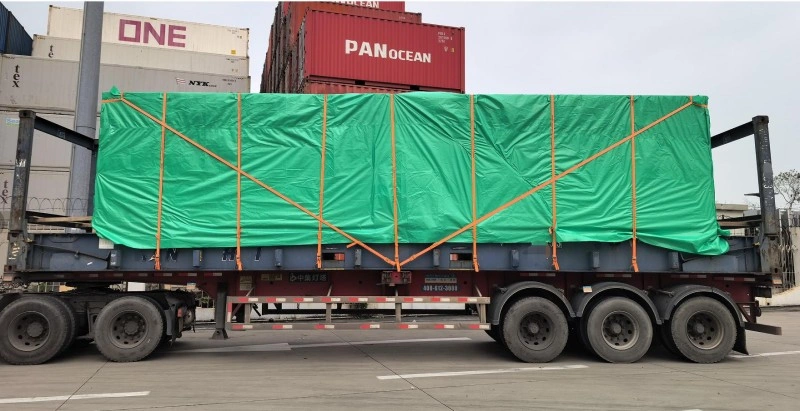
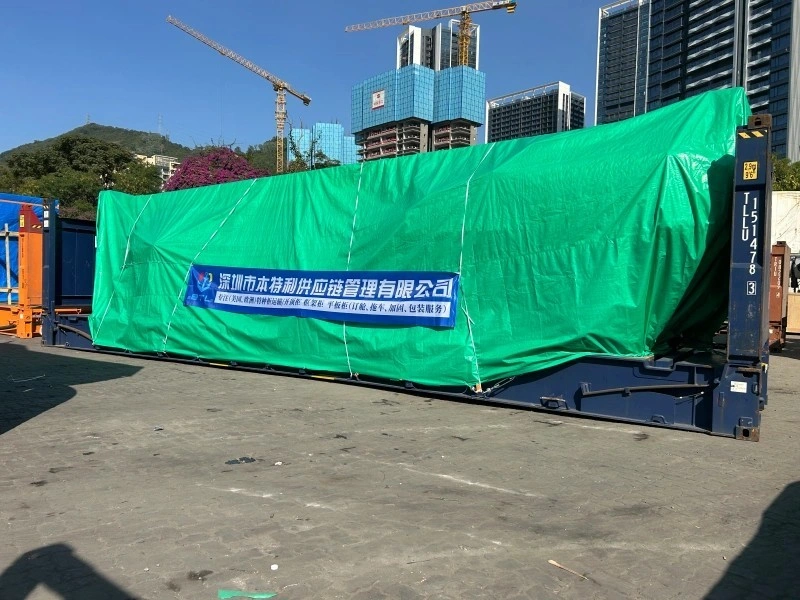
Large out-of-gauge cargo covered with green tarpaulin in an urban setting, illustrating the need for accurate OOG declaration forms and terminal-specific approval documents to prevent booking rejection or port detention charges
blog

Documentation Required for Open Top OOG Shipping

Open top OOG shipping requires detailed documentation beyond standard export paperwork. This guide explains mandatory documents such as OOG declaration forms, cargo sketches, securing plans, weight certificates, and regulatory approvals to ensure compliant and delay-free shipment.

Workers in safety gear securing over-height project cargo on a TAL open top container flat rack, demonstrating engineered lashing plan execution and preliminary cargo assessment for OOG declaration compliance
blog

Open Top Container Booking Process Explained

Booking an open top container requires dimensional verification, OOG approval, securing plans, and carrier confirmation. This guide explains each step in the booking process, from documentation submission to terminal coordination, helping exporters avoid delays and rejections.

Model of a red open top container showing external dimensions and identification codes, emphasizing the need for accurate height measurement to minimize OOG surcharge tiers
blog

How to Reduce Open Top Container Shipping Costs

Open top container shipping costs are influenced by OOG classification, crane handling, port surcharges, and securing complexity. This guide explains how dimensional optimization, weight planning, accurate documentation, and structured logistics coordination can reduce total shipping costs without increasing risk.

Red excavator being transported on a specialized low loader trailer highlighting weight distribution and center of gravity concerns for terminal crane safe working load limits
blog

Why Ports Impose Restrictions on Open Top Containers

Ports impose specific restrictions on open top containers to ensure operational safety and vessel stability. This guide explains OOG dimensional limits, weight restrictions, approval procedures, and common causes of cargo delay to help exporters plan compliant shipments and minimize risks like demurrage or rejection.
Port restrictions for open top containers are not arbitrary—they are structured safety controls designed to protect vessel stability, terminal operations, and regulatory compliance. Open top containers carrying OOG cargo (out-of-gauge) receive additional scrutiny at ports worldwide. Terminal handling limitations vary significantly based on each port’s infrastructure, crane capabilities, yard layout, and local regulations. Non-compliance can quickly lead to cargo rejection, vessel rollovers, or expensive delays.
Many shippers assume that once a carrier accepts OOG cargo, port entry is guaranteed. In reality, terminal operators often apply independent restrictions based on equipment capacity and safety protocols. Port-approved open top container transport requires advance dimensional declaration, structural assessment, and terminal-specific approval—steps that demand careful coordination long before the cargo arrives at the gate.

滚动至顶部