
The safety gear for hazardous materials is essential to safeguarded workers, reduce environmental incidents and guarantee smooth loading and unloading operations. The loading and unloading of hazardous materials not only involves the use of basic warehouse equipment but also involves the use of protective equipment, suitable handling devices, spill control systems, safe lifting techniques and personnel training for emergency response. Selection of the equipment should be based on the hazard class of the cargo, type of cargo packaging, SDS/MSDS information, and conditions at the site to reduce exposure, spills, fire and cargo damage hazards.
Safety equipment for loading of hazardous materials must not be considered a support item in the warehouse, but must form part of the shipment control plan. Many teams think that standard forklift, gloves and signs are enough, but hazardous goods may require special tools for containment, ventilation, grounding, monitoring and emergency response based on the material being lifted.
Why Safety Equipment Matters During Hazardous Material Loading
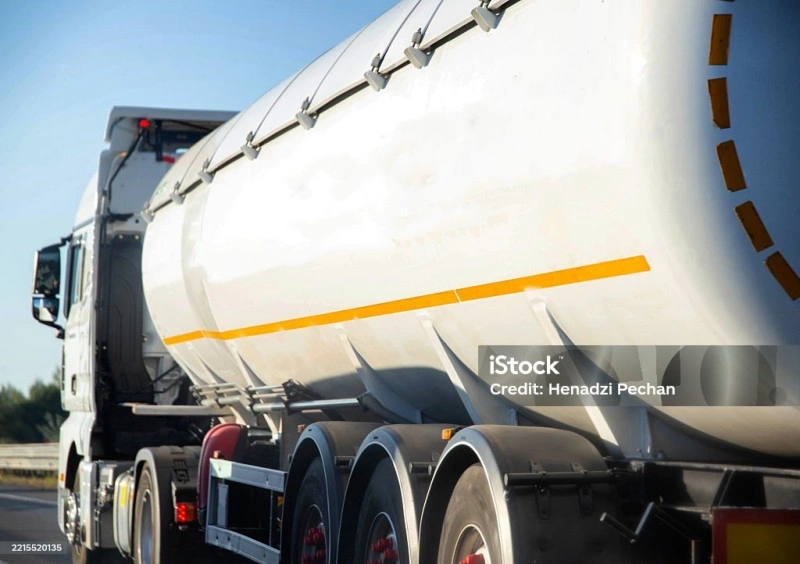
Loading and unloading are some of the most critical times of a hazardous materials transport because the materials are being moved, lifted, tilted, transferred, or secured, which can create a risk of leakage, exposure, or reaction if not handled properly.
These operations expose workers to increased risk, create spill and leak situations, introduce fire or explosion opportunities, allow packages to be damaged by impact or puncture, cause changes in cargo loads, forklift related incidents and material incompatibility. Good equipment contributes to good control and to a prompt response when trouble occurs, and helps to facilitate carrier and terminal acceptance.
| Loading / Unloading Risk | Possible Impact | Equipment Control |
| Chemical Exposure | Skin, eye, or inhalation injury | PPE, respirators, eyewash, emergency shower |
| Spill or Leak | Environmental and safety hazard | Spill kits, trays, absorbents, containment pallets |
| Cargo Impact | Package damage or leakage | Proper forklifts, lifting attachments, edge protection |
| Fire or Static Risk | Ignition of flammable vapor | Grounding/bonding tools, fire extinguishers, ventilation |
| Cargo Tipping | Package rupture or injury | Pallet jacks, straps, chocks, blocking equipment |
| Poor Visibility | Mishandling or delayed response | Labels, signs, lighting, communication tools |
Start with SDS/MSDS and Cargo Hazard Review
Planning of safety equipment for hazardous materials always starts with a detailed inspection of the documentation of the cargo, and never on a generic list. The SDS/MSDS is a starting point for the selection of appropriate procedures and tools.
Data from the SDS/MSDS, including hazard classification, handling, physical properties, and emergency response, influence equipment selection. This will ensure that the materials, whether a flammable liquid, corrosive, toxic or reactive cargo, are handled using a PPE, spill response and handling method that is suitable for the material.
Before loading begins, shippers should match the equipment for hazardous cargo handling with the cargo’s hazard class, packaging type, spill risk, and emergency response requirements.
| SDS/MSDS Information | Equipment Decision It Supports |
| Hazard Identification | Determines PPE and emergency controls |
| Handling and Storage | Guides safe movement and staging conditions |
| Exposure Controls / PPE | Defines gloves, goggles, respirators, suits, and protection level |
| Physical Properties | Helps assess leakage, vapor, dust, or pressure risks |
| Stability and Reactivity | Identifies incompatible tools, materials, or storage conditions |
| Accidental Release Measures | Guides spill kit and containment selection |
| Firefighting Measures | Supports extinguisher and emergency planning |
| Transport Information | Confirms hazard labels, UN numbers, and handling requirements |
Personal Protective Equipment for Loading Teams
Personal protective equipment (PPE) is the first line of defense between workers and potential hazards when loading and unloading hazardous materials. However, the type of PPE required will depend on the chemical or material characteristics specified in the SDS for the chemical.
These include chemical resistant gloves, safety goggles, protective suits, boots, respirators and high-visibility materials. Regular inspection and proper fit are important and PPE should be used in conjunction with, and not as a substitute for, engineering controls and safe handling procedures.
| PPE Type | Used For | Key Selection Consideration |
| Chemical-Resistant Gloves | Hand protection during handling | Must be compatible with the chemical |
| Safety Goggles | Eye protection from splash or dust | Should fit securely and resist fogging |
| Face Shield | Splash protection for face | Used with goggles, not as a replacement |
| Protective Suit / Apron | Skin and clothing protection | Material must match exposure risk |
| Chemical-Resistant Boots | Foot protection from spills | Needed for liquid or corrosive cargo |
| Respirator / Mask | Vapor, dust, or fume exposure | Must match the exposure type and safety plan |
| Hard Hat / Hi-Vis Vest | General loading safety | Useful in warehouse, yard, and port operations |

Spill Control and Secondary Containment Equipment
Spill control equipment should be in place and operational before movement of hazardous materials starts; it is important to respond quickly to prevent small spills from becoming big problems.
This category includes spill kits specifically designed for the type of chemical(s), absorbent materials that do not react with the cargo, trays, bunded pallets, drum overpacks and drain covers. Secondary containment is designed to contain leaks that might occur in containers during staging or transfer.
| Equipment | Practical Use | Important Note |
| Spill Kit | First response for leaks or small spills | Must match chemical type |
| Absorbent Pads / Socks | Controls liquid spread | Absorbent must not react with cargo |
| Spill Tray | Captures drips from drums or small containers | Useful during staging or transfer |
| Bunded Pallet | Contains leaks from multiple containers | Must support cargo weight |
| Drum Overpack | Isolates damaged or leaking drums | Should be suitable for hazardous material |
| Drain Cover | Prevents spill from entering drainage systems | Important in loading yards |
| Waste Container | Holds contaminated materials after cleanup | Must be labeled and handled correctly |
Lifting and Material Handling Equipment
The only way to lift and move hazardous cargo is by proper equipment for type, load and stability. Tools not intended for use may cause dropping, puncturing or free movement.
They can be anything from the right sized forklift or pallet jack to specialized drum lifters, IBC attachments or cranes equipped with a protective sling. All equipment needs to be inspected for use and non-sparking tools may be required in flammable areas.
| Handling Equipment | Suitable Use | Risk It Helps Reduce |
| Forklift | Palletized hazardous cargo | Reduces manual handling and lifting injury |
| Pallet Jack | Short-distance warehouse movement | Helps controlled movement on flat surfaces |
| Drum Lifter | Drums and cylindrical containers | Prevents tipping, rolling, and manual strain |
| IBC Attachment | Intermediate bulk containers | Improves stability during lifting |
| Crane / Sling System | Heavy or oversized hazardous cargo | Supports controlled lifting |
| Load-Rated Straps | Securing cargo during movement | Reduces shifting and falling risk |
| Non-Sparking Tools | Flammable or vapor-risk areas | Reduces ignition risk where applicable |
Fire Safety, Static Control, and Ventilation Equipment
When loading and unloading materials that are flammable, generate vapor or static sensitivity, there are specific fire and atmosphere control measures which must be taken.
This encompasses suitable fire extinguishers, ground and bond cables to avoid static discharge, gas detectors, air flow, and explosion proof lighting in areas of fire risk. Signage assists in ignition source control and access control.
| Safety Equipment | Used For | Practical Purpose |
| Fire Extinguisher | Fire response readiness | Must match expected fire class |
| Grounding / Bonding Cable | Flammable liquid or vapor handling | Reduces static discharge risk |
| Gas / Vapor Detector | Detecting hazardous atmosphere | Supports safer work area monitoring |
| Ventilation Equipment | Reducing vapor accumulation | Improves air movement in controlled areas |
| Explosion-Proof Lighting | Flammable or vapor-risk environments | Reduces ignition source risk |
| Warning Signage | Restricted access and hazard communication | Keeps unauthorized personnel away |
| Heat Source Control | Flammable or temperature-sensitive cargo | Reduces ignition or instability risk |
Cargo Securing Equipment for Loading Operations
If cargo is placed correctly, it will not shift, tip or be damaged when being moved to transport. This is particularly critical in the case of hazardous materials where movement may affect the packaging.
Lashing straps, blocking and bracing, anti-slip mats, chocks, edge protectors and load bars. The aim is the stability without overcompression and damage of containers.
| Securing Equipment | Practical Purpose | Common Mistake to Avoid |
| Lashing Strap | Holds cargo in position | Using damaged or underrated straps |
| Blocking and Bracing | Prevents movement inside container/trailer | Leaving gaps between cargo units |
| Anti-Slip Mat | Reduces sliding | Using it as a replacement for lashing |
| Dunnage | Fills voids and protects cargo | Using weak or unstable material |
| Edge Protector | Prevents strap damage to packaging | Over-tightening without protection |
| Chocks / Wedges | Stabilizes drums or round items | Poor placement that allows rolling |
| Load Bar | Adds restraint in trailers or containers | Using without proper cargo contact |
Emergency Response Equipment and First-Aid Readiness
Emergency equipment must be immediately accessible, be in good working order and match the potential incidents listed in the SDS. It can minimise the effects if something goes wrong here.
Eyewash stations, additional PPE for responders, spill tools, communication devices, readily available SDS copies and emergency showers are all important items.
| Emergency Equipment | Why It Is Needed |
| Eyewash Station | Immediate response to chemical eye exposure |
| Emergency Shower | Supports decontamination after body exposure |
| First-Aid Kit | Handles minor injuries before medical support arrives |
| Emergency PPE | Protects responders during spill or exposure incidents |
| Isolation Barriers | Keeps non-essential personnel away |
| Communication Device | Enables fast contact with supervisors or emergency teams |
| SDS/MSDS Access | Provides response instructions and hazard details |
| Emergency Contact List | Supports faster escalation and reporting |
Equipment Inspection Before Loading and Unloading
Hazardous materials safety equipment will not be effective unless it is in good condition and ready for use. Pre-operating system checks are a useful way of detecting problems early in the process.
Inspect PPE condition, spill kit contents, fire extinguishers, lifting equipment certification, strap condition, grounding tools and documentation.
| Inspection Item | Confirmed |
| PPE available and suitable for cargo | Yes / No |
| Gloves, goggles, and suits are undamaged | Yes / No |
| Respirators or filters checked where required | Yes / No |
| Spill kit complete and accessible | Yes / No |
| Fire extinguishers inspected and accessible | Yes / No |
| Forklift or lifting equipment inspected | Yes / No |
| Straps, slings, and securing tools checked | Yes / No |
| Grounding/bonding tools available if needed | Yes / No |
| Emergency eyewash/shower accessible | Yes / No |
| SDS/MSDS available at loading area | Yes / No |
| Warning signs and barriers prepared | Yes / No |
Common Equipment Mistakes During Hazardous Cargo Loading
Even the most seasoned teams can run into trouble when there is a poor choice of equipment or inadequate maintenance. Knowing about common mistakes helps to improve processes of loading and unloading hazardous materials.
Common issues are the failure to use compatible PPE, not having spill response supplies onsite, using damaged handling equipment, not always implementing static controls for flammables, or not keeping hazard labels in good condition.
| Mistake | Possible Consequence |
| Wrong PPE Material | Worker exposure or chemical burn risk |
| Missing Spill Kit | Slower response to leakage |
| Damaged Lifting Tool | Cargo drop or package rupture |
| No Static Control | Increased ignition risk for flammable cargo |
| Poor Securing Tools | Cargo shifting or tipping |
| Over-Tightened Straps | Package deformation or leakage |
| Hidden Labels | Delayed hazard identification |
| No Emergency Equipment | Greater harm during exposure or spill |
Pre-Loading Safety Equipment Checklist
A pre-loading checklist can help to make sure that all the necessary safety equipment is loaded without omitting anything. This step-by-step verification helps to ensure consistency and compliance.
Establishing a comprehensive loading plan involves reviewing cargo documentation, ensuring equipment readiness and verifying personnel qualifications.
| Safety Equipment Item | Confirmed |
| Cargo SDS/MSDS reviewed | Yes / No |
| PPE selected based on cargo hazard | Yes / No |
| Spill kit available at loading point | Yes / No |
| Compatible absorbents prepared | Yes / No |
| Secondary containment ready where needed | Yes / No |
| Lifting equipment capacity confirmed | Yes / No |
| Drum/IBC handling tools prepared if needed | Yes / No |
| Lashing, blocking, and bracing equipment ready | Yes / No |
| Fire extinguisher available and suitable | Yes / No |
| Grounding/bonding equipment prepared if needed | Yes / No |
| Ventilation or monitoring tools checked if needed | Yes / No |
| Emergency eyewash/first-aid equipment accessible | Yes / No |
| Warning signs and restricted area controls prepared | Yes / No |
| Trained personnel assigned to the operation | Yes / No |
How Logistics Providers Support Safer Loading and Unloading
Proven logistics providers play a vital role in making operations safer by assisting in reviewing cargo details, ensuring proper equipment configuration, coordinating with carriers and on-site supervision if required. They may help to match equipment selection with what is expected by the regulations and site-specific requirements, but the final responsibility for safe handling is with trained personnel and detailed procedures.
Conclusion — Safety Equipment Must Match the Cargo Risk
Proper matching of safety equipment to the properties of the cargo, its packaging and its operational environment can mitigate risks during loading and unloading with hazardous materials, but only when done properly. Teams can build more controlled and safer handling processes by beginning with a detailed review of SDS, choosing the right PPE, spill control equipment, lifting tools, secure systems, fire safety measures, and emergency resources and performing pre-operation inspections.
When combined with training and good procedures, this equipment can provide the base for safe hazardous cargo operations. Periodic checks of equipment standards ensures practices remain in step with changes in regulations and types of cargo.