
There are many hazardous cargo storage errors that pose significant safety, compliance, environmental and transport risks. These can be lack of segregation, incorrect labelling, damaged packaging, inappropriate temperature or ventilation, no spill containment, access blocked, inadequate documentation and lack of training. These mistakes can result in leaks, chemical reactions, fires, contamination, worker exposure, cargo rejection, shipment delays, and miscommunication during emergencies.
The most critical aspects of hazardous material storage include: controlled conditions, clear segregation, labelling, compatible packaging, spill prevention, trained staff and proper documentation, but most of the incidents that happen in the area of storage are the ones that are considered as a routine activity at the warehouse. It is often in storage that dangerous goods go astray if incompatible items are stored next to each other, labels are overlooked, packaging is compromised or dangerous goods are left for too long in unsuitable conditions. Hazardous cargo storage should not be viewed as a waiting room before shipment, but rather as an on-going risk control process.
Why Hazardous Cargo Storage Mistakes Matter
The mistakes in hazardous cargo storage have significant implications on worker safety, transport readiness, regulatory compliance, environmental protection, and the efficacy of the emergency response.
These issues go far beyond simple inventory management. Leaks and spills lead to costly clean-ups, chemical burns or inhalation risk for workers. When incompatible storage happens, it increases the risk of reactions, temperature increases, gas production, or fire. Defective packaging can make loads unsafe to handle before they are loaded and concealed labels do not help handlers identify hazards. Inadequate documentation causes delays or compliance issues, and closed emergency access delays critical responses during incidents.
Before cargo is staged for loading or shipment, warehouse teams should review storage layout, labels, segregation, and packaging condition to avoid common hazardous cargo handling errors that can lead to leaks, delays, or unsafe transport.
| Storage Mistake | Impact | Practical Consequence |
| Worker Exposure | Chemical burns, inhalation risk, or unsafe contact | Health and safety incidents for warehouse staff |
| Leakage or Spill | Environmental contamination and cleanup cost | Regulatory fines and operational downtime |
| Incompatible Storage | Reaction, heat, gas release, or fire risk | Potential for major accidents |
| Packaging Damage | Cargo may become unsafe before transport | Shipment rejection or additional repackaging |
| Hidden Labels | Handlers may not identify the hazard correctly | Miscommunication and handling errors |
| Poor Documentation | Delays, rejection, or compliance review problems | Supply chain disruptions |
| Blocked Emergency Access | Slower response during spills, fire, or exposure incidents | Heightened risk during emergencies |
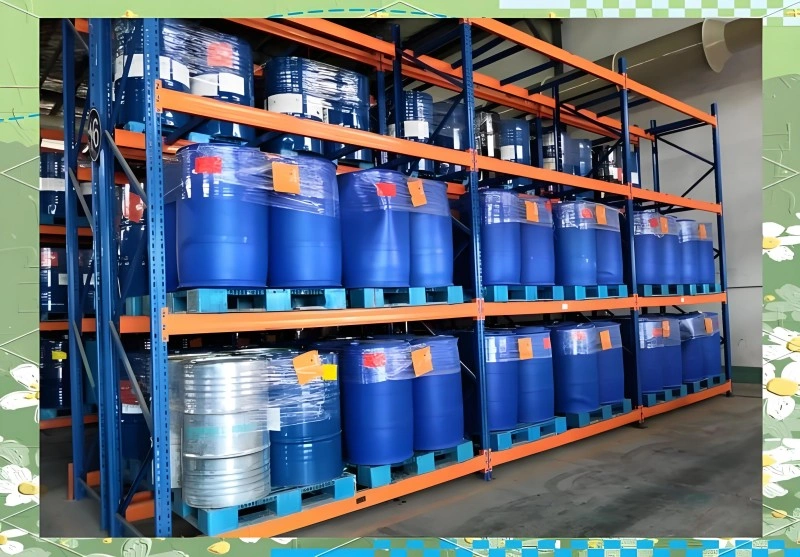
Mistake 1: Storing Incompatible Hazardous Materials Together
The improper storage of incompatible hazardous materials, which includes keeping incompatible materials in the same storage areas, is among the most hazardous and dangerous cargo storage practices since these incompatible materials can react with one another, creating hazard.
Acids and bases can generate heat, splash or pressure; water-reactive substances can release gases, near flammable substances; corrosive materials can damage metal used in packaging; or, toxic materials can mix with other materials. When warehouse teams work on the premise of convenience rather than a thorough compatibility assessment using SDS/MSDS, they often find the issues too late. The first step in safe chemical storage safety practices is to understand and apply hazardous cargo segregation through detailed chemical compatibility checks.
| Incompatible Combination | Possible Risk | Prevention Method |
| Acids + Bases | Heat, splashing, pressure, or reaction | Store separately based on compatibility review |
| Oxidizers + Flammables | Increased fire or explosion risk | Maintain proper segregation |
| Water-Reactive Materials + Liquids | Gas release, heat, or fire | Keep away from moisture and liquid cargo |
| Corrosives + Metal-Sensitive Packaging | Container weakening or leakage | Use compatible packaging and storage zones |
| Toxic Cargo + General Goods | Contamination and exposure risk | Store in controlled, clearly marked areas |
| Reactive Chemicals + Heat Sources | Instability or decomposition | Control temperature and avoid heat exposure |
Mistake 2: Ignoring SDS/MSDS Storage Instructions
A common mistake is disregarding SDS/MSDS storage guidelines, which results in valuable safety data being a piece of paper rather than taking effective steps to store hazardous materials.
Specific information on storage temperature, ventilation requirements, incompatible materials, moisture sensitivity, stability, reactivity, exposure control, PPE requirements, spill response, and firefighting are given in these documents. Teams must make best guesses based on product names when relying solely on SDS/MSDS. When used correctly, these instructions can assist in hazardous cargo safety, and also help to prevent incidents before the cargo ever reaches the transport stage.
| SDS/MSDS Section | Storage Decision It Supports |
| Handling and Storage | Safe storage conditions and precautions |
| Stability and Reactivity | Incompatible materials and conditions to avoid |
| Physical and Chemical Properties | Flash point, vapor pressure, freezing point, or volatility |
| Exposure Controls / PPE | Worker protection during storage handling |
| Accidental Release Measures | Spill containment and cleanup planning |
| Firefighting Measures | Fire response and equipment planning |
| Transport Information | Hazard class, UN number, and shipment preparation |
Mistake 3: Using Damaged or Unsuitable Packaging for Storage
The integrity of the packaging is the first barrier to leaks and reactions, and packaging damage or failure means the entire safety chain of hazardous cargo is compromised.
Drums can come in dented, IBCs can crack, containers can corrode, caps or valves may be loose, cartons may be wet or crushed, pallets may be damaged, or the drums may have been used previously for other products. Recycled packages or certain materials that fail to meet the requirements for the cargo are more likely to leak, escape in the form of a vapor, or fail all at once. One of the key requirements of good packaging for hazardous cargo is regular inspections.
| Packaging Issue | Possible Risk | Prevention Method |
| Dented Drum | Closure stress or weakened structure | Inspect before storage and loading |
| Cracked IBC | Leakage or sudden failure | Remove from service if damaged |
| Corrosion | Container weakening | Use compatible packaging and dry storage |
| Loose Closure | Seepage, vapor release, or spill | Check caps, valves, gaskets, and seals |
| Wet Carton | Reduced stacking strength | Keep dry and replace weak packaging |
| Damaged Pallet | Tipping or collapse | Use stable, load-rated pallets |
| Residue from Previous Use | Contamination or reaction | Confirm cleaning and suitability before reuse |
Mistake 4: Poor Label Visibility and Hazard Communication
Inadequate label visibility, and hazard communication during storage, can result in blind spots that can cause confusion with handlers and emergency responders.
Student must be able to see hazard labels, UN numbers, proper shipping names, orientation arrows, overpack markings and marine pollutant marks. Quick hazard identification is hindered by labels that are covered by stretch wrap, cargo, walls or have been compromised by moisture, sun or abrasion. Restricted area signs and warehouse signage also help to ensure safe hazardous cargo labels management, while decreasing the risk of misidentification.
| Labeling Problem | Storage Risk |
| Hidden Hazard Label | Handlers may not identify cargo danger |
| Missing UN Number | Cargo may be misidentified during emergency or shipment prep |
| Damaged Label | Hazard communication becomes unreliable |
| No Orientation Arrows | Liquid cargo may be stored incorrectly |
| Overpack Not Marked | Inner hazardous packages may be overlooked |
| Poor Warehouse Signage | Unauthorized or untrained staff may enter hazardous zones |
Mistake 5: Poor Temperature, Ventilation, and Environmental Control
Cargo behavior, the weakening of packaging, or the increase of hazards may change due to poor temperature, ventilation, and environmental control, and may go unnoticed until it is too late.
Too high heat causes vapor pressure to rise and instabilities to occur, too low temperatures cause expansion or separation, high humidity causes corrosion and damage to labels, and low ventilation causes vapor build-up. These issues are exacerbated by direct exposure to the sun, exposure to rain or any long periods spent in poor conditions. One important aspect of safe storage of hazardous materials is to monitor and maintain proper environmental conditions.
| Storage Condition Problem | Possible Impact | Prevention Method |
| Excessive Heat | Vapor pressure, expansion, instability, or fire risk | Store away from heat and monitor temperature |
| Freezing | Expansion, separation, or package stress | Confirm minimum storage temperature |
| High Humidity | Corrosion, label damage, packaging weakness | Use dry storage and moisture protection |
| Poor Ventilation | Vapor accumulation or inhalation risk | Provide controlled ventilation where needed |
| Direct Sunlight | Localized overheating or packaging degradation | Use shaded or indoor storage |
| Rain Exposure | Wet packaging, corrosion, contamination | Protect cargo from water and drainage areas |
Mistake 6: No Spill Containment or Emergency Readiness
No spill containment, no emergency readiness, and warehouse teams are left open to the numerous possibilities of a spill happening to be a major event.
All spill kits, absorbing materials, spill trays, bunded pallets, drain covers, fire extinguishers, PPE, eyewash stations, emergency contact lists, and readily-available SDS/MSDS must be placed and kept in place prior to the storage of any hazardous material or cargo. These measures can help to respond immediately to a hazardous cargo spill and help to prevent liquids or vapors from spreading, which is an important step in hazardous cargo spill prevention.
| Emergency Equipment / Control | Why It Matters |
| Spill Kit | Enables faster first response to leakage |
| Compatible Absorbents | Helps contain spills without reacting with cargo |
| Spill Tray / Bunded Pallet | Limits spread of liquid leakage |
| Drain Cover | Prevents hazardous liquid from entering drainage systems |
| Fire Extinguisher | Supports response to fire risk where appropriate |
| PPE | Protects responders and handlers |
| Eyewash / First-Aid | Supports immediate exposure response |
| Emergency Contact List | Speeds up escalation and communication |
| SDS/MSDS Access | Provides response instructions and hazard details |
Mistake 7: Blocking Access, Aisles, Labels, or Emergency Equipment
Blocking of access, aisles, labels, and/or emergency equipment adds to the hidden hazards that delay response and raise handling risks in hazardous cargo storage areas.
The lack of safe layout, blocked aisles or exits, spill kits and fire extinguishers out of sight, labels on walls, restricted areas for forklifts, or the absence of restricted areas compromise safety. Effective warehouse layout planning that includes clear indication of where people are going to move from and to, visible markings, and storage zones helps to ensure safer daily operations and readiness for emergencies.
| Storage Layout Mistake | Why It Creates Risk |
| Blocked Aisles | Slows emergency response and safe handling |
| Hidden Labels | Prevents quick hazard identification |
| Blocked Spill Kit | Delays containment during leakage |
| Blocked Fire Equipment | Slows response during fire risk |
| Poor Forklift Access | Increases impact or dropping risk |
| Overcrowded Storage | Increases chance of contact, tipping, or damage |
| No Restricted Zone | Allows untrained personnel near hazardous cargo |
Mistake 8: Weak Inventory Control and Documentation
Poor inventory control and documentation can result in discrepancies between records and what is actually in the hold, which can cause confusion or issues during inspections or in an emergency or when preparing for shipment.
Goods Identification, package counts, storage location, proper shipping name, SDS/MSDS records, inspection logs, repacking notes and emergency contact information should be kept up to date. Properly documented proof can aid in compliance with hazardous cargo and avoid hold ups or rejections of shipments due to discrepancies.
| Documentation / Inventory Item | Why It Matters |
| Cargo Identification | Prevents confusion between similar materials |
| Storage Location Record | Helps find cargo quickly during inspection or emergency |
| Package Count | Supports shipment preparation and discrepancy checks |
| SDS/MSDS Record | Provides handling and emergency information |
| Inspection Record | Shows whether packaging condition has been checked |
| Repacking Record | Keeps documents aligned with physical cargo |
| Outbound Shipment Documents | Supports carrier acceptance and transport planning |
| Emergency Contact Information | Supports response during incidents |
Mistake 9: Untrained Personnel Handling Hazardous Cargo
Even the most effective storage systems can be jeopardized by careless personal practices of untrained people handling hazardous materials, because informal practices that are safe with common goods are risky with regulated goods.
Staff need to be aware of hazards, the need to label and mark, PPE selection/use, handling of spills, segregation rules, safe forklift usage, emergency reporting, and SDS/MSDS location. Continuous training focused on hazardous cargo safety ensures that teams don’t fall into a repetitive cycle of warehouse patterns and work processes, and continue to work at safe levels of risk.
| Training Area | Why It Matters |
| Hazard Recognition | Helps staff identify cargo risks before handling |
| Label and Marking Awareness | Prevents misidentification |
| PPE Use | Reduces exposure risk |
| Spill Response | Supports faster containment and reporting |
| Segregation Basics | Reduces incompatible storage risk |
| Safe Handling Equipment | Prevents impact, tipping, and package damage |
| Emergency Reporting | Improves response speed and communication |
| SDS/MSDS Awareness | Helps staff locate key safety information |
Hazardous Cargo Storage Checklist Before Shipment
A hazardous cargo storage safety checklist can prevent issues from arising and ensure teams are prepared before cargo enters the transportation system.
A checklist is used to ensure that no details are missed during the last stage of pre-shipping inspection.
| Storage Check Item | Confirmed |
| Cargo classification verified | Yes / No |
| SDS/MSDS reviewed for storage conditions | Yes / No |
| Incompatible cargo segregated | Yes / No |
| Packaging inspected for damage | Yes / No |
| Closures, seals, valves, and gaskets checked | Yes / No |
| Labels and markings visible | Yes / No |
| Temperature and ventilation conditions suitable | Yes / No |
| Spill containment equipment available | Yes / No |
| Emergency access routes clear | Yes / No |
| Fire extinguishers and emergency equipment accessible | Yes / No |
| Inventory records match stored cargo | Yes / No |
| Trained personnel assigned | Yes / No |
| Carrier requirements checked before release | Yes / No |
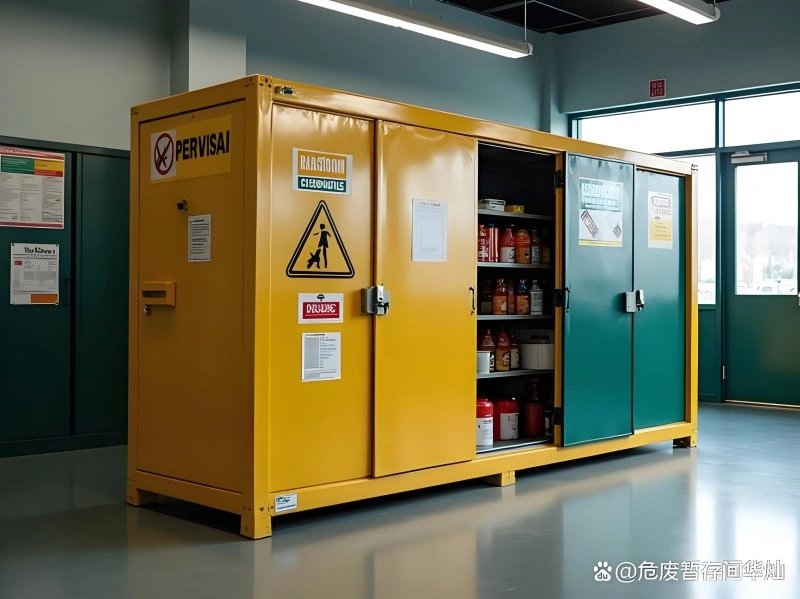
How Logistics Providers Help Reduce Hazardous Cargo Storage Risks
It is possible to minimise the risks associated with hazardous cargo storage by making a link between warehouse readiness and transport requirements well before anything is picked up or loaded, with the help of a logistics provider with experience.
They inspect cargo details and SDS/MSDS information, conduct packaging and labeling preparation checks, provide guidance on segregation and compatibility, ensure cargo carrier or terminal requirements, as well as ensuring documentation consistency. The partnership assists shippers in recognizing and addressing storage-related problems before they enter the hazardous cargo handling process in order to minimize the risk of a delay or rejection.
Conclusion — Safe Storage Prevents Transport Problems
A lot of dangerous goods transport issues start even before the goods are sent from the warehouse. Segregating cargo, utilizing visible labels, appropriate packaging, controlled conditions and emergency preparedness minimize the risk of leaks, delays and rejected cargo and unsafe handling when the cargo is delivered to the next point of shipment.
The safe storage of hazardous cargo is included in the entire shipping procedure. When viewed as an active risk-control measure, storage becomes more of a process that includes SDS/MSDS reviews, proper location, compatible packaging, spill control plans, documentation and trained staff for a firmer base for compliant and incident free movement. A straightforward checklist for storing safely is developed and adhered to prior to release and aids to identify preventable problems early on. This translates to more streamlined operations, less surprises, and increased confidence that loads will reach their destinations intact.