
The advanced tracking systems offer a more effective way to improve the safety of hazardous cargoes by providing shippers and logistics teams with real-time information on cargo location, route progress, environmental conditions, handling events, and abnormal situations. This enables quicker decisions before minor incidents (e.g. delays, temperature fluctuations, rough handling, deviation from route etc.) become major incidents with flammable liquids, corrosives, toxic substances, gases, batteries or other regulated dangerous goods.
When the data is linked to known response protocols and trained decision-makers, tracking technology can enhance the safety of hazardous cargo. While many shippers think that because they have real-time tracking, it makes hazardous materials safer, tracking itself is no guarantee of no leaks, fire, damage and compliance issues. It really comes in handy when it’s being monitored, there’s someone taking responsibility and plans for what to do are put in place before the shipment ever even leaves the warehouse.
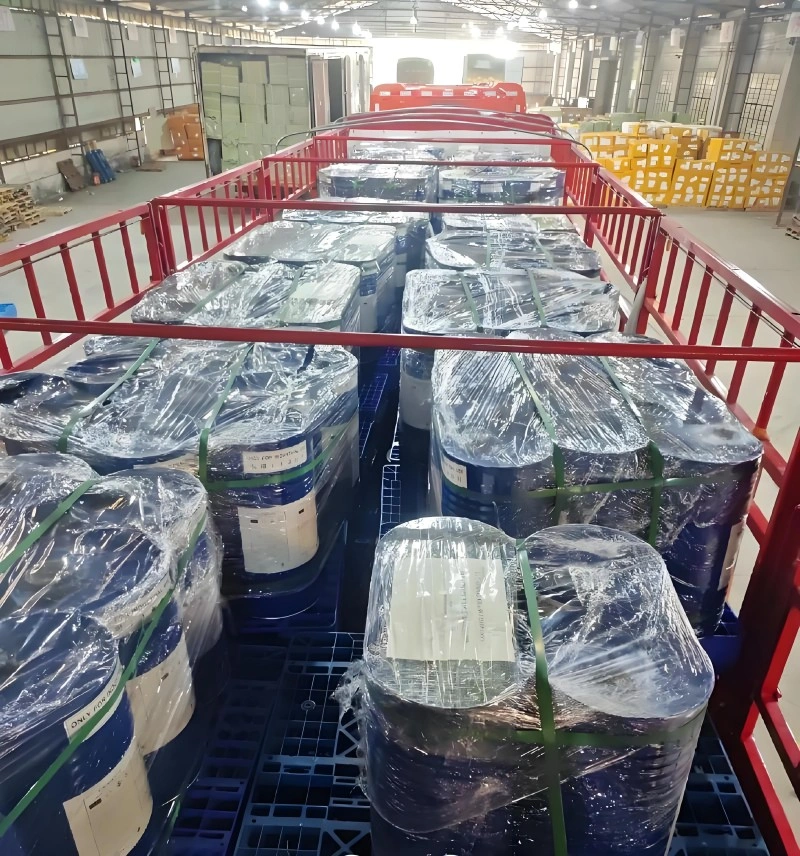
What Are Advanced Tracking Systems in Hazardous Cargo Transport?
In transportation of hazardous materials, advanced tracking systems extend beyond mere location updates. They use GPS and IoT sensors to provide real-time information about the location and condition of the cargo in transit. Technology on hazardous cargo transportation can enhance situational awareness about the mode of shipment, changes in ship condition, and abnormal occurrences while in transit for shippers transporting regulated chemicals, batteries, flammable goods, or temperature-sensitive dangerous goods.
These systems gather and share data through cell phones, satellites, or a combination of both; the data is directly fed into a dashboard or alert system. What’s unique about the condition-based monitoring is that it is not just an “in transit” confirmation, but a team gets actionable information on environment and handling events relevant to safety. This detail helps with better logistics planning, safety inspection, and swift response to incidents while not being a substitute for appropriate packaging and labeling or trained staff.
| Tracking System Type | What It Monitors | Practical Safety Value |
| GPS Tracker | Cargo or vehicle location | Shows route progress, delays, and deviations |
| IoT Sensor | Real-time condition data | Supports monitoring of cargo environment |
| Temperature Sensor | Heat or cold exposure | Helps detect temperature excursions |
| Humidity Sensor | Moisture exposure | Useful for packaging or corrosion-sensitive cargo |
| Shock / Vibration Sensor | Impact or rough handling | Helps identify potential package damage |
| Door Sensor | Container or trailer opening | Supports security and access control |
| Geofencing System | Entry or exit from defined areas | Alerts teams to unauthorized stops or route deviations |
Why Tracking Systems Matter for Hazardous Cargo Safety
Often, the risks associated with hazardous cargo are directly related to how quickly decisions are made, as exposure incidents or handling incidents or delays, which may be very short, can have a very significant impact. Advanced tracking systems are important because they transform data into timely alerts, which allow teams to intervene before issues escalate.
Route visibility provides confirmation that the shipment is on plan and early detection of delays will prevent over-exposure. Humidity and temperature controls ensure sensitive materials are protected, whereas shock and vibration detection identify potential damage, and security features prevent theft or tampering. This not only improves the speed of emergency communications, but also enhances coordination between shippers, carriers, terminals and consignees, and provides valuable post-shipment records to support continuous improvement and compliance audit.
| Safety Challenge | How Tracking Helps |
| Route Delay | Alerts teams before exposure time becomes excessive |
| Temperature Excursion | Shows when cargo moves outside safe condition limits |
| Rough Handling | Records shock or vibration events for inspection follow-up |
| Unauthorized Stop | Supports security response and shipment verification |
| Long Port Dwell Time | Helps teams monitor cargo waiting time and escalate if needed |
| Emergency Incident | Provides location and cargo status information faster |
| Post-Shipment Review | Helps identify where problems occurred |
GPS Tracking and Route Visibility
GPS tracking provides the logistics team with accurate information about the location of hazardous goods at any given time and if the shipment is on the scheduled route. This visibility is particularly important for time-critical or hazardous materials that can’t tolerate needless detours or extended delays.
Real time location updates and alerts for route deviations and ETA are used to coordinate receiving teams to minimise dwell times at port, border or terminal. Unauthorized stop detection provides a security feature and emergency location sharing accelerates response in the event of an incident. In actual circumstances, this information has been used successfully numerous times to steer loads clear of developing weather and traffic situations prior to their deterioration into a hazard.
| GPS Tracking Function | Safety or Operational Benefit |
| Real-Time Location | Helps teams locate cargo quickly during normal transport or incidents |
| Route Deviation Alert | Identifies unexpected route changes |
| Unauthorized Stop Alert | Supports security and cargo integrity checks |
| ETA Monitoring | Helps coordinate receiving and unloading teams |
| Dwell Time Monitoring | Identifies long waits at ports, terminals, or borders |
| Emergency Location Sharing | Helps responders and logistics teams act faster |
Temperature and Humidity Monitoring
Certain dangerous goods are extremely unstable or dangerous in the wrong temperature or moisture range. Temperature and humidity monitoring will give the continuous data to alert on these excursions and start corrective action.
The risk could be that liquids are more prone to vapor pressure, some chemicals prone to freezing and bursting, or condensation of the vapors that cause label or packaging damage, but the real-time sensors send alerts as soon as they happen. Reefer container monitoring verifies active temperature control, and data loggers versus live sensors have varying levels of responsiveness. The best ones combine monitoring with preselected response plans and make sure teams are aware of what to observe and modify when thresholds are exceeded.
| Monitoring Item | Cargo Risk It Helps Control |
| High Temperature | Vapor pressure, instability, fire risk, or packaging stress |
| Low Temperature | Freezing, expansion, separation, or container stress |
| Temperature Fluctuation | Condensation, degradation, or instability |
| Humidity | Corrosion, label damage, packaging weakness |
| Reefer Setpoint | Helps confirm active temperature control |
| Excursion Alert | Supports faster review and corrective action |
Shock, Vibration, and Impact Monitoring
A container of hazardous goods can look perfectly fine and be packed in a safe manner, but still have rough handling, too much vibration, be dropped or shaken to and fro during transport. These events are recorded using shock, vibration, and impact monitoring and can be used to review packages before the risk escalates.
Sudden shocks from forklift movements, sudden shifts in containers during ocean voyages, or if moving by road, sudden shocks that may loosen closures or affect integrity are measured by sensors. The data will be used to improve loading, bracing and securing techniques for future shipments, and tilt indicators will alert to liquids that require orientation. The purpose – always – is to convert a hidden handling event into a visible prompt to safe inspection and verification.
| Event Type | Possible Hazardous Cargo Risk | Follow-Up Action |
| Shock Event | Package damage, seal movement, leakage risk | Inspect packaging before further handling |
| Vibration Exposure | Closure loosening or fatigue | Review lashing, cushioning, and closure condition |
| Tilt Event | Liquid leakage or package instability | Check orientation-sensitive cargo |
| Drop Impact | Drum, IBC, carton, or crate damage | Isolate and inspect cargo safely |
| Repeated Movement | Cargo shifting or pallet damage | Review blocking, bracing, and securing method |
Geofencing, Security Alerts, and Unauthorized Access Monitoring
For high-value and/or high-risk hazardous materials, geofencing, door sensors, and tamper alerts can also help address security concerns to which tracking systems can contribute. These features establish digital boundaries and real-time notifications that facilitate the visibility along the chain of custody.
Geofence alerts alert teams when cargo gets off approved routes, or enters restricted areas, door opening sensors alert teams to unauthorized access. Stop duration alerts and tamper indicators offer extra protection. This monitoring, together with the clearly established security response procedures, helps to keep track of accountability and facilitates a quick investigation when something sounds fishy.
| Security Feature | Practical Use |
| Geofence Alert | Notifies teams when cargo leaves an approved route or area |
| Door Opening Sensor | Detects unauthorized container or trailer access |
| Stop Duration Alert | Identifies unexpected long stops |
| Tamper Indicator | Supports investigation of possible cargo interference |
| Location History | Helps review custody and movement timeline |
| Access Record | Supports security and accountability |
Digital Alerts and Response Procedures
When clear procedures are established for who receives the alerts, how they are evaluated, and what to do if they are received, they can only contribute to the safety of hazardous cargo. The human layer is necessary, or even more, the most significant one, if even the very best technology cannot produce information, it produces noise.
Alert thresholds, escalation rules, and contacts allow the appropriate people to take appropriate action at the appropriate time. Predefined response steps ensure a focused response to the issue, whether it’s a temperature excursion, route deviation or shock event, and minimize alert fatigue for teams. Having a thorough record of all alerts and actions also provides an audit trail, enhancing safety and compliance.
| Alert Type | Response Procedure to Define |
| Route Deviation | Confirm driver/carrier status and route reason |
| Temperature Excursion | Check cargo limits, reefer status, and corrective action options |
| Shock Event | Inspect package condition before continued handling |
| Door Opening | Verify authorized access or investigate tampering |
| Long Dwell Time | Escalate with carrier, port, or customs partner |
| Sensor Failure | Confirm backup monitoring or manual check process |
How Tracking Data Supports Emergency Response
In the event of a hazardous cargo incident, time is of the essence. Tracking data provides responders with a precise location, recent route history, condition readings and a history of what happened, which can greatly aid in coordination and decision making.
GPS position and temperature data can be used to help determine exposure, and shock and opening of doors information can help to determine what may have occurred. With quick dissemination of this information to carriers, consignees and emergency teams, incident reporting will be more accurate and root-cause reviews will be quicker once the immediate threat has been contained.
| Emergency Need | Tracking Data That Helps |
| Locate Cargo Quickly | GPS position and route history |
| Understand Exposure | Temperature and humidity records |
| Identify Handling Event | Shock, vibration, or tilt data |
| Verify Access | Door opening or tamper records |
| Coordinate Response | ETA, location sharing, and carrier contact |
| Review Incident | Timeline of alerts, movement, and condition changes |
Tracking Systems and Compliance Documentation
Tracking records are designed to complement documentation and internal review and are not meant to replace the necessary hazardous cargo documentation including SDS/MSDS, dangerous goods declarations, labels and permits. Rather, they bring in a factual dimension that enhances claims, audits and continuing improvement.
Objective evidence of shipment handling includes GPS route data, temperature logs, shock event history and alert timelines. This information is particularly valuable in the event of a post-incident investigation or during due diligence procedures with regulators and customers. The critical aspect is using tracking data as an aid and not a replacement for essential compliance elements.
| Record Type | How It Supports Shipment Review |
| GPS Route Record | Shows actual route and timing |
| Temperature Log | Confirms condition history |
| Shock Event Record | Supports inspection and damage review |
| Door Opening Record | Supports access and security checks |
| Alert Timeline | Shows when an issue occurred and how it was handled |
| Delivery Record | Confirms arrival and handover status |
| Incident Report Support | Provides factual data for review and corrective action |
Choosing the Right Tracking System for Hazardous Cargo
Choosing an appropriate tracking system for hazardous materials requires matching to the risk profile, mode of transport, operational facts and figures of each shipment. Not all sensors are required for all cargo types, and too many sensors may lead to additional complexity and expenses.
The decision is influenced by the cargo risk level, the duration of the journey, the sensitivity to temperature, the sensitivity to shocks, security concerns, and the team’s responsiveness to alerts. Battery life, connectivity along the way, sensor placement, and data reporting requirements must also be considered. The most successful programs are those that are focused on the practical rather than gathering data for the sake of data collection.
| Selection Factor | Why It Matters |
| Cargo Risk Level | Higher-risk cargo may need more detailed monitoring |
| Transport Duration | Longer trips require longer battery life and data storage |
| Temperature Sensitivity | Determines whether temperature monitoring is needed |
| Shock Sensitivity | Supports monitoring for fragile or pressure-sensitive packaging |
| Security Concern | May require door sensors, geofencing, or tamper alerts |
| Connectivity | Affects real-time visibility across route regions |
| Alert Response Capability | Tracking only helps if action can be taken |
| Data Reporting Needs | Determines whether logs are needed for review or compliance support |
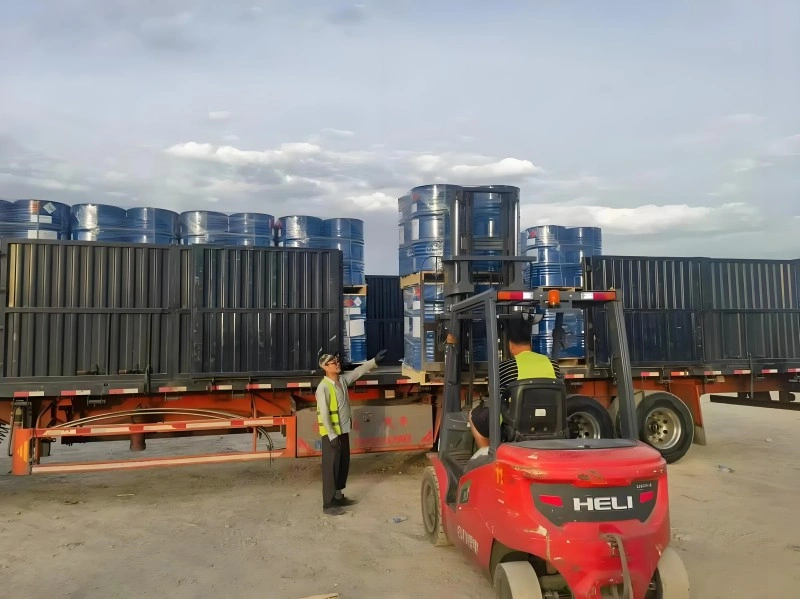
Common Mistakes When Using Tracking Systems
Even a team that has been experienced can impair the use of a tracking system by failing to locate one or more of the simple, but important details, during the planning or implementation phase. These errors can lead to the creation of powerful technologies that are either underutilized or even misguided.
Some frequent mistakes are using only a basic GPS for a high-risk shipment, mounting a sensor in an inappropriate place, setting a meaningless alert level, or no one monitoring the sensor. Not accounting for battery duration, connectivity barriers or a plan of action can also consume resources. The largest mistake is using tracking instead of proper packaging, securing, and trained staff.
| Tracking Mistake | Possible Consequence |
| No Alert Responsibility | Warnings may be missed |
| Wrong Sensor Placement | Data may not reflect actual cargo condition |
| Poor Battery Planning | Monitoring may stop before delivery |
| No Threshold Settings | Excursions may not trigger action |
| Weak Connectivity Review | Real-time data may not be available |
| No Response Plan | Alerts are recorded but not controlled |
| Ignoring Post-Delivery Data | Root causes and improvement opportunities are missed |
| Relying Only on Technology | Packaging or handling risks remain unmanaged |
Hazardous Cargo Tracking Checklist Before Shipment
A checklist for pre-shipment can ensure tracking systems are correctly set up and incorporated into the safety plan. Just a few minutes spent checking these will save surprises later!
Preparing for cargo risk, SDS requirements and monitoring objectives can set the groundwork for success. The placement of various sensors, battery life, connectivity, alert levels, and response contacts round it out. The checklist also suggests teams to notify the carrier and schedule follow-up data review after delivery.
| Tracking Preparation Item | Confirmed |
| Cargo risk level reviewed | Yes / No |
| SDS/MSDS reviewed for monitoring needs | Yes / No |
| Tracking objectives defined | Yes / No |
| GPS tracking required | Yes / No |
| Temperature monitoring needed | Yes / No |
| Humidity monitoring needed | Yes / No |
| Shock/vibration monitoring needed | Yes / No |
| Door or tamper monitoring needed | Yes / No |
| Sensor placement confirmed | Yes / No |
| Battery life suitable for route duration | Yes / No |
| Connectivity limitations reviewed | Yes / No |
| Alert thresholds configured | Yes / No |
| Alert response contacts assigned | Yes / No |
| Carrier informed of monitoring devices | Yes / No |
| Data review process planned after delivery | Yes / No |
How Logistics Providers Use Tracking to Support Hazardous Cargo Safety
A logistics provider with some experience is able to incorporate tracking technology into a larger effort to control shipments, instead of using tracking as a discrete function. They first discuss the particular cargo risk and suggest suitable monitoring devices that correspond to the transport mode and route.
Providers ensure devices are accepted and at the correct location, track their location and route in real-time and escalate delays or abnormal events as needed, in conjunction with the carriers. They are also assisting with data analysis to determine ways to enhance future deliveries. This is a team-based approach that positions the focus on outcomes for safety not technology for technology’s sake.
Conclusion — Tracking Improves Visibility, but Response Makes It Valuable
Advanced tracking systems enhance safety of hazardous cargo by providing more transparency and visibility on location, route progress, weather, security, and handling events. GPS, IoT sensors, temperature monitors, shock sensors, door sensors, and geofencing can all help alert teams to potential dangers sooner and allow for a faster response.
However, technology is not enough. The value of tracking systems is greatest when combined with clearly established alert thresholds, clear responsibilities, well-defined responses, and trained staff. In this application they help to facilitate safer transportation of hazardous materials, but do not supplant safe packaging, labelling, documentation, routing or emergency planning. This leads to better decision making based on real-life data and human judgment.