
A complete control process needs to be in place to prevent spills and leaks during the transport of hazardous goods, which involves compatible packaging, proper sealing, secondary containment, cargo securing, handling care, accurate documentation, and emergency response planning. Poor packaging selection, incompatible container materials, weak container closures, rough handling, vibration, cargo shifting, temperature change, pressure build-up and damaged containers are all potential causes for spills/leaks. Prevention begins prior to loading, and involves such factors as cargo classification, SDS/MSDS review, cargo packaging, inspection, sealing, containment, and loading planning. Hazardous goods must be examined at various points such as loading, palletizing, transfer points, storage and delivery. Emergency response materials and procedures should be prepared prior to shipment leaving from the origin site.
Spill and leak prevention is a risk control process that goes beyond just a packaging issue. Many shippers only worry about correct labelling, but labelling is not enough to prevent goods from leaking. Packaging integrity, closure control, containment, handling discipline, load stability and transport planning are part of the requirements that are essential for safe movement of hazardous cargo.
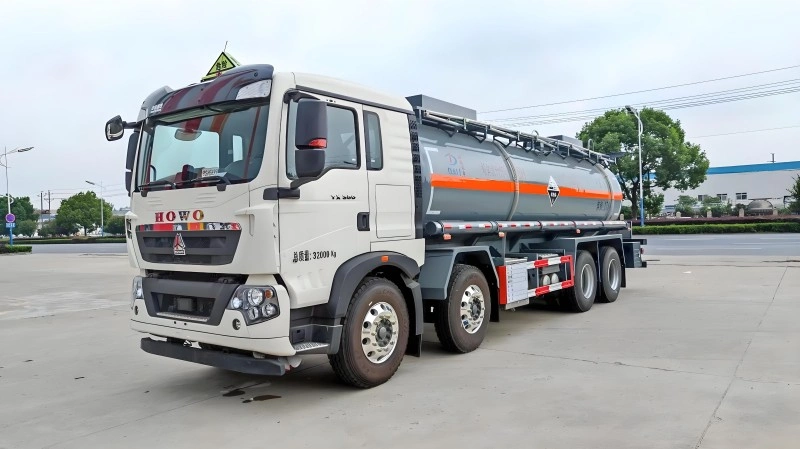
Why Spills and Leaks Happen During Hazardous Cargo Transport
Hazardous cargo transportation incidents in most cases result from weaknesses with the pack, handling or shipment that could have been prevented. Recognizing these common causes enables shippers to take steps to prevent them from occurring instead of responding after an incident.
Problems may be caused by using an inappropriate packaging material that is not able to handle the packaging chemical or transport environment. Damaged drums, IBCs, tanks, cartons or crates will fail under stress. Poor sealing or loose closures allow contents to escape and over filling results in expansion pressure. Risks include cargo shifting and vibration and shock during transit, rough forklift operations, temperature changes, incompatible materials, and long port dwell times and repeated cargo transfers.
| Cause of Spill or Leak | How It Happens | Prevention Focus |
| Incompatible Packaging | Chemical attacks container material | Match packaging to SDS/MSDS and cargo properties |
| Weak Closure | Caps, valves, or lids loosen during transit | Apply proper torque, seals, and closure checks |
| Cargo Shifting | Packages collide or tip over | Use blocking, bracing, lashing, and stable loading |
| Rough Handling | Forklift impact or dropping damages packaging | Use trained handlers and protective packaging |
| Temperature Change | Expansion, pressure, or container stress occurs | Review temperature limits and avoid exposure |
| Damaged Packaging | Dents, cracks, corrosion, or worn seals fail | Inspect packaging before filling and loading |
Start with Cargo Classification and SDS/MSDS Review
The first step in spill prevention in the transport of hazardous materials is to gain a comprehensive understanding of the cargo, not just packaging. All decisions will be based on a thorough review of the Safety Data Sheet (SDS) / Material Safety Data Sheet (MSDS) and proper classification.
This step includes reviewing the UN number, proper shipping name, hazard class, packing group, physical state (liquid, solid, gas, paste or powder), corrosivity, flammability, toxicity, reactivity, vapor pressure, temperature sensitivity, packaging compatibility, emergency response information, and storage and handling requirements.
For shipments involving corrosive liquids, flammable chemicals, toxic materials, or other regulated cargo, secure hazardous cargo handling begins with reviewing cargo properties, response before loading if the goods are corrosive liquids, flammable chemicals, toxic materials or other regulated cargo.
| Information to Review | Why It Helps Prevent Spills and Leaks |
| SDS/MSDS Handling Section | Shows safe storage and handling practices |
| Transport Information | Supports packaging and labeling decisions |
| Stability and Reactivity | Identifies incompatible materials and conditions |
| Physical Properties | Helps assess vapor pressure, viscosity, and expansion risk |
| Hazard Class | Guides handling and segregation requirements |
| Packing Group | Indicates danger level where applicable |
| Spill Response Section | Helps prepare emergency kits and response procedures |
Choose Compatible Packaging and Containers
The packaging should be suitable for the chemical characteristics and transportation atmosphere of goods. Proper selection of containers is one of the critical decisions to make to prevent spills and leaks when transporting hazardous materials.
Packaging is frequently necessary and must be approved by the UN. Steel drums, HDPE drums, IBCs, tank containers, cylinders or inner/outer packaging. Chemical compatibility, corrosion resistance, closure type and quality, strength for stacking and vibration resistance are all considerations. Do not use reused or damaged packaging, unless approved and inspected.
| Packaging Type | Suitable Use | Spill / Leak Prevention Benefit |
| Steel Drum | Many flammable liquids and industrial chemicals | Strong structure and secure closure when compatible |
| HDPE Drum | Certain acids, alkalis, and corrosive liquids | Chemical resistance reduces container degradation |
| IBC | Bulk liquid hazardous cargo | Larger capacity with protective frame and closure system |
| Tank Container | Large-volume hazardous liquids | Designed for controlled bulk liquid transport |
| Inner + Outer Packaging | Smaller hazardous goods | Adds containment and impact protection |
| Cylinder | Gases and pressurized materials | Designed for pressure containment |
Inspect Containers Before Filling, Packing, and Loading
One of the easiest ways to avoid unnecessary leaks is to inspect the containers. Careful inspection before filling, packing and loading prevents the detection of defects which cause failure under transport stresses.
Check for dents, cracks, corrosion, swelling and deformation. Inspect closures, gaskets, valves, bungs or seals. Verify certification markings, look for previous cargo debris, examine pallets and crates, and ensure labels and markings are visible and will not wear away.
| Inspection Point | What to Check |
| Drum or IBC Body | Dents, cracks, corrosion, swelling, deformation |
| Closure System | Cap, bung, valve, gasket, seal, torque condition |
| Certification Mark | Confirm packaging type and approval where required |
| Pallet / Base | Stability, cracks, broken boards, weak structure |
| Outer Packaging | Moisture, crushing, punctures, weak corners |
| Previous Use | Residue, contamination, outdated labels |
| Label Area | Clean, visible, and durable marking surface |
Proper Sealing and Closure Control
Leaks are frequently caused by improper closure, seal or verification before shipping. Too many hazards can be eliminated in hazardous goods transportation by paying attention to detail.
Ensure proper caps/bungs are used, correct torque if necessary, valve protection and tamper evident seals. Inspect gasket condition, do not overfill, provide e.g. expansion space, and final leak check if suitable.
| Closure Control Step | Why It Matters |
| Correct Closure Type | Prevents mismatch between container and cargo |
| Gasket Check | Reduces risk of seepage or vapor release |
| Torque Verification | Helps prevent loosening during vibration |
| Valve Protection | Reduces impact damage during handling |
| Headspace Control | Allows liquid expansion under temperature changes |
| Tamper Seal | Helps identify unauthorized opening or closure movement |
| Leak Check | Detects problems before cargo enters transport |
Use Secondary Containment and Absorbent Materials
Secondary containment is not a substitute for good primary packaging but can minimize the effects if the primary package fails. It provides a valuable protective cover for high risk shipments.
These are available as spill trays, liners, bunded pallets, absorbent pads or pillows, chemical compatible absorbents, drip-proof overpacks and containment for IBCs and drums. Select materials which are not going to react with the cargo.
| Containment Method | Best Used For | Key Consideration |
| Spill Tray | Drums or small containers | Must be compatible with the chemical |
| Bunded Pallet | Multiple liquid containers | Helps contain minor leakage |
| Absorbent Pads | Small leaks or drips | Absorbent must not react with cargo |
| Drum Overpack | Damaged or high-risk drum situations | Must be suitable for the cargo type |
| Container Liner | Additional protection inside cargo space | Should not hide labels or create handling risk |
| Leak-Proof Inner Packaging | Smaller containers | Reduces exposure if inner package fails |
Secure Cargo to Prevent Shifting, Impact, and Tipping
If hazardous material is moving, tipping up or has been subjected to repeated impacts while being transported, even if it is well-packaged, it can leak. Securement corrects maintain stability until final delivery.
Pay attention to stability of pallets, blocking and bracing, lashing, anti-slip mats, edge protection, weight distribution and controlled forklift operations. Supervising the loading process on site guarantees that all is done correctly.
| Securing Method | Practical Purpose |
| Blocking and Bracing | Prevents cargo movement inside container or trailer |
| Lashing | Holds cargo in position during vibration and braking |
| Anti-Slip Materials | Reduces sliding on container or trailer floor |
| Edge Protection | Prevents straps from damaging packaging |
| Pallet Wrapping | Keeps compatible packages grouped and stable |
| Weight Distribution | Prevents collapse, tipping, and uneven stress |
| Loading Supervision | Confirms cargo is handled and secured correctly |
Control Temperature, Pressure, and Environmental Exposure
Packaging stress, chemical expansion, pressure buildup, corrosion, label failure or cargo degradation are possible by environmental stresses. Considering these issues ensures a safe mode of transport of hazardous goods.
Think of heat exposure, freezing danger, humidity and rain, exposure to sunlight, changes in pressure, extended waiting times at ports or warehouses, and vibration. Keep labels and paperwork out of moisture; use proper packaging or controlled transport when necessary.
| Environmental Factor | Possible Spill / Leak Risk | Prevention Method |
| High Temperature | Vapor pressure, expansion, seal stress | Avoid exposure, use suitable packaging or temperature control |
| Freezing | Expansion, separation, container stress | Confirm minimum safe temperature |
| Humidity / Rain | Packaging weakening, corrosion, label damage | Use moisture-resistant protection |
| Sunlight | Localized heating and packaging degradation | Use shade, covers, or controlled storage |
| Long Dwell Time | Extended exposure to uncontrolled conditions | Plan routing, customs, and terminal timing |
| Vibration | Closure loosening or package fatigue | Use proper securing and cushioning |
Labeling, Documentation, and Emergency Preparedness
Labels and documents inform the teams if there is a spill or leak so the team can respond quickly and safely. Take the same care to prepare these as the physical packaging.
Add hazard information, UN number, correct shipping name, SDS/MSDS copies, dangerous goods declaration, emergency contacts, spill response information, PPE, and containment kits. Communicate well with terminals and carriers.
| Preparation Item | Why It Matters During a Spill or Leak |
| Hazard Label | Shows the primary danger quickly |
| UN Number | Identifies the cargo for response teams |
| SDS/MSDS | Provides spill, exposure, and emergency guidance |
| Emergency Contact | Enables faster communication |
| Spill Kit | Supports immediate containment where appropriate |
| PPE | Protects handlers and response personnel |
| Dangerous Goods Declaration | Confirms regulated shipment details |
| Carrier Instructions | Helps transport teams respond correctly |
Common Mistakes That Increase Spill and Leak Risk
Many spill risks come from routine shortcuts or assumptions made during packing and loading. Recognizing these pitfalls helps avoid them.
Common errors include using incompatible packaging, reusing damaged drums or IBCs, overfilling containers, failing to allow headspace, loose closures, missing gaskets, skipping secondary containment, poor palletizing or lashing, hidden labels, ignoring SDS/MSDS details, overlooking temperature exposure, and lacking an emergency response plan.
| Mistake | Possible Consequence |
| Wrong Packaging Material | Container corrosion or chemical reaction |
| Loose Closure | Seepage, vapor release, or leakage |
| Overfilling | Expansion pressure and spill risk |
| No Secondary Containment | Larger impact if primary package fails |
| Poor Securing | Cargo shifting, tipping, or impact damage |
| Ignoring Temperature | Pressure build-up or packaging stress |
| Missing Emergency Plan | Slower response and greater damage |
Pre-Shipment Spill Prevention Checklist
A final checklist is provided to ensure that shippers identify leakage hazards before goods are shipped. This will make consistency and compliance easier with the use of one.
| Checklist Item | Confirmed |
| SDS/MSDS reviewed | Yes / No |
| Cargo classification verified | Yes / No |
| Packaging material compatible with cargo | Yes / No |
| Containers inspected for damage | Yes / No |
| Closures, gaskets, valves, and seals checked | Yes / No |
| Correct headspace allowed for liquids | Yes / No |
| Secondary containment used where needed | Yes / No |
| Pallets, crates, or frames inspected | Yes / No |
| Cargo secured against shifting or tipping | Yes / No |
| Labels and markings remain visible | Yes / No |
| Documents and emergency contacts prepared | Yes / No |
| Spill response materials available where appropriate | Yes / No |
| Carrier acceptance confirmed | Yes / No |
How Logistics Providers Help Reduce Spill and Leak Risks
The logistics provider can assist the shipper in coordinating practical control measures for the movement of hazardous cargo that will be required for a safer shipment, and the shipper will have to ensure that cargo information is accurate and that everything is properly declared. They are able to review SDS/MSDS information, package and contain, review loading plans, plan route to minimize exposure, support securing practices and corral documentation and emergency information.
Conclusion — Spill Prevention Starts Before the Cargo Moves
A hazardous materials transport spill or leak usually is caused by a combination of factors. Typically these are a result of packaging incompatibility, sealing, handling, securing, environmental control, or planning issues. Shippers can minimize the risk of hazardous cargo incidents throughout the entire trip by reviewing the properties of the cargo early and implementing practical controls prior to loading.
All these work in conjunction with packaging compatibility, container inspections, correct sealing, secondary containment, cargo securing and emergency preparation. Pre-shipment review process can help minimize preventable spill and leak hazards. Planning for the transport of hazardous materials should focus on safety, compliance, and risk management.