
Aerospace parts and sensitive equipment require much more than basic freight solutions. The logistics planning of such precision products is not only about the movement of the goods from one place to another, but also about how the goods are transported, how the condition is protected, how they are handled, how the condition is documented, and how they are prepared for delivery. Whether it is turbine blades being moved, avionics cabinets or calibrated testing rigs, the priority is always to ensure the technical performance of the equipment is maintained to receive it ready for immediate installation or use.
Many people think that placing some delicate goods in a box and giving it to the carrier is sufficient. In fact, the plan should be designed to deal with vibration, shock, moisture, lifting stress, securing pressure, route and inspection records from the time the cargo is shipped from the factory. While logistics planning for aerospace parts and other sensitive equipment can involve just transporting the cargo from one place to another, it must also ensure that technical performance, dimensional accuracy, surface condition, and documentation traceability are protected.
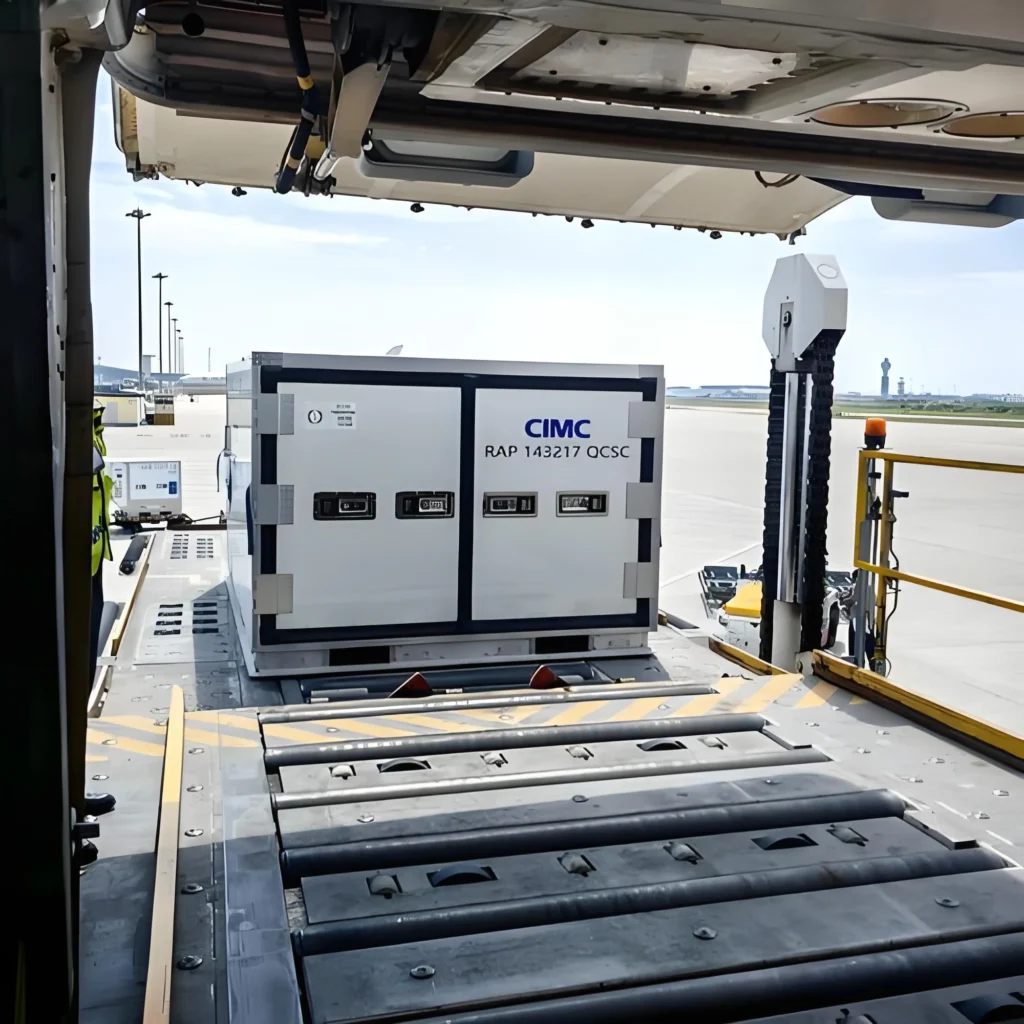
Why Aerospace Components and Sensitive Equipment Need Specialized Logistics
Sensitive loads can appear solid or securely packed, but can be damaged by vibration, shock, moisture, contamination, pressure, improper lifting, or improper storage. Unlike typical freight, high-value aerospace parts and precision industrial equipment have unique risks and vulnerabilities.
These products often have close tolerances in microns, very fine surfaces which will not tolerate even slight scratches, and calibrated systems which, after repeated jolts, will no longer operate accurately. Avionics cabinets are susceptible to moisture or condensation and cleanroom machinery cannot have any dust or oil. Any transport problem can lead to expensive re-calibration, re-working or project delays that can impact the entire production schedule.
For precision components, avionics cabinets, calibrated equipment, and high-value machinery, professional aerospace engineering logistics helps connect cargo assessment, protective packaging, route planning, handling control, and inspection records into one coordinated transport plan.
| Logistics Challenge | Why It Matters |
| High Cargo Value | Damage can create major financial loss and project delay |
| Precision Tolerances | Vibration or improper support may affect dimensional accuracy |
| Sensitive Surfaces | Scratches, corrosion, or contamination can affect usability |
| Calibrated Equipment | Shock or vibration may require recalibration or inspection |
| Electrical Components | Moisture and impact can cause functional failure |
| Clean Handling Needs | Dust, oil, or debris may affect sensitive assemblies |
| Documentation Traceability | Inspection records help confirm condition and accountability |
| Schedule Dependency | Damaged equipment may delay production, testing, or installation |
Common Cargo Types That Require Sensitive Logistics Planning
Aerospace and sensitive equipment logistics encompasses many types of cargo, not just aircraft parts. This meticulous approach is carried out with many precision and high-value items.
The same transport stresses are required to protect all of the structural components, turbine sections, and control systems. Sensitivity is further enhanced by test equipment, robotics, and optical instruments. Even mold and jigs of the aerospace manufacturing industry have to be kept to precise dimensions in the entire process.
| Cargo Type | Logistics Consideration |
| Aerospace Structural Components | Surface protection, dimensional stability, and support points |
| Turbine Components | Shock protection, corrosion control, and careful handling |
| Avionics Cabinets | Moisture protection, anti-vibration handling, and documentation |
| Testing Equipment | Calibration sensitivity and controlled handling |
| Precision Tooling | Surface protection, stable support, and clean packing |
| Jigs and Fixtures | Dimensional accuracy and deformation prevention |
| Cleanroom Equipment | Dust control, sealed packaging, and careful unloading |
| Robotics Equipment | Electrical protection, vibration control, and lifting planning |
| Measurement Instruments | Shock indicators, controlled packaging, and inspection records |
| High-Value Machinery | Route planning, cargo securing, and site delivery coordination |
Cargo Assessment Before Transport
A technical cargo assessment is the right way to start transporting sensitive cargo, not just a freight booking. All of the details are important before the first truck arrives.
Providing accurate dimensions, gross weight, center of gravity and approved lift points prevents structural stress and appropriate equipment/container selection. An understanding of the fragility and limits of calibration and the instructions for handling the product by the manufacturer enable the team to create packages and fastening systems that are appropriate to the risks actually faced in the world.
| Data to Confirm | Why It Matters |
| Dimensions | Determines container, trailer, route, and packaging requirements |
| Gross Weight | Affects lifting equipment, trailer selection, and load distribution |
| Center of Gravity | Supports safe lifting and transport stability |
| Lifting Points | Prevents structural stress during crane or forklift handling |
| Tie-Down Points | Helps avoid securing pressure on sensitive areas |
| Support Points | Prevents deformation or uneven load stress |
| Sensitive Surfaces | Guides wrapping, padding, and contact protection |
| Calibration Sensitivity | Determines shock control and post-delivery inspection needs |
| Moisture Sensitivity | Supports sealed packaging, desiccants, or vacuum protection |
| Handling Instructions | Reduces risk during loading, unloading, and storage |
Packaging and Protection Requirements for Sensitive Cargo
Packaging for sensitive goods should be planned based on actual transportation hazards such as shock, vibration, water, corrosion, dust, crush, and handling locations. One size fits all crates don’t necessarily work.
Layered defense is achieved through custom wooden crating, foam support, vibration-damping pads and vapor barrier films. For long ocean voyages, vacuum sealing and desiccants take the place of breathing and drinking water; and for long ocean voyages, corrosion inhibitors protect the metal surfaces that have been machined for long exposure to salt air. Immediate visual proof of proper handling with clear labels and shock/tilt indicators.
| Protection Method | Best Used For | Purpose |
| Wooden Crating | High-value components and machinery | Provides structural protection during handling |
| Foam Supports | Fragile or precision parts | Reduces impact and contact damage |
| Vibration-Damping Pads | Calibrated or sensitive equipment | Helps reduce vibration exposure |
| Vapor Barrier Packaging | Moisture-sensitive equipment | Limits humidity and condensation |
| Vacuum Sealing | Corrosion-prone or long-distance export cargo | Reduces moisture exposure during transit |
| Desiccants | Electrical cabinets and instruments | Helps control internal humidity |
| Corrosion Inhibitors | Metal components and machined surfaces | Reduces rust risk during storage or ocean transport |
| Dust-Proof Sealing | Cleanroom or optical equipment | Protects against contamination |
| Shock / Tilt Indicators | Sensitive cargo needing condition monitoring | Provides visible evidence of abnormal handling |
Vibration, Shock, and Handling Risk Control
It may cause damage to sensitive equipment even if it is caused by non-external factors. Calibration, alignment, electronics, precision surfaces and internal assemblies can be affected by vibration and shock.
Standard freight sensors don’t measure the forces of road vibration, port crane swings or forklift jolts or sea motion. These forces are controlled by proper support, blocking and lashing at approved points. Shock indicators and post-arrival inspections provide further verification.
| Risk Source | Possible Impact | Control Measure |
| Road Vibration | Calibration drift, loose parts, or fatigue | Use shock-absorbing supports and stable load distribution |
| Forklift Handling | Impact or frame deformation | Use marked forklift pockets or approved lifting points |
| Crane Lifting | Swinging, impact, or stress concentration | Use proper rigging, spreader beams, and lifting plan |
| Sudden Braking | Cargo shifting or internal shock | Apply suitable lashing, blocking, and anti-slip materials |
| Sea Transport Motion | Repeated movement and vibration | Use bracing, moisture protection, and inspection records |
| Excessive Lashing Pressure | Surface damage or structural stress | Lash at approved points and avoid sensitive areas |
| Poor Support | Deformation or uneven stress | Use engineered supports or custom bases |
Route Planning and Transport Mode Selection
Cargo sensitivity, size, schedule, value, and exposure to the environment are all factors to consider when choosing the right transport mode and route, not just cost. The straightest course is sometimes the most advantageous.
Air freight is used for urgent small components, sea freight for larger parts when used with a flat rack or open top container for oversized aerospace parts. Closed trucks ensure protection of weather-sensitive loads, while lowbed trailers are only suitable for heavy and tall equipment that requires limited handling points. The reduction in unnecessary vibrations and shocks are achieved through route surveys that take into account road quality and frequency of transshipment.
| Transport Option | Suitable For | Key Risk to Manage |
| Air Freight | Urgent, high-value, smaller sensitive components | Packaging, security, and handling control |
| Closed Truck | Weather-sensitive equipment | Vibration, loading method, and internal securing |
| Lowbed Trailer | Heavy or tall machinery | Route clearance, load distribution, and lifting plan |
| Flat Rack Container | Oversized or heavy cargo | Weather exposure, lashing, and port handling |
| Open Top Container | Tall equipment loaded from above | Rain protection and crane lifting control |
| Sea Freight | Large or heavy international shipments | Moisture, salt air, vibration, and port handling |
| Multi-Modal Transport | Complex international movements | Interface control between each transport stage |
Clean Handling and Environmental Control
Dust, humidity, salt air, temperature and contamination may be a concern for aerospace components and sensitive equipment. Just a few hours of exposure can negatively affect performance.
Dust-proof sealing and controlled loading areas, indoor staging prevent contamination. Vapor barriers and desiccants control humidity and marine grade treatments counter salt air in ocean legs. Condensation is kept at bay by temperature monitoring and appropriate storage conditions during transit.
| Environmental Factor | Cargo Risk | Preventive Measure |
| Dust | Contamination of sensitive surfaces or systems | Dust-proof wrapping and clean handling |
| Humidity | Corrosion, condensation, or electrical issues | Desiccants, vapor barrier, and sealed packaging |
| Salt Air | Accelerated corrosion during sea transport | Anti-rust treatment and marine-grade protection |
| Temperature Fluctuation | Condensation inside packaging | Moisture indicators and controlled storage when needed |
| Outdoor Storage | Rain, UV, dust, and accidental impact | Indoor storage or weatherproof covering |
| Dirty Handling Area | Surface contamination | Clean loading area and covered staging zone |
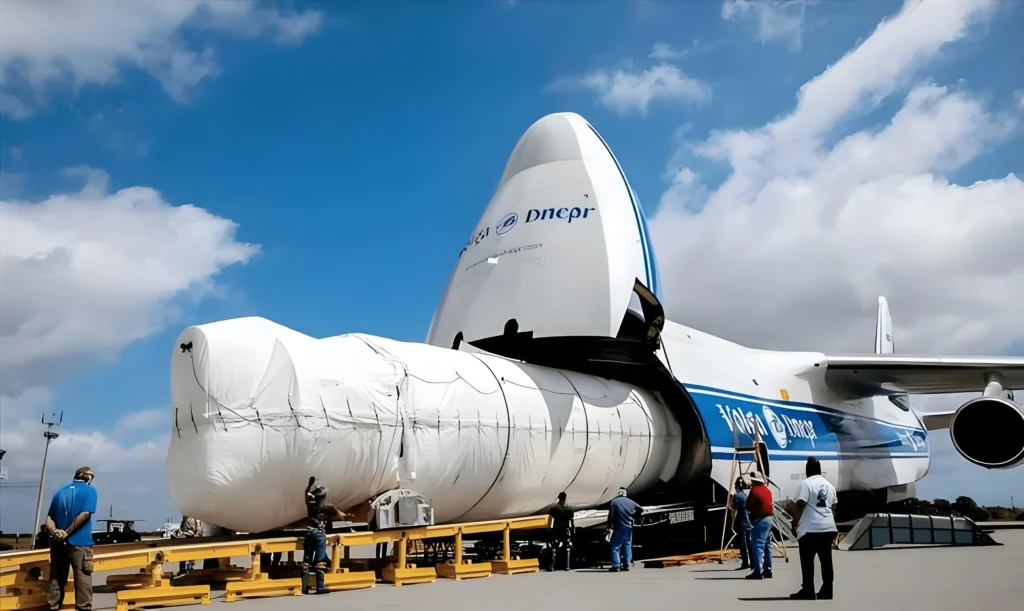
Lifting, Loading, and Securing Sensitive Equipment
Lifting and securing methods will not need to simply hold the cargo, but must protect it from damage and loss of effectiveness. All contact points need to adhere to manufacturer’s requirements.
Localized stress is prevented by approved lifting points, spreader beams and sling protection. Blocking/bracing prevents movement without crushing surfaces and final photo records and supervisor sign-off ensures accountability prior to departure.
| Handling Area | What to Check | Why It Matters |
| Lifting Points | Approved lifting positions and load rating | Prevents structural damage |
| Rigging Method | Slings, shackles, spreader beams, and lifting angle | Maintains balance and avoids stress concentration |
| Forklift Handling | Fork pockets, approach angle, and floor condition | Reduces impact and frame deformation |
| Support Points | Base contact, custom supports, and load distribution | Prevents uneven stress during transit |
| Lashing Points | Approved securing locations only | Avoids pressure on sensitive components |
| Blocking and Bracing | Movement prevention without damaging surfaces | Maintains stability during transport |
| Final Inspection | Photos, checklist, and supervisor approval | Creates accountability before departure |
Documentation, Traceability, and Inspection Records
Documentation is a component of cargo control and quality assurance for aerospace and sensitive equipment. Full records eliminate potential conflicts.
Packing lists, handling instructions, condition photos before/after key stages and Shock/tilt indicator logs are all involved in traceability. Each party is clearly aware of their responsibility through the use of serial numbers, inspection reports and chain-of-custody notes.
| Record or Document | Why It Matters |
| Cargo Drawings | Helps plan lifting, securing, and support points |
| Handling Instructions | Prevents incorrect lifting, stacking, or storage |
| Packing List | Supports cargo identification and customs clearance |
| Serial Number / Asset ID | Improves traceability and receiving control |
| Condition Photos | Records cargo condition before, during, and after transport |
| Inspection Report | Confirms packaging, securing, and delivery condition |
| Shock / Tilt Indicator Record | Shows whether abnormal handling may have occurred |
| Insurance Documents | Supports risk coverage and claim process |
| Delivery Report | Confirms final receipt and cargo condition |
Common Mistakes When Shipping Aerospace Components and Sensitive Equipment
Even the most advanced team can miss something that will cause trouble downstream. Knowing about these problems will prevent them.
The most common mistake is to treat sensitive equipment as ordinary freight. Packaging alone isn’t enough if there is no control over handling methods, vibration is not accounted for or lashing is not done at an approved location. Not including condition photos or giving handling instructions to all contractors leaves gaps in accountability.
| Mistake | Better Practice |
| Treating sensitive cargo as standard freight | Plan around cargo sensitivity, value, handling limits, and environmental exposure |
| Relying only on a crate | Combine packaging with lifting, securing, route, and storage controls |
| Ignoring vibration risk | Use shock-absorbing support and stable load distribution |
| Lashing at wrong points | Use approved tie-down points and avoid sensitive areas |
| Excessive securing pressure | Control lashing tension and protect contact surfaces |
| Weak moisture protection | Use vapor barriers, desiccants, or sealed packaging where needed |
| No condition records | Take photos and inspection notes at key stages |
| Poor handover communication | Share handling instructions with every contractor involved |
How to Choose a Logistics Partner for Sensitive Aerospace Cargo
Logistics service providers must be judged not just for their speed of delivery or freight charges, but in their ability to ensure the condition of the contents and minimise risk. A capable partner is one who has technical expertise, whereas a mere ordinary forwarder would not.
Search for successful experience in handling high value and precision goods, processes of cargo assessment and in-house expertise of protective packaging, vibration management and clean handling. Good documentation, field supervision and contingency plans ensure confidence that all stages will be progressed professionally.
| Logistics Capability | Why It Matters |
| Sensitive Cargo Experience | Helps identify risks that may not be visible from cargo size alone |
| Technical Assessment | Supports proper lifting, support, packaging, and securing planning |
| Protective Packaging Support | Reduces moisture, shock, dust, and corrosion risk |
| Route and Mode Planning | Balances cost, time, handling frequency, and environmental exposure |
| Lifting and Securing Knowledge | Prevents stress, shifting, and handling damage |
| Inspection Records | Creates traceability and accountability |
| Field Supervision | Ensures loading and securing follow the approved plan |
| Documentation Control | Supports customs, insurance, and receiving inspection |
| Contingency Planning | Prepares for delays, weather exposure, or handling changes |
Conclusion — Sensitive Cargo Logistics Is About Condition Control
When it comes to transporting aerospace components and sensitive equipment, it’s not enough to simply book a truck, container or air shipment. The actual objective is to preserve the performance and surface state, as well as the calibration, traceability, and readiness for installation of the cargo. Combined packaging, handling, securing of goods, route planning and inspection can help sensitive goods to be moved with reduced risks and enhanced project control.
Best results are achieved when logistics planning begins before pick-up and continues through the final receiving inspection. Evaluating whether or not real cargo can be handled under the plan’s control – not just whether the shipment can be moved at low cost – consistently leads to smoother projects and higher equipment reliability, for buyers.