
SSeasonal weather directly affects hazardous cargo transport by introducing variables that can compromise packaging integrity, cargo stability, and overall shipment safety. Temperature extremes, humidity spikes, rain, storms, snow, high winds, port congestion, road restrictions, and prolonged outdoor exposure may heighten risks such as leakage, vapor pressure buildup, corrosion, label failure, container stress, or delayed emergency response. For shipments of flammable liquids, corrosives, toxic materials, batteries, industrial gases, or temperature-sensitive chemicals—especially those moved on flat racks or open top containers—these conditions demand careful attention from the earliest planning stages.
Seasonal weather should be treated as a hazardous cargo risk factor, not only as a scheduling inconvenience. Many shippers focus on weather only when storms delay a vessel or truck, but hazardous cargo can be affected long before a delay occurs—during storage, outdoor staging, loading, inland transport, terminal waiting time, and unloading. Reviewing SDS/MSDS storage conditions, packaging compatibility, route exposure, weather protection, carrier capability, and emergency plans before transport helps chemical exporters, manufacturers, and logistics teams reduce preventable issues and maintain compliance.
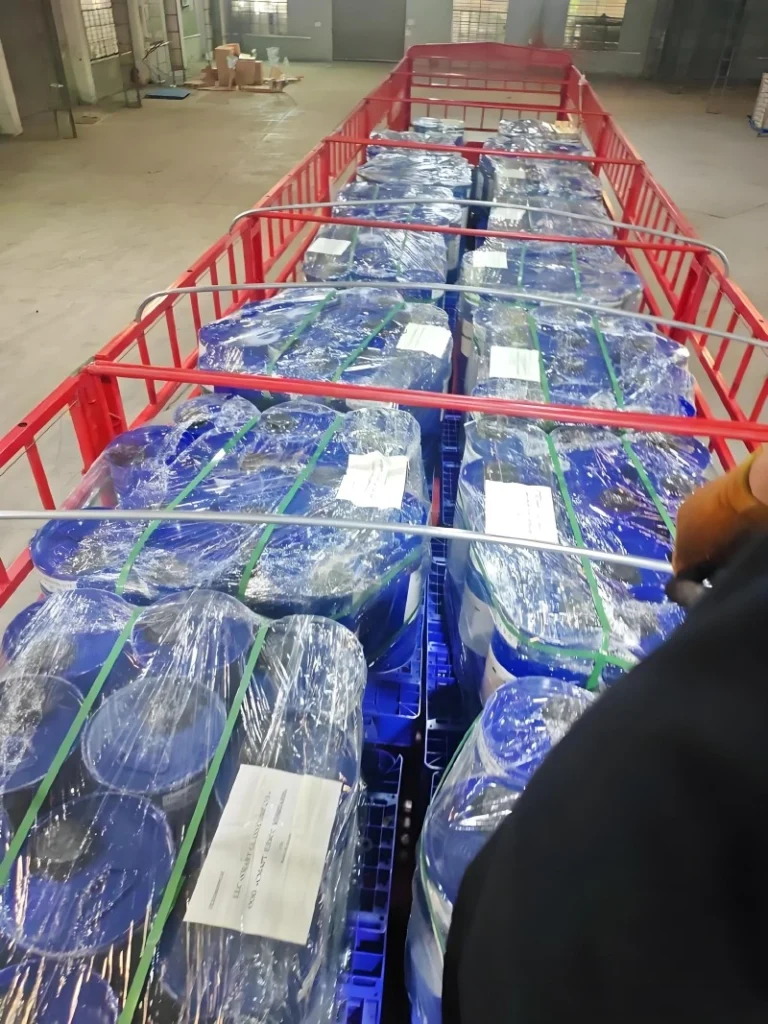
Why Seasonal Weather Matters in Hazardous Cargo Transport
Hazardous cargo can react differently to environmental exposure depending on its chemical properties, packaging type, transport mode, and route. What works in mild conditions may fail under seasonal stress, making early assessment critical for hazardous cargo shipping safety.
Key considerations include temperature stability, vapor pressure changes, packaging strength, corrosion and moisture exposure, label durability, cargo securing and movement, loading and unloading safety, port and road delays, emergency response access, and carrier and terminal requirements. When dealing with heat, humidity, storms, freezing conditions, or long outdoor dwell time, seasonal considerations for hazardous cargo handling should be reviewed before packaging, routing, and loading decisions are finalized.
| Weather Factor | Possible Impact on Hazardous Cargo |
| High Temperature | Vapor pressure, packaging stress, fire or instability risk |
| Low Temperature | Freezing, expansion, separation, or container stress |
| Rain | Wet packaging, corrosion, label damage, slip hazards |
| Humidity | Moisture damage, rust, carton weakening, label deterioration |
| Storms / Typhoons | Delays, rough handling, port closure, extended dwell time |
| Snow / Ice | Road restrictions, loading hazards, temperature exposure |
| High Winds | Unsafe lifting, open cargo exposure, unstable covers |
| Seasonal Congestion | Longer storage time and higher exposure risk |
Hot Weather Risks: Heat, Sunlight, and Vapor Pressure
Hot weather can create both cargo stability and packaging integrity risks in hazardous cargo transport, particularly for volatile or heat-sensitive materials.
Direct sunlight and high ambient temperatures accelerate chemical reactions, increase vapor pressure in liquids and gases, and soften or weaken certain packaging materials. This is especially relevant for flammable liquids, aerosols, and gas cylinders where expansion or pressure buildup can lead to leaks or safety incidents. Extended dwell times in unshaded terminals or yards compound the issue.
| Hot Weather Risk | Possible Consequence | Prevention Method |
| High Ambient Temperature | Increased vapor pressure or instability | Confirm safe temperature range before shipment |
| Direct Sunlight | Localized heating and packaging stress | Use shade, covers, or controlled staging |
| Liquid Expansion | Leakage or closure stress | Leave proper headspace where required |
| Flammable Vapor | Higher ignition concern | Control ignition sources and ventilation |
| Heat-Sensitive Cargo | Degradation or unsafe condition | Use temperature monitoring or controlled transport |
| Long Yard Dwell Time | Extended heat exposure | Plan pickup, customs, and port timing early |
Cold Weather Risks: Freezing, Expansion, and Packaging Stress
Cold weather can damage both the cargo and the packaging system during hazardous cargo transport, turning routine shipments into high-risk operations.
Freezing temperatures cause liquids to expand, potentially cracking containers or compromising seals. Chemical separation or crystallization may occur, while packaging materials become brittle and more prone to impact damage. Icy loading areas and road restrictions add further handling and transit hazards.
| Cold Weather Risk | Possible Consequence | Prevention Method |
| Freezing Liquids | Expansion, container stress, or leakage | Confirm minimum safe temperature |
| Chemical Separation | Product instability or quality loss | Review SDS/MSDS and product stability data |
| Brittle Packaging | Cracking or impact damage | Use cold-resistant packaging where needed |
| Seal Hardening | Closure or gasket failure | Inspect seals before loading and delivery |
| Icy Loading Areas | Worker injury or dropped cargo | Control loading surface safety |
| Road Restrictions | Delay and extended exposure | Build contingency time into route planning |
Rainy Season and Humidity Risks
Rain and humidity can create packaging, corrosion, labeling, and handling problems even when the cargo itself does not react with water.
Prolonged moisture exposure weakens outer cartons, promotes rust on metal components, and causes labels to peel or fade—directly affecting hazard communication. Wet pallets lose stability, and slippery surfaces increase loading accidents. Moisture-sensitive hazardous materials require extra barriers to prevent contamination or degradation.
| Rain / Humidity Risk | Possible Impact | Prevention Method |
| Wet Cartons | Loss of stacking strength | Use dry storage and moisture-resistant packaging |
| Corrosion | Drum, cylinder, or equipment weakening | Apply anti-rust protection where needed |
| Damaged Labels | Poor hazard communication | Use durable, protected labels |
| Wet Pallets | Instability or collapse | Inspect pallets before loading |
| Moisture-Sensitive Cargo | Reaction, degradation, or contamination | Use moisture barriers or controlled storage |
| Slippery Loading Area | Handling accidents | Improve floor control and loading supervision |
Storms, Typhoons, and Severe Weather Delays
Severe weather can create indirect hazardous cargo risks by extending transit time, increasing handling uncertainty, and creating storage pressure.
Port closures, vessel delays, and terminal congestion force cargo to remain in uncontrolled environments longer than planned. Rough sea conditions heighten movement forces, while emergency rerouting may expose shipments to unfamiliar handling protocols. Clear communication becomes even more vital.
| Severe Weather Issue | Hazardous Cargo Risk | Planning Response |
| Port Closure | Extended storage or missed sailing | Check weather windows and booking flexibility |
| Terminal Congestion | Longer dwell time and exposure | Prepare documents early and monitor cargo status |
| Trucking Delay | Temperature or storage condition risk | Plan pickup and delivery buffers |
| Rough Sea Conditions | Higher cargo movement forces | Verify lashing, blocking, and bracing |
| Emergency Rerouting | Route restrictions or unknown handling conditions | Confirm hazardous cargo route acceptance |
| Communication Gaps | Slow response during delays | Define carrier and consignee contact chain |
Weather Effects on Packaging and Container Selection
Packaging and container selection should account for seasonal exposure, not only cargo dimensions and freight cost.
Choosing the right drums, IBCs, cylinders, crates, or overpacks can make the difference between a stable journey and an incident. For OOG shipments on flat racks or open top containers, additional weatherproofing is often essential. Secondary containment, insulated options, and protective covers help maintain integrity when conditions turn challenging.
| Packaging / Container Decision | Seasonal Weather Consideration |
| Steel Drums | Check corrosion risk in humid or rainy seasons |
| HDPE Drums | Confirm heat and chemical compatibility |
| IBCs | Protect valves, frames, and labels from weather exposure |
| Cylinders | Protect from heat, impact, and corrosion |
| Wooden Crates | Protect from rain, swelling, and moisture damage |
| Open Top Containers | Need top protection against rain and sun |
| Flat Racks | Require weatherproofing and strong cargo securing |
| Reefer / Controlled Transport | Needed for strict temperature-sensitive cargo |
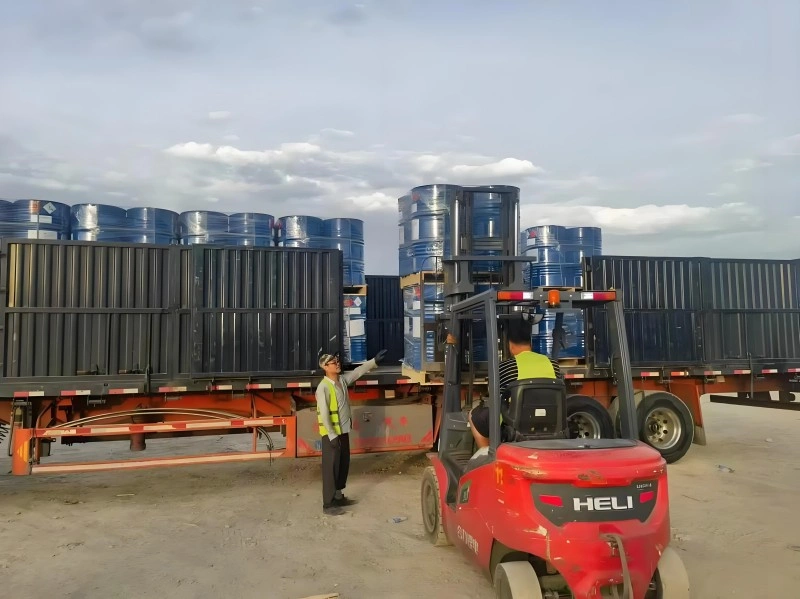
Weather Effects on Loading, Lashing, and Cargo Securing
Seasonal weather can affect loading safety and cargo restraint performance in hazardous cargo transport.
Wet or icy surfaces, high winds during crane operations, and rain-soaked lashing materials all reduce reliability. Proper blocking, bracing, and anti-slip measures become more critical when conditions are unpredictable. Final pre-dispatch inspections should always factor in the forecast.
| Weather-Related Securing Issue | Possible Risk | Prevention Method |
| Wet Loading Surface | Slip, drop, or forklift handling risk | Improve loading area control |
| High Wind | Unsafe crane lifting or cover movement | Delay lifting when conditions are unsafe |
| Rain on Lashing Materials | Corrosion or reduced reliability | Inspect straps, chains, and tensioners |
| Rough Sea Conditions | Increased cargo movement forces | Strengthen lashing, blocking, and bracing |
| Wet Dunnage | Weak support or mold risk | Use suitable protected materials |
| Loose Covers | Water entry or cargo exposure | Secure covers and inspect before dispatch |
Seasonal Route Planning for Hazardous Cargo
Seasonal route planning helps reduce exposure to weather-related delays, restrictions, and unsafe handling conditions in hazardous cargo transport.
Reviewing forecasts, monitoring port schedules, and identifying alternative routes allows teams to avoid known trouble spots. Customs preparation and delivery-window alignment further minimize avoidable dwell time.
| Route Planning Factor | Seasonal Risk It Helps Manage |
| Weather Forecast Review | Avoids known storm, heat, or freezing periods where possible |
| Port Schedule Monitoring | Reduces risk of missed sailings or long dwell time |
| Road Condition Review | Helps avoid flooding, snow, or restricted routes |
| Alternative Route Planning | Supports faster response if primary route is disrupted |
| Carrier Capability Check | Confirms ability to handle hazardous cargo in seasonal conditions |
| Customs Preparation | Reduces avoidable storage delays |
| Delivery Window Planning | Prevents cargo arriving when unloading conditions are unsafe |
Monitoring and Communication During Seasonal Transport
Seasonal weather increases the need for shipment visibility and clear communication during hazardous cargo transport.
Real-time tools such as GPS tracking, temperature and humidity sensors, and weather alerts enable proactive adjustments. Maintaining an up-to-date emergency contact chain ensures rapid response if conditions worsen.
| Monitoring / Communication Tool | Practical Benefit |
| GPS Tracking | Shows route progress and delay locations |
| Temperature Sensor | Detects heat or freezing exposure |
| Humidity Sensor | Helps monitor moisture-sensitive cargo risk |
| Weather Alert | Supports proactive route or schedule changes |
| Port Update | Helps anticipate dwell time and congestion |
| Carrier Communication | Keeps shipper informed of delays or exposure risks |
| Emergency Contact Chain | Supports faster response if conditions worsen |
Common Seasonal Weather Planning Mistakes
Weather-related problems often happen because seasonal risks are considered too late in the hazardous cargo transport process.
Common oversights include booking without checking patterns, using standard packaging for sensitive cargo, ignoring port dwell time during storm season, or failing to weatherproof open-top or flat-rack loads. Assuming the carrier will handle everything is another frequent error.
| Mistake | Possible Consequence |
| No Weather Risk Review | Unexpected delay, exposure, or unsafe handling |
| Poor Moisture Protection | Label damage, corrosion, packaging weakness |
| No Temperature Planning | Freezing, heat damage, or cargo instability |
| Ignoring Port Dwell Time | Extended exposure in uncontrolled conditions |
| Weak Weatherproofing | Rain or sun damage on exposed cargo |
| No Contingency Route | Longer delays during storms or closures |
| Poor Communication | Slow response when weather conditions change |
Seasonal Hazardous Cargo Transport Checklist
A checklist helps shippers prepare for weather risks before cargo enters the transport chain.
Using a structured review ensures nothing is overlooked and supports consistent hazardous cargo handling practices.
| Seasonal Planning Item | Confirmed |
| SDS/MSDS reviewed for temperature and storage limits | Yes / No |
| Cargo temperature sensitivity confirmed | Yes / No |
| Packaging selected for seasonal conditions | Yes / No |
| Moisture and corrosion protection planned | Yes / No |
| Labels protected against rain, humidity, and abrasion | Yes / No |
| Route weather risks reviewed | Yes / No |
| Port and terminal dwell time risks checked | Yes / No |
| Flat rack/open top weather exposure reviewed if applicable | Yes / No |
| Lashing and securing suitable for seasonal conditions | Yes / No |
| Monitoring devices selected if needed | Yes / No |
| Carrier capability confirmed | Yes / No |
| Emergency contact chain prepared | Yes / No |
| Contingency plan prepared for delay or rerouting | Yes / No |
How Logistics Providers Help Manage Seasonal Weather Risks
Experienced logistics providers can help shippers plan for seasonal conditions by coordinating packaging, routing, timing, carrier selection, and monitoring.
They review cargo sensitivity and SDS/MSDS details, advise on weather-appropriate packaging and protection, plan routes around known disruptions, and support appropriate lashing and monitoring. This collaborative approach reduces avoidable delays and strengthens overall hazardous cargo weather protection without promising the impossible.
Conclusion — Seasonal Weather Planning Protects Hazardous Cargo Safety
Seasonal weather can affect hazardous cargo through heat, cold, humidity, rain, storms, road conditions, port delays, and extended exposure. Shippers who review cargo sensitivity, packaging, storage, route exposure, loading conditions, monitoring, and emergency response before transport make safer, more reliable decisions.
Hazardous cargo transport becomes safer when seasonal weather is considered early. By reviewing temperature limits, moisture protection, container choice, route exposure, port dwell time, and emergency communication before shipment, shippers can reduce the risk of leakage, damage, instability, and avoidable delay. A structured checklist and proactive planning turn weather from a hidden threat into a manageable factor in every hazardous cargo shipment.