
Pre-shipment survey and measurement minimizes transport risks by converting the uncertainty of the cargo information to a verified set of facts that logistics teams can use to select a transport method, to review the feasibility of the route, to plan the crane, to design the lashing, to document the cargo, to approve it for transport, and to coordinate the final delivery. OOG cargo items are frequently larger in size than standard, and even a slight mistake in height, width, packed size or weight can cause problems with the bridge clearance, permit applications, crane size matching, unsafe lashing or costly delays. A pre-shipment survey for OOG cargo verifies true cargo dimensions, gross weight, center of gravity, lifting points, support points, and site access prior to the cargo’s departure from the factory, warehouse or project site. It is beneficial in helping to select the appropriate lowbed trailer, ultra-low flatbed, flat rack container, open top container, breakbulk option, or heavy lift vessel, as well as in assisting with route permits, customs documents and insurance records.
There are still some shippers who consider that drawings will be sufficient to provide a ‘ballpark’ estimate. However, in reality, OOG cargo planning requires actual measurements of the final packed configuration, such as protruding parts and protective framing, on site. Pre-shipment survey is not a preparatory task before the transport but it’s the basis for safe logistics planning for OOG: all subsequent decisions rely on reliable information about the goods.
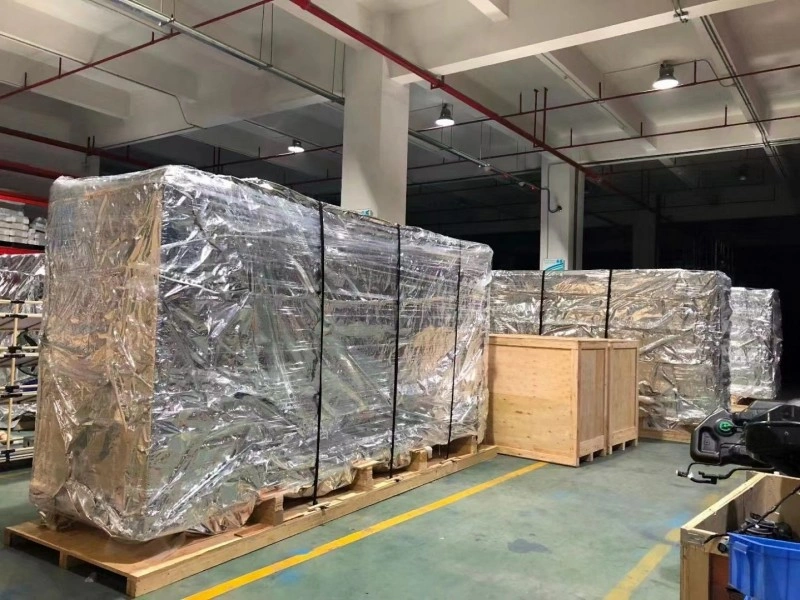
What Is a Pre-Shipment Survey for OOG Cargo?
Pre-shipment survey: On-site and/or remote technical evaluation of cargo prior to full cargo planning. It confirms cargo dimensions, weight, condition, lifting points, handling restrictions, packing requirements and support points, so logistics teams can determine if the cargo can safely be transported by one of the standard heavy transport, flat rack, open top, breakbulk, modular transport or heavy lift options. Most processes feature comprehensive measurements logs, high-resolution photographs, videos, technical sketches, packing information, site access specifics, etc. The aim is to minimize uncertainty prior to the movement of cargo.
| Survey Item | What It Confirms |
| Cargo Dimensions | Actual length, width, height, and protruding parts |
| Gross Weight | Actual transport weight including cargo and packaging |
| Final Packed Size | Size after crates, frames, covers, or protection are added |
| Cargo Condition | Surface condition, rust, coating damage, missing parts, or fragile areas |
| Lifting Points | Safe positions for crane hooks, slings, or spreader beams |
| Support Points | Strong areas for trailer, flat rack, or storage support |
| Packaging Needs | Moisture, rust, shock, surface, or weather protection requirements |
| Site Access | Road width, gate size, ground condition, and loading space |
Why Accurate Measurement Matters More for OOG Cargo
OOG cargo can’t deal with slight data differences – standard freight can. Measurements are the key to smooth deliveries and avoid costly surprises when equipment and route limitations are being tested by over-height, over-width, over-length, heavy, and odd-shaped loads.
| Measurement Issue | Possible Transport Risk |
| Incorrect Height | Bridge, tunnel, port gate, or open top clearance problem |
| Incorrect Width | Route permit issue, flat rack over-width surcharge, or terminal access problem |
| Incorrect Length | Wrong trailer, poor support, turning restriction, or stowage issue |
| Incorrect Weight | Wrong crane, trailer overload, permit rejection, or unsafe axle load |
| Missing Protrusions | Cargo may exceed planned transport envelope |
| Ignoring Packed Size | Cargo may not fit selected container, trailer, or vessel space |
| No Center-of-Gravity Data | Loading, lifting, and transport stability risks |
| Incomplete Cargo Photos | Carrier, port, or customs review may be delayed |
Key Cargo Data to Collect Before Planning Transport
Full cargo information is essential for effective OOG planning, beyond length, width, height and weight. When dealing with oversized cargo which needs verified dimensions, lifting review, route feasibility and carrier approval, accurate OOG logistics services should start with a pre-shipment survey prior to booking. When you gather all of the facts up front, you’re not making assumptions later that may cause issues.
| Cargo Data | Why It Is Needed |
| Cargo Name and Function | Helps customs, carriers, and logistics teams understand the shipment |
| Verified Dimensions | Determines transport method, route, and carrier acceptance |
| Final Packed Dimensions | Prevents mismatch between cargo and planned equipment |
| Gross Weight and Net Weight | Determines trailer, crane, vessel, and permit requirements |
| Center of Gravity | Supports lifting, loading, and stability planning |
| Lifting Points | Helps avoid unsafe crane handling or cargo damage |
| Support Points | Prevents deformation during transport or storage |
| Photos and Videos | Reveal shape, protrusions, openings, and fragile areas |
| Drawings or 3D Files | Support technical review and load planning |
| Packaging Method | Affects final size, protection, and handling requirements |
| Hazardous Components | Supports documentation, declaration, and carrier approval |
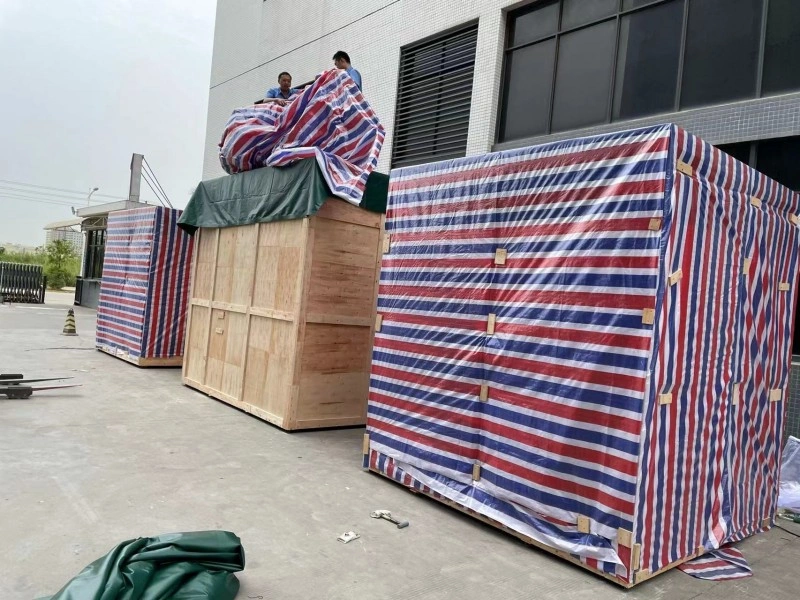
How Survey Data Helps Choose the Right Transport Method
If the data in the survey is complete, the selection of transport methods becomes much more accurate. When the information verified, the planner can determine the best and most cost efficient option for the cargo, instead of guessing.
| Survey Finding | Possible Transport Decision |
| Cargo Is Over-Height | Consider lowbed trailer, ultra-low flatbed, open top, or flat rack |
| Cargo Is Over-Width | Consider flat rack, breakbulk, or route permit review |
| Cargo Is Very Long | Consider extendable trailer, flat rack, or breakbulk shipping |
| Cargo Is Extremely Heavy | Consider multi-axle trailer, modular transport, or heavy lift |
| Cargo Has Irregular Shape | Plan customized support, lashing, and possibly flat rack or breakbulk |
| Cargo Has High Center of Gravity | Review trailer height, lashing design, and stability control |
| Cargo Has Sensitive Components | Add protection, shock control, and inspection records |
| Cargo Cannot Be Containerized Safely | Consider breakbulk or heavy lift vessel options |
How Pre-Shipment Survey Reduces Route Planning Risks
The exact size and weight are key components in route planning. Survey data can help teams determine clearance issues, axle load limits, permit requirements, and much more, before the cargo gets onto the road.
| Route Risk | How Survey Data Helps Reduce It |
| Low Bridge Clearance | Confirms total loaded height before route approval |
| Narrow Road Width | Confirms whether cargo width needs special routing or escorts |
| Sharp Turns | Helps evaluate turning radius for long cargo |
| Weak Bridge Limit | Weight data supports axle load and bridge review |
| Overhead Cable Risk | Height data helps identify route adjustment needs |
| Port Gate Restriction | Confirms whether cargo can enter the terminal |
| Factory Exit Problem | Site survey checks gates, ramps, and internal roads |
| Permit Error | Verified data reduces permit amendment or rejection risk |
How Survey Data Supports Crane Loading and Lifting Safety
When the weight of the load, its center of gravity, or lifting points are not known, lifting risk skyrockets. Survey data is key to safety when selecting cranes and planning rigging.
| Lifting Planning Item | Why Survey Data Matters |
| Gross Weight | Determines crane capacity and rigging requirements |
| Center of Gravity | Helps prevent tilting, rotation, or unstable lifting |
| Lifting Points | Confirms where slings or hooks can be attached safely |
| Cargo Shape | Helps select spreader beam, lifting beam, or special rigging |
| Working Radius | Affects actual crane capacity at the loading site |
| Lifting Height | Determines boom length and crane setup |
| Site Space | Confirms crane positioning and trailer/container access |
| Ground Condition | Helps review outrigger support and ground bearing safety |
| Trial Lift Decision | Survey data helps decide whether extra lifting checks are needed |
How Measurement Reduces Lashing, Blocking, and Bracing Risks
Cargo securing can only be designed correctly if logistics team is familiar with the geometry, weight, support points and contact surfaces of the cargo. Survey data makes the lashing points usable, blocking effective and fragile surfaces protected.
| Securing Planning Area | How Accurate Data Helps |
| Cargo Weight | Determines required lashing strength |
| Cargo Shape | Helps decide lashing direction and contact points |
| Support Points | Prevents deformation or point-load damage |
| Lashing Points | Confirms whether chains or straps can be attached safely |
| Contact Surfaces | Helps protect painted, machined, or fragile areas |
| Cargo Footprint | Supports blocking, bracing, and deck layout planning |
| Center of Gravity | Helps control stability during braking, turning, or sea movement |
| Final Packed Size | Ensures lashing access remains available after packaging |
How Survey Records Help Documentation, Customs, and Carrier Approval
Cargo securing can only be designed correctly if logistics team is familiar with the geometry, weight, support points and contact surfaces of the cargo. Survey data makes the lashing points usable, blocking effective and fragile surfaces protected.
| Approval / Document Area | How Survey Records Help |
| Packing List | Confirms dimensions, weight, package count, and packing method |
| Bill of Lading | Helps avoid incorrect cargo description or measurement details |
| Carrier Approval | Provides cargo data for flat rack, open top, or breakbulk review |
| Load Plan | Shows how cargo should be positioned for transport |
| Lashing Plan | Supports carrier and port safety review |
| Customs Documents | Helps explain cargo type, size, and technical details |
| Insurance Records | Documents cargo condition before transport |
| Port Handling | Helps terminal evaluate crane, storage, and gate access needs |
| Inspection Support | Photos and measurement records help answer review questions |
Common Risks Caused by Estimated or Incomplete Cargo Data
The documents have also been recorded in a survey that minimise paperwork and approval risks as it delivers consistent information that is verifiable and trusted by both the carrier and the port and customs authorities.
| Incomplete Data Problem | Possible Result |
| Estimated Dimensions | Wrong trailer, container, route, or vessel planning |
| Missing Packed Size | Cargo may exceed planned transport limits after packaging |
| Wrong Weight | Crane, trailer, or permit plan may be unsafe or invalid |
| Unknown Center of Gravity | Lifting and transport stability risks increase |
| No Lifting Point Information | Crane loading may be delayed or unsafe |
| No Support Point Review | Cargo may deform during transport or storage |
| Poor Photos | Carrier or port may request additional review |
| Missing Site Access Details | Cargo may fail to leave factory or reach final site |
| Inconsistent Documents | Customs, carrier, or port approval delays may occur |
What a Good Pre-Shipment Survey Report Should Include
One of the most common issues in the OOG transport is estimated or incomplete cargo data. Planners that operate under assumptions rather than actual measurements are susceptible to the entire chain.
| Survey Report Section | What It Should Include |
| Cargo Overview | Cargo name, function, quantity, and project reference |
| Measurement Data | Length, width, height, packed size, and protrusions |
| Weight Data | Gross weight, net weight, and weight distribution if available |
| Handling Points | Lifting points, support points, and fragile areas |
| Cargo Condition | Existing rust, scratches, damage, coating condition, or missing parts |
| Packaging Status | Crate, cover, frame, anti-rust, moisture protection, or open cargo |
| Photos / Videos | Wide views, details, labels, nameplates, and handling areas |
| Site Access Notes | Gate, road, loading space, ground condition, and restrictions |
| Risk Notes | Route, lifting, lashing, packaging, or documentation concerns |
| Recommendations | Suggested transport method, loading method, or required follow-up |
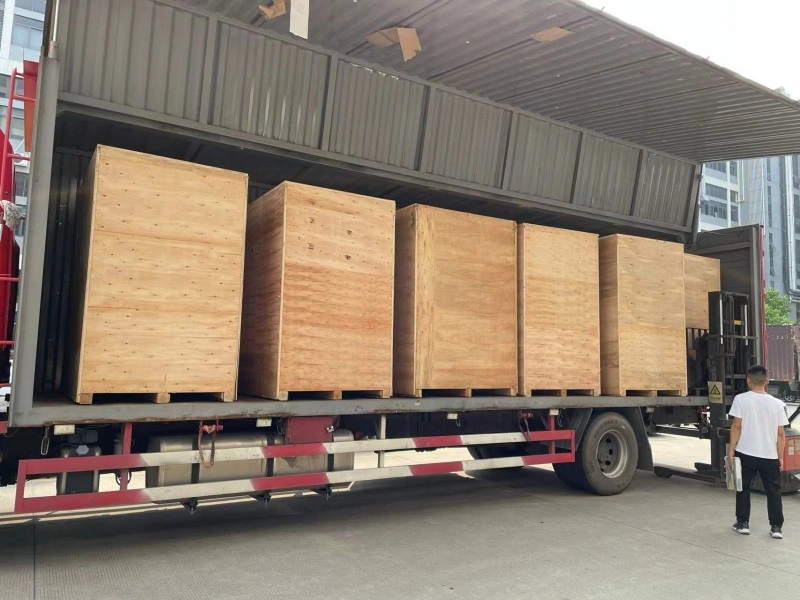
When Should the Pre-Shipment Survey Be Done?
A survey report should be very useful and helpful for the logistics, carrier, customs and port team. Categorical, precise information accelerates each downstream process.
| Survey Timing | Why It Matters |
| Before Quotation | Allows more accurate cost and feasibility review |
| Before Packaging | Helps design protection without exceeding transport limits |
| Before Booking | Supports carrier and vessel approval |
| Before Permit Application | Ensures route permits use correct dimensions and weight |
| Before Crane Planning | Helps select suitable lifting equipment |
| Before Cargo Pickup | Confirms cargo is ready and data is still accurate |
| After Packaging Changes | Verifies final packed size and weight |
| After Cargo Modification | Prevents outdated data from causing planning errors |
What Shippers Should Prepare for a Pre-Shipment Survey
When conducting surveys matters for quality and usefulness of transport planning. Early verification will leave more alternatives open later and the less changes will be needed later.
| Information to Prepare | Why It Helps |
| Cargo Drawings | Help identify dimensions, structure, and handling points |
| Technical Specifications | Clarify cargo function, components, and restrictions |
| Existing Measurements | Provide a starting point for verification |
| Weight Certificate | Supports crane, trailer, and permit planning |
| Cargo Photos | Help survey team prepare before arriving on site |
| Packing Status | Determines whether final packed size can be measured |
| Lifting Marks | Help identify approved lifting points |
| Handling Instructions | Reduce risk during lifting or movement |
| Site Contact | Ensures survey team can access cargo and loading area |
| Delivery Schedule | Helps prioritize planning and booking timeline |
Common Mistakes in Pre-Shipment Survey and Measurement
Preparing cargo and technical information ahead of time can help in shipper’s efforts to enhance survey quality and speed. The survey team will be able to concentrate on verification instead of simple discovery with good preparation.
| Mistake | Possible Consequence |
| Measuring Only Machine Body | Cargo may exceed transport limits after packaging |
| Ignoring Protrusions | Cargo may fail container, trailer, or route clearance |
| Using Drawing Data Only | Actual cargo may differ from design dimensions |
| No Gross Weight Verification | Crane, trailer, or permit plan may be wrong |
| No Center-of-Gravity Review | Lifting and stability risks increase |
| No Lifting Point Confirmation | Loading may be delayed or unsafe |
| No Condition Photos | Damage disputes become harder to resolve |
| No Site Access Check | Cargo may be unable to leave the factory safely |
| No Data Update After Packing | Booking and documents may become inaccurate |
Common Misunderstandings About Pre-Shipment Survey
There are still a number of misconceptions that lead to needless risk in an OOG project:
- Pre-shipment survey is not just for very large cargo; it’s for cargo that is larger than standard freight assumptions.
- Estimated sizes might be acceptable for initial discussions, but not for final transportation planning.
- Final dimensions packed may be more important than machine-only dimensions.
- Photos of the cargo cannot completely substitute for actual measurement.
- Not only do you avoid unexpected expenses, you also avoid safety issues by using a survey.
- Service records include surveys for insurance, customs, carrier approval and port handling.
- If possible survey should take place before booking.
- If cargo changes after the staging, measurements should be adjusted.
Conclusion — Accurate Survey Data Makes OOG Transport Safer and More Predictable
Pre-shipment survey and measurement helps minimise risks associated with cargo transport by verifying cargo information prior to logistics decisions. Proper dimensions, weight, center of gravity, lifting points, support points and site access information aid in the selection of the transport method, issuing of route permits, crane planning, load positioning, lashing design, carrier approval, documentation, insurance and final delivery. When shippers avoid the use of estimates and old drawings and measurements, they have safer, more predictable, more cost-controlled voyages of their OOG cargo. Optimal transport plans always begin with accurate cargo data and risk identification.