
Export papers for out-of-gauge machinery are more than just an ordinary packing list and invoice. It must be well organised and clearly describes the machinery, how it is being packed, dimensions and weight, mode of transportation and any controlled components for efficient customs clearance, acceptance by the carrier, port handling and delivery.
Export and documentation is not only administrative document but also a risk control tool that helps with customs clearance, acceptance by carrier, port handling, cargo safety and the last but not least – planning for delivery – in case of out-of-gauge machinery. Many exporters believe that these can only be completed after the goods have been packed and are ready to be collected. Indeed, for OOG shipments, verification of measurement, gross weight, packing method, technical description and transport restrictions should be checked before booking in to avoid any delay in dispatch, rejection or additional cost.
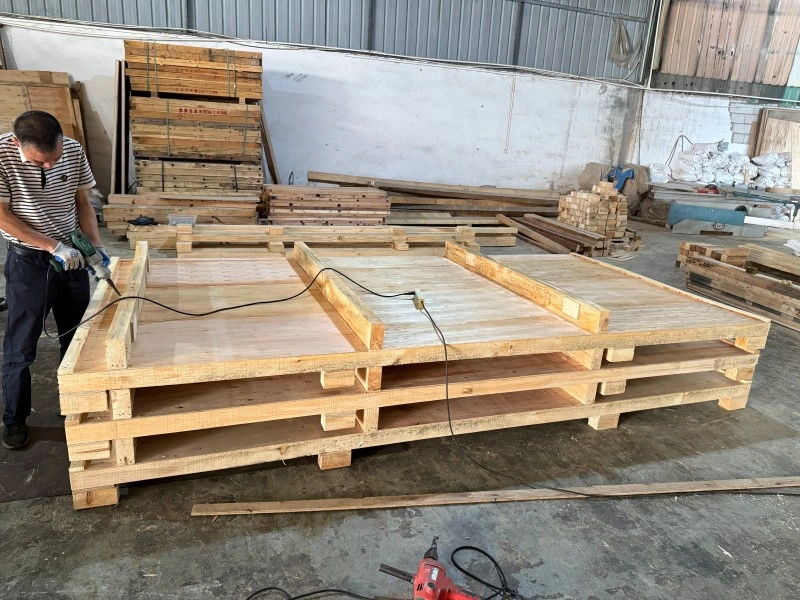
Why Export Documentation Is Different for Out-of-Gauge Machinery
Out of Gauge machinery documentation is much more detailed than for normal containerised loads, due to the fact that the load does not move in the same way. Oversized size, heavy weight, irregular shape, high declared value and special transport methods are some of the factors that necessitate special requirements, which must be communicated in all documents.
The differences that have crystallised over the years are the level of conformity demanded between the document and the reality. Carriers look at load plans, ports check handling, and customs may ask for technical clarification prior to the release of oversized equipment. Rumors of disharmony can quickly escalate into rejection, storage holds or unwanted storage charges.
End-to-end OOG logistics services allows for mapping OOG cargo documentation and coordinating OOG transport plans with carriers, end-to-end OOG logistics services help align paperwork with the actual transport plan.
| OOG Machinery Feature | Documentation Impact |
| Oversized Dimensions | Documents must show accurate length, width, height, and final packed size |
| Heavy Weight | Gross weight must match lifting, trailer, container, and customs records |
| High Value | Commercial invoice and insurance documents must be accurate and consistent |
| Irregular Shape | Photos, drawings, or load plans may be needed for carrier review |
| Technical Function | Customs may require clear machine descriptions and specifications |
| Special Packaging | Packing list must explain crates, supports, coverings, or protective materials |
| Special Transport Mode | Flat rack, open top, breakbulk, or heavy lift details may affect booking documents |
| Destination Delivery | Local permits and unloading plans may require supporting documents |
Core Export Documents for Out-of-Gauge Machinery
The majority of OOG machinery shipments begin with the very same commercial and transport paperwork that is utilized for any international shipment, but they are all customized to show that the content is unusual. These are the most frequent headaches that occur at the port or border and can be avoided if they are addressed from the start.
It is important to have consistency throughout documents. For instance, if the commercial invoice’s description does not meet with that of the bill of lading, it can lead to customs queries or carrier pushbacks before even sailing.
| Core Document | What It Should Include | Why It Matters |
| Commercial Invoice | Seller, buyer, cargo value, currency, Incoterms, machine description | Supports customs valuation and transaction verification |
| Packing List | Package count, dimensions, gross weight, net weight, packing method | Confirms cargo details for customs, carrier, and port handling |
| Bill of Lading | Shipper, consignee, cargo description, vessel, port details | Acts as transport document and cargo receipt |
| Export Declaration | Exporter details, HS code, value, cargo information | Supports legal export clearance |
| Booking Confirmation | Cargo size, weight, container type, sailing schedule | Confirms carrier space and shipment arrangement |
| Certificate of Origin | Country of origin and exporter details | May support import clearance or trade preference claims |
| Insurance Certificate | Cargo value, coverage terms, insured route | Supports risk protection and claims handling |
| Sales Contract / PO | Commercial terms and buyer-seller agreement | May support customs or payment documentation |
Cargo Dimension and Weight Documents
Accurate cargo dimensions and weight are the backbone of successful OOG machinery export documentation. If the measurements are not accurate and documented, carriers can not guarantee a space on the ship, ships’ ports can’t schedule crane lifts, and customs agents may doubt the declaration as a whole.
Always specify the machine’s actual size versus actual packed size. One simple thing has been overlooked – only the unpacked measurements are listed, and countless booking changes and last minute charges have resulted.
| Cargo Data | Why It Must Be Accurate |
| Length | Affects container selection, route planning, port handling, and carrier approval |
| Width | Determines over-width status, surcharge, permit needs, and securing plan |
| Height | Affects open top, flat rack, bridge clearance, and vessel stowage review |
| Gross Weight | Determines trailer, crane, container, and vessel handling requirements |
| Net Weight | Supports customs declaration and commercial documentation |
| Final Packed Size | Prevents mismatch between booking documents and actual cargo |
| Center of Gravity | Helps with lifting, load planning, and securing review |
| Measurement Report | Provides evidence if carrier, customs, or port asks for clarification |
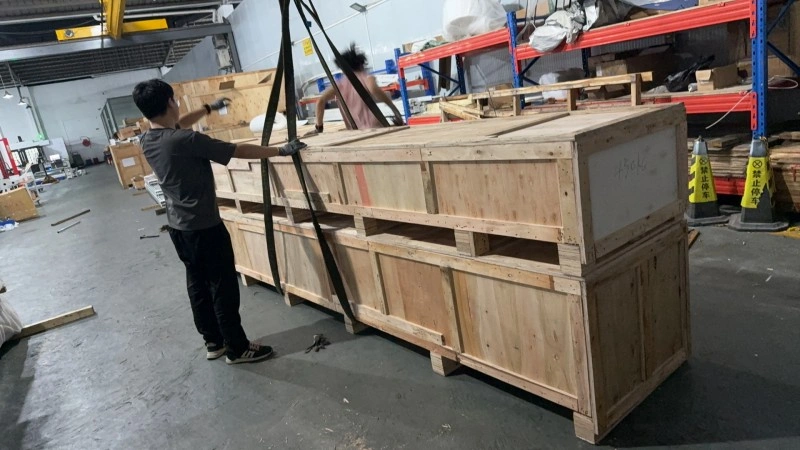
Technical Documents That May Be Required
Technical documents can benefit everyone involved (customs officers, carrier surveyors, port operators and the end importer) in understanding precisely what the machinery does and how it is supposed to be handled. The supporting files make the “industrial machine” description concrete, verifiable, and a shipment.
By having them included early in the process, customs review time is likely to be reduced and requests for additional information will be reduced.
| Technical Document | Practical Use |
| Technical Specification Sheet | Explains machine function, model, power, and major components |
| Product Manual | Helps customs or importer understand usage and operation |
| Machine Drawing | Supports dimension verification and handling review |
| Nameplate Photo | Confirms model, serial number, manufacturer, and rating details |
| Lifting Point Drawing | Helps plan crane loading and unloading |
| 3D Model or CAD File | Supports load planning and transport simulation when needed |
| Electrical / Hydraulic Details | Helps identify regulated components or special handling needs |
| Installation Drawing | Supports final site preparation and unloading planning |
HS Code and Customs Classification Documents
The proper classification of the item is important, since all of the above factors are directly related to the export declaration, customs import duties, regulatory review and/or special permits and permissions. Duty reassessment and shipment holds can be incurred in the case of complex machinery, if the wrong code is used.
Exporters and importers should check the HS code in advance, in conjunction with a qualified customs broker, before any final documents are issued.
| Classification Issue | Why It Matters |
| HS Code Selection | Determines customs classification, duty rate, and regulatory review |
| Machine Function | Customs classification often depends on what the machine does |
| Accessories | Spare parts or tools may need separate classification |
| Used vs New Machinery | Some markets apply additional rules or restrictions |
| Mixed Cargo | Different items in one shipment may need separate declaration lines |
| Destination Rules | Importing country may interpret classification differently |
| Technical Description | Helps customs understand the equipment and reduce questions |
Packaging and Protection Documents
Packaging documents have more importance than any others in the shipment of OOGs because the cargo may be loaded onto open-deck equipment, which is subject to weather, vibration, and long sea journeys. Detailed records of protective measures provide reassurances to carriers and customs on how the shipment is being properly protected.
Images that are taken before and after packing have been extremely useful when questions come up along the way.
Certain documents, such as packaging, are considered ‘detail’ documents.
| Packaging Document or Detail | Why It Helps |
| Packing Method Description | Explains whether cargo is crated, wrapped, framed, or uncovered |
| Packing Photos | Shows cargo condition and protection before shipment |
| Wooden Packaging Certificate | May be required for treated wood packaging compliance |
| Anti-Rust Treatment Record | Supports protection planning for long-distance or ocean transport |
| Vacuum Sealing Record | Helps document moisture protection measures |
| Shock Protection Details | Useful for sensitive or precision machinery |
| Tarpaulin / Weather Cover Details | Supports protection planning for open-deck transport |
| Packing List Notes | Ensures packaging dimensions and weight match actual shipment |
Dangerous Goods and Regulated Component Documents
There are components of some out-of-gauge machinery that may still be classified as dangerous goods even though the machine is not. Specific declarations or safety data sheets may be triggered by lithium batteries, residual hydraulic oil, refrigerants or pressure systems.
These components can be identified and documented early and compliance delays can be avoided with a shipment coming to a halt.
| Component or Risk | Possible Document Needed |
| Lithium Batteries | Battery declaration, test summary, or carrier-required documents |
| Lead-Acid Batteries | Battery information and packaging/handling confirmation |
| Hydraulic Oil | SDS or leakage prevention statement if required |
| Fuel Residue | Cleaning, draining, or declaration document |
| Refrigerant | Environmental or import compliance documentation |
| Compressed Gas | Cylinder certificate or DG document where applicable |
| Pressure System | Technical certificate or safety compliance record |
| Chemicals / Solvents | SDS and dangerous goods declaration if applicable |
Carrier, Port, and Load Plan Documents
Formal acceptance by a carrier and port often is necessary for OOG machinery. Load plans, lashing calculations and crane diagrams are included in the documentation package as the cargo can’t be “dropped in a container.”
Any carrier’s approval references should be retained and communicated to all parties to ensure smooth shipments.
| Document or Approval | Why It Matters |
| Load Plan | Shows how the machinery will be positioned for transport |
| Lashing Plan | Explains how cargo will be secured against movement |
| Container Selection Review | Confirms flat rack, open top, or alternative transport method |
| Carrier Acceptance | Confirms the shipping line agrees to carry the OOG cargo |
| Port Handling Confirmation | Ensures terminal can receive, store, and load the machinery |
| Crane Loading Plan | Supports safe loading and unloading operations |
| Center-of-Gravity Details | Helps review stability and lifting safety |
| Lifting Point Information | Supports crane and rigging planning |
Destination-Country Documents to Confirm Before Shipment
The export documents also should include clearance and final delivery requirements of the importer. A late import permit or local road permit can result in the cargo being stranded at the port of destination and in paying daily importation charges.
These requirements can be coordinated early, ensuring a smooth movement in the entire chain.
| Destination Document or Requirement | Why It Matters |
| Import Permit | May be required before cargo can be released |
| Importer Registration | Confirms consignee is authorized to import the cargo |
| Product Compliance Documents | May be needed for machinery, electronics, pressure systems, or regulated equipment |
| Duty and Tax Documents | Supports timely customs release |
| Destination Road Permit | Required if cargo moves oversized after port discharge |
| Unloading Plan | Helps prepare crane, forklift, or site equipment |
| Site Access Information | Reduces risk of final delivery failure |
| Used Machinery Documents | May be required in markets with second-hand equipment restrictions |
Complete Export Documentation Checklist for OOG Machinery
A practical master checklist for exporters and logistics teams to keep them organized. Make it a work in progress that evolves as the project moves forward.
| Document Category | Checklist Items |
| Commercial Documents | Commercial invoice, sales contract, purchase order, payment terms |
| Packing Documents | Packing list, packing photos, packing method, wooden packaging certificate if needed |
| Transport Documents | Bill of lading, booking confirmation, container details, carrier approval |
| Cargo Data | Dimensions, gross weight, net weight, center of gravity, measurement report |
| Technical Documents | Specification sheet, drawings, manual, nameplate photo, lifting point drawing |
| Customs Documents | HS code, export declaration, certificate of origin, customs declaration details |
| Protection Documents | Anti-rust record, vacuum sealing record, moisture protection details |
| DG / Regulated Documents | SDS, battery documents, DG declaration, pressure system certificate if applicable |
| Destination Documents | Import permit, consignee information, local delivery permit, unloading plan |
| Insurance Documents | Insurance certificate, cargo value confirmation, claims contact information |
Common Documentation Mistakes in OOG Machinery Exports
Sometimes even the professionals can let things slip with large machinery. The errors listed below tend to reoccur throughout projects and are typically avoidable delays and/or expenses.
| Documentation Mistake | Possible Consequence |
| Using estimated dimensions | Booking rejection, permit issue, or unexpected surcharge |
| Listing machine dimensions but ignoring final packed dimensions | Cargo may not match carrier or customs records |
| Invoice and packing list mismatch | Customs hold or documentation correction |
| Vague machine descriptions | Customs may request clarification or inspection |
| Incorrect or uncertain HS code | Duty reassessment, customs hold, or documentation correction |
| Missing technical documents | Carrier, port, or customs questions |
| Not declaring batteries, oils, refrigerants, or pressure systems | Compliance delay or shipment hold |
| Preparing documents after cargo reaches port | Missed vessel schedule or port storage charges |
Best Practices for Managing OOG Export Documents
Document control should start from the time of the project confirmation, not at the factory gate of the truck. Documentation is an integral part of transport planning and saves time and reduces stress for all stakeholders.
| Best Practice | Practical Benefit |
| Start Documentation Before Booking | Reduces late-stage corrections and shipment delays |
| Verify Cargo Data | Prevents mismatch between actual cargo and documents |
| Keep Documents Consistent | Reduces customs and carrier questions |
| Confirm HS Code Early | Helps estimate duties and avoid classification disputes |
| Provide Technical Details | Makes machinery easier to identify and review |
| Identify Regulated Components | Prevents undeclared DG or compliance issues |
| Confirm Carrier Approval | Ensures cargo can be accepted for transport |
| Use Version Control | Prevents outdated documents from being submitted |
| Share Documents Early | Gives brokers and partners time to review missing details |
Common Misunderstandings About OOG Export Documentation
When companies send out excess equipment for the first time, several fallacies emerge. Resolving them early will establish realistic expectations.
- For OOG machinery a commercial invoice and packing list are usually insufficient.
- The size of the machine itself and the final packed size are not the same, and must be recorded.
- The selection of HS codes should never be made on a guess basis; it must be checked.
- Shipment readiness is no longer a luxury, it’s a carrier requirement.
- It can save a lot of questions from officials if they can have technical drawings and pictures of the product.
- Even if they are not considered dangerous goods, hazardous components must be reviewed.
- Export documents must also be suitable for import clearance and final delivery in the destination country.
- The paperwork should be ready and accurate prior to loading, not when the shipment arrives at port.
Conclusion — Good Documentation Reduces OOG Shipment Risk
Out-of-gauge machines should be accompanied by all of the following export documentation: Complete, Accurate, Consistent, Prepared In Advance. This seamless integration of all documents, from the commercial invoice to the drawing for lifting the point, simplifies customs clearance, ensures carriers are confident to take the booking, ports can process the load with safety, and delivery timelines are met without any unwanted delays.
Real documentation of the cargo and the real transport plan makes out-of-gauge machinery exports easier to handle. Exporters will have fewer delays caused by oversized machinery shipments if they complete as much of the following documentation as possible in advance: verified dimensions, weight data, technical descriptions, customs documents, packing records, carrier approvals, and destination requirements. Don’t forget, don’t treat the documentation of the process as the final administrative step, but rather as an integral part of the OOG logistics planning process, and your next heavy equipment move will be much more predictable.